Newsletter Subscribe
Enter your email address below and subscribe to our newsletter

 ByDiana

There are dogs that enjoy being around people, and then there are Cavalier King Charles Spaniels. These sweet-faced little companions seem to believe that being close to their favorite humans is one of life’s greatest pleasures.
With their beautiful, expressive eyes, silky ears, and gentle personalities, Cavaliers have a way of making people fall in love with them almost immediately. They’re affectionate without being overly demanding, playful without being too rambunctious, and happiest when they’re included in everyday family life.
But there’s much more to these charming little dogs than their adorable appearance.
Whether you’re considering bringing a Cavalier King Charles Spaniel into your home or simply enjoy learning about different dog breeds, here are 15 things that make these dogs so special.
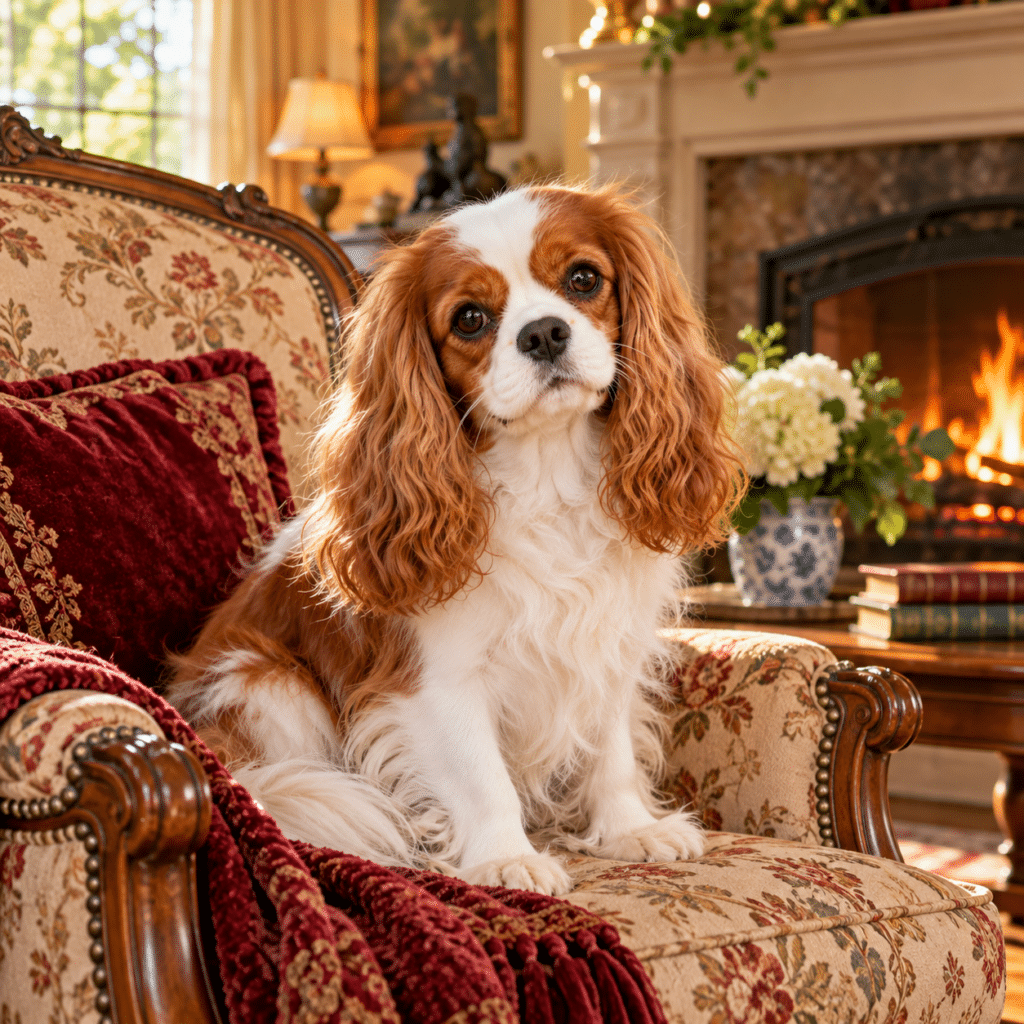
Unlike breeds originally developed for guarding livestock or hunting large game, Cavalier King Charles Spaniels have a long history as cherished companion dogs.
Their ancestors were small toy spaniels favored by European royalty, particularly in England. King Charles II was famously devoted to these little dogs, which eventually became associated with his name.
Today’s Cavalier King Charles Spaniel was developed to resemble the longer-muzzled toy spaniels seen in historical paintings.
Although they retain some sporting spaniel instincts, their greatest talent may be making people feel loved.
For a Cavalier, sitting beside someone on the sofa can be just as rewarding as an exciting adventure outdoors.

One look into a Cavalier’s large, dark, expressive eyes, and it’s easy to understand why so many people adore this breed.
Their eyes give them a naturally gentle, almost pleading expression that can make even the most determined dog owner reconsider the household rules.
Did you say dogs aren’t allowed on the couch?
A Cavalier might convince you otherwise without making a sound.
Of course, those beautiful eyes aren’t just for getting extra treats. They’re part of the breed’s famously sweet appearance, along with their softly feathered ears and friendly expression.
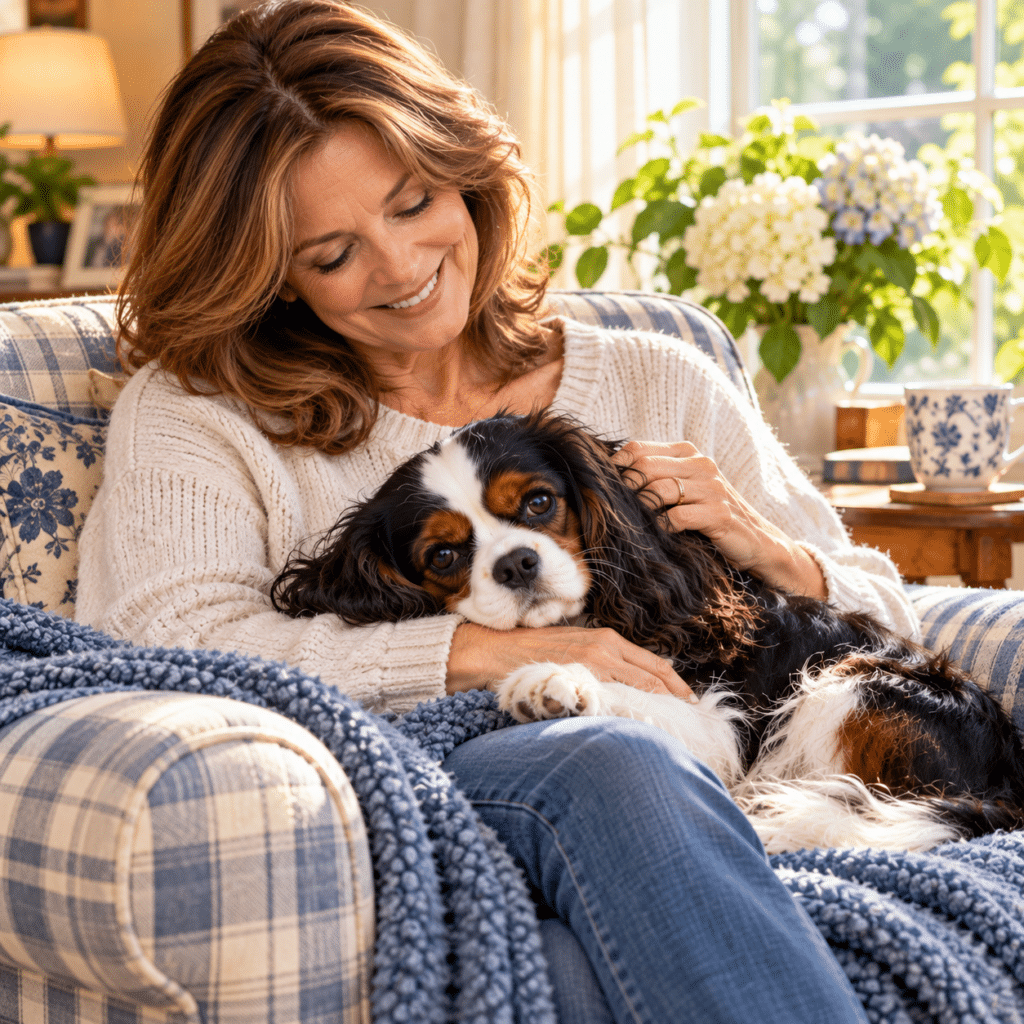
If you’re looking for a dog that enjoys cuddling, the Cavalier King Charles Spaniel is certainly worth considering.
These dogs often love curling up beside their owners, resting their heads on a lap, or squeezing into the smallest available space next to someone they love.
Many Cavaliers seem perfectly content spending an afternoon watching television with their favorite person.
But don’t mistake their love of cuddling for laziness.
They’re also cheerful little dogs that enjoy walks, games, and exploring the world around them.
The wonderful thing about Cavaliers is their ability to enjoy both activities and quiet moments.

Cavalier King Charles Spaniels are generally known for their friendly, sociable personalities.
Many enjoy having other dogs around and can adapt well to households with multiple pets.
They’re often less interested in being the boss than in finding someone willing to play or share a comfortable sleeping spot.
Their gentle nature can make them wonderful companions for other friendly dogs, including breeds considerably larger than themselves.
However, introductions should always be supervised, especially when there’s a significant size difference.
Every dog has an individual personality, and proper socialization plays an important role in helping Cavaliers develop confidence around other animals.

One of the lovely things about Cavalier King Charles Spaniels is the variety of beautiful coat colors they come in. Although their silky fur, long feathered ears, and sweet expressions are unmistakable, each color combination gives these little dogs a slightly different appearance.
The breed has four officially recognized coat colors:
– Blenheim: Perhaps the most recognizable Cavalier coloring, Blenheim dogs have rich chestnut markings against a pearly white background. Some even have a small chestnut spot on top of their heads, affectionately known as the “Blenheim spot.”
– Tricolor: These striking Cavaliers have a combination of black, white, and tan. Their tan markings typically appear above the eyes, on the cheeks, inside the ears, and beneath the tail, giving them an especially expressive appearance.
– Ruby: A Ruby Cavalier has a beautiful, solid reddish-chestnut coat. Their rich coloring, combined with those big, soulful eyes, makes them particularly eye-catching.
– Black and Tan: These elegant little dogs have glossy black coats accented by warm tan markings above their eyes, on their cheeks, chest, legs, and beneath their tails.
While everyone seems to have a favorite color, a Cavalier’s coat doesn’t determine its personality. Whether Blenheim, Tricolor, Ruby, or Black and Tan, these dogs share the same reputation for being affectionate, gentle, and devoted companions.
And once you’ve fallen in love with a Cavalier’s sweet personality, the color of their coat probably won’t matter nearly as much as the little dog wearing it. ❤️

Cavaliers typically weigh between 13 and 18 pounds, making them small enough to fit comfortably into many different living situations.
But underneath that elegant appearance is a dog with a playful, curious side.
Many Cavaliers enjoy exploring the backyard, sniffing along walking trails, and investigating interesting smells.
Their spaniel heritage can also show itself when they spot a bird or squirrel.
A Cavalier that was quietly relaxing beside you one moment might suddenly become very interested in something moving across the lawn.
Because of this instinct, it’s important to keep them on a leash or in a securely fenced area when outdoors.

One of the most important things prospective Cavalier owners should understand is how attached these dogs can become to their people.
Cavaliers often thrive on companionship and may become unhappy when left alone for long periods.
Some develop separation-related anxiety, which can lead to barking, restlessness, or destructive behavior.
They’re generally happiest in homes where someone is around much of the day or where their owners can provide plenty of attention and interaction.
Gradually teaching a Cavalier to feel comfortable spending short periods alone can help build independence.
For people who work from home or retirees who enjoy having a little companion nearby, this affectionate nature can be especially appealing.

Those beautiful, flowing ears and soft, feathered coats don’t stay lovely without a little maintenance.
Cavalier King Charles Spaniels have medium-length, silky coats that benefit from brushing several times a week.
The areas behind their ears, beneath their legs, and around their feathered tails can be particularly prone to tangles.
Regular brushing helps prevent mats while giving owners an opportunity to check for skin problems, burrs, or other surprises hidden in the coat.
Their long, floppy ears also deserve attention because they can trap moisture and debris.
Fortunately, Cavaliers don’t generally require elaborate professional haircuts. Their natural coats are part of their charm.
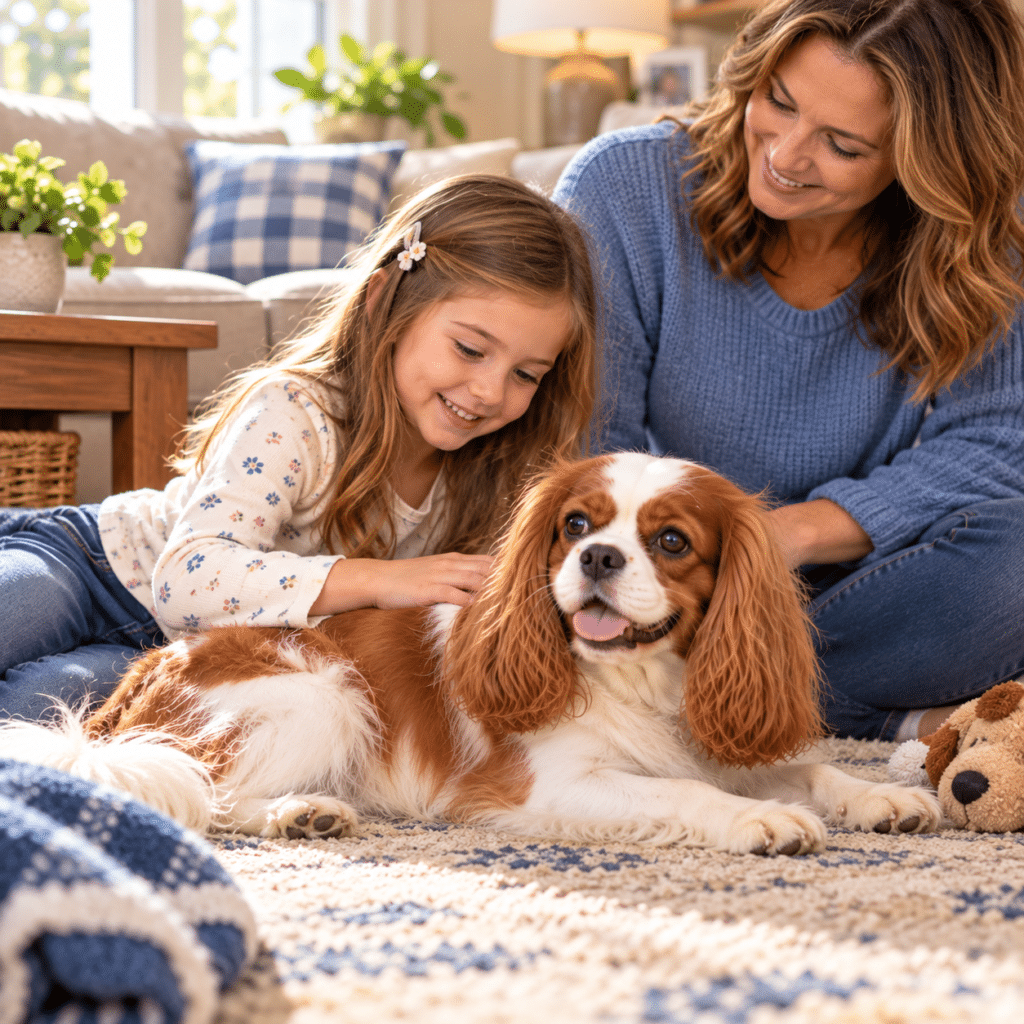
Cavaliers are often wonderful family companions because of their affectionate, patient personalities.
Many enjoy spending time with children and happily participate in gentle games or quiet cuddle sessions.
Their small size also makes them less physically overwhelming than some larger breeds.
However, even the sweetest Cavalier needs to be treated respectfully.
Young children should be taught not to pull ears, grab tails, or disturb a dog while sleeping or eating.
As with any breed, interactions between young children and dogs should always be supervised.
When treated kindly and given appropriate boundaries, Cavaliers can develop beautiful relationships with the children in their families.
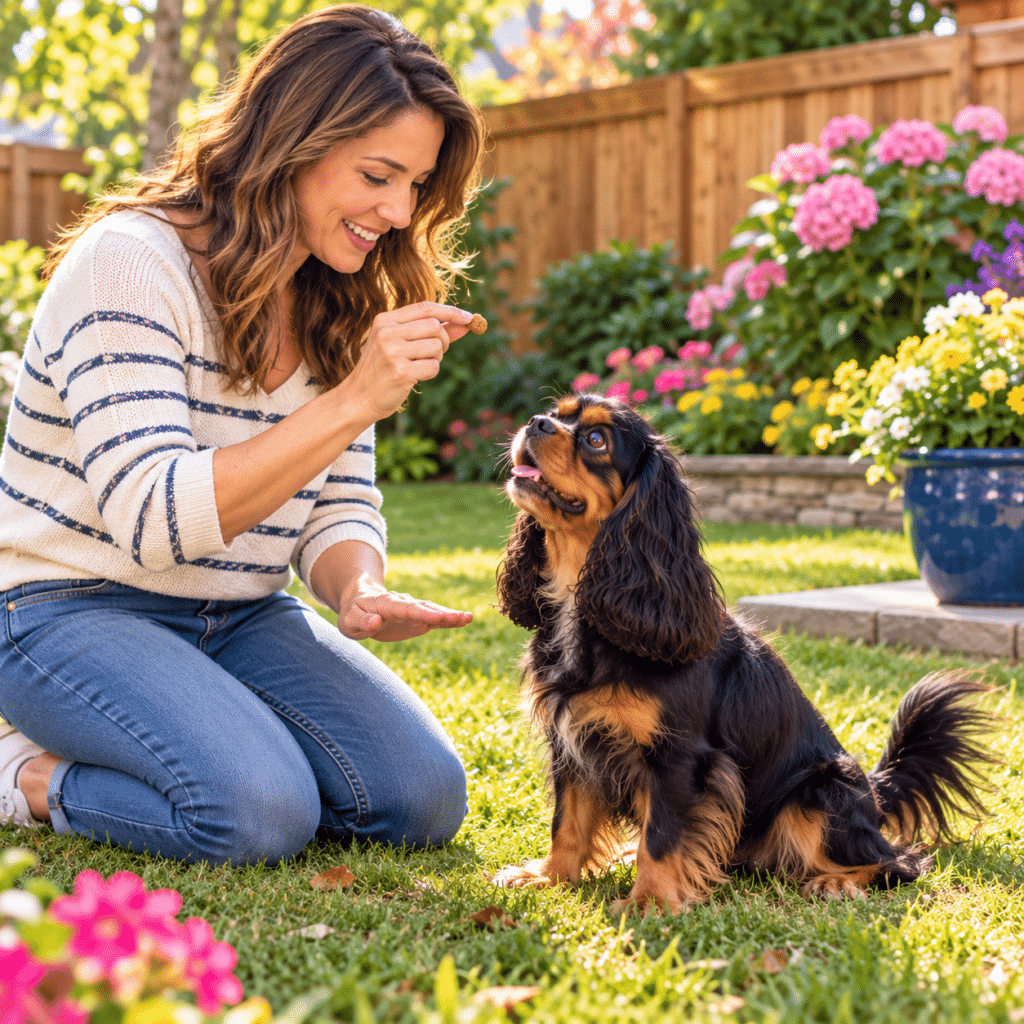
Training a Cavalier King Charles Spaniel can be a delightful experience.
These dogs are generally intelligent, responsive, and motivated by praise, treats, and affection.
They often learn basic commands such as sit, stay, and come relatively quickly when training is consistent.
Because Cavaliers tend to be sensitive, gentle positive-reinforcement methods work particularly well.
Harsh corrections can make some dogs fearful or confused.
Short, cheerful training sessions are usually more productive than long, repetitive lessons.
And don’t underestimate their abilities just because they’re small. Many Cavaliers enjoy obedience, rally, and other dog sports.

As lovable as Cavaliers are, it’s important to understand that the breed is predisposed to several significant health conditions.
One of the most serious concerns is mitral valve disease, a heart condition that is particularly common in Cavalier King Charles Spaniels.
The breed can also experience neurological conditions such as Chiari-like malformation and syringomyelia, along with certain eye problems, patellar luxation, and other inherited health issues.
Not every Cavalier will develop these conditions, but responsible ownership includes understanding the risks.
Regular veterinary examinations, appropriate heart monitoring, and prompt attention to unusual symptoms are especially important.
Anyone purchasing a Cavalier puppy should seek a responsible breeder who follows recommended health screening practices for breeding dogs.
Adopting a Cavalier through a reputable rescue organization can also be a wonderful option.
Their typical lifespan is often around 12 to 15 years, although individual dogs may live shorter or longer lives depending on health and other factors.

For older adults who want an affectionate dog without the physical demands of a large, highly energetic breed, Cavaliers can be appealing companions.
Their manageable size, friendly temperament, and love of relaxing with their people are definite advantages.
They generally enjoy moderate daily exercise rather than hours of intense physical activity.
A leisurely walk, some gentle playtime, and plenty of companionship may suit many adult Cavaliers beautifully.
However, their grooming needs and potential veterinary expenses are important considerations.
A Cavalier isn’t necessarily a low-maintenance dog, particularly when health problems arise.
Still, for someone prepared to meet those needs, sharing life with one of these affectionate little companions can be incredibly rewarding.

Cavaliers may look elegant and dignified, but many have a wonderfully silly streak.
They might suddenly race across the living room, enthusiastically chase a favorite toy, or perform an exaggerated wiggle when someone comes home.
Some become experts at carrying stuffed animals around the house.
Others develop amusing routines, such as bringing a toy to visitors or insisting on sitting in a particular chair.
And like many dogs, they can become surprisingly creative when trying to convince someone that it’s time for a treat.
Their playful personalities are part of what makes living with them so entertaining.
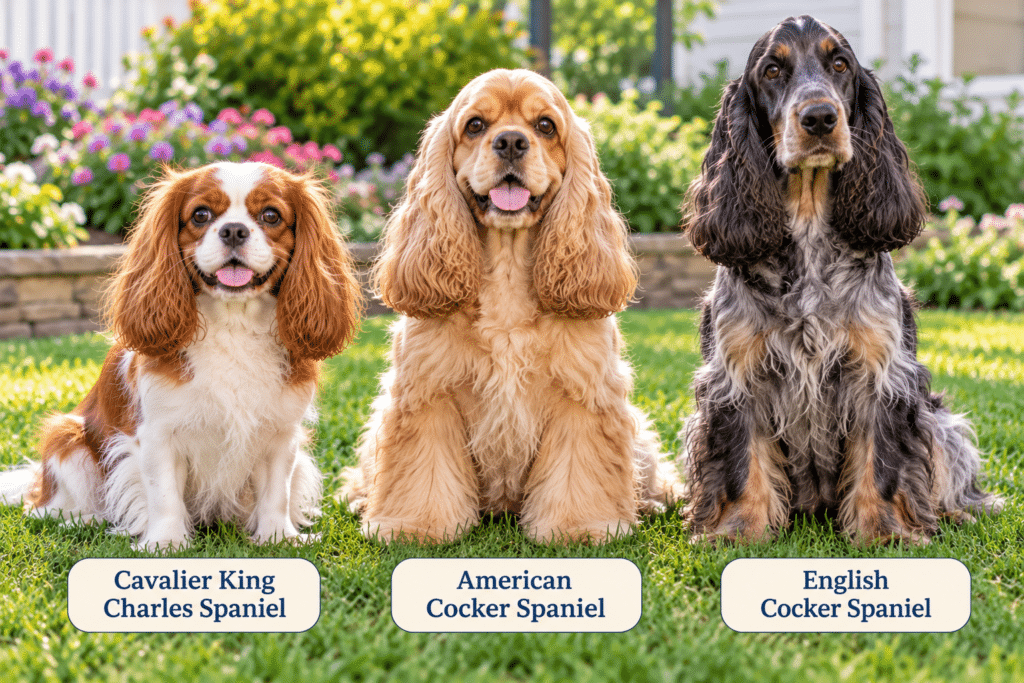
It’s easy to see why people sometimes confuse Cavalier King Charles Spaniels with other spaniel breeds.
Their beautiful ears, expressive faces, and silky coats create a family resemblance.
However, Cavaliers are a distinct toy breed, generally smaller than both the American Cocker Spaniel and English Cocker Spaniel.
Cocker Spaniels were developed primarily as sporting dogs, while Cavaliers were bred chiefly for companionship, although they retain some sporting instincts.
English Cocker Spaniels and American Cocker Spaniels also tend to have different exercise and grooming requirements from Cavaliers.
There’s another similarly named breed, the King Charles Spaniel, known as the English Toy Spaniel in the United States.
Despite the similar names, the Cavalier King Charles Spaniel and King Charles Spaniel are recognized as separate breeds.
Understanding these differences can help prospective owners choose the dog that best fits their household and lifestyle.
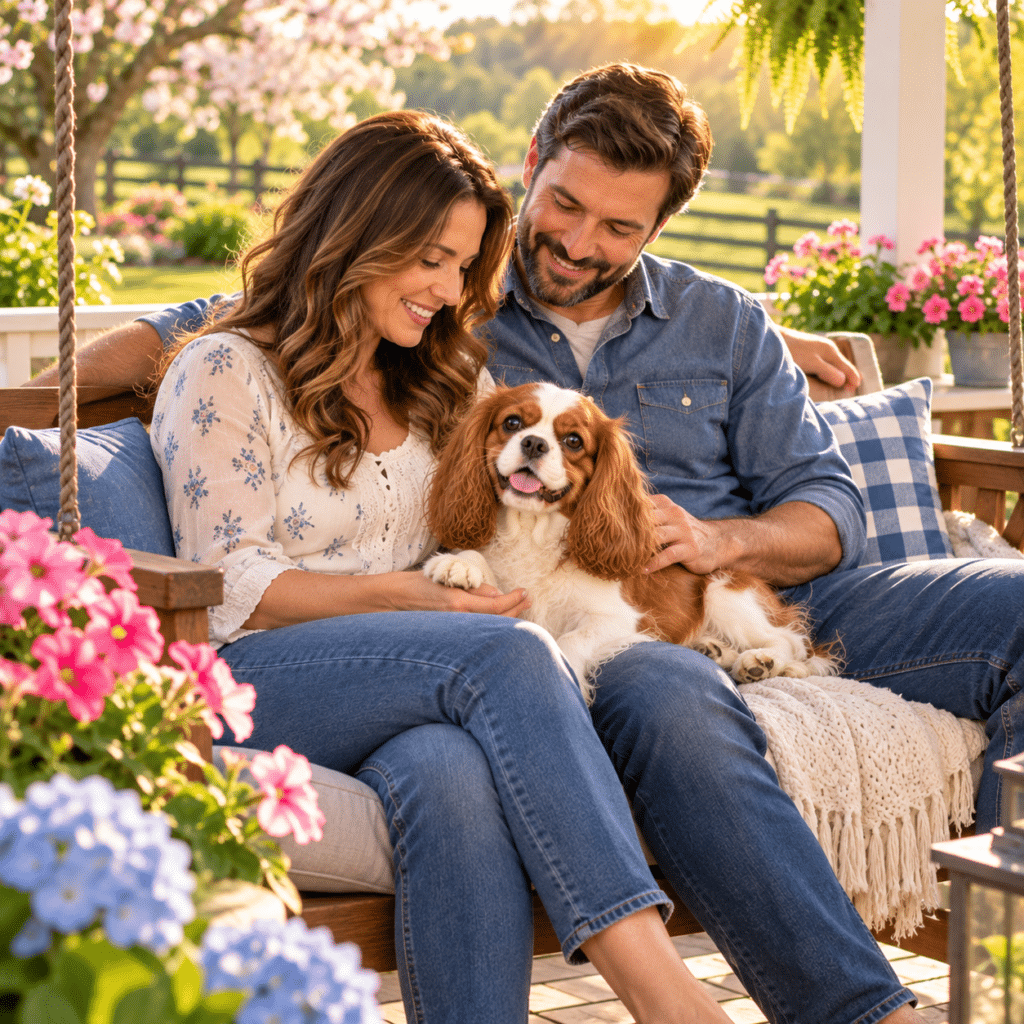
Perhaps the most endearing thing about Cavalier King Charles Spaniels is how much joy they can bring to everyday moments.
They don’t need elaborate adventures to be happy.
A morning walk, a comfortable blanket, a favorite toy, and a person who loves them can make for a wonderful day.
Many Cavaliers are happiest simply being included.
They’ll follow you into the kitchen, settle nearby while you read, and greet you enthusiastically even if you’ve only been gone for a few minutes.
It’s this combination of affection, companionship, and cheerful devotion that makes the breed so beloved.
A Cavalier may be small, but the space one can occupy in someone’s heart is enormous.
Cavalier King Charles Spaniels can make wonderful companions for people who appreciate affectionate, gentle dogs that enjoy being part of everyday family life.
They’re often well suited to families, couples, and older adults who can provide regular companionship, moderate exercise, grooming, and attentive veterinary care.
However, their tendency to form strong attachments and their significant inherited health risks mean they’re not the ideal choice for every household.
Before bringing one home, it’s important to consider the time, emotional commitment, and potential medical expenses involved.
For the right person, though, life with a Cavalier can be filled with gentle companionship, unexpected laughter, and countless heartwarming moments.
After all, sometimes the best part of having a dog isn’t the exciting things you do together.
It’s simply having that little face looking up at you, reminding you that ordinary days can be pretty wonderful.