Newsletter Subscribe
Enter your email address below and subscribe to our newsletter

 ByDiana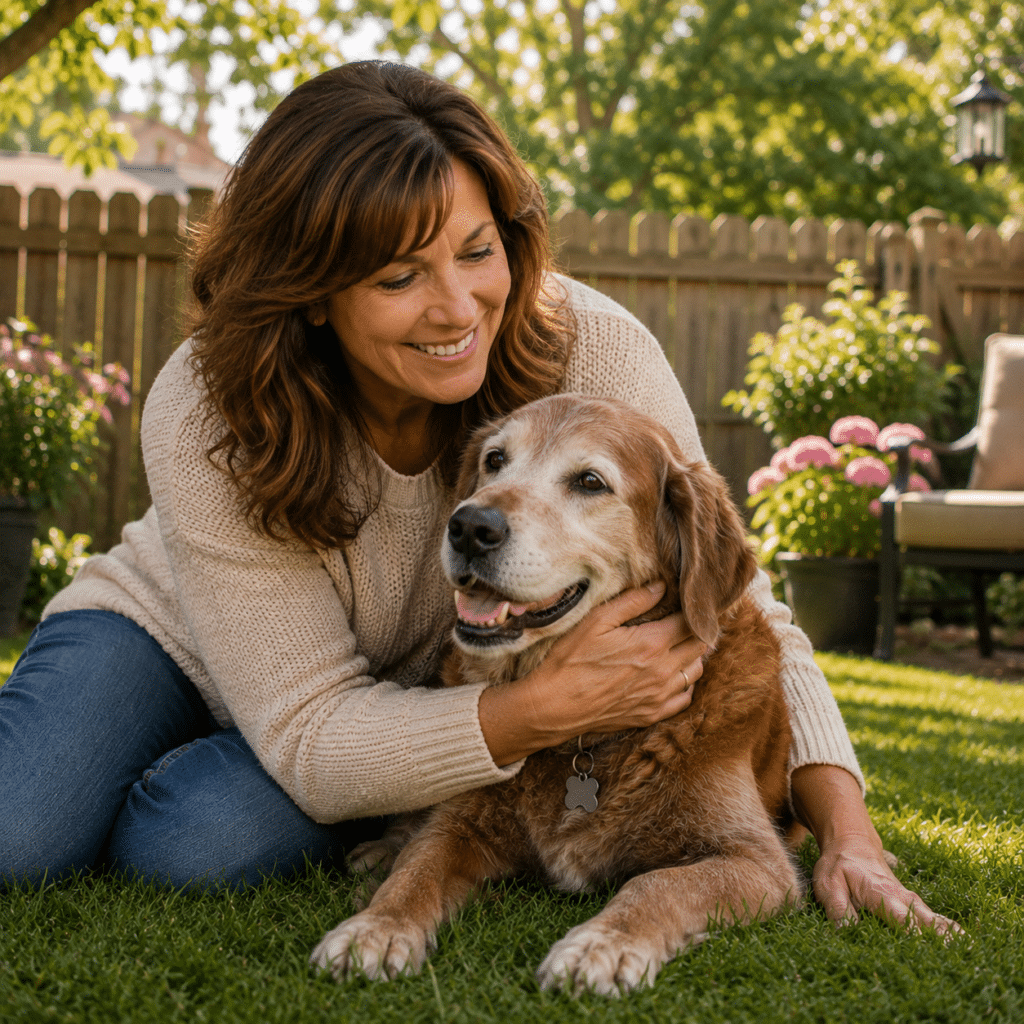
There is something special about watching a dog grow older beside you.
One day, you realize the puppy who once raced through the house has a little gray around the muzzle. The dog who used to be ready for anything may now consider a comfortable afternoon nap one of life’s greatest pleasures.
The changes often happen so gradually that we barely notice them at first.
Living with dogs has taught me to appreciate these quieter stages of their lives. An older dog may move a little slower, sleep a little longer, and develop some very definite opinions about how the day should unfold. But growing older can also bring a wonderful calmness and an even deeper bond with the people they love.
Of course, not every change should simply be blamed on age. Changes in behavior, mobility, appetite, or general well-being can sometimes signal a health problem and deserve a conversation with your veterinarian.
But many changes are simply part of sharing life with a dog who has accumulated a few more birthdays.
Here are 12 sweet ways you may notice your dog changing with age.
For many of us, the gray muzzle is one of the first obvious signs.
A few white hairs appear around the nose. Then there are more around the eyes and face.
Before long, you look at an old photograph and wonder when your dog’s face changed so much.
Dogs can develop gray hair at different ages, so a gray muzzle alone doesn’t necessarily tell you that a dog is elderly. Genetics and individual differences matter.
Still, there’s something particularly endearing about that distinguished older-dog face.
Those gray hairs represent years of walks, naps, adventures, routines, and ordinary days spent together.
Most dogs have always appreciated a good nap.
Older dogs can take that appreciation to another level.
As dogs age, you may notice them sleeping more or choosing rest instead of participating in every household activity.
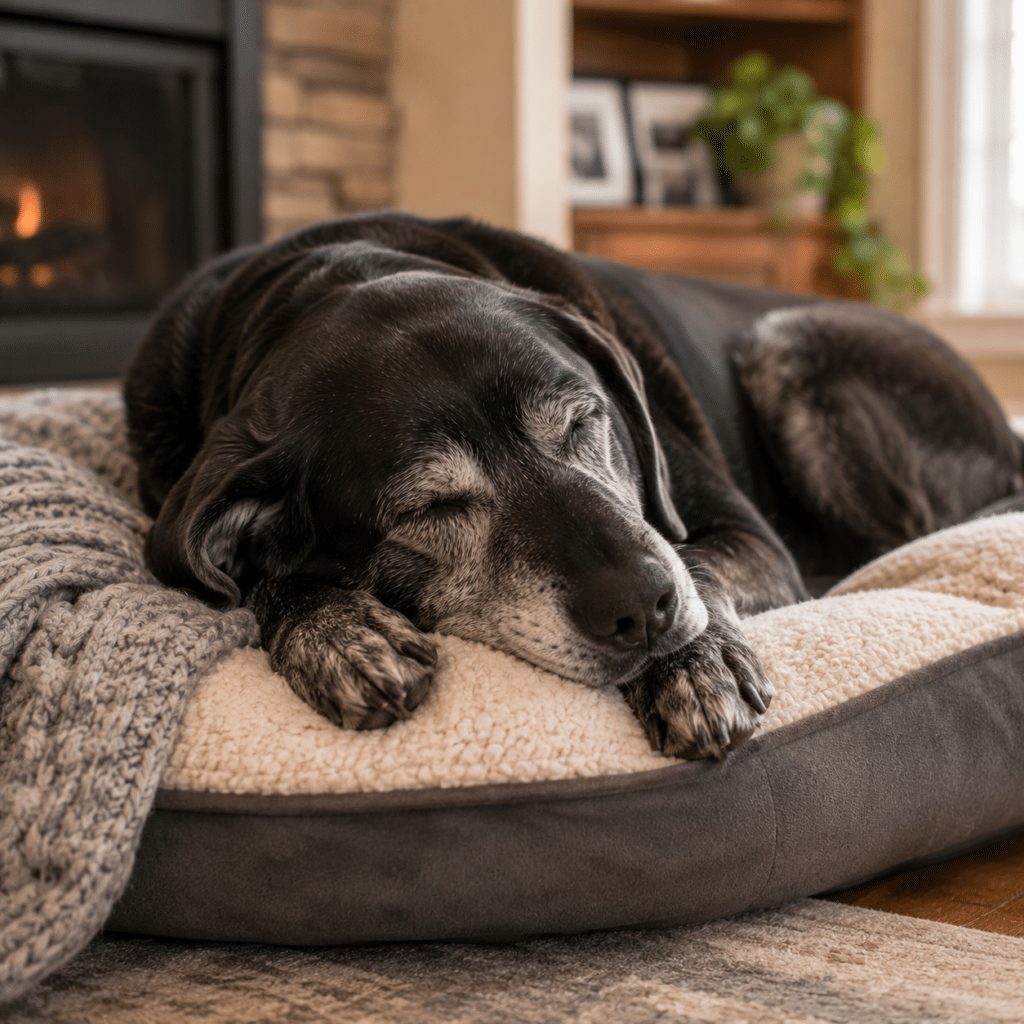
Our dogs have plenty of comfortable places to sleep, yet they seem to develop very specific favorites. Once an older dog finds the perfect bed, blanket, couch cushion, or sunny patch on the floor, convincing them to move can become quite a negotiation.
Extra rest can be normal for an aging dog.
However, a significant or sudden change in sleep, energy, or responsiveness is worth discussing with your veterinarian.
Young dogs can go from sound asleep to full speed almost instantly.
Older dogs may need a minute.
You might notice your dog stretching longer after getting up or moving carefully for the first few steps of the morning.
Some simply seem to appreciate a slower start to the day.
If your dog appears stiff, has difficulty standing, limps, hesitates on stairs, or seems uncomfortable, don’t assume it’s an unavoidable part of aging.
Changes in mobility or apparent pain should be evaluated by a veterinarian. There may be ways to make your dog considerably more comfortable.
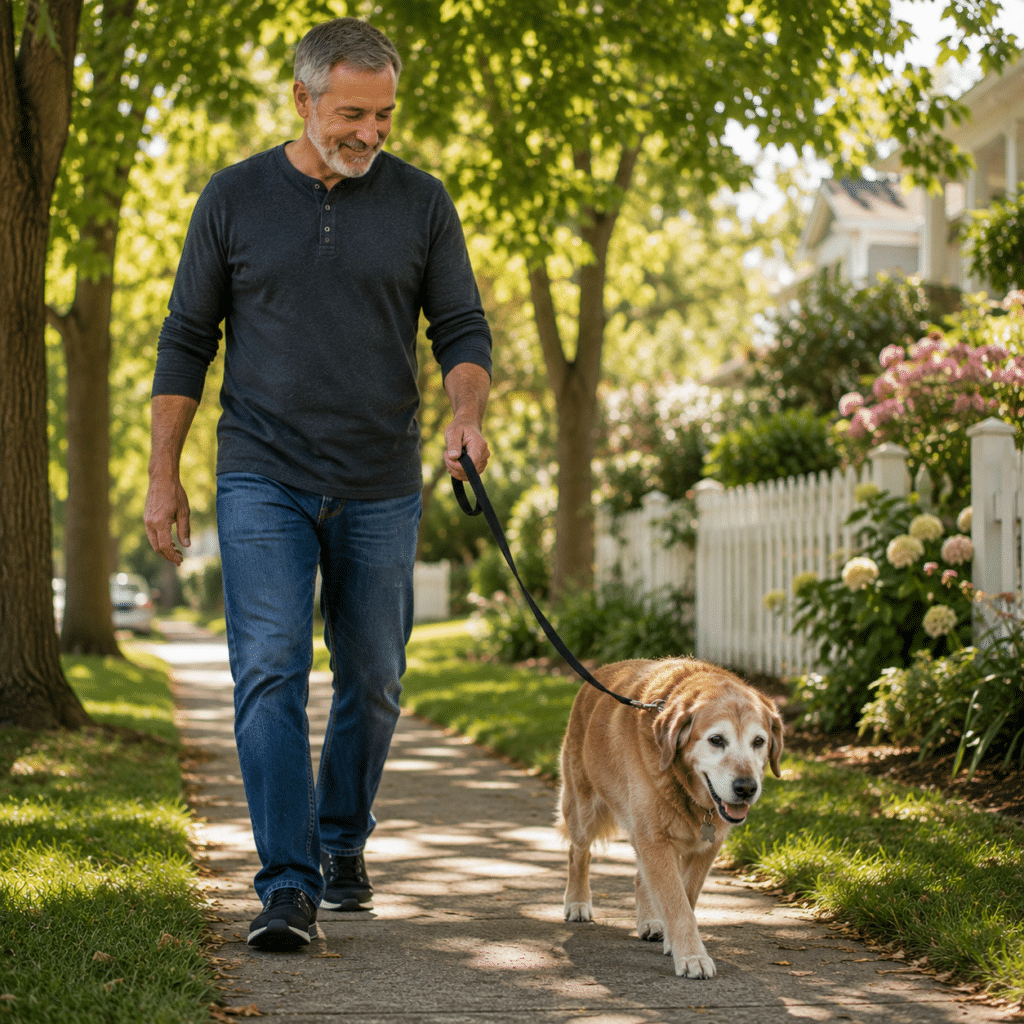
Dogs love routines at almost every age, but some senior dogs become particularly devoted to them.
Breakfast should happen at breakfast time.
The evening walk has a schedule.
Their favorite sleeping spot should preferably remain available.
And heaven help the household member who forgets the usual treat.
There is something charming about an older dog who knows exactly how the household is supposed to operate.
Predictability can also be comforting. Familiar routines help dogs know what to expect from their day.
You don’t need to run your household according to a stopwatch, but maintaining familiar patterns can make life pleasant and reassuring for an older dog.
A younger dog may enthusiastically investigate every trail, visitor, sound, and opportunity.
An older dog might still enjoy adventures but become a little more selective.
A leisurely walk may beat a long hike.
A comfortable porch may be preferable to a busy outing.
And sometimes staying home in a favorite bed sounds pretty good.
That doesn’t mean senior dogs should stop experiencing new things. Many still enjoy car rides, sniffing walks, gentle games, visits, and exploring appropriate new places.
The adventure may simply happen at a different pace.
Older dogs don’t necessarily stop playing.
The way they play may change.
A senior dog who once chased a ball endlessly may be satisfied with a few retrieves.
A dog who enjoyed rough play may prefer gentler interaction.
Some older dogs still have wonderful bursts of puppy-like enthusiasm. Watching a gray-faced senior suddenly grab a toy and start bouncing around can make everybody in the room smile.
Let your dog help set the pace.
Activities can be adapted to their comfort, mobility, health, and energy level rather than eliminated simply because another birthday has passed.
Older dogs seem to understand the value of comfort.
Soft beds become more important.
Warm blankets are appreciated.
The best couch cushion may somehow become permanently occupied.
And many senior dogs become masters at finding the warmest patch of sunshine in the house.
Providing comfortable resting places is one of the simplest things we can do for an aging dog.
A dog with mobility challenges may benefit from easily accessible beds that don’t require jumping or climbing. Nonslip surfaces can also make navigating smooth floors easier for some dogs.
Little changes around the house can make a big difference.
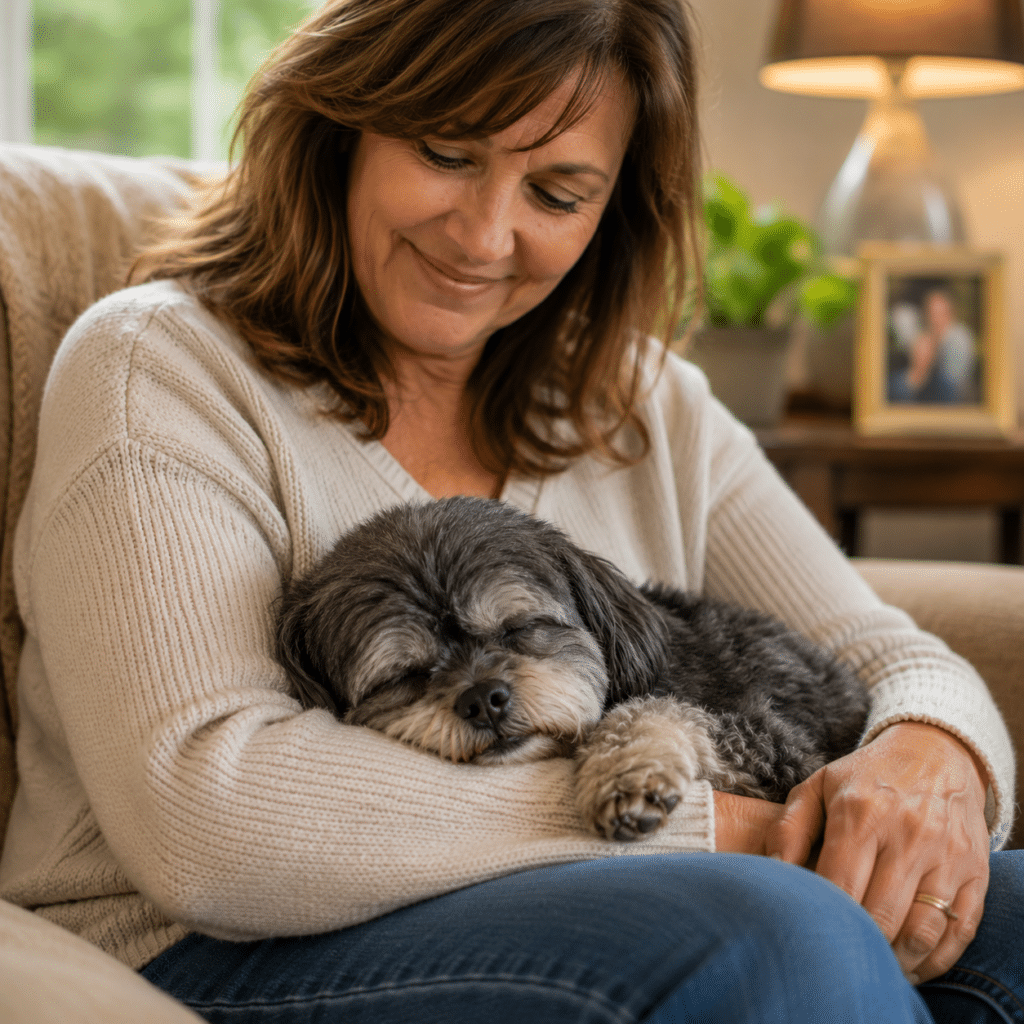
Some dogs become more affectionate or people-focused as they age.
You may notice your senior dog choosing a bed closer to where you sit or following you more often.
Not every dog does this. Some remain wonderfully independent their entire lives.
But when an older dog starts seeking out those quiet moments beside you, they can become some of the best parts of the day.
A dog doesn’t need to be doing anything exciting to be good company.
Sometimes having that familiar gray face sleeping nearby is enough.
A sudden increase in clinginess, especially when accompanied by confusion, restlessness, or other behavioral changes, should be mentioned to your veterinarian.
After years with the family, an older dog has seen your routines thousands of times.
They recognize the sound of the treat container.
They know which person is most likely to share a snack.
They know when you’re preparing to leave and when you’re settling in for the evening.
They may even recognize which household rules have a little room for negotiation.
Senior dogs often seem to have life figured out.
Maybe that comes from years of observation—or maybe they’ve simply trained us better than we’d like to admit.
Either way, living with an older dog can feel like living with someone who knows the household almost as well as you do.
As dogs slow down, we sometimes start appreciating ordinary moments differently.
A short walk isn’t merely exercise.
It’s time together.
Sitting outside isn’t doing nothing.
It’s enjoying the afternoon.
Watching your dog peacefully sleep beside you can suddenly feel just as meaningful as the bigger adventures you shared years earlier.
Dogs have a wonderful way of reminding us that a good day doesn’t always have to be an exciting one.
Sometimes a comfortable bed, a familiar person, an interesting smell outside, and dinner arriving on schedule are enough.
As our dogs get older, we tend to become more observant.
Was that walk slower than usual?
Did they finish breakfast?
Are they having trouble getting onto the couch?
Did they sleep well?
This attention can be valuable because subtle changes sometimes provide clues that something deserves attention.
Try not to assume that every new behavior is simply “old age.”
Changes involving appetite, weight, thirst, bathroom habits, breathing, mobility, sleep, vision, hearing, confusion, or personality are worth mentioning to your veterinarian.
Regular veterinary care becomes especially important as dogs get older.
This may be the biggest change of all—and perhaps it happens more to us than to our dogs.
The years create history.
You remember the chewed-up things, muddy paws, ridiculous habits, vacations, quiet evenings, stressful moments, and thousands of completely ordinary days.
Your dog has been there through chapters of your life that may look very different now.
That gray muzzle belongs to the same dog you remember from years ago, but the relationship has grown along with both of you.
There is something incredibly special about reaching the senior years together.
It can be difficult to watch a dog slow down.
We naturally wish they could stay young forever.
But the senior years aren’t simply something to dread. They can be a wonderfully gentle stage of life filled with familiar routines, comfortable afternoons, slower walks, and a companionship that has been strengthened by years together.
Pay attention to your dog’s changing needs. Keep up with veterinary care. Make adjustments that help them remain comfortable and involved in family life.
And don’t underestimate the importance of the ordinary moments.
Someday, you may discover that the quiet evenings with an old dog sleeping beside you were some of the sweetest moments of all.