Newsletter Subscribe
Enter your email address below and subscribe to our newsletter

 ByDiana
There is something pretty special about sharing your home with a big dog.
They may take up most of the couch, leave enormous paw prints across the floor, and somehow manage to stand exactly where you’re trying to walk. But big dogs can also be affectionate, playful, gentle, goofy, and completely convinced they belong in your lap.
If you love big dogs or you’re trying to learn more about big dog breeds, these 15 impressive dogs show just how different life on the large side can be.
Some are energetic athletes. Some are hardworking protectors. And a few are famous for being remarkably gentle despite their enormous size.
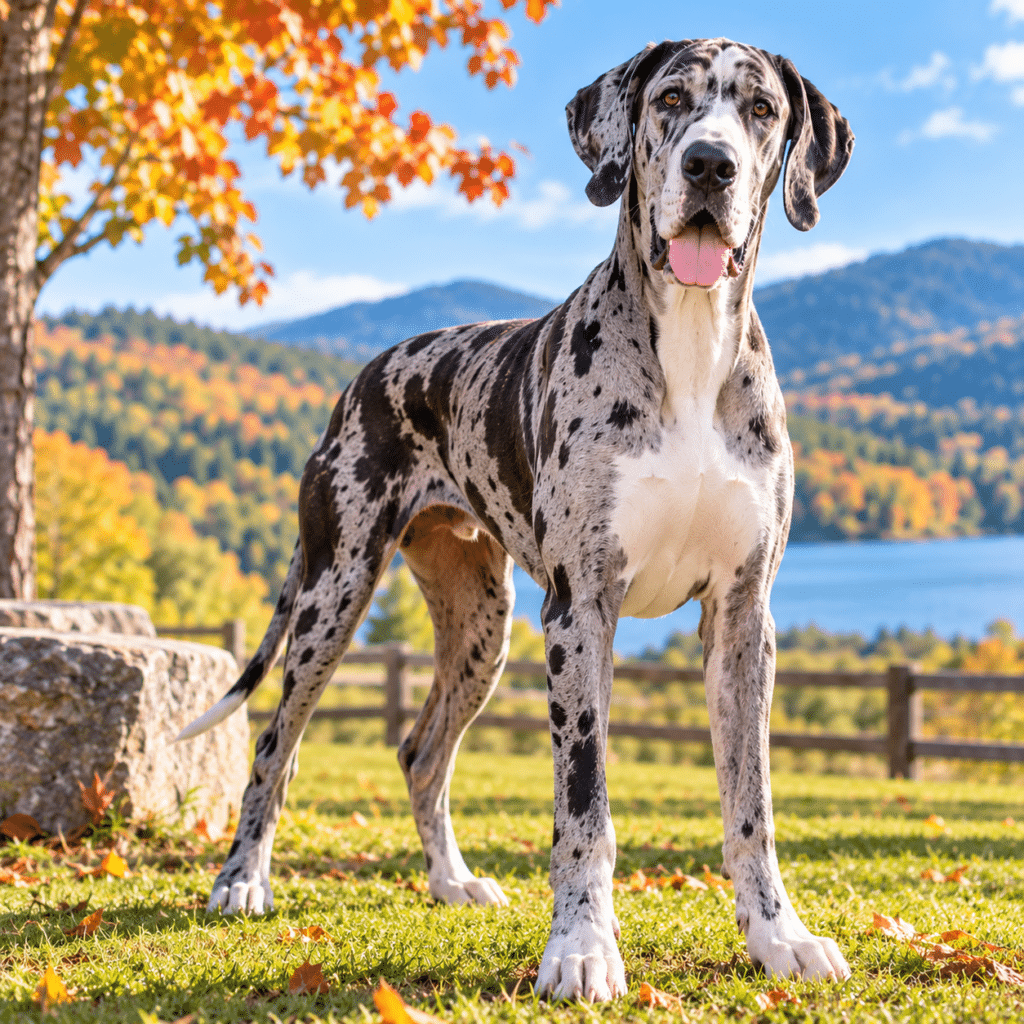
Few dogs make an entrance quite like a Great Dane.
Their height alone gets attention, but people who live with Great Danes often discover a dog that’s just as interested in companionship as looking impressive.
These towering dogs can be affectionate and people-oriented, and some seem completely unaware that they’re much too large to qualify as lap dogs.
Their size does mean everything gets bigger—from beds and crates to food bills and veterinary expenses—so prospective owners should consider the practical side of living with a giant breed.
What people love: Impressive size, elegant appearance and affectionate personality.
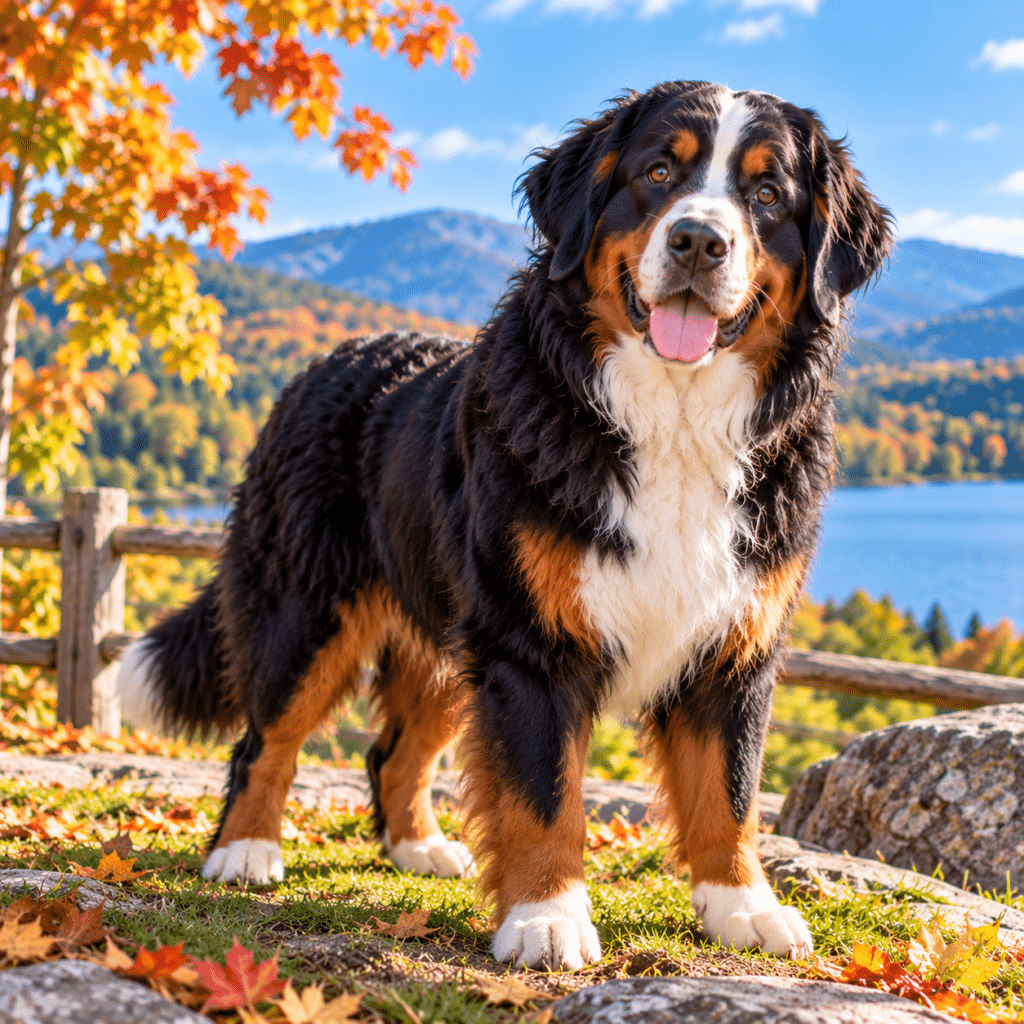
With their beautiful tri-colored coats and sturdy build, Bernese Mountain Dogs are hard to overlook.
Originally developed as working farm dogs in Switzerland, they’re powerful animals capable of serious work. Yet they’re also widely known as family companions.
That gorgeous coat comes with plenty of shedding, and their large bodies need room to move comfortably.
For people drawn to big, fluffy dogs, however, the Bernese Mountain Dog can be difficult to resist.
What people love: Gorgeous coat, expressive face and devoted nature.
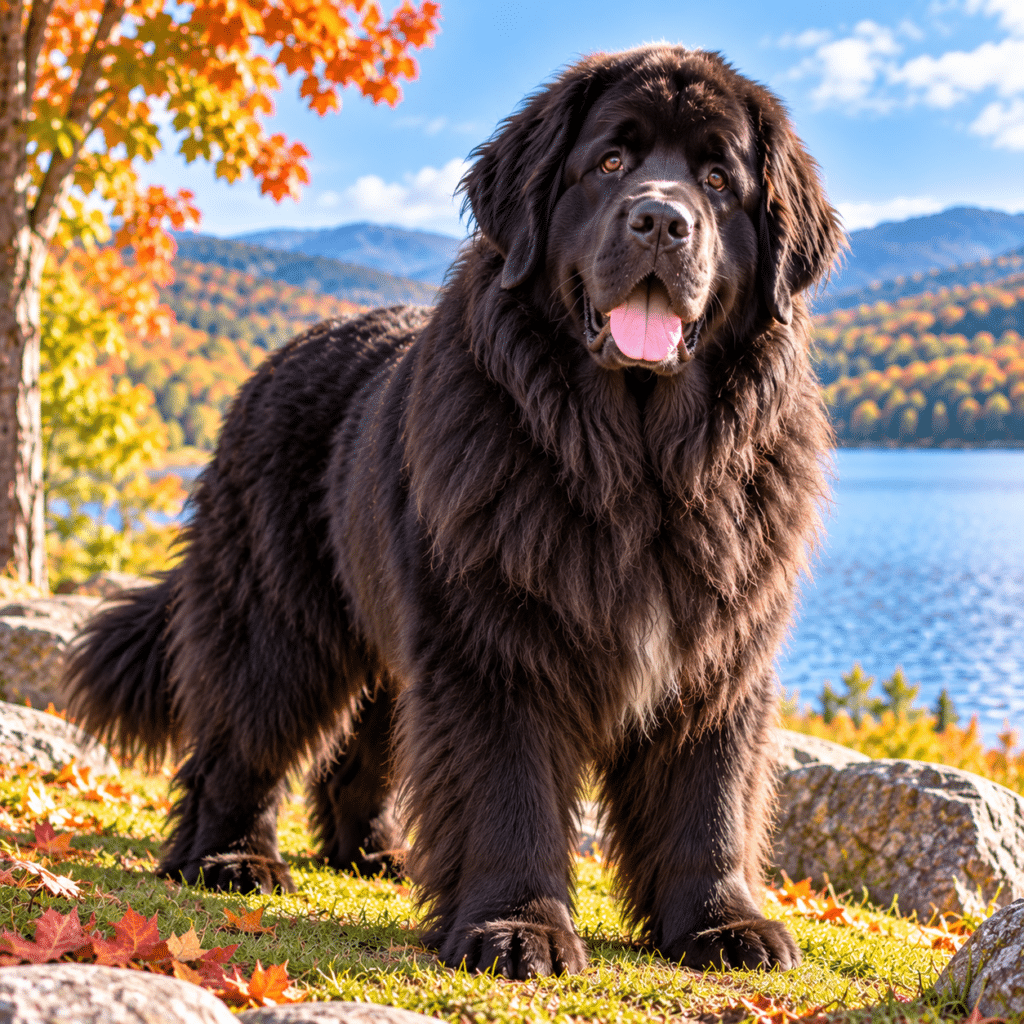
The Newfoundland is one of the breeds responsible for the phrase “gentle giant.”
These massive dogs were developed as working dogs around water, and their strength and swimming ability are legendary.
A full-grown Newfoundland can take up a considerable amount of space, but their famously sweet expression makes them look remarkably approachable.
Be prepared for lots of fur—and possibly some drool.
What people love: Gentle demeanor, enormous fluffy appearance and strong swimming heritage.
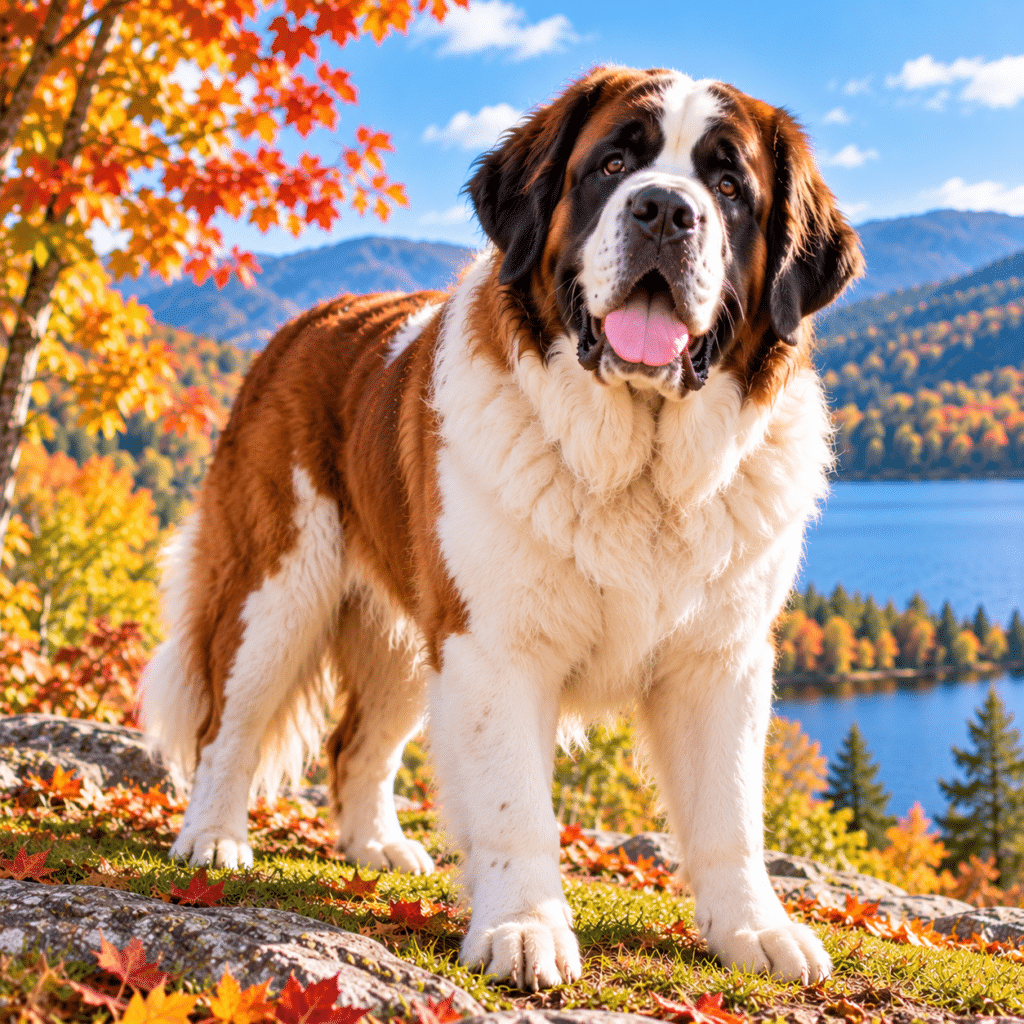
The Saint Bernard is another giant dog with a long history of working alongside people.
Originally associated with rescue work in the Swiss Alps, today’s Saint Bernard is instantly recognizable by its huge body, expressive face and substantial coat.
Despite their imposing size, they can have a wonderfully soft appearance.
Living with one requires accepting that a very large dog comes with very large everything—including beds, bowls and muddy footprints.
What people love: Iconic appearance, massive size and gentle expression.
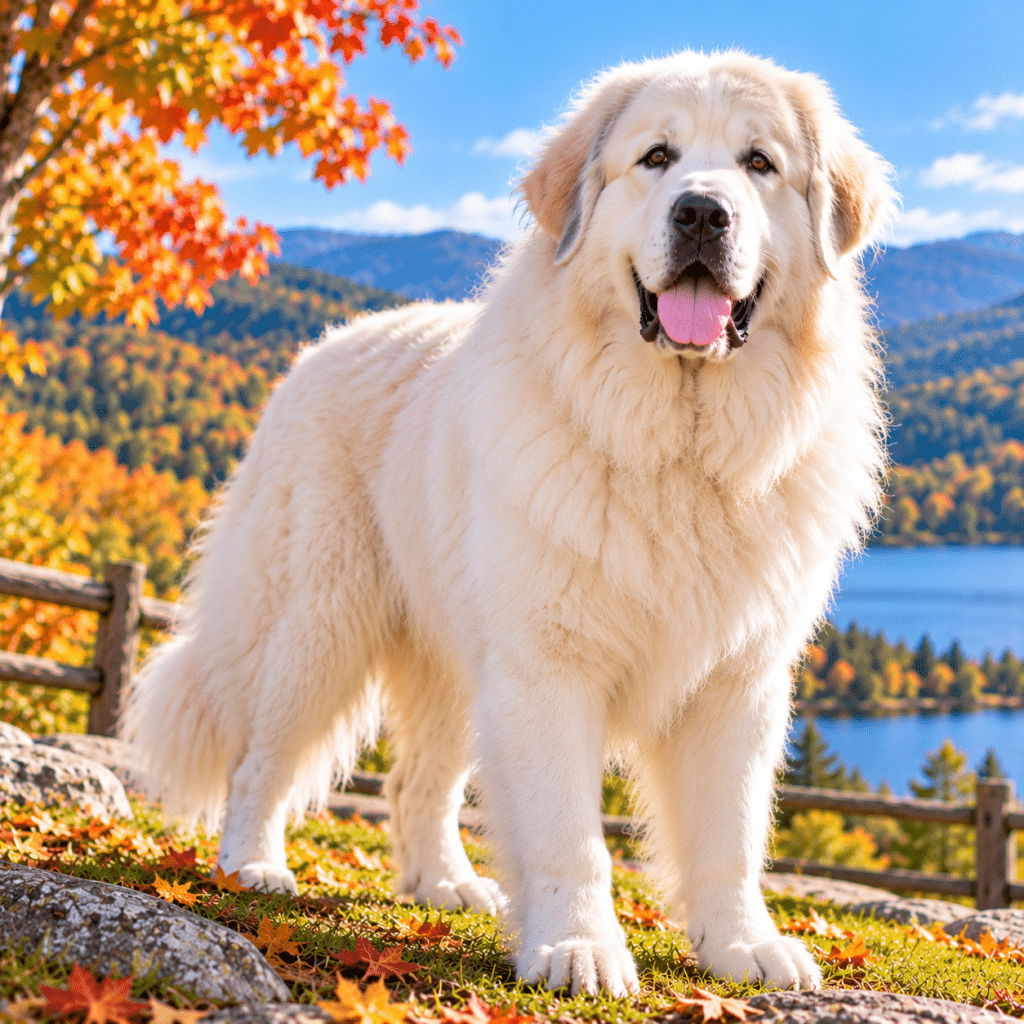
A Great Pyrenees can look like an enormous white cloud walking through the yard.
But underneath that beautiful coat is a livestock guardian breed developed to think and work with considerable independence.
That’s important to understand. These aren’t simply oversized fluffy lap dogs.
They can be calm and devoted companions, but their guardian heritage means training, socialization and an appropriate home environment matter.
What people love: Magnificent white coat, calm presence and guardian heritage.
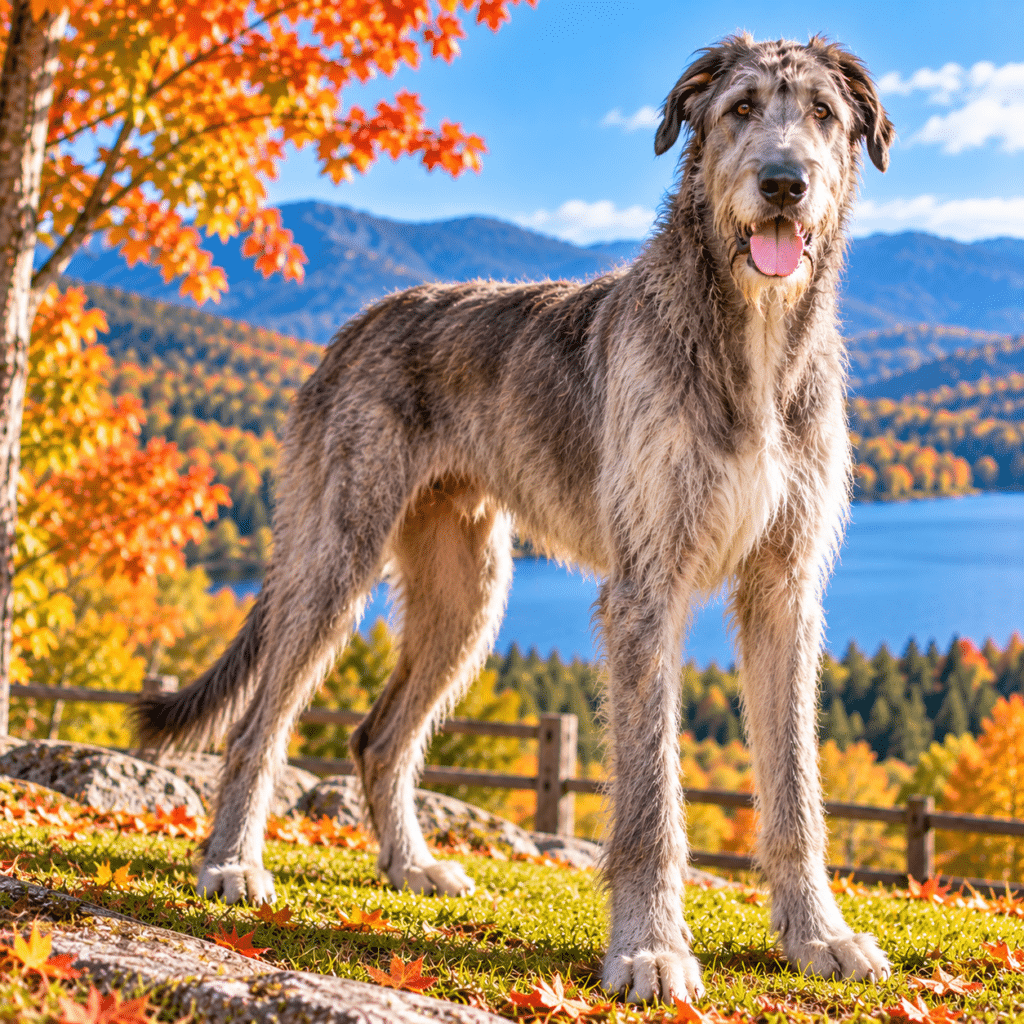
The Irish Wolfhound combines extraordinary height with a rough, somewhat scruffy coat.
They’re among the tallest dog breeds in the world, yet their appearance can seem surprisingly gentle rather than intimidating.
Their long legs and substantial size mean they need plenty of room to stretch out.
Seeing one in person can be startling the first time. Photographs don’t always communicate just how tall these dogs really are.
What people love: Incredible height, distinctive rough coat and dignified appearance.
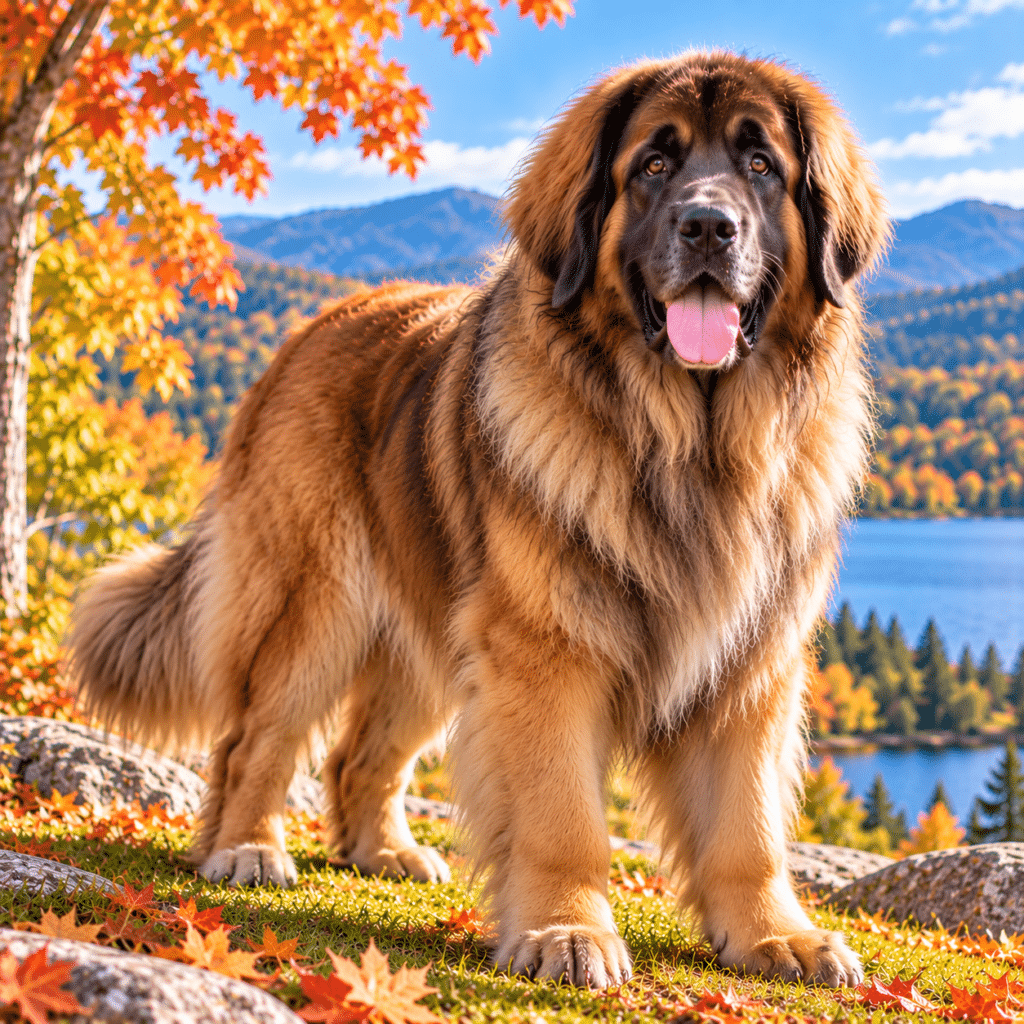
If you’ve never met a Leonberger, you might wonder how such an enormous, beautiful dog escaped your attention.
Leonbergers have thick coats, powerful bodies and a mane-like appearance—particularly the males—that can make them look a little like lions.
They were developed in Germany and have a history as working and companion dogs.
Their size and abundant coat require commitment, but there’s no denying their dramatic appearance.
What people love: Lion-like looks, thick coat and impressive size.
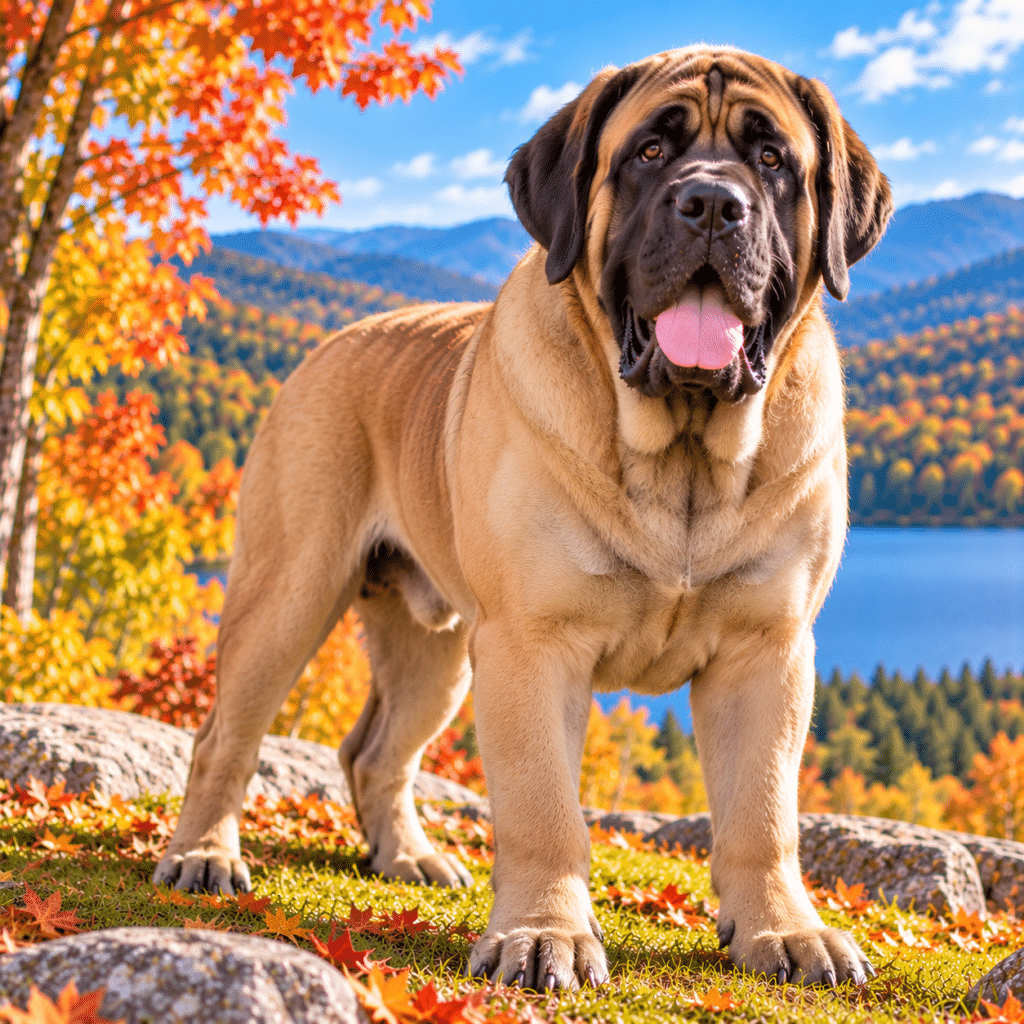
The Mastiff doesn’t need a fluffy coat to look enormous.
These muscular dogs have broad heads, powerful bodies and the kind of presence that makes people notice when one walks into the room.
Their ancestors have a very long history, and today’s Mastiffs remain among the heaviest dog breeds.
Anyone considering one should be prepared for the realities of managing an extremely powerful animal. Early training and socialization are especially important with dogs this large.
What people love: Massive build, distinctive face and commanding presence.
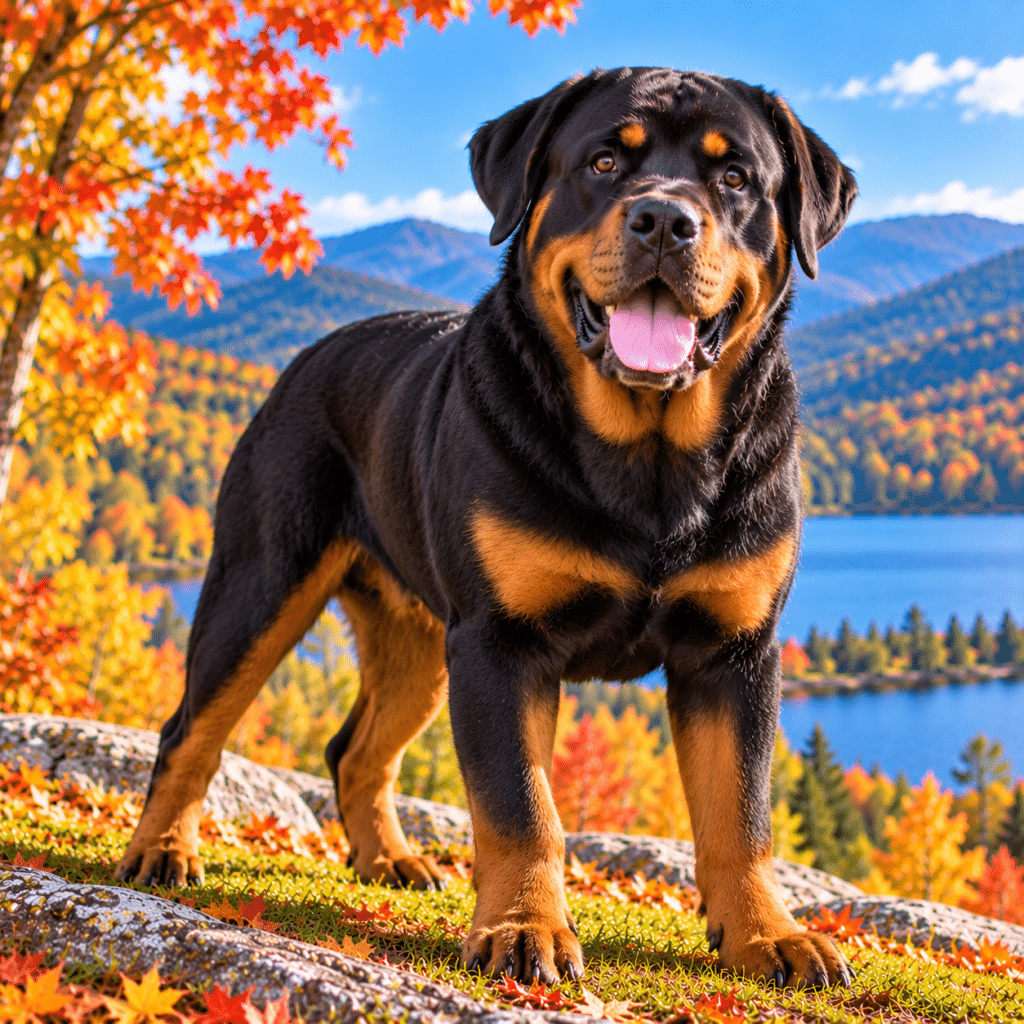
Strong, athletic and instantly recognizable, the Rottweiler has a long history as a working dog.
Their black coat with clearly defined rust-colored markings gives them their distinctive appearance.
Rottweilers can be intelligent and devoted dogs, but their strength makes responsible training and socialization particularly important.
They’re a good reminder that choosing a large breed should be about much more than appearance.
What people love: Intelligence, athletic build and striking markings.
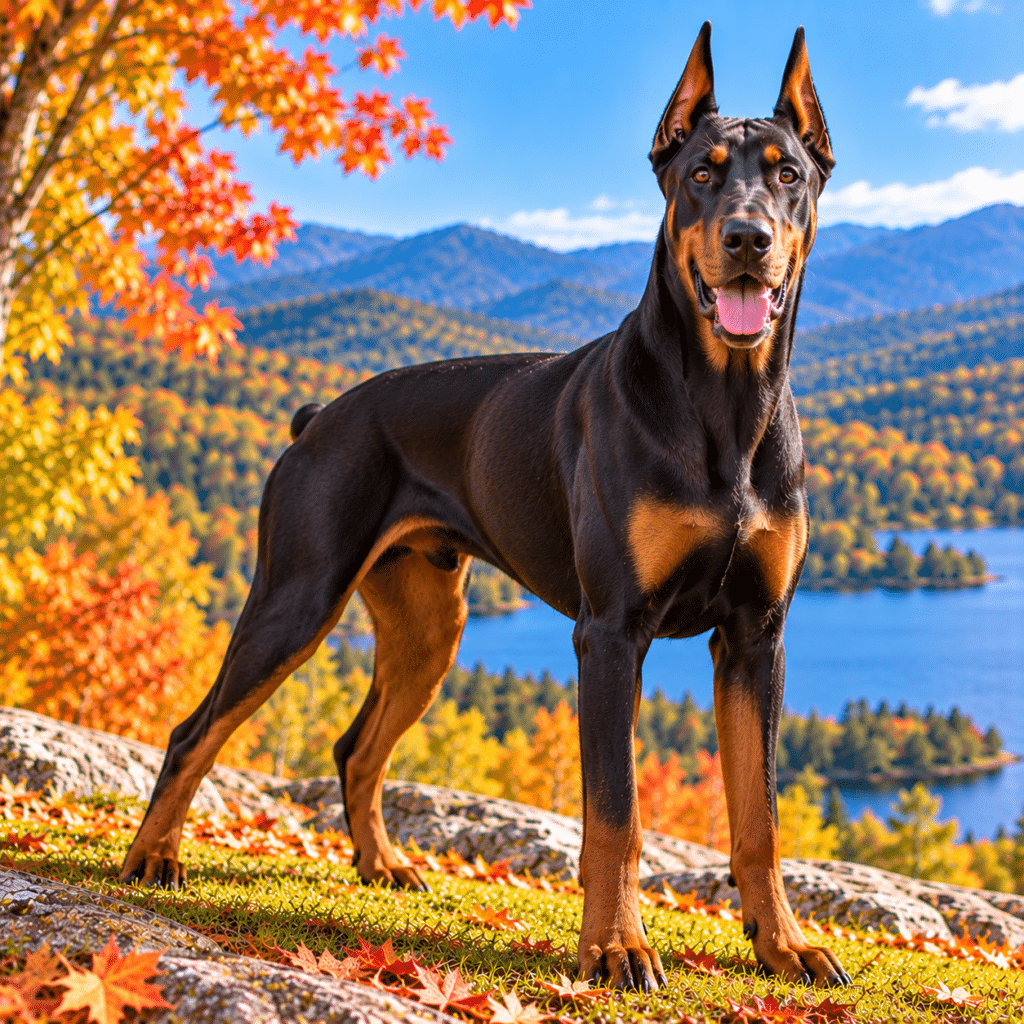
The Doberman has one of the most elegant silhouettes in the dog world.
Tall, sleek and athletic, these dogs were developed as working companions and are known for their alert appearance.
They’re very different visually from the fluffy giants on this list, but they’re every bit as impressive.
Dobermans tend to need exercise, training and meaningful interaction rather than simply hanging around looking handsome.
What people love: Sleek appearance, intelligence and athleticism.
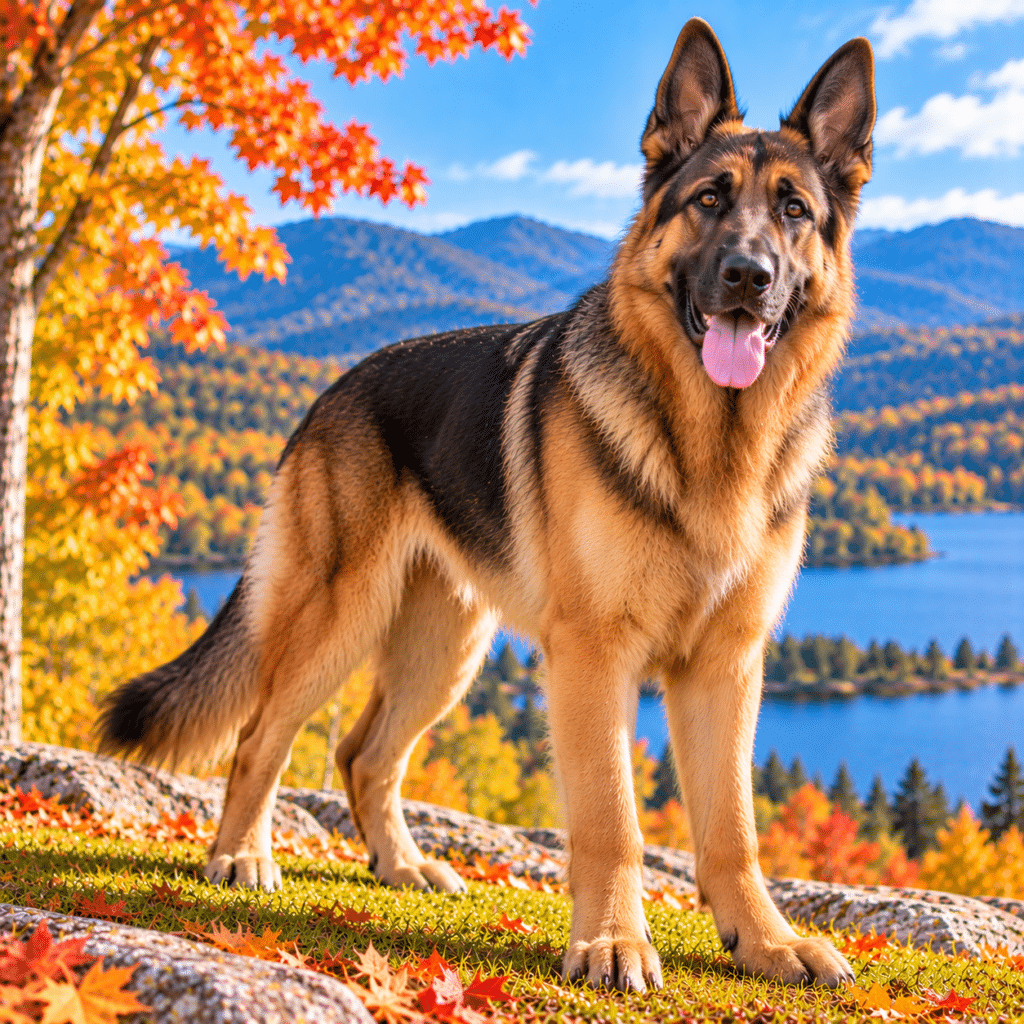
German Shepherds are among the world’s most recognizable working dogs.
Their intelligence and versatility have led them to roles ranging from family companions to police, military, search-and-rescue and service work.
They tend to thrive when given appropriate training, exercise and mental stimulation.
For someone prepared for an active, intelligent large dog, the German Shepherd offers much more than good looks.
What people love: Intelligence, versatility and unmistakable appearance.
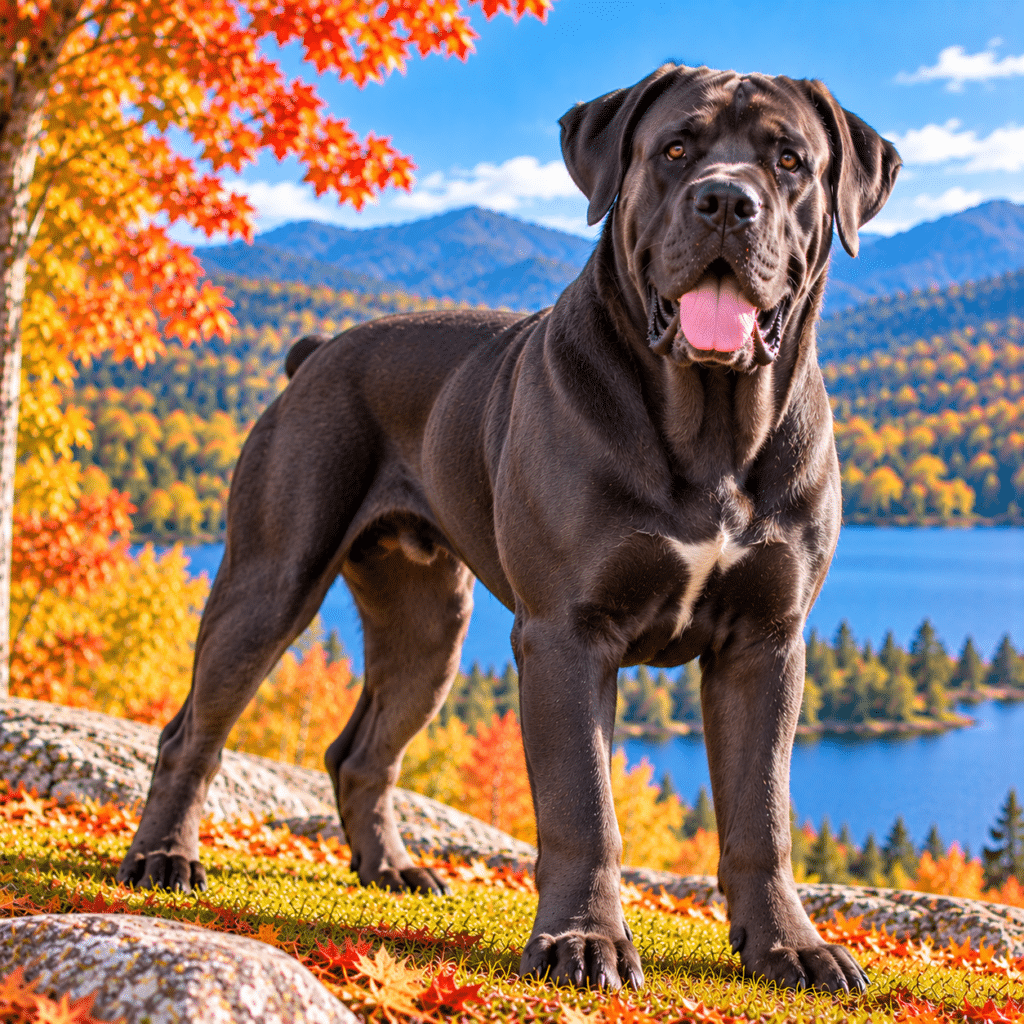
The Cane Corso is a muscular Italian breed with a serious, powerful appearance.
These are substantial dogs with guardian ancestry, and they’re not a breed to choose simply because they look impressive in photographs.
Training, socialization and responsible handling are extremely important.
In the right home, their intelligence and close relationship with their people are part of what attracts dedicated Cane Corso enthusiasts.
What people love: Powerful build, intelligence and striking appearance.
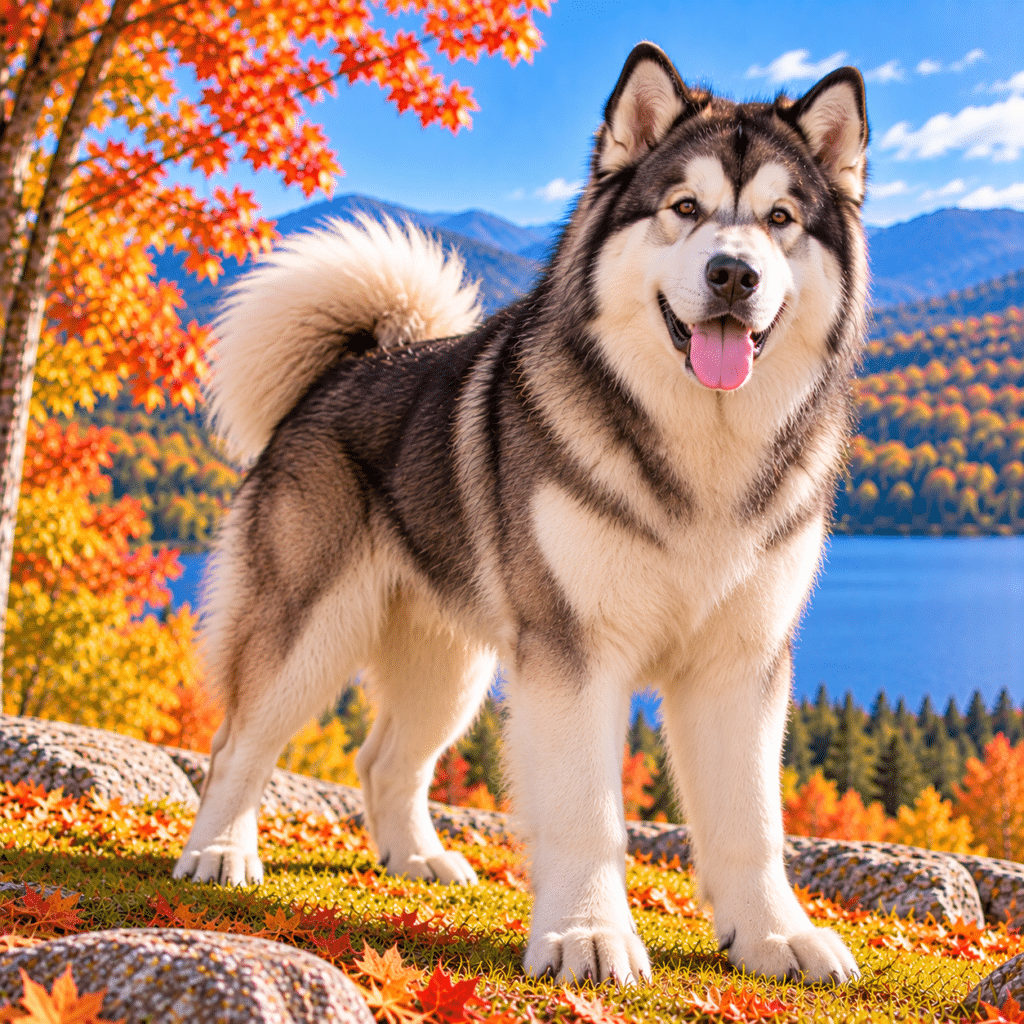
The Alaskan Malamute looks ready for an adventure because that’s exactly what its ancestors were bred for.
Developed to haul heavy loads in harsh Arctic conditions, Malamutes are strong, substantial dogs with dense coats and powerful bodies.
They’re energetic and need appropriate outlets for both physical activity and mental stimulation.
And yes, that spectacular coat means there will be fur.
Lots of fur.
What people love: Wolf-like beauty, thick coat and adventurous spirit.
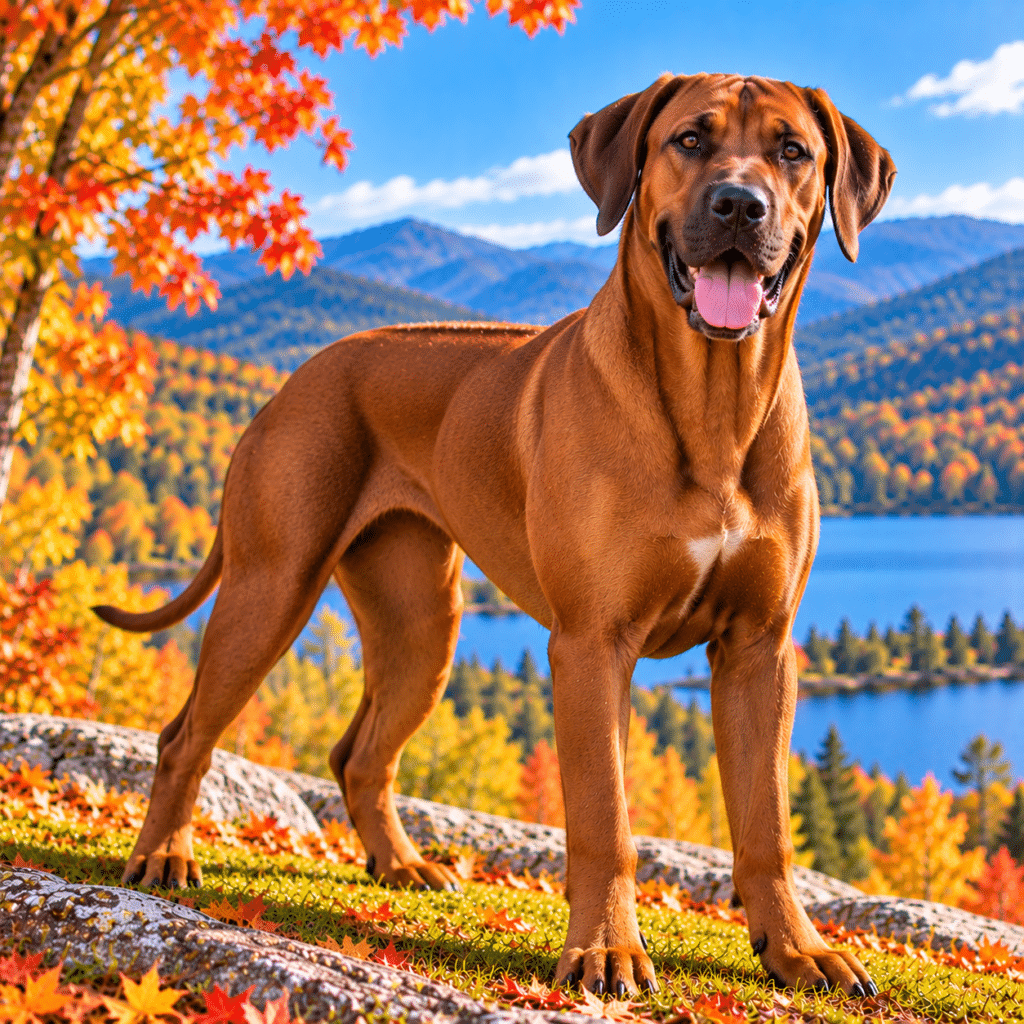
The Rhodesian Ridgeback brings another completely different look to our collection of big dogs.
They’re sleek, muscular and athletic, with a distinctive ridge of hair running in the opposite direction along their backs.
Originally developed in southern Africa, Ridgebacks have a strong, athletic heritage.
Their short coat is easier to maintain than that of many fluffy giants, but their exercise and training needs still deserve careful consideration.
What people love: Athletic build, distinctive ridge and sleek coat.
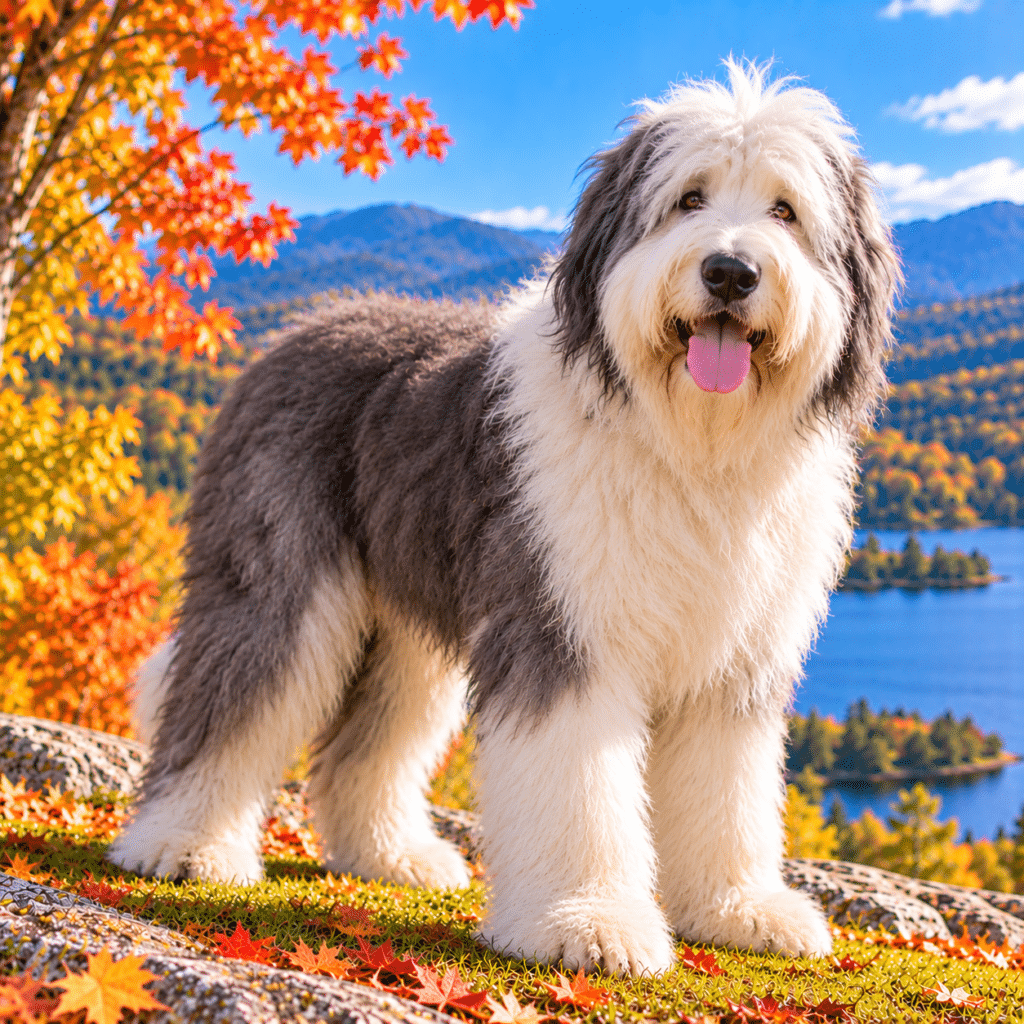
We’ll finish with a dog that’s nearly impossible to mistake for anything else.
The Old English Sheepdog’s shaggy coat can make the entire dog look like an enormous walking stuffed animal.
Underneath all that hair, however, is a substantial working breed.
That famous coat requires considerable grooming, so prospective owners should know what they’re signing up for before falling for that irresistible shaggy face.
What people love: Shaggy appearance, playful expression and unmistakable personality.
It’s easy to fall in love with a photograph of a giant fluffy Newfoundland or an elegant Great Dane.
Living with one is different.
Large dogs generally mean larger food bills, bigger beds and crates, more powerful bodies to handle, and potentially higher costs for medications and other supplies. Training also becomes especially important when your dog is strong enough to pull an adult off balance.
And breed alone doesn’t guarantee personality. Individual dogs vary, and upbringing, socialization, training, health and life experiences all play a role.
Before choosing any breed, look beyond size and appearance. Consider its exercise needs, grooming, temperament, trainability, expected health concerns and whether your lifestyle realistically matches what that dog needs.
Big dogs aren’t right for every household.
But for the people who love them, sharing life with a large dog can be something special.
Maybe it’s having an enormous head suddenly appear in your lap. Maybe it’s watching a 100-pound dog carefully squeeze into the smallest available spot beside you. Or perhaps it’s simply knowing that wherever you go in the house, a very large shadow probably isn’t far behind.
They may require more room on the couch.
But somehow, they usually find even more room in our lives.