Newsletter Subscribe
Enter your email address below and subscribe to our newsletter

 ByDiana
Somewhere between a tiny lap dog and a dog that can take up the entire couch is a sweet spot many dog lovers discover: the medium-size dog.
Medium dogs can give you plenty of dog to hug without requiring quite as much space as many large breeds. Some are energetic adventure partners, while others are perfectly happy spending much of the day close to their people.
Of course, “medium” covers quite a range. Depending on who is doing the measuring, medium-sized dogs generally fall somewhere around 25 to 60 pounds. You’ll find everything from short-legged Basset Hounds to athletic Border Collies in that range.
If you’re exploring medium dog breeds, these 19 very different dogs are a great place to start.
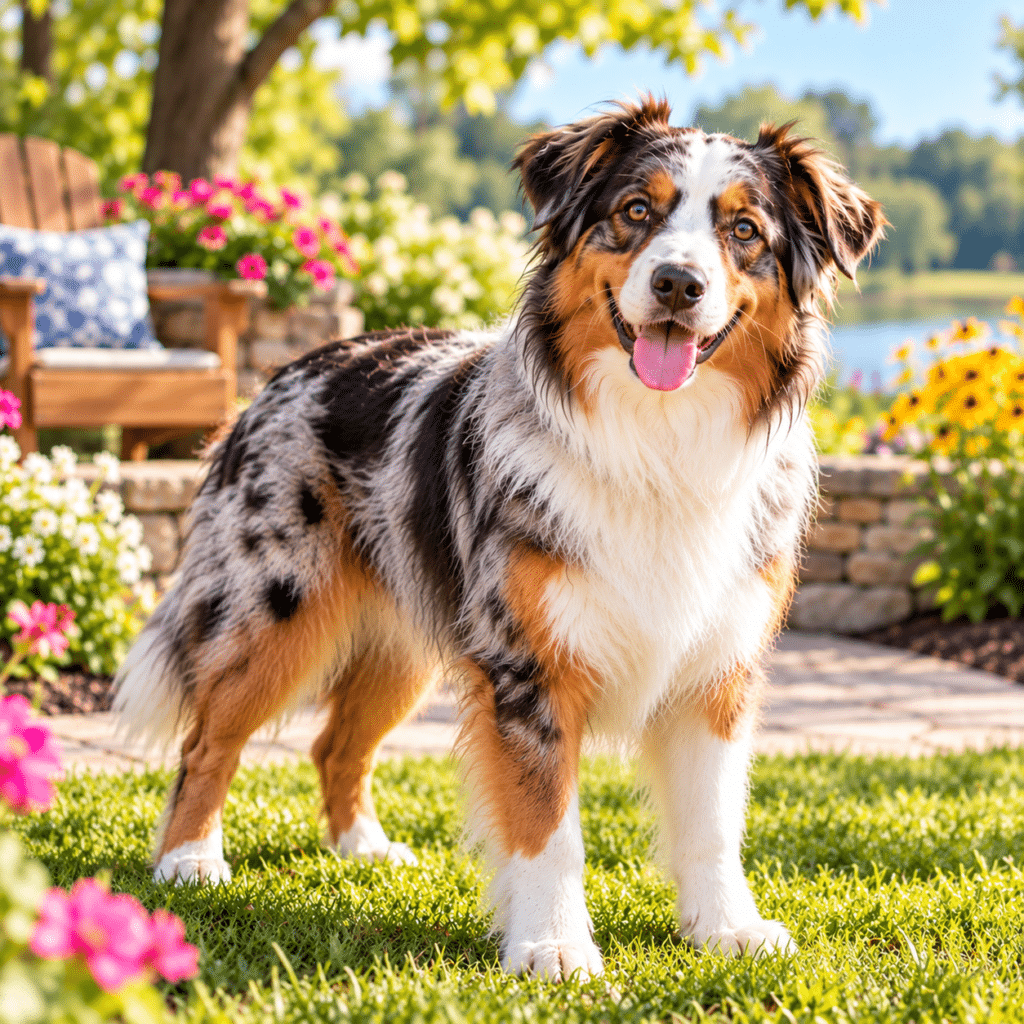
Australian Shepherds are beautiful, intelligent dogs that seem happiest when they have something interesting to do.
Most weigh about 40 to 65 pounds, putting some at the upper end of the medium-size range. Their gorgeous coats come in several colors and patterns, including blue merle, red merle, black and red.
Aussies were developed as working dogs, and that heritage still shows. They tend to be energetic, highly trainable and very connected to their people.
An Australian Shepherd may be a wonderful choice for an active household, but this isn’t usually a dog that will be satisfied with a quick walk around the block followed by an entire day with nothing to do.
Good to know: Mental exercise can be just as important as physical exercise for this clever breed.
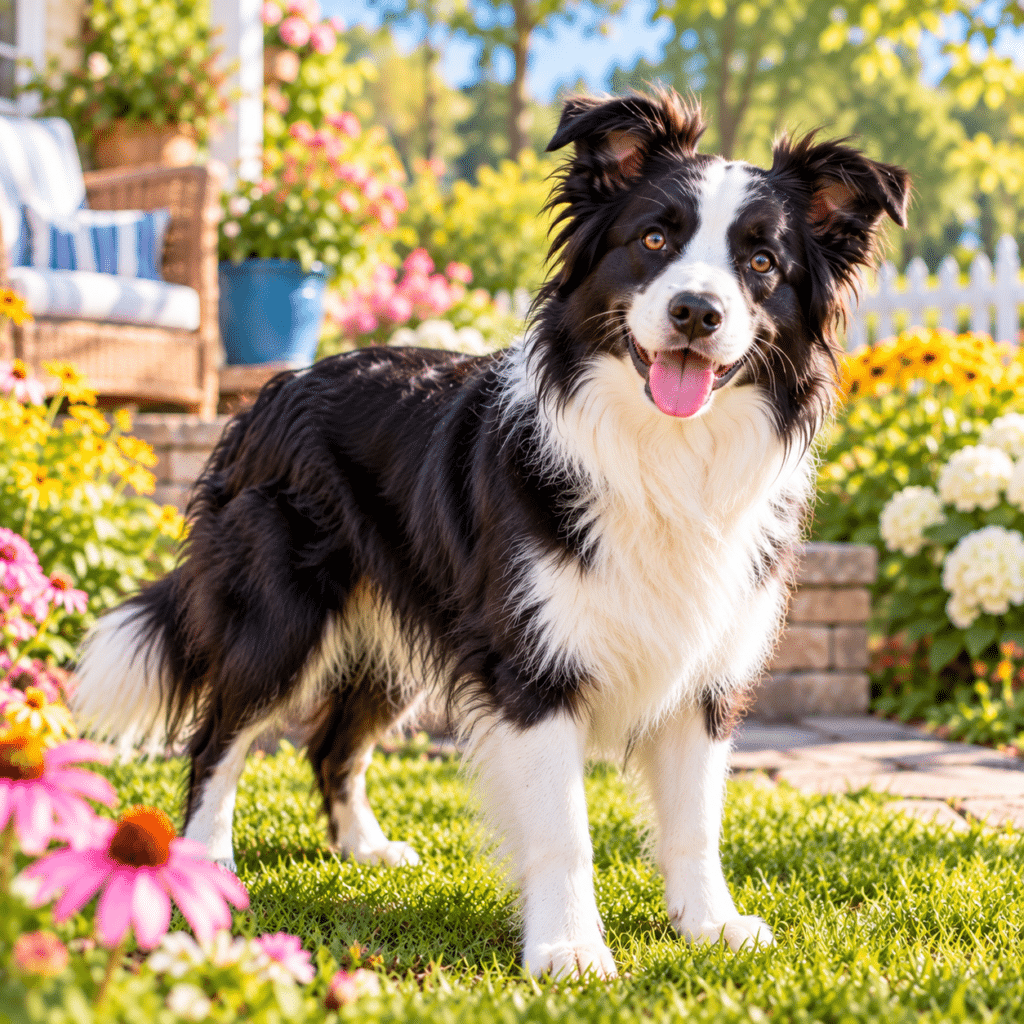
Few breeds have a reputation for intelligence quite like the Border Collie.
Usually weighing about 30 to 55 pounds, these athletic dogs were bred to work livestock and can have an impressive combination of energy, focus and trainability.
Border Collies often thrive with people who enjoy hiking, training, dog sports or other activities that give their dogs a job.
They’re beautiful dogs, but their intelligence comes with responsibility. A bored Border Collie may decide to invent a few activities of their own—and you may not appreciate all of them.
Good to know: This is one of the more demanding medium dog breeds when it comes to exercise and mental stimulation.
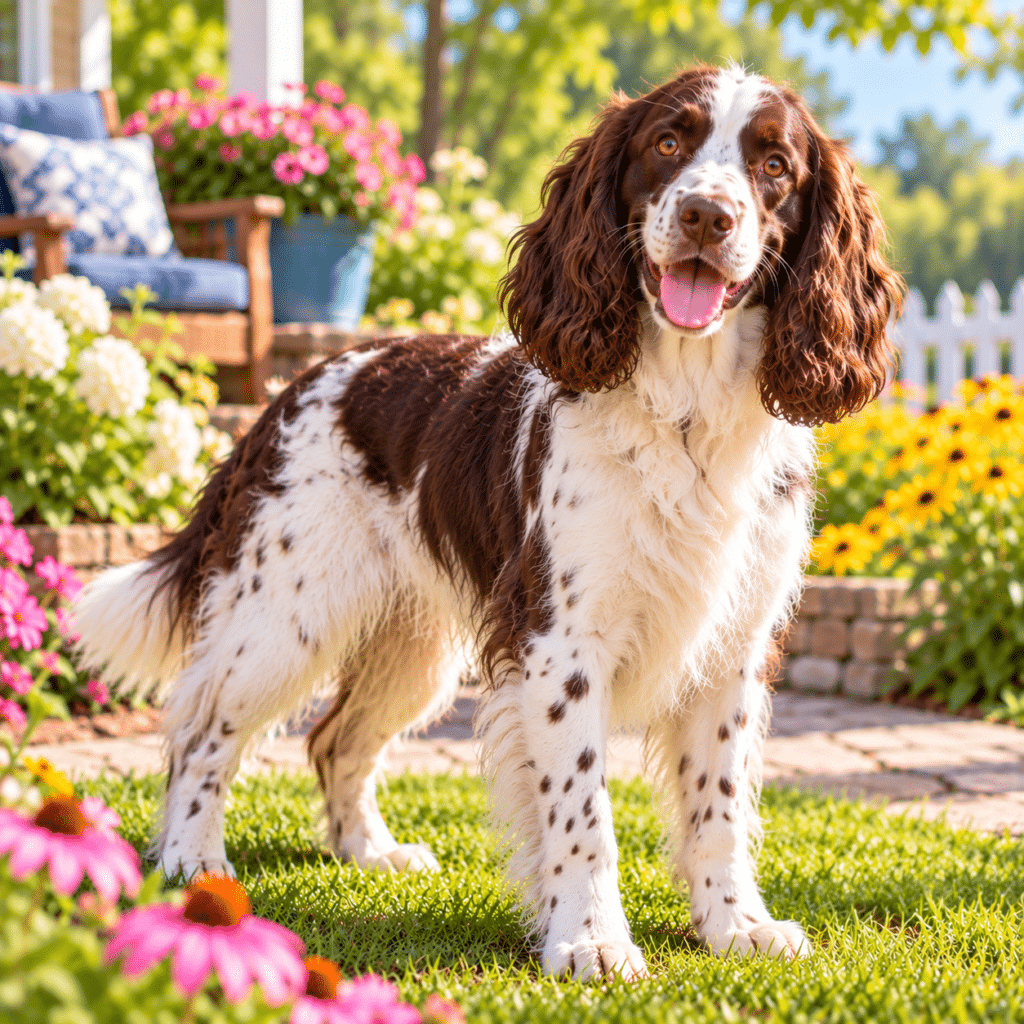
The English Springer Spaniel combines an athletic build with that unmistakably sweet spaniel expression.
Most weigh roughly 40 to 50 pounds. Their feathered coats and long ears give them an elegant appearance, although these dogs aren’t afraid to get dirty when there’s fun to be had outdoors.
Springers tend to be affectionate, energetic and eager to participate in family life. They were bred as sporting dogs, so regular exercise is important.
They can be especially appealing to people who want an active dog that also enjoys being closely involved with the family.
Good to know: Those beautiful ears and coats require regular care.
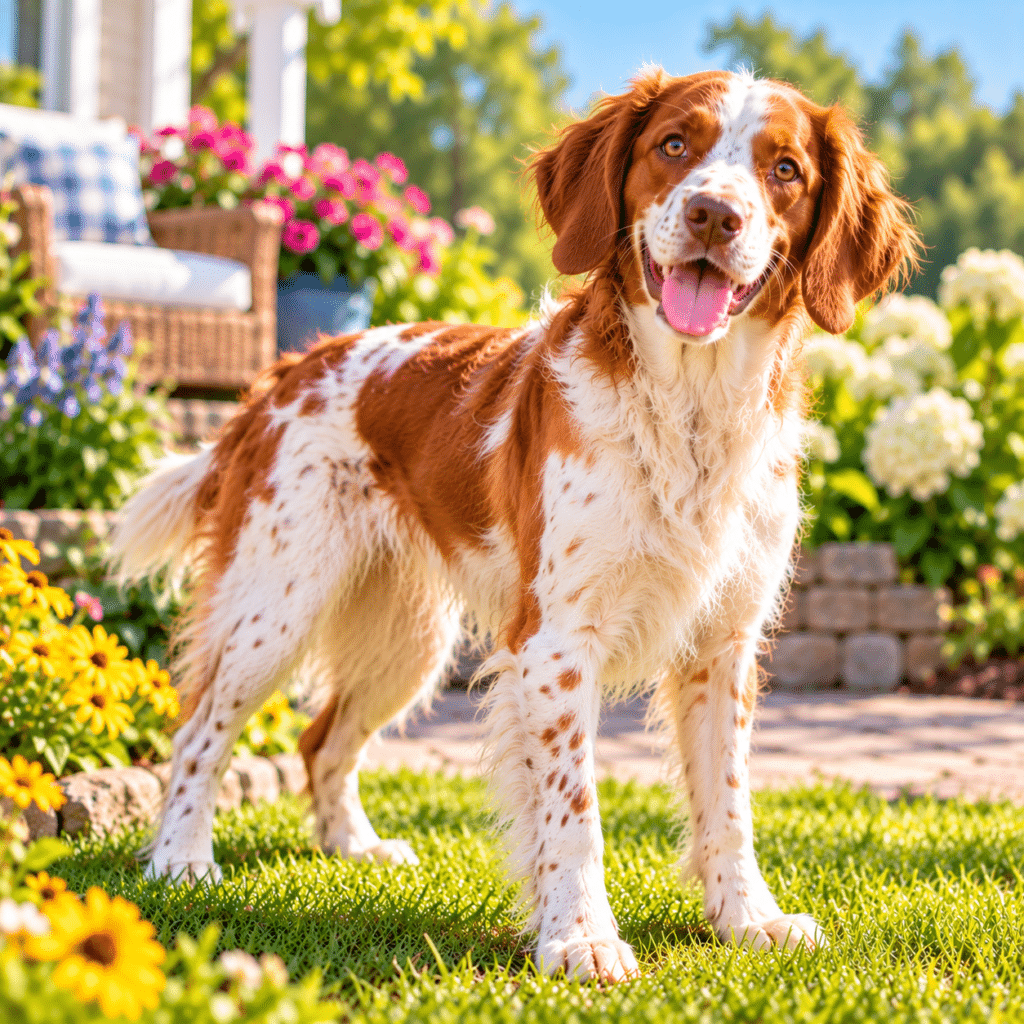
The Brittany is a lively sporting dog that generally weighs around 30 to 40 pounds.
These dogs are athletic without being especially bulky, making them an interesting option for someone who wants a smaller sporting companion.
Brittanys tend to be energetic, affectionate and enthusiastic. A walk is good; a chance to run, explore and use their nose is even better.
Their orange-and-white or liver-and-white coats also make them particularly striking dogs.
Good to know: Brittanys generally do best with an active lifestyle and plenty of opportunities to exercise.
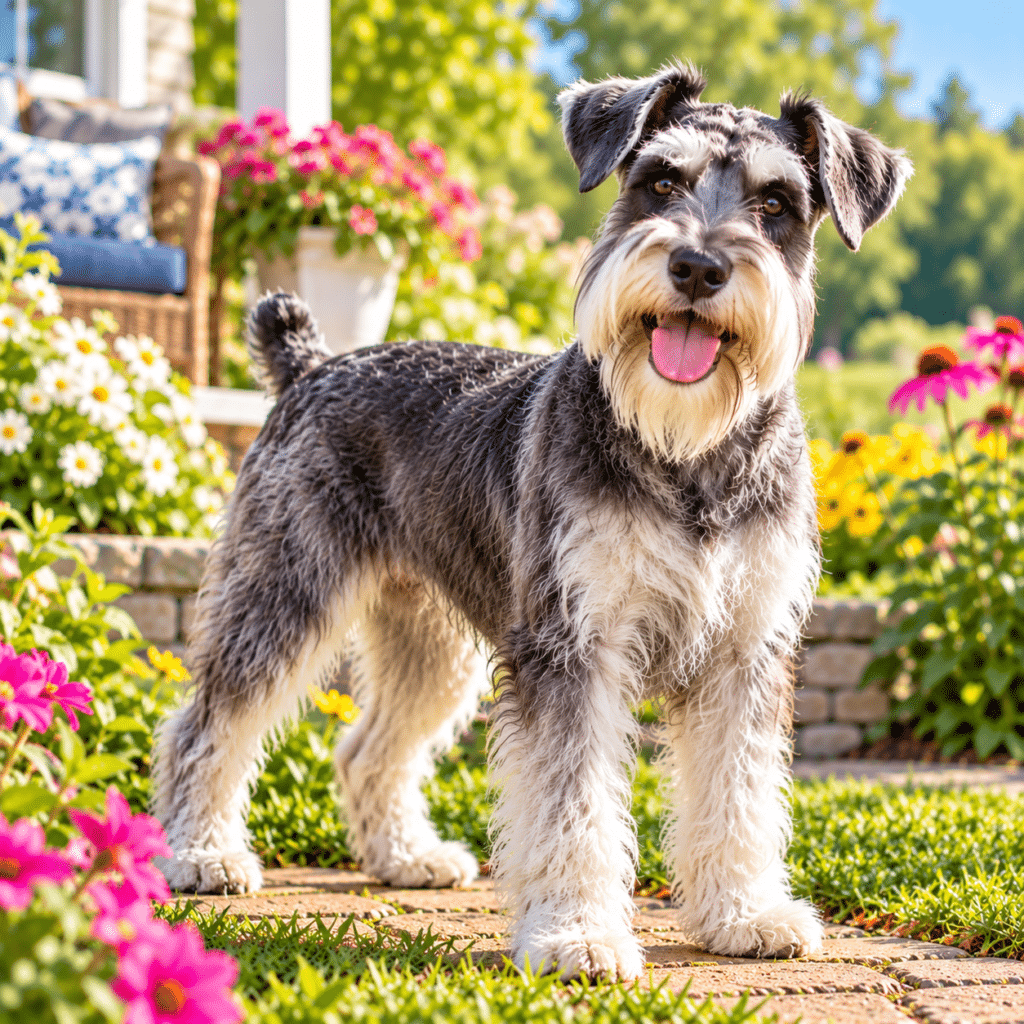
With those unmistakable eyebrows and whiskers, it’s difficult to mistake a Standard Schnauzer for anything else.
Standard Schnauzers generally weigh around 30 to 50 pounds. They’re sturdy, intelligent dogs with plenty of personality packed into their medium-size bodies.
They tend to be alert and energetic and can be very devoted to their families. Their wiry coats also shed differently from many traditional double-coated breeds, although they still require regular grooming.
Good to know: Consistent training helps channel that independent Schnauzer personality in a positive direction.
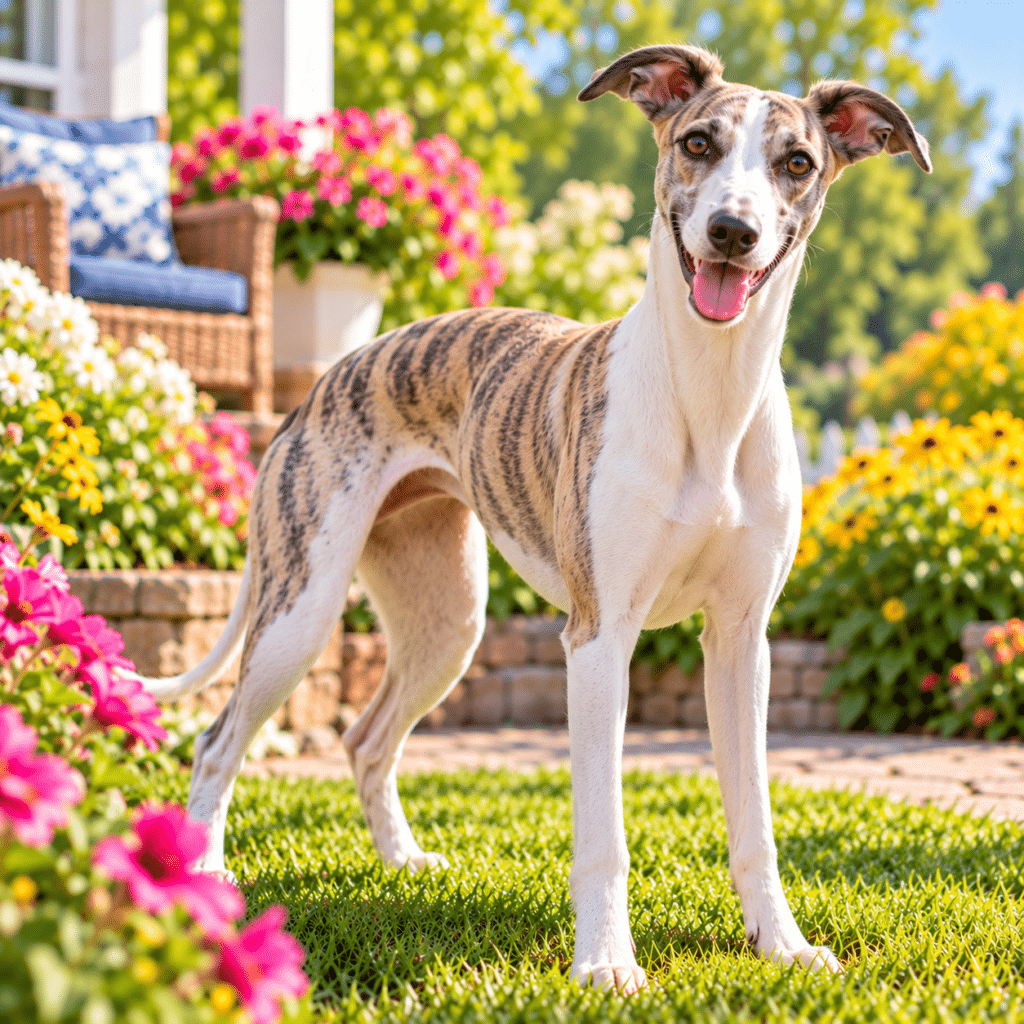
If you like the elegant appearance of a Greyhound but want something smaller, meet the Whippet.
Most Whippets weigh around 25 to 40 pounds. They’re incredibly fast when they run, but one of their surprises is how much many enjoy relaxing at home.
After an opportunity to stretch their legs, a Whippet may be perfectly content curling up somewhere soft for a long nap.
Their short coats are easy to maintain, although their lean bodies and thin coats mean they can be sensitive to cold weather.
Good to know: Whippets can have a strong instinct to chase, so secure areas are important when they’re off leash.
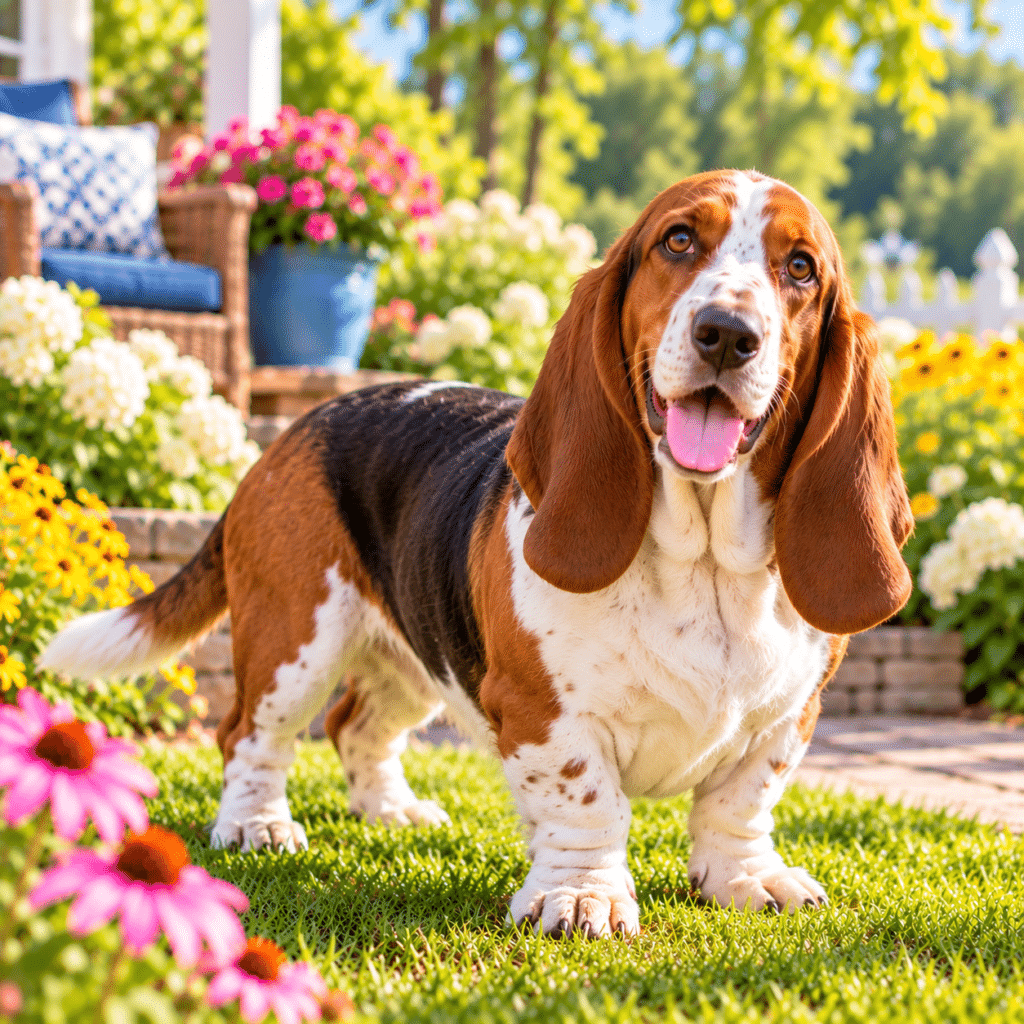
Nobody does the sad-eyed expression quite like a Basset Hound.
Those short legs can make Bassets look smaller than they really are. Many weigh around 40 to 65 pounds, making them surprisingly substantial dogs.
Basset Hounds are scent hounds, and their noses can have a powerful influence over where they think a walk should go. They tend to have a more laid-back personality than many of the athletic breeds on this list.
Those wonderful long ears, loose skin and sturdy bodies also require some routine care.
Good to know: Don’t underestimate a Basset just because the legs are short. There’s a lot of dog above them.
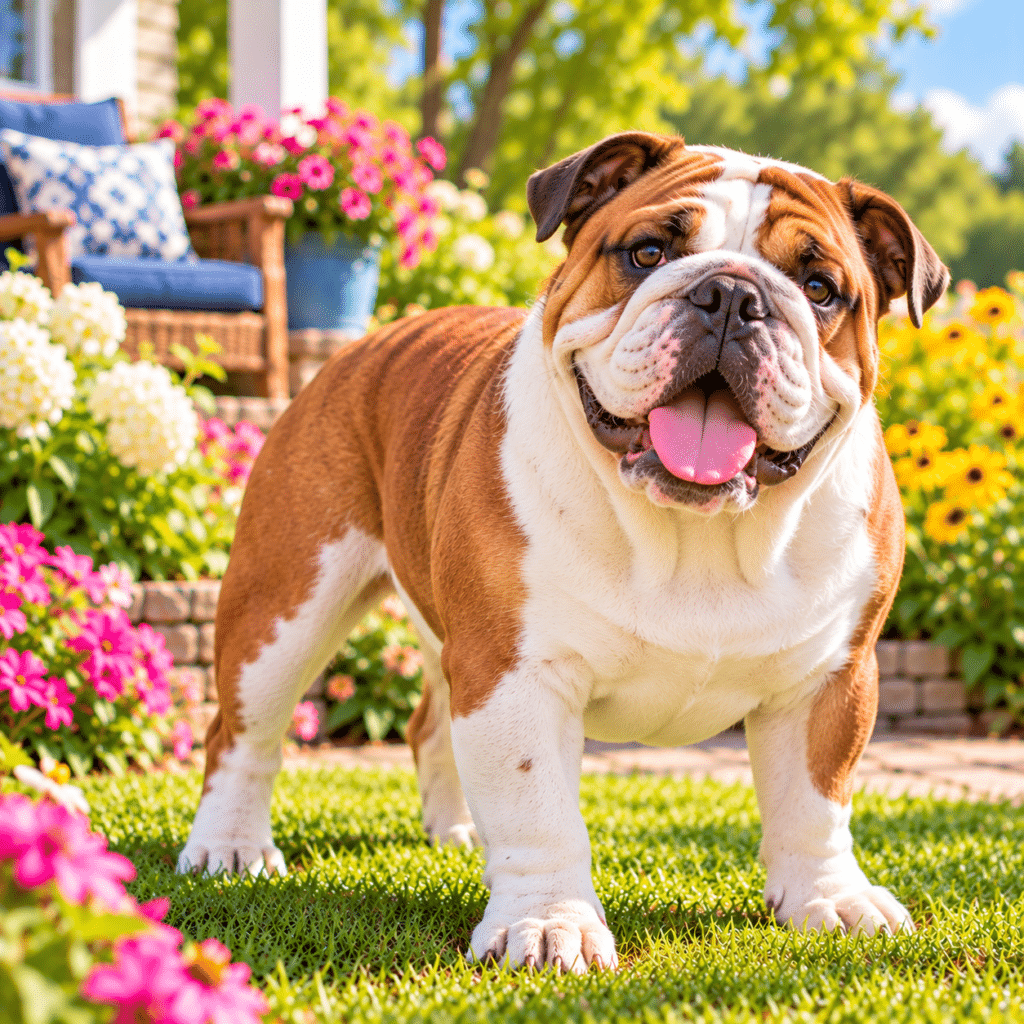
The English Bulldog packs plenty of personality into a compact, muscular body.
Many weigh around 40 to 50 pounds. They generally don’t require the same level of vigorous exercise as breeds such as Border Collies or Australian Shepherds.
Bulldogs are often affectionate and wonderfully expressive, but their distinctive body shape and short muzzle can be associated with significant health concerns.
Anyone considering one should take those potential veterinary needs seriously and be especially cautious about heat.
Good to know: This is a breed where responsible breeding and careful health research are particularly important.
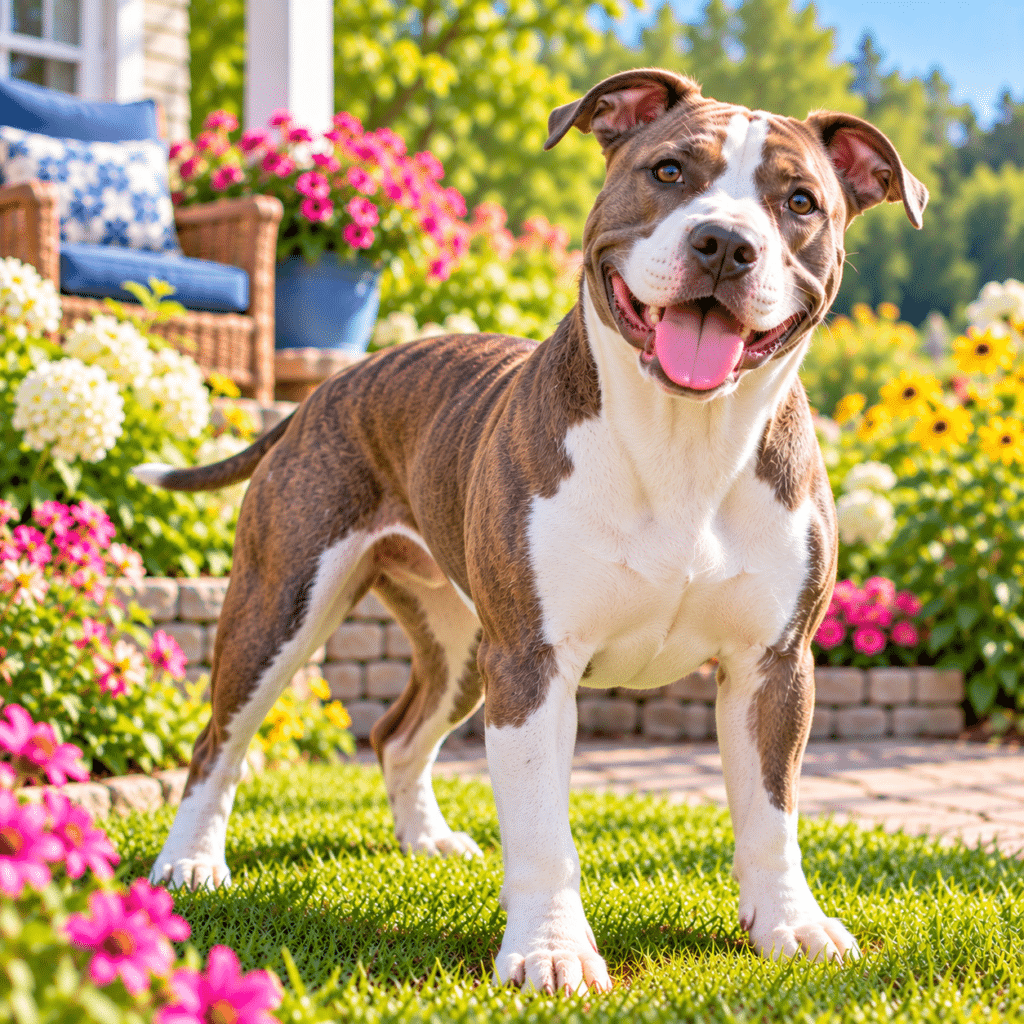
Strong, muscular and people-oriented, the American Staffordshire Terrier generally weighs around 40 to 70 pounds.
These dogs can be affectionate and playful companions in the right home. Their strength makes good training and socialization especially important.
Individual temperament matters enormously, and responsible ownership includes understanding how a particular dog behaves around unfamiliar people and other animals.
Potential owners should also check local housing, insurance and breed-specific rules before bringing one home.
Good to know: Their short coat is relatively easy to care for, but their powerful build shouldn’t be underestimated.
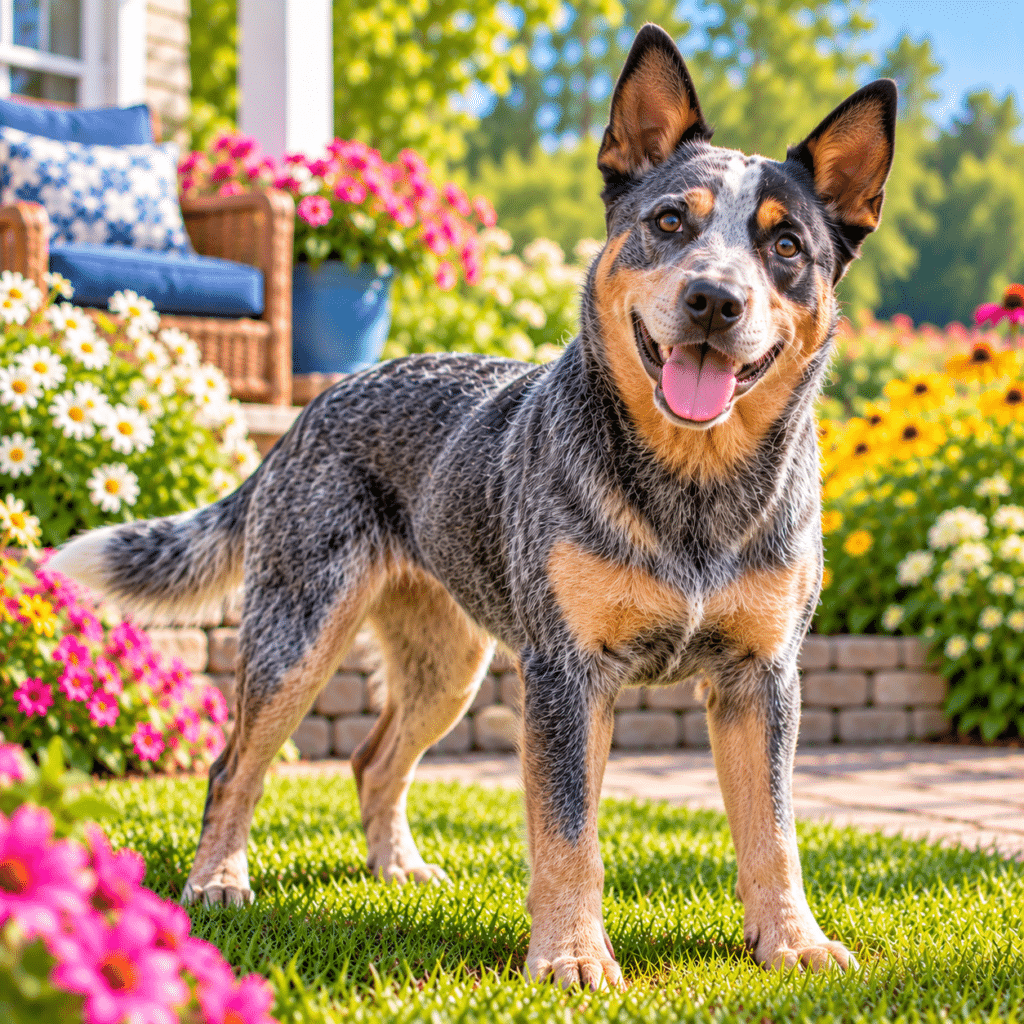
The Australian Cattle Dog is a compact working dog with energy to spare.
Usually weighing around 35 to 50 pounds, these dogs were developed for demanding livestock work. They’re intelligent, tough and often deeply devoted to their people.
Their blue- or red-speckled coats make them instantly recognizable.
An Australian Cattle Dog can be a terrific companion for someone who wants an active, trainable dog. For a household looking for a quiet couch companion, however, that working-dog intensity may be more than expected.
Good to know: Give this dog both physical exercise and something that makes them think.
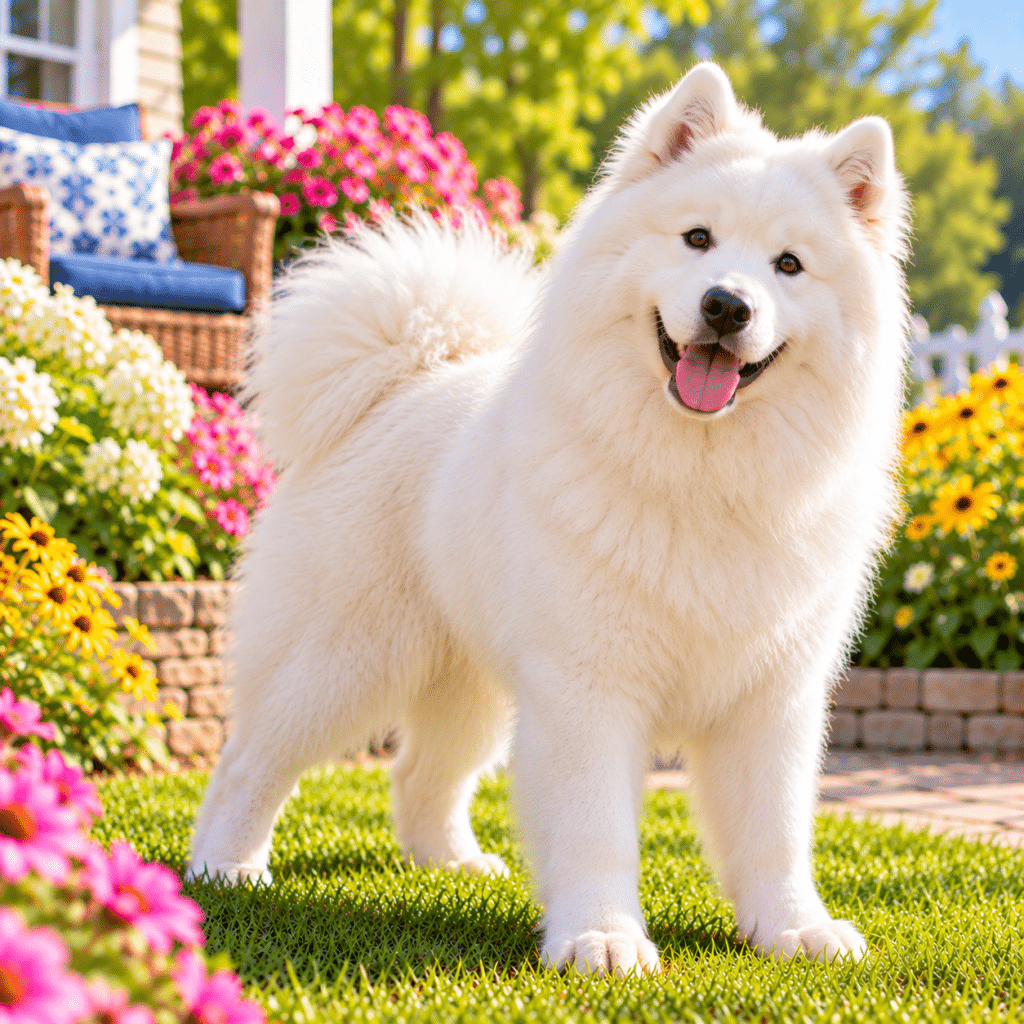
That enormous white coat can make a Samoyed look much larger than the number on the scale.
Females are often around 35 to 50 pounds, while males can reach about 45 to 65 pounds. That puts the breed right along the line between medium and large.
Samoyeds are known for their fluffy white coats, curled tails and famously cheerful expressions. They tend to be social, energetic dogs that enjoy being part of family activities.
That spectacular coat doesn’t maintain itself, though.
Good to know: Expect considerable grooming—and plenty of white hair.
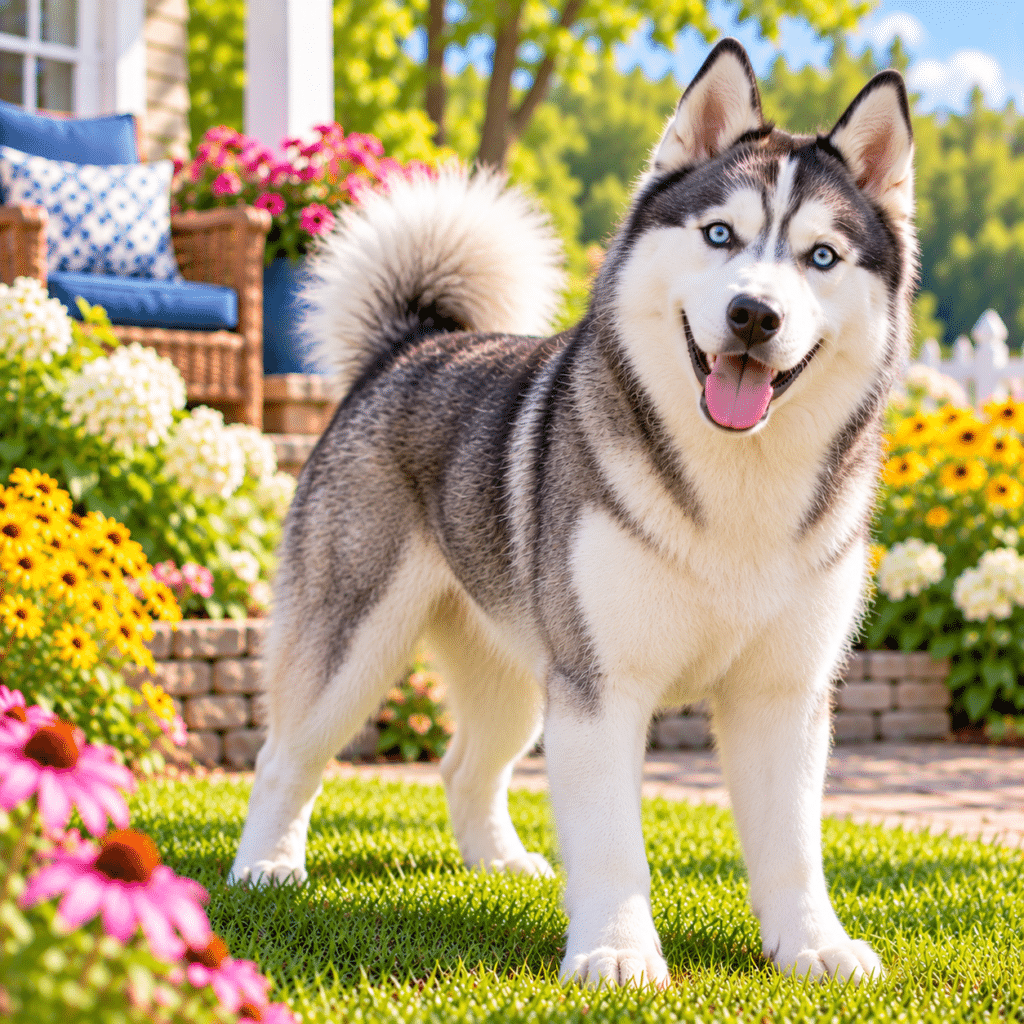
Siberian Huskies are beautiful dogs with a reputation for energy, independence and more than a little mischief.
Females often weigh around 35 to 50 pounds, while males are commonly around 45 to 60 pounds.
Huskies were developed for endurance, and they still tend to need considerable exercise. They’re also famous escape artists, so secure fencing and careful supervision can be important.
Their thick double coats shed heavily, particularly during seasonal coat changes.
Good to know: Those beautiful blue or brown eyes can be persuasive, but make sure you’re prepared for the energy behind them.
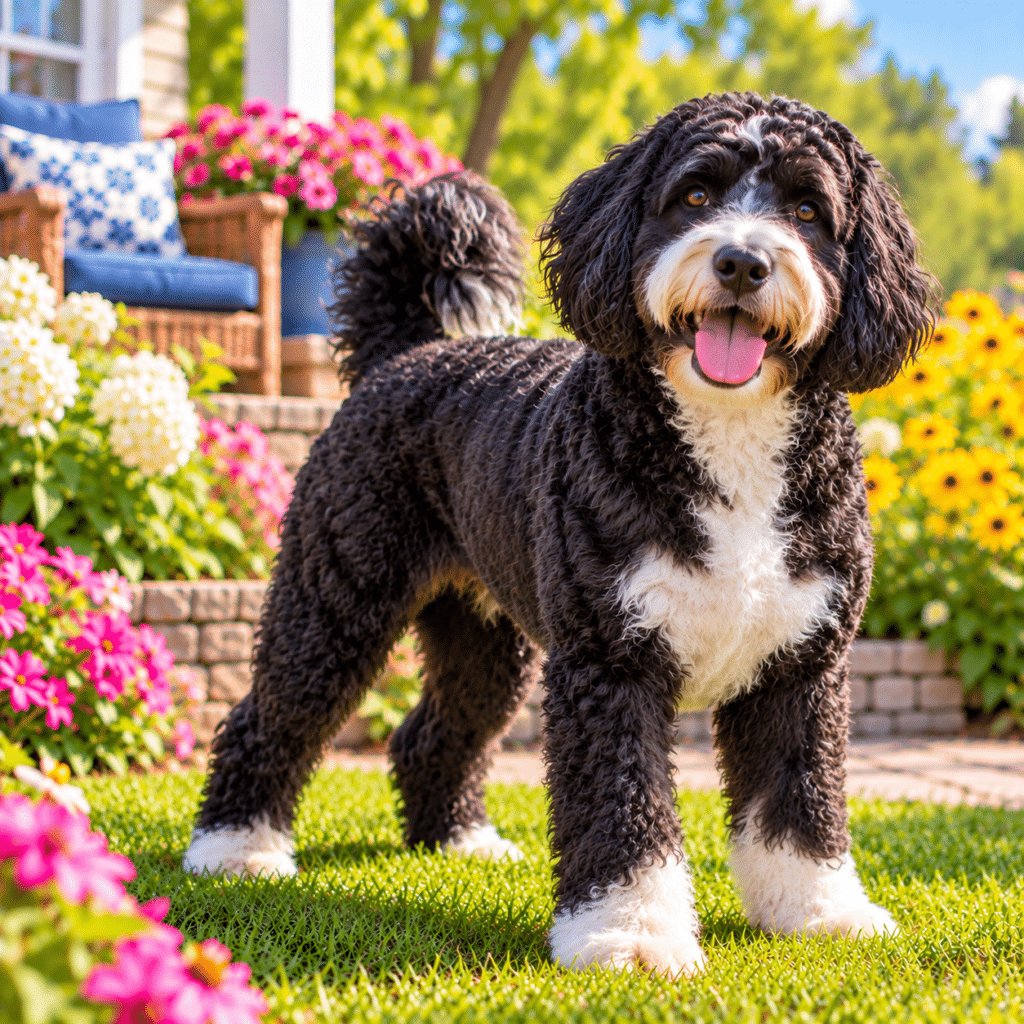
Portuguese Water Dogs are athletic, curly-coated dogs originally developed to help fishermen.
Most weigh roughly 35 to 60 pounds. They’re intelligent, energetic and generally happiest when they’re included in family activities.
Their coats shed relatively little compared with many breeds, which contributes to their popularity with some allergy-conscious households. However, no dog is truly guaranteed to be hypoallergenic.
And less shedding doesn’t mean less grooming—their coats require regular maintenance.
Good to know: These are active working dogs underneath all those curls.
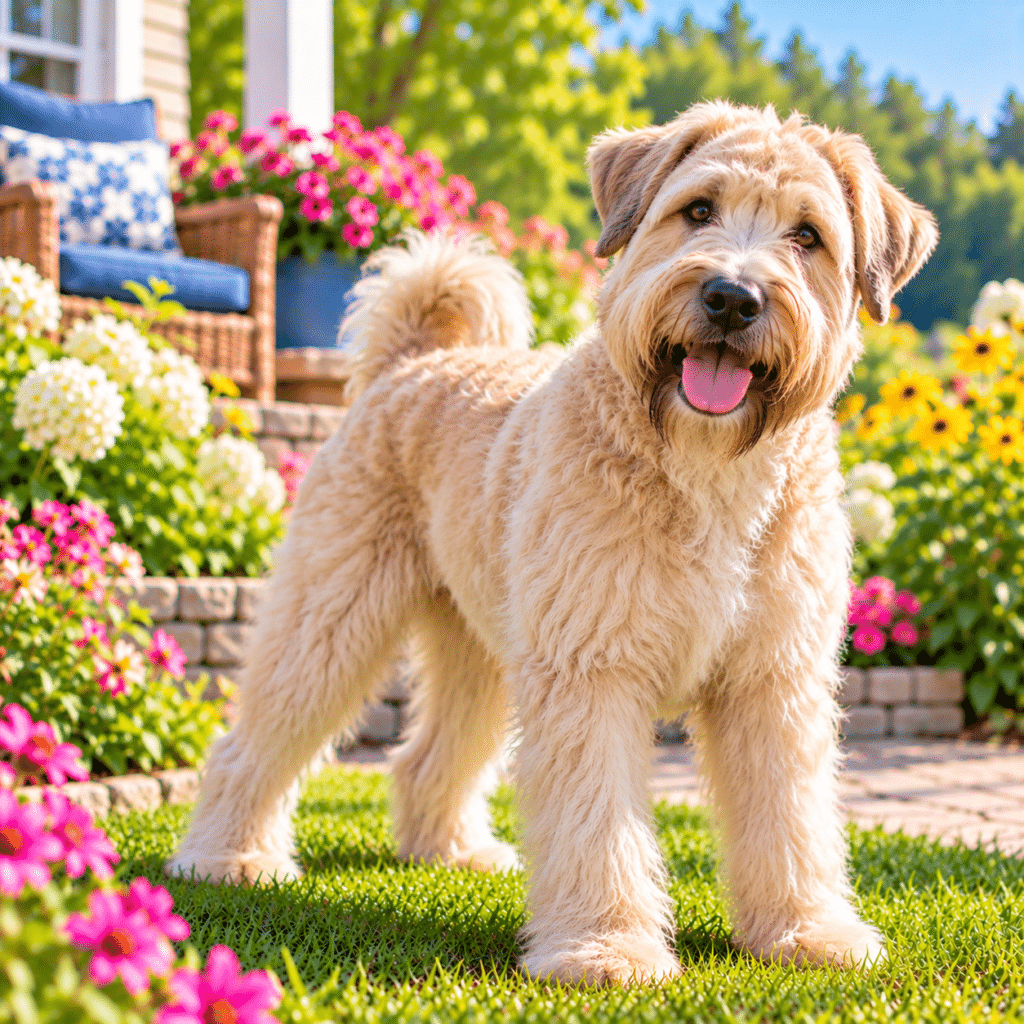
The Soft Coated Wheaten Terrier is named for its soft, flowing coat, which comes in warm shades of wheaten.
Most weigh around 30 to 40 pounds.
Wheatens tend to be cheerful, energetic dogs with the lively personality you might expect from a terrier. Many are enthusiastic greeters and love being involved with their families.
Their beautiful coats shed relatively little but need regular brushing and grooming to prevent tangles.
Good to know: If you want a calm, perfectly dignified greeting at the front door, a young Wheaten may have other plans.
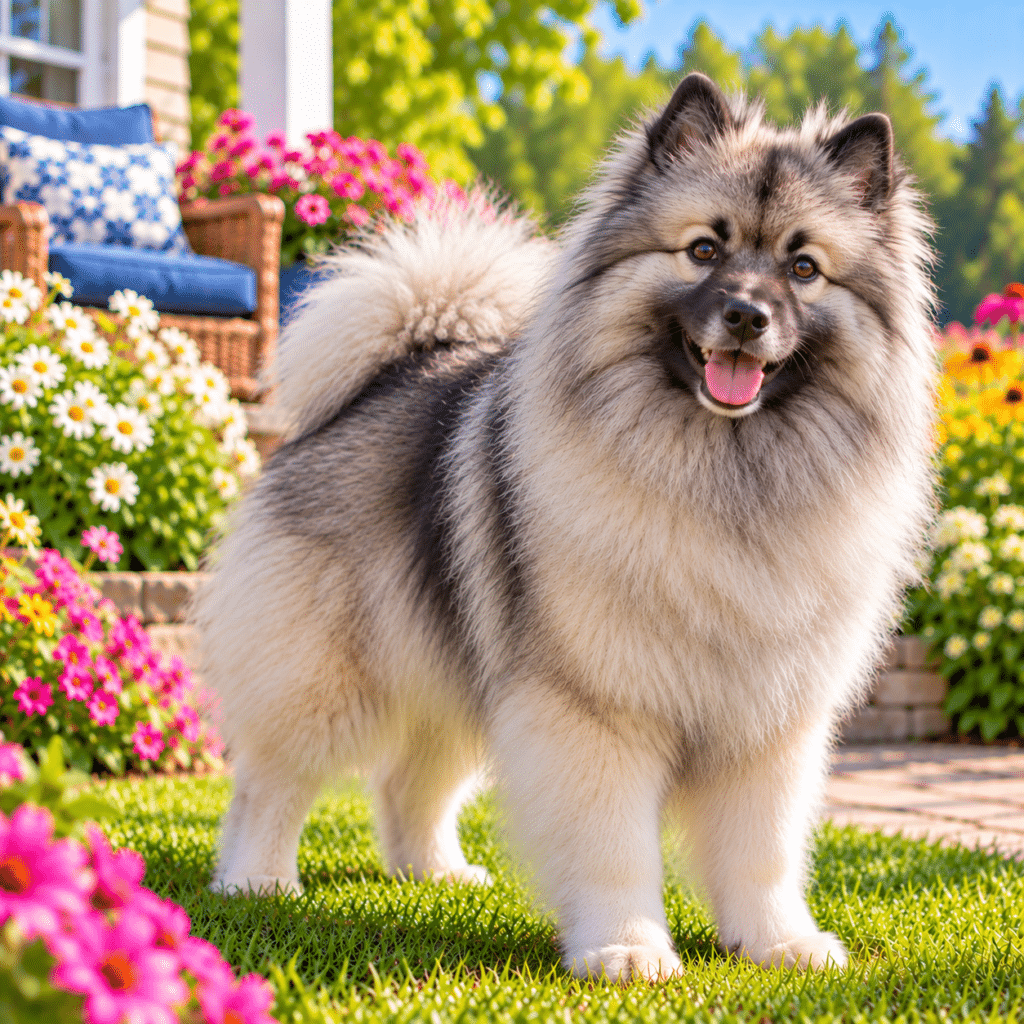
The Keeshond looks a little like a fluffy gray cloud with a smiling face.
Usually weighing around 35 to 45 pounds, these dogs are known for their thick coats, curled tails and distinctive markings around the eyes that resemble spectacles.
Keeshonden were bred largely as companions and watchdogs rather than high-intensity working dogs. They tend to enjoy being close to their families and may not appreciate spending long periods alone.
Their abundant double coats require regular brushing.
Good to know: If you love fluffy dogs but don’t want a giant breed, the Keeshond is certainly worth discovering.
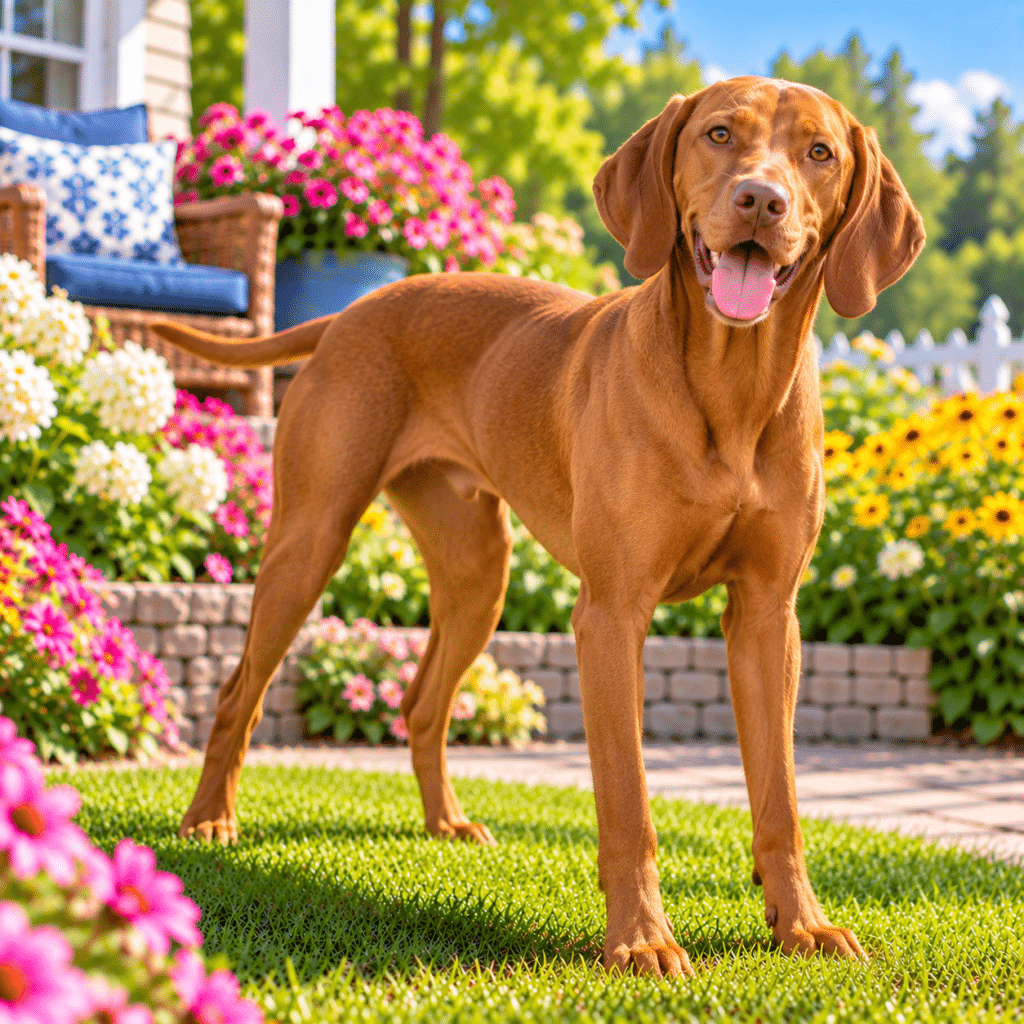
The sleek, rust-colored Vizsla is an athletic sporting breed that usually weighs around 44 to 60 pounds.
Vizslas are often described as particularly affectionate dogs. Many want to be close to their people—not simply in the same room, but sometimes practically attached to them.
They’re energetic dogs that generally need plenty of exercise and opportunities to run and explore.
Their short coats are easy to maintain, but their exercise requirements are considerably more demanding.
Good to know: A Vizsla can be a wonderful match for an active person who wants a very close canine companion.
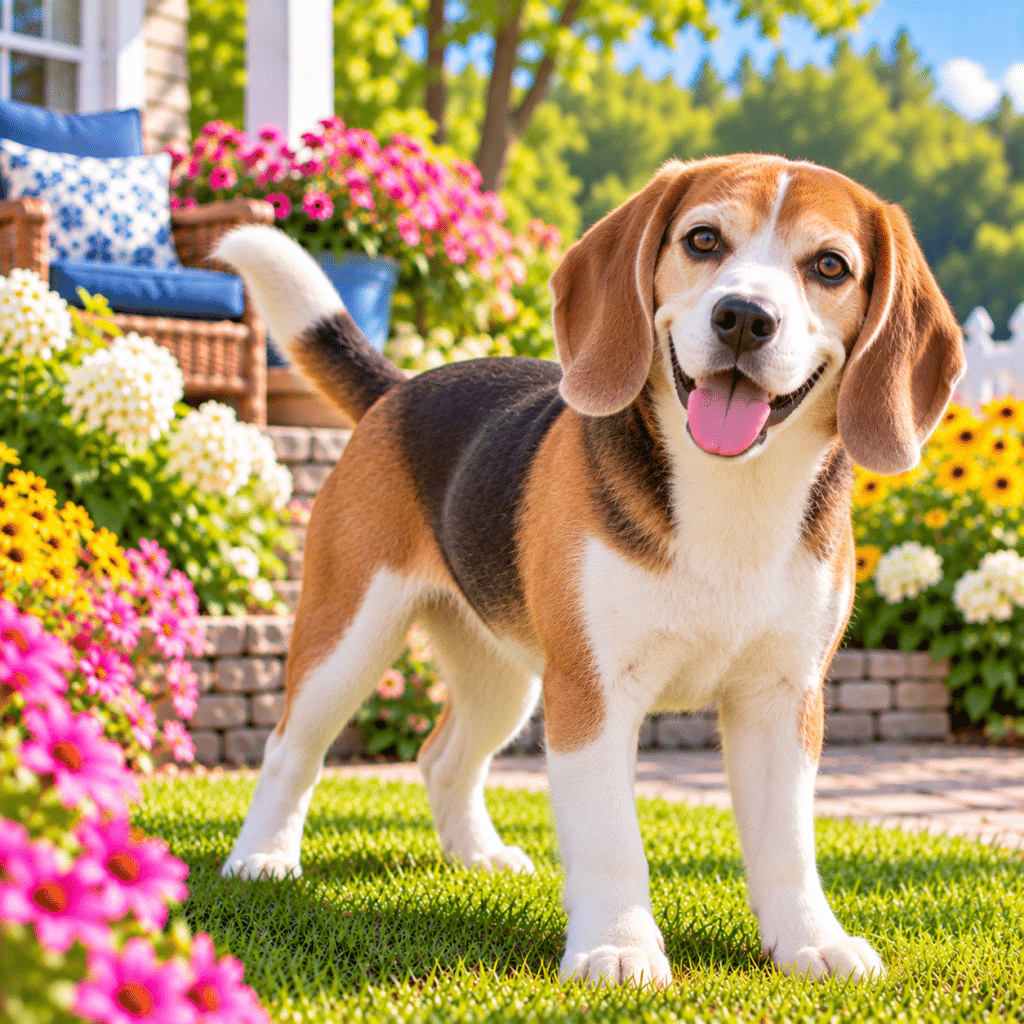
Beagles sit near the smaller end of our medium sized dogs, generally weighing under 30 pounds depending on their height and build.
They’re friendly-looking scent hounds with expressive faces, floppy ears and noses that rarely seem to take a day off.
Beagles can be playful, affectionate and entertaining companions, but following an interesting scent may suddenly become more important than listening to you.
Secure fencing and leash safety are important.
Good to know: Beagles can also be quite vocal. That famous hound voice isn’t exactly a whisper.
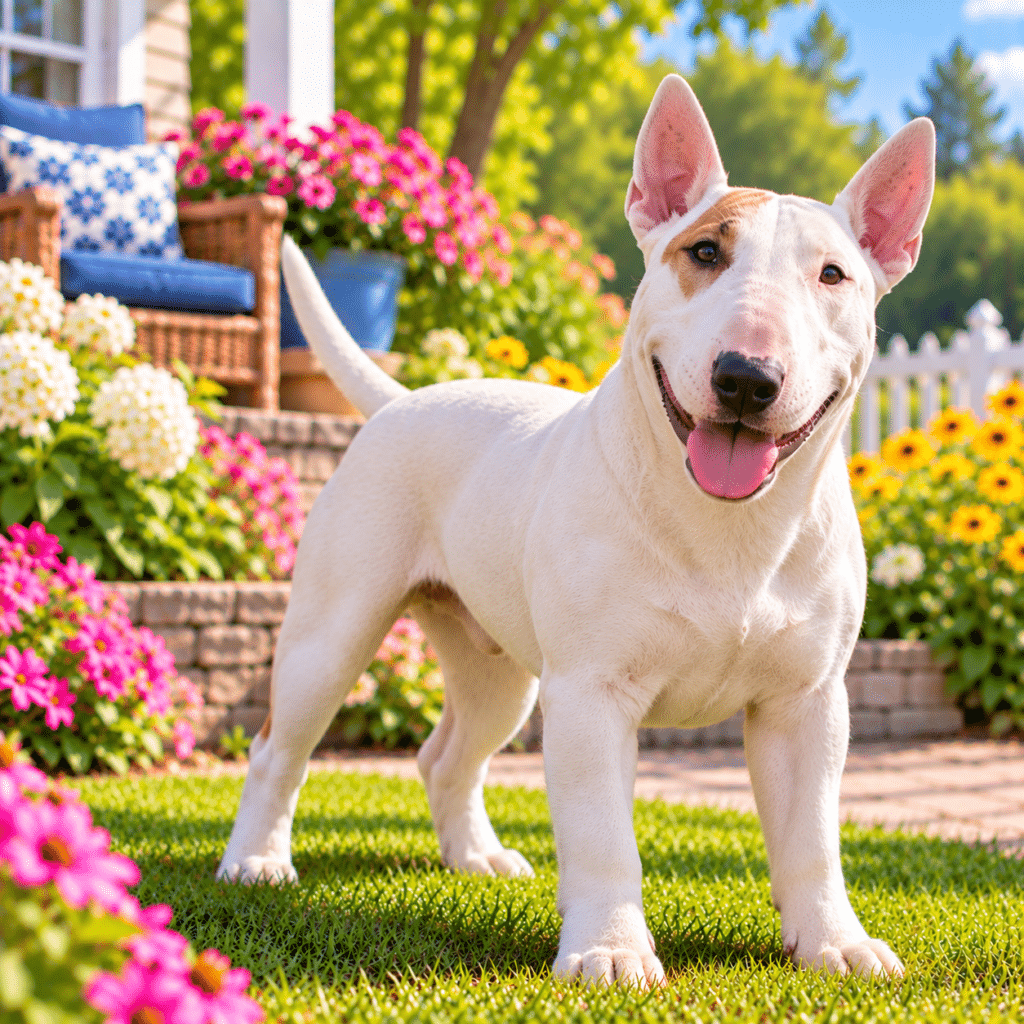
With an egg-shaped head and small triangular eyes, the Bull Terrier has one of the most recognizable faces in the dog world.
Standard Bull Terriers can weigh roughly 50 to 70 pounds, placing many toward the upper edge of the medium-size category.
They’re strong, playful dogs that can have a comical streak and plenty of enthusiasm. Early socialization, consistent training and appropriate exercise are important.
This is another breed where prospective owners should research local housing and insurance restrictions.
Good to know: A Bull Terrier’s muscular appearance can look serious, but these dogs are also well known for being entertaining characters.
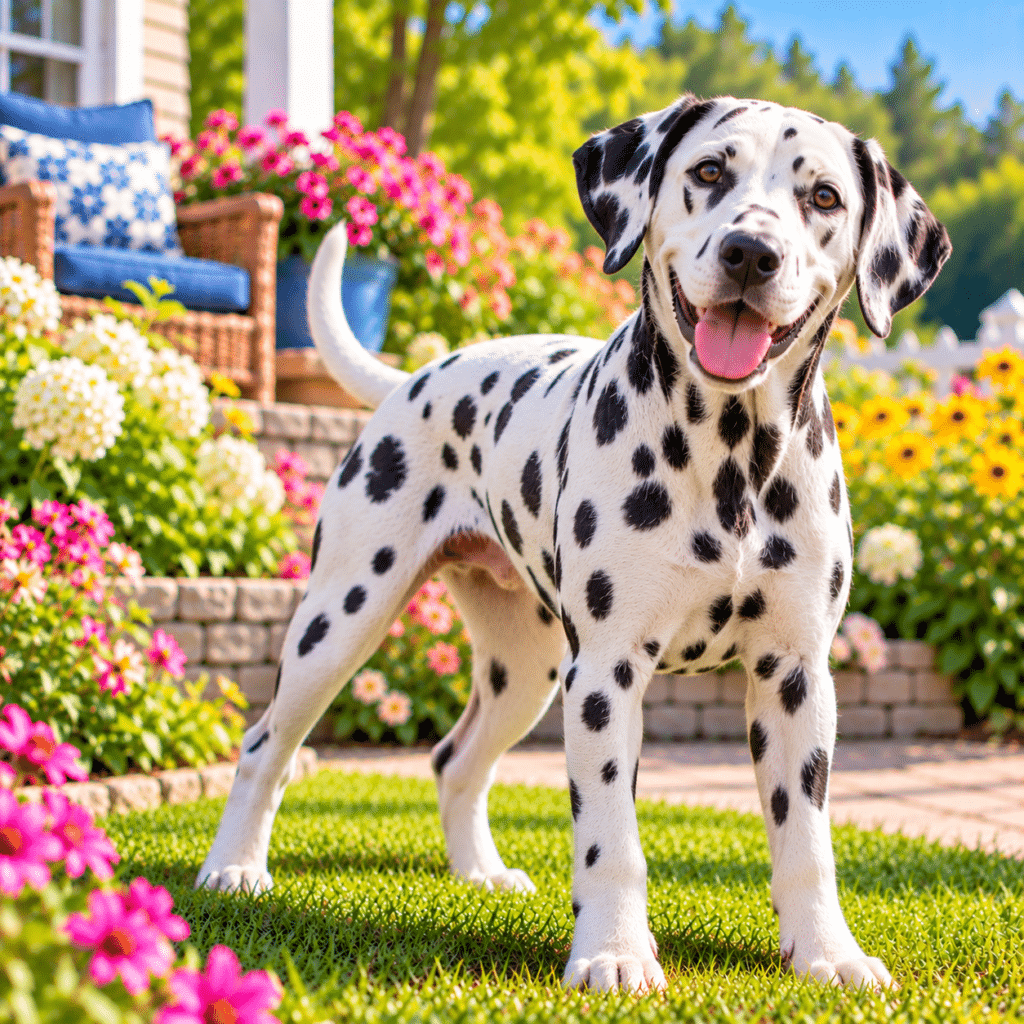
Few dogs are as instantly recognizable as the Dalmatian.
Those famous black or liver-colored spots cover an athletic dog generally weighing around 45 to 70 pounds.
Dalmatians have a long history as carriage dogs, and that athletic heritage remains evident today. They tend to have considerable stamina and generally need regular exercise.
They’re intelligent and striking, but they aren’t necessarily an easy choice simply because someone fell in love with those spots.
Good to know: Dalmatians have some breed-specific health considerations, including an increased risk of deafness and urinary stone problems, so responsible breeding and veterinary care matter.
There isn’t one official dividing line between small, medium and large dogs.
That’s why you’ll see breeds such as the Beagle, Samoyed and Dalmatian classified differently depending on the source. Weight isn’t the whole story, either. Height, bone structure and overall build can make two dogs of the same weight feel very different in everyday life.
Instead of getting too caught up in labels, think about what the dog’s actual size means for your household.
Can you comfortably handle the dog on a leash? Will the dog fit in your vehicle? Do you have enough room for an appropriately sized bed and crate? Could you safely help the dog into a vehicle if they were injured or elderly?
Those questions often matter much more than whether someone calls the breed medium or large.
One of the biggest advantages of looking at medium dog breeds is just how much variety you’ll find.
But don’t choose a dog based on size alone.
A 35-pound Border Collie may need considerably more activity than a much heavier Basset Hound. A short-coated Whippet has very different grooming needs from a fluffy Keeshond. And an Australian Cattle Dog brings a very different personality to the household than an English Bulldog.
Before choosing any breed, consider exercise requirements, grooming, trainability, temperament, health concerns and how much time the dog is likely to spend alone.
And remember that breed tendencies are only guidelines. Every dog is an individual.
Small dogs have plenty of devoted fans. So do the gentle giants.
But medium dogs offer something pretty special in between.
They’re large enough for people who want a sturdy companion for walks and adventures, yet many are still manageable in homes where a 100-pound dog would simply be too much.
Whether your idea of the perfect dog is a fluffy Keeshond, speedy Whippet, cheerful Springer Spaniel or determined little Beagle, there may be a medium-size companion that feels just right.
And once that dog moves into your home, chances are you’ll stop thinking about whether they’re small, medium or large anyway.
They’ll just be your dog.