Newsletter Subscribe
Enter your email address below and subscribe to our newsletter

 ByDiana
Some dogs can sleep through a thunderstorm but somehow hear a delivery truck three houses away.
Others seem to consider it their personal responsibility to announce every visitor, unfamiliar noise and suspicious-looking squirrel.
That’s the wonderful—and sometimes noisy—world of watchdogs.
A good watchdog doesn’t necessarily have to be big, intimidating or particularly brave. In fact, some of the smallest dogs are among the quickest to sound the alarm when something unusual happens.
If you’re curious about watchdog breeds, these 15 dogs are known for being alert, observant and ready to let their families know when something catches their attention.
Before looking at the breeds, there’s an important distinction worth understanding.
A watchdog alerts its family to something unusual, usually by barking. Its job is to notice and announce, not necessarily to confront anyone.
A guard dog, on the other hand, may have protective instincts and the physical ability to deter a threat. Some working dogs are trained for specific protection tasks, but that requires careful professional handling.
Many wonderful watchdogs are friendly family companions who simply happen to be very good at noticing things.
And that’s exactly what we’re celebrating here.
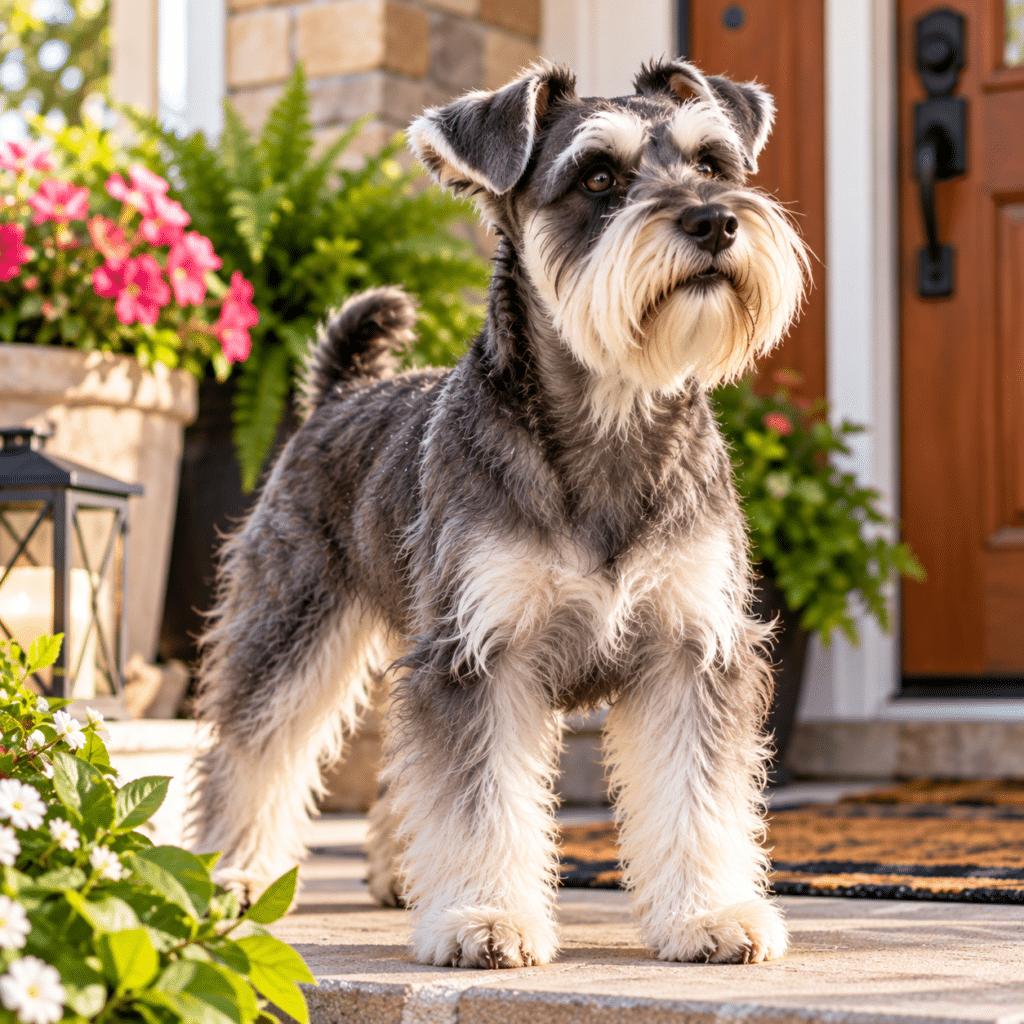
The Miniature Schnauzer may be small, but very little escapes its attention. With those distinctive eyebrows, wiry beard and alert expression, this breed often looks as though it’s carefully evaluating everything happening around the house.
Miniature Schnauzers are intelligent, spirited dogs that tend to take their surroundings seriously. Many will quickly announce a visitor, unfamiliar sound or unexpected movement outside.
They’re affectionate companions, too, although their enthusiasm for barking makes consistent training especially helpful.
Size: Small
Coat: Wiry double coat
Known for: Alertness, intelligence and enthusiastic barking
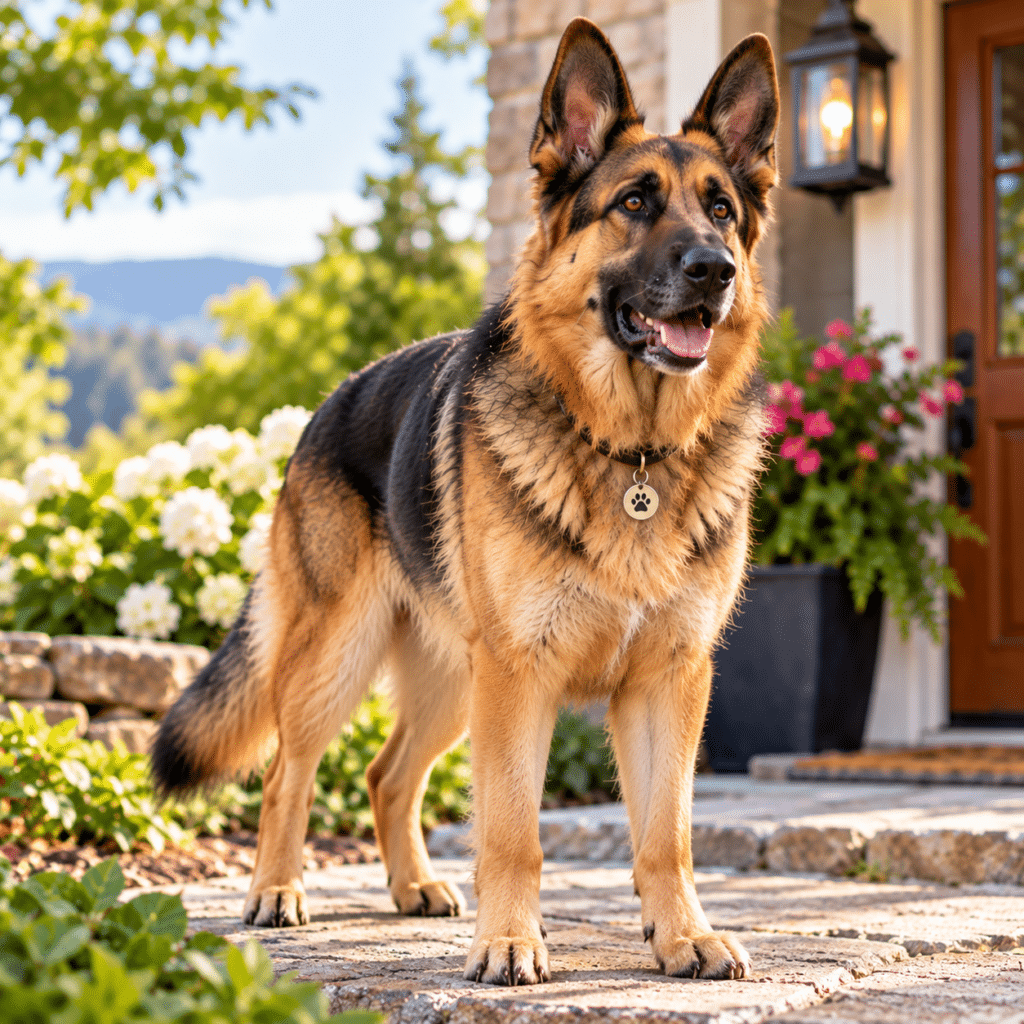
The German Shepherd is one of the most recognizable working dog breeds in the world. Its upright ears, attentive expression and natural awareness make it an excellent example of a dog that notices what’s happening nearby.
German Shepherds are intelligent, active and highly trainable. They often develop strong bonds with their families and can be naturally watchful around unfamiliar situations.
Their size and working heritage mean they need plenty of exercise, socialization and thoughtful training. A German Shepherd should learn to respond calmly to ordinary visitors rather than treating everyone as a threat.
Size: Large
Coat: Dense double coat
Known for: Intelligence, attentiveness and versatility
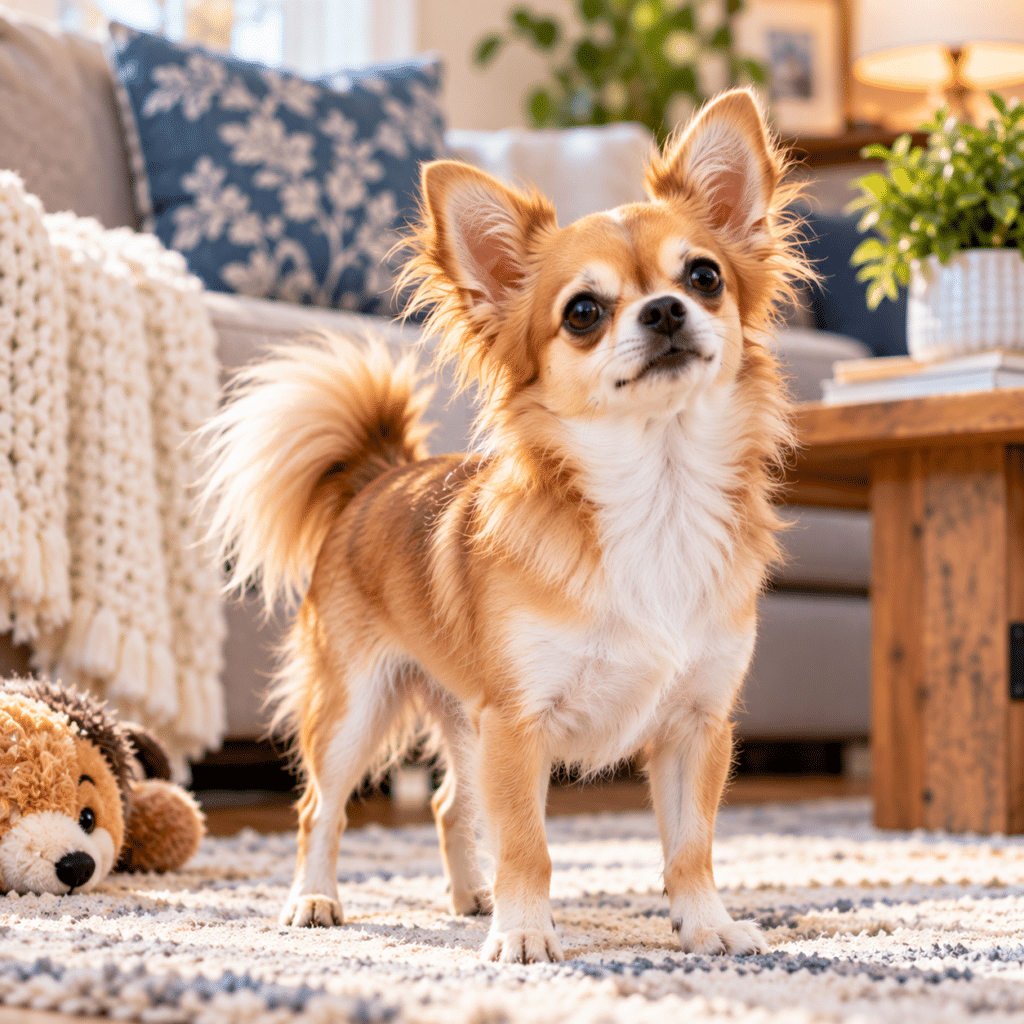
Never underestimate a Chihuahua.
This tiny dog may weigh only a few pounds, but many Chihuahuas have absolutely no hesitation about announcing that someone has arrived.
They’re often highly aware of movement, unfamiliar sounds and changes in their environment. Some become particularly attached to one person and like keeping track of everything that person does.
Because they’re so small, Chihuahuas aren’t physical protection dogs. But as little alarm systems with four legs, they can be surprisingly effective.
Size: Toy
Coat: Smooth or long
Known for: Bold personality and quick reactions
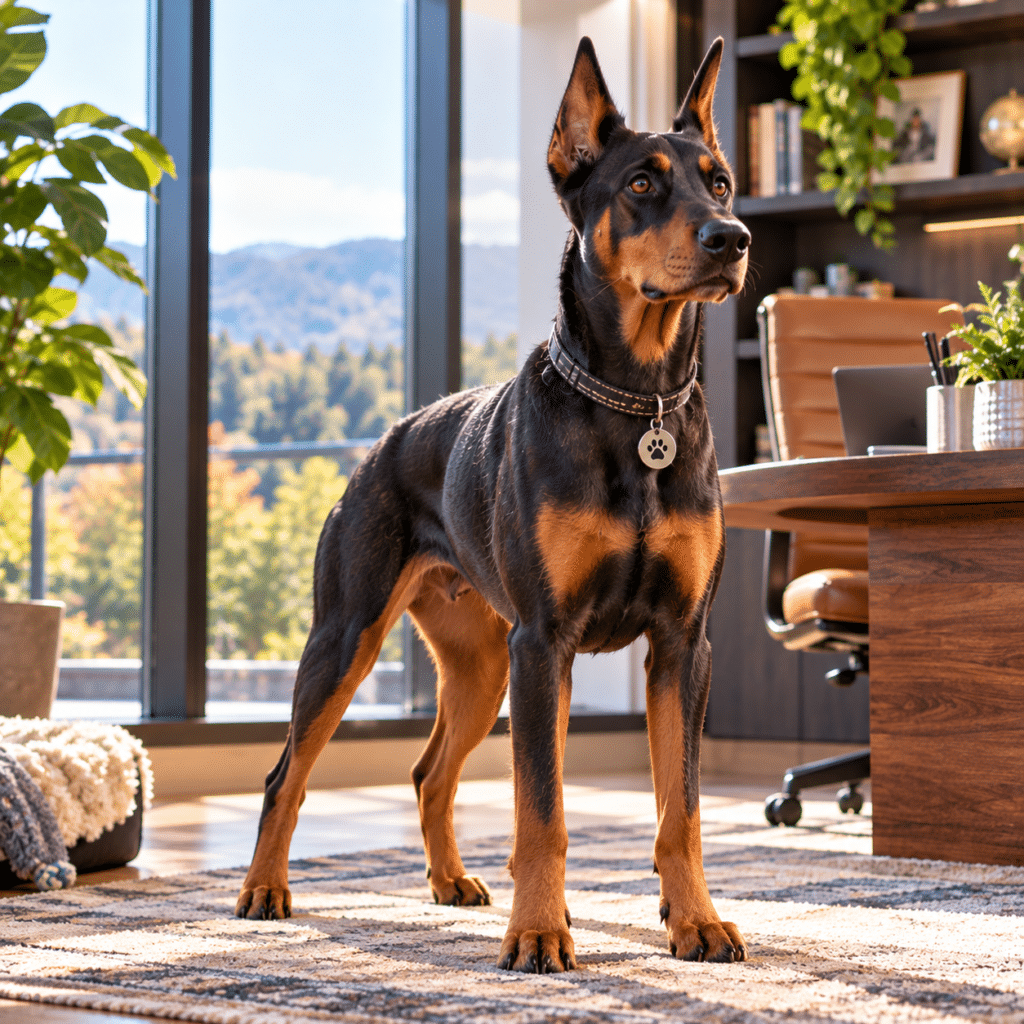
The Doberman Pinscher has a sleek, athletic appearance and a reputation for being exceptionally observant.
Originally developed as a protection-oriented working breed, Dobermans are intelligent dogs that often pay close attention to their surroundings and families.
They can be affectionate and playful companions, but they need responsible owners who understand the importance of early socialization, consistent training and regular exercise.
A well-adjusted Doberman should be able to distinguish ordinary everyday activity from situations that genuinely deserve attention.
Size: Large
Coat: Short and smooth
Known for: Alertness, athleticism and intelligence
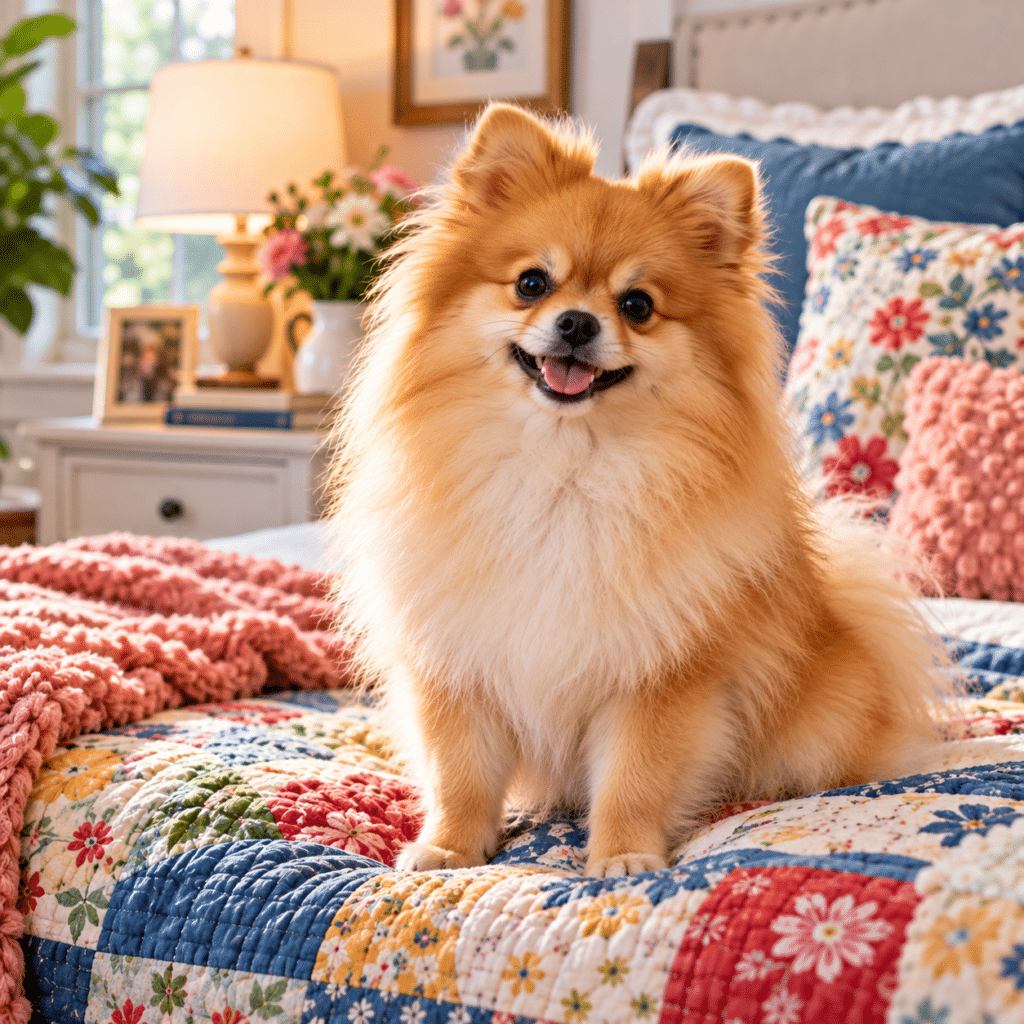
That fluffy little face might not look particularly intimidating, but Pomeranians often have a surprising amount to say about what happens outside their windows.
Poms are lively, curious and attentive dogs. Their confidence can make them quick to investigate unfamiliar sounds, even when the source is much bigger than they are.
Their small size makes them practical companions for many households, but their tendency to bark can become frustrating without gentle, consistent training.
Size: Toy
Coat: Thick double coat
Known for: Confidence, curiosity and vocal alerts
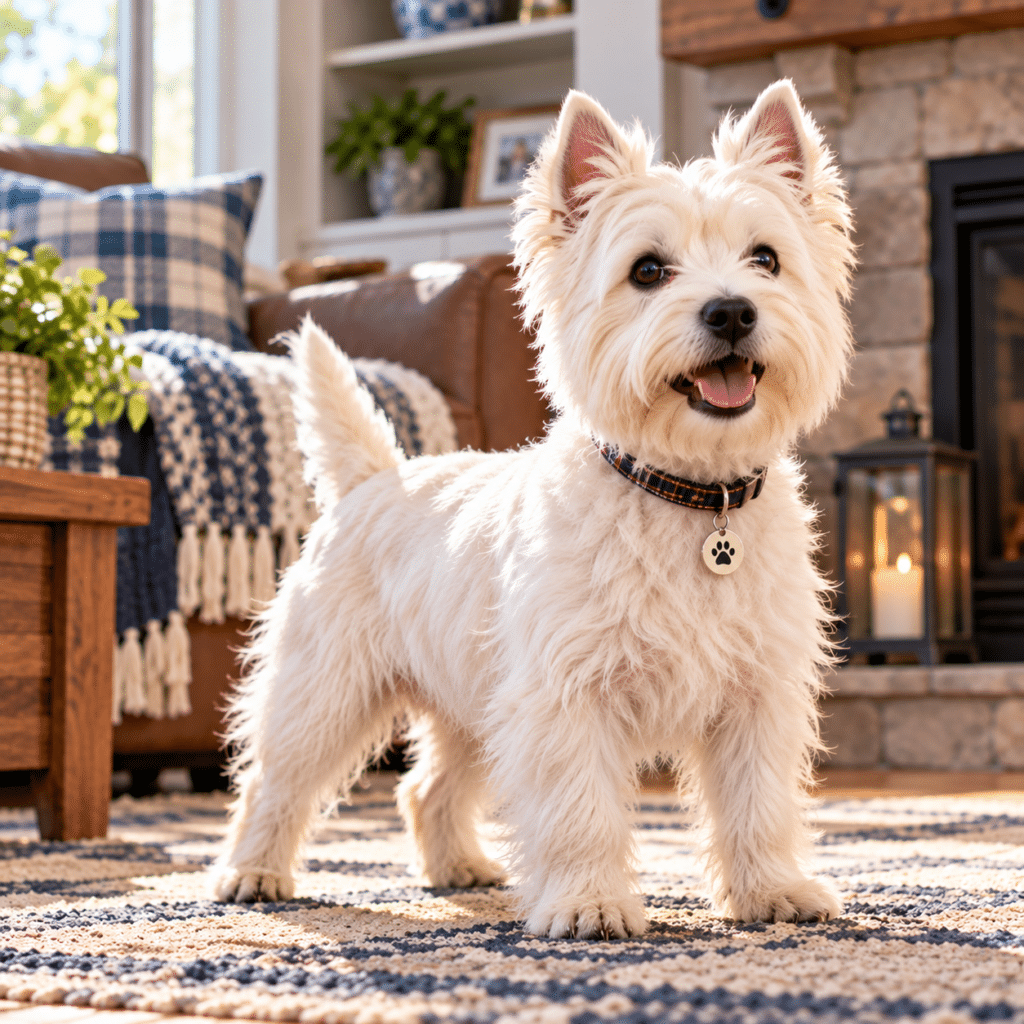
The West Highland White Terrier, affectionately known as the Westie, may look like an adorable little stuffed animal, but there’s a confident watchdog underneath that fluffy white coat.
Originally bred in Scotland to hunt small animals, Westies are naturally curious, alert and quick to notice unfamiliar sounds or visitors.
They’re often happy to announce when someone approaches the house, making them surprisingly effective little watchdogs.
Westies are playful, affectionate companions with plenty of personality. Their independent terrier nature means consistent training is important, especially when teaching them when it’s time to stop barking.
Size: Small
Coat: White, wiry double coat
Known for: Alertness, confidence and spirited personality
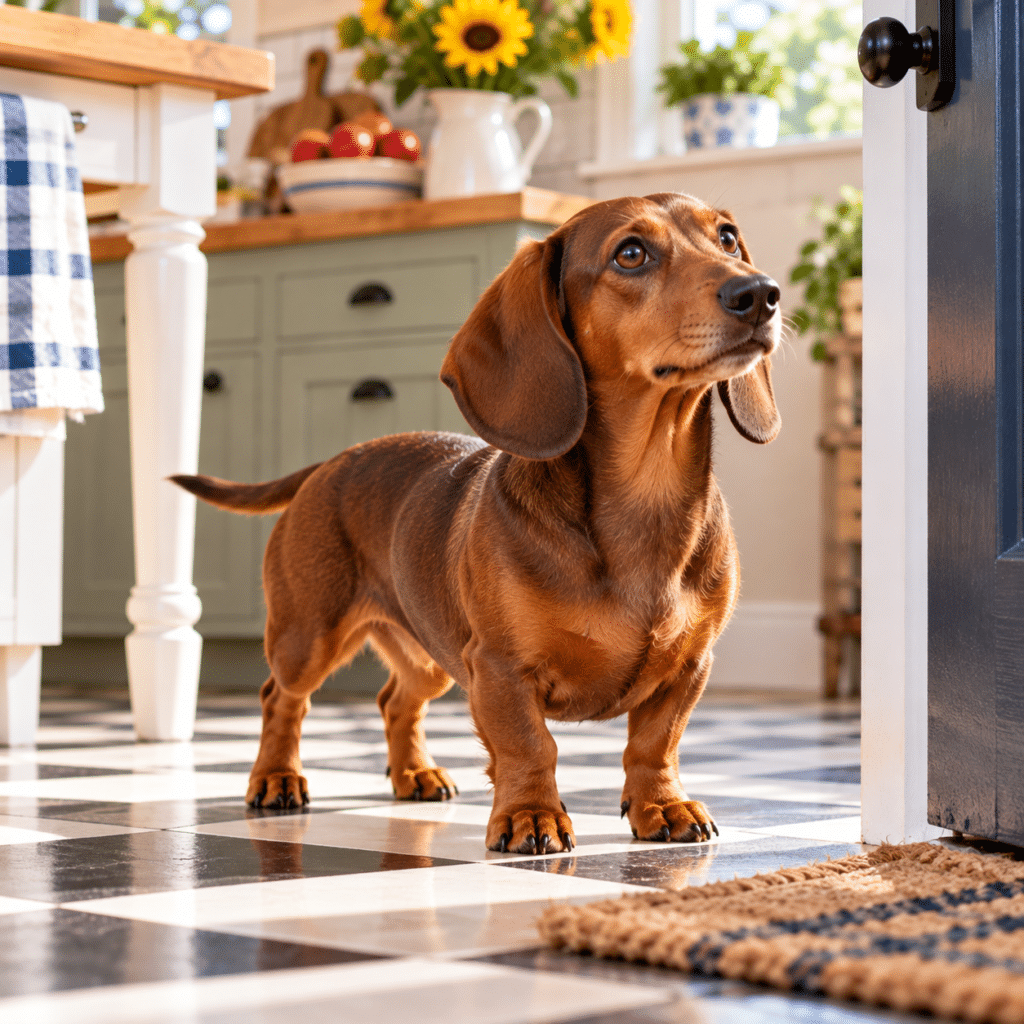
The Dachshund might have short legs, but its bark can sound surprisingly substantial.
Originally bred to hunt animals underground, Dachshunds developed courage, determination and a willingness to make themselves heard.
Many are quick to announce someone approaching the front door, even when that someone is a familiar neighbor.
Dachshunds are entertaining, affectionate companions, although their independent nature means training sometimes requires patience and a sense of humor.
Size: Small
Coat: Smooth, longhaired or wirehaired
Known for: Bold personality and surprisingly loud bark
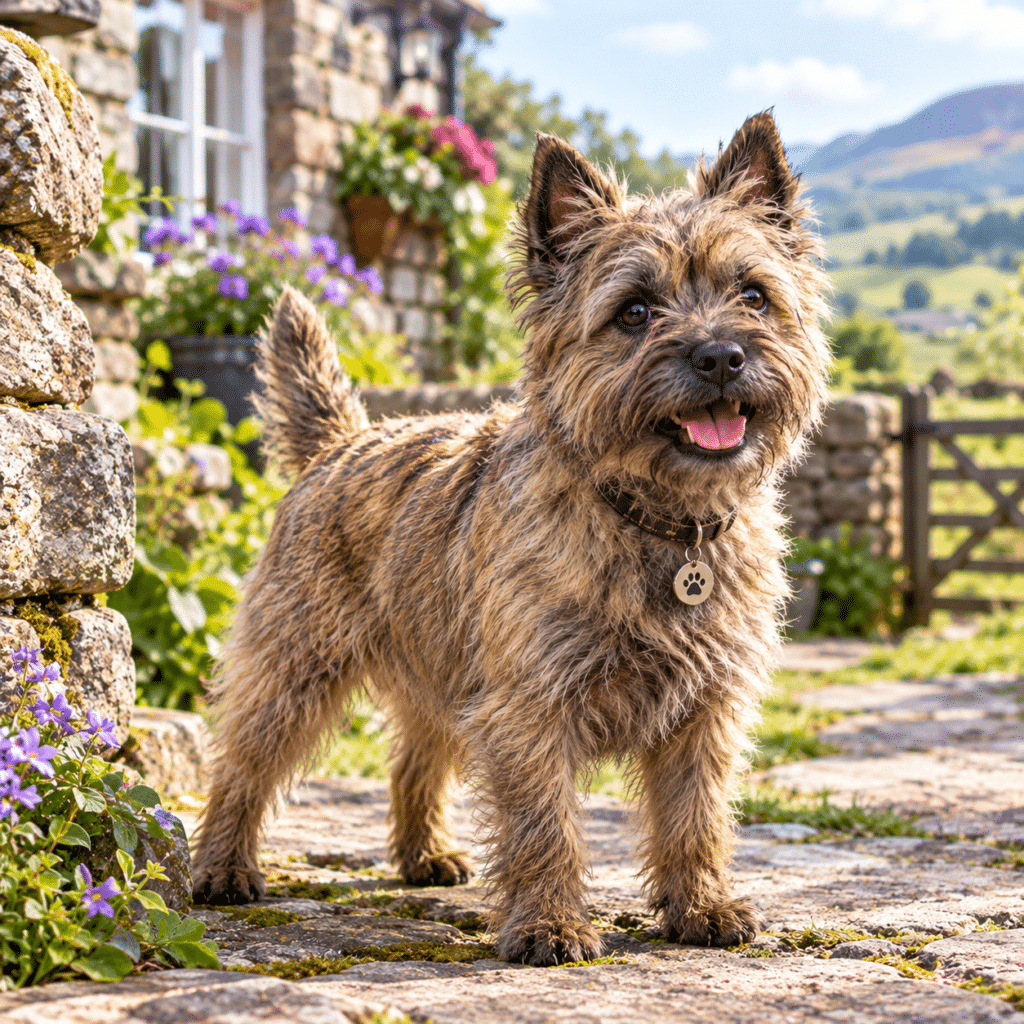
The Cairn Terrier may be small, but this scruffy little dog has a big personality and an even bigger sense of curiosity. With its shaggy coat, pointed ears and bright expression, the Cairn always seems ready to investigate something.
Originally bred in Scotland to hunt small animals among rocky terrain, Cairn Terriers are naturally alert and quick to notice unusual sounds or movement. They’re confident, spirited dogs that aren’t shy about barking when someone approaches the house.
Cairns are playful, affectionate companions who enjoy staying busy and being part of family activities. Their independent terrier personality can make them a little stubborn, so consistent training helps keep their watchdog habits from turning into excessive barking.
Size: Small
Coat: Shaggy, weather-resistant double coat
Known for: Alertness, curiosity and fearless personality
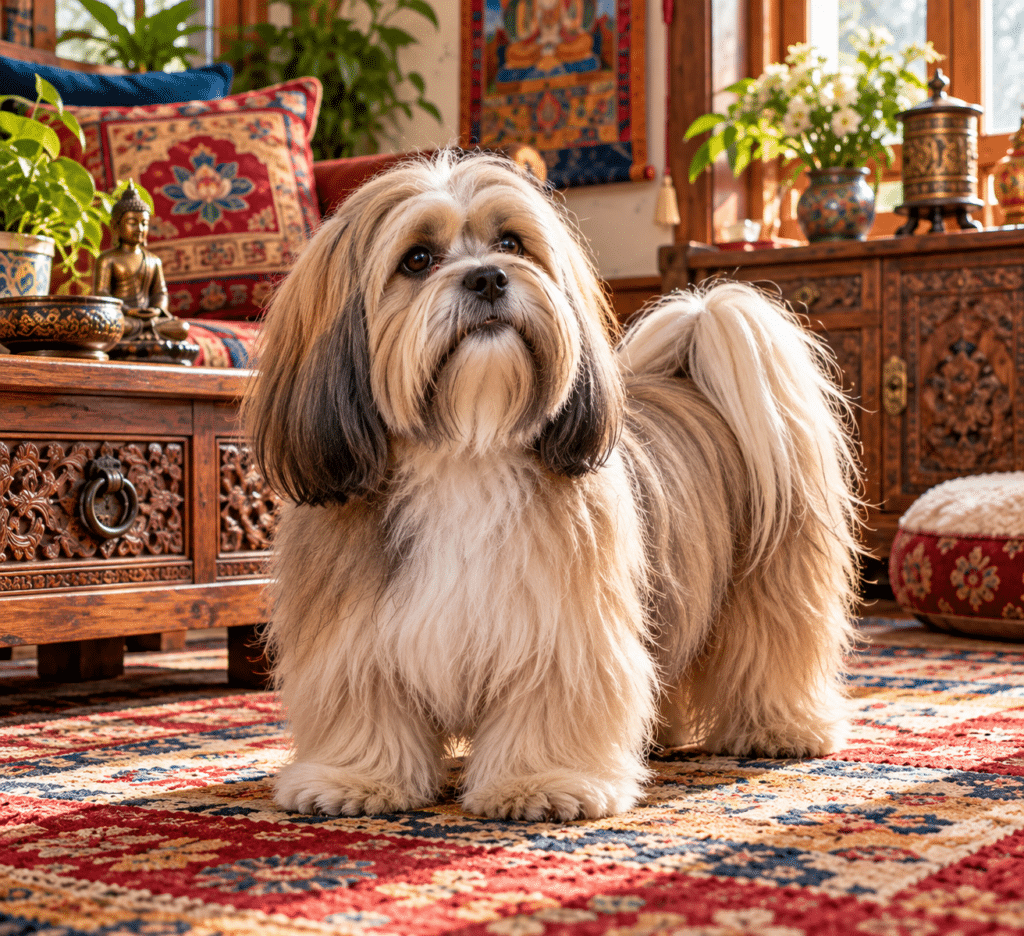
The Lhasa Apso might surprise people who aren’t familiar with its history.
These small, long-coated dogs originated in Tibet, where they were traditionally valued as indoor sentinels in monasteries and homes.
That watchful heritage remains part of the breed’s personality. Many Lhasa Apsos are attentive to unfamiliar people and quick to announce unexpected activity.
They’re also independent little dogs who appreciate having their own opinions about things.
Size: Small
Coat: Long, dense coat
Known for: Watchful nature and independent personality
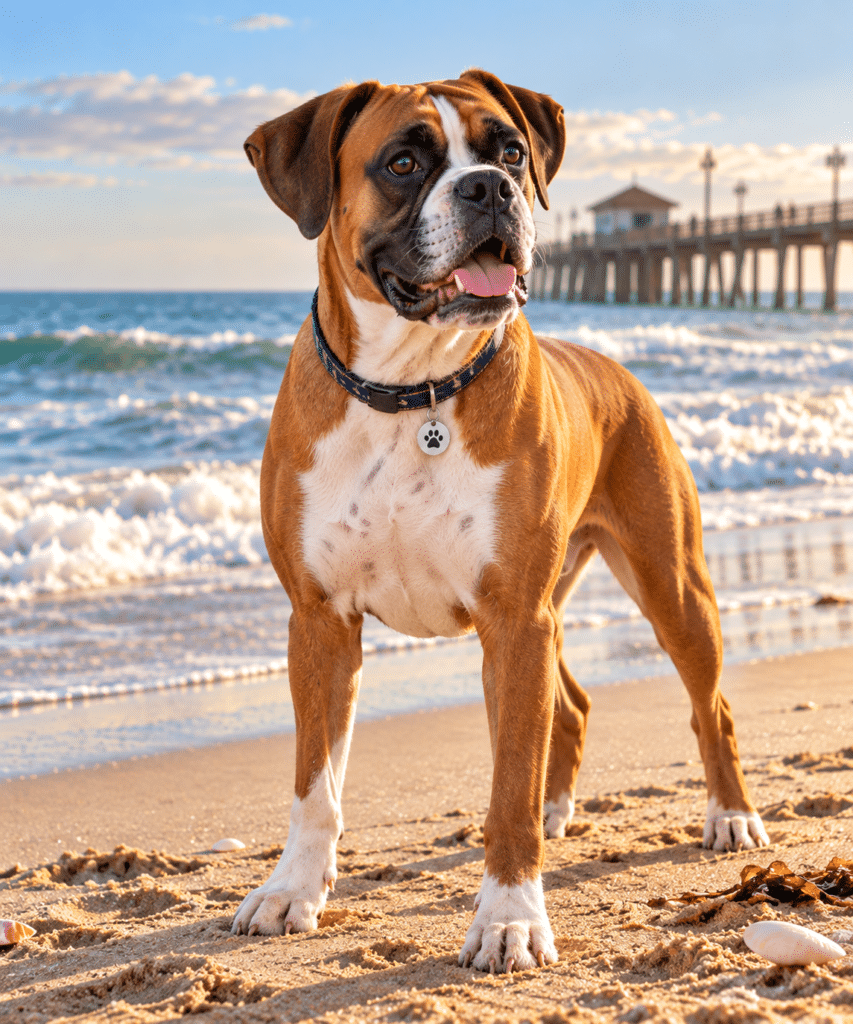
Boxers combine a muscular appearance with an enthusiastic, sometimes wonderfully goofy personality.
They’re often affectionate family dogs that enjoy playing, interacting and staying close to their people.
But underneath that playful personality is an alert, athletic dog. Many Boxers quickly notice visitors or unfamiliar activity around the home.
They need regular exercise and consistent training, especially when they’re young and full of energy.
Size: Large
Coat: Short and smooth
Known for: Playfulness, alertness and strong family bonds
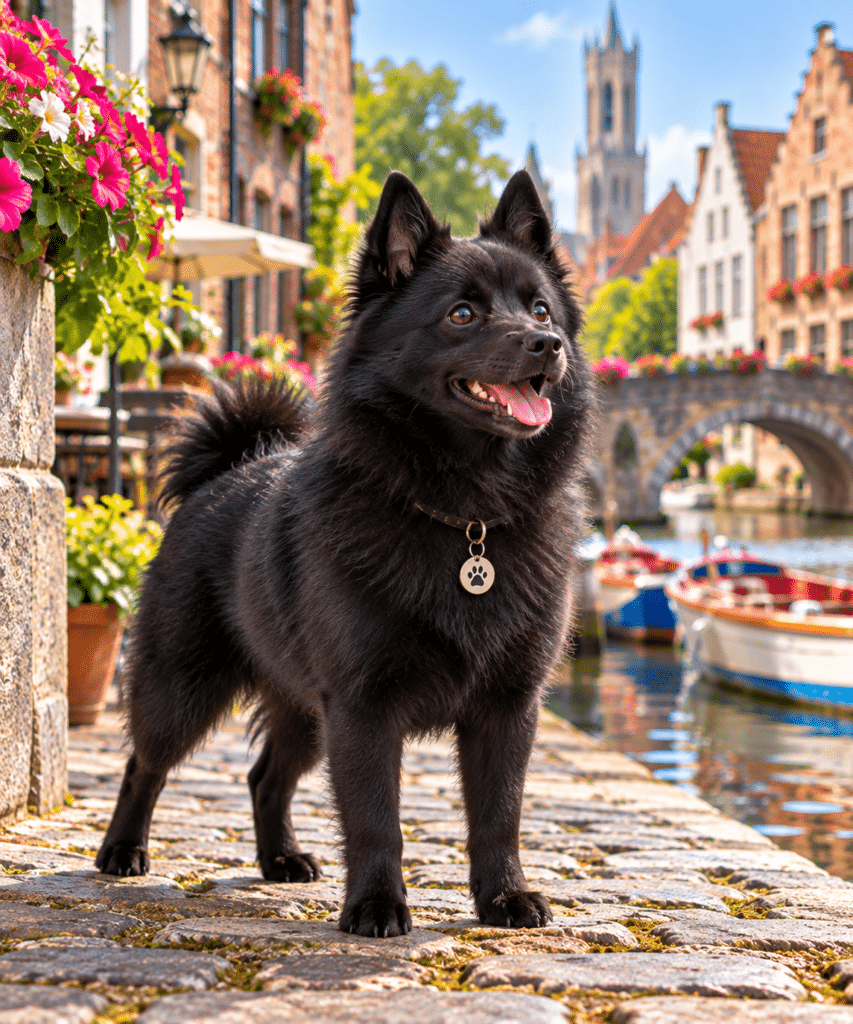
The Schipperke is a small black dog with pointed ears, a thick coat and an expression that suggests it’s always investigating something.
These curious little dogs have a long history as watchdogs and companions.
Schipperkes tend to be energetic, confident and interested in everything happening around them. They’re often quick to announce something unusual.
Their intelligence makes training rewarding, although their independent streak can keep owners on their toes.
Size: Small
Coat: Thick double coat
Known for: Curiosity, alertness and watchdog instincts
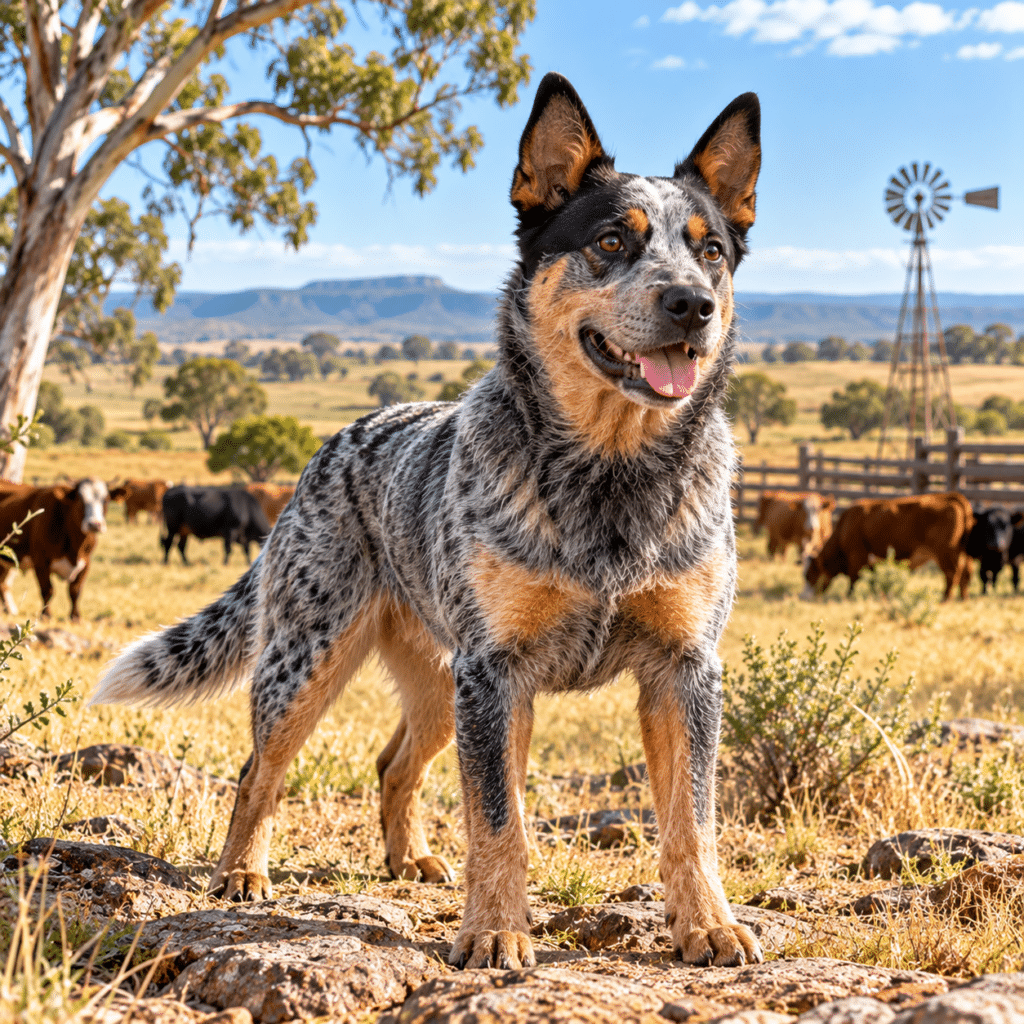
The Australian Cattle Dog was developed for demanding herding work, and that background helps explain its impressive awareness and energy.
These dogs tend to be intelligent, attentive and very interested in their surroundings.
Many develop close relationships with their families and quickly notice changes around the home.
However, their herding instincts and high energy mean they need appropriate outlets. Without enough exercise and mental stimulation, they can develop unwanted behaviors.
Size: Medium
Coat: Short double coat
Known for: Intelligence, endurance and attentiveness
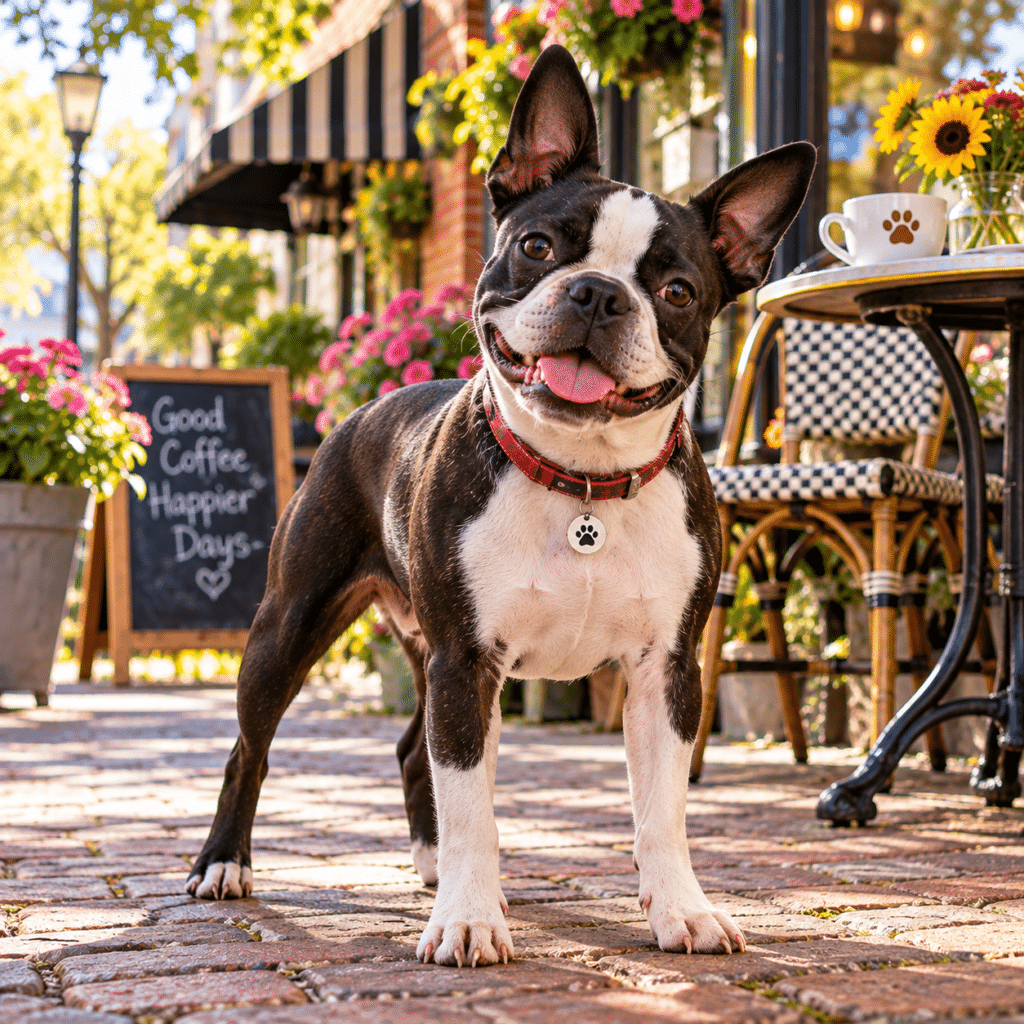
The Boston Terrier may be best known for its charming expression and tuxedo-like markings, but many are surprisingly observant little companions.
Bostons often enjoy being close to their families and keeping track of what’s happening around them.
Some will bark when someone approaches the house, while others are much quieter. Their watchdog ability varies considerably between individuals.
They’re generally companion-oriented dogs, making them a good reminder that being alert doesn’t require a particularly serious personality.
Size: Small
Coat: Short and smooth
Known for: Friendly personality and awareness of surroundings
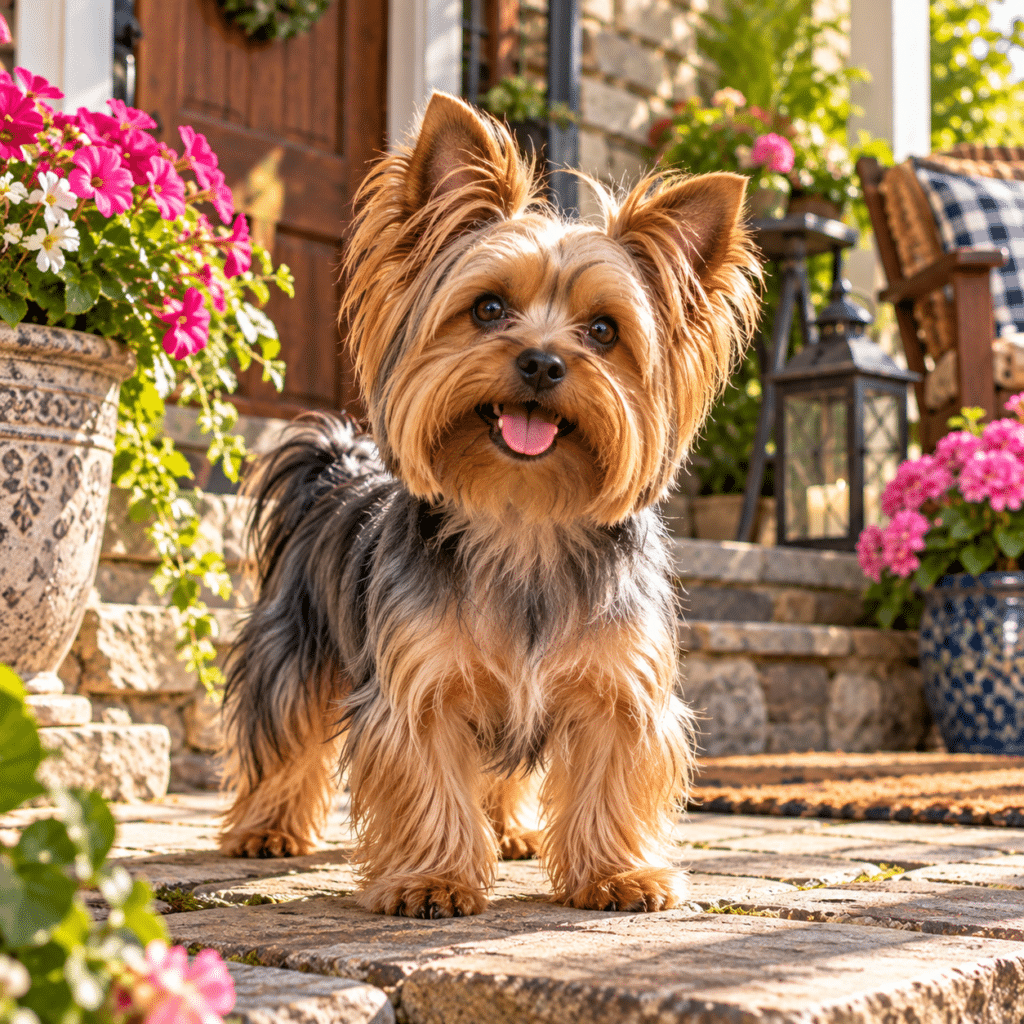
The Yorkshire Terrier may be tiny, but this little dog has a surprisingly big voice. With its silky coat, perky ears and confident personality, the Yorkie is always ready to let its family know when something unusual is happening.
Originally bred in England to catch rats in mills and factories, Yorkshire Terriers still have the alertness and determination of their terrier ancestors. They’re quick to notice unfamiliar sounds, visitors approaching the house or unexpected activity outside.
Yorkies are affectionate, lively companions who love being close to their families. Their tendency to bark makes them effective little watchdogs, although gentle, consistent training helps teach them when it’s time to be quiet.
Size: Toy
Coat: Long, silky coat
Known for: Alertness, confidence and surprisingly loud barking
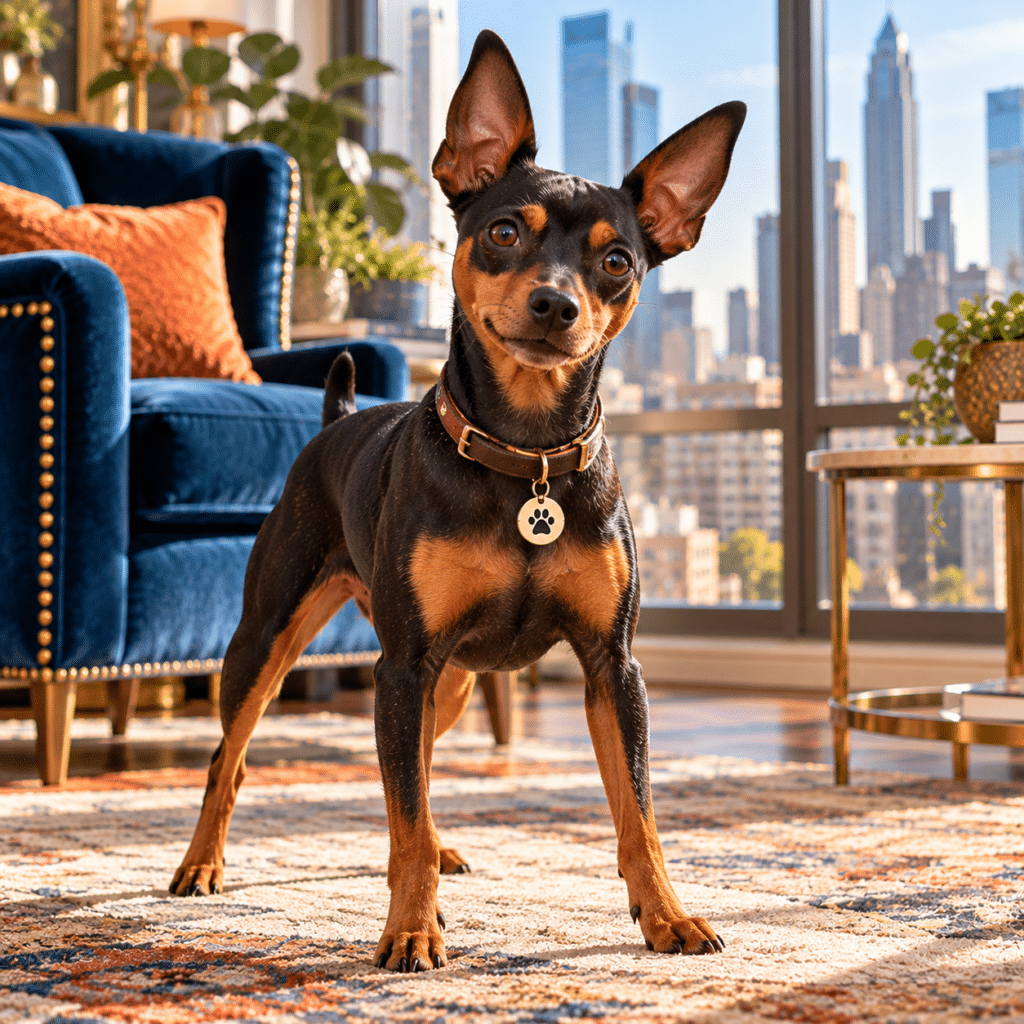
The Miniature Pinscher may be tiny, but it carries itself with remarkable confidence.
These energetic little dogs are often curious, alert and ready to investigate anything that seems out of place.
A Min Pin might announce the arrival of a visitor long before anyone else in the house notices.
They’re playful companions, but they also benefit from regular activity, training and clear boundaries. Their bold personalities can be much bigger than their bodies.
Size: Small
Coat: Short and smooth
Known for: Confidence, energy and quick alerts
Absolutely.
In fact, some small dogs can be excellent at alerting their owners to unusual activity.
A Chihuahua, Dachshund or Miniature Schnauzer may not look particularly intimidating, but a watchdog’s primary job is to notice something and sound the alarm.
Smaller breeds can be highly observant, especially when they’re closely connected to their families and familiar with the usual household routine.
The challenge is teaching them when enough barking is enough.
Having a dog who alerts you to visitors can be helpful.
Having a dog who barks for ten minutes because a leaf moved outside the window? Not quite as helpful.
The goal isn’t to stop your dog from ever barking. Barking is a normal way for dogs to communicate.
Instead, focus on teaching your dog how to settle after alerting you.
Acknowledge the alert. Calmly check what’s happening rather than shouting over your dog.
Reward quiet behavior. When your dog pauses barking, mark and reward that moment.
Practice with predictable situations. A family member approaching the door can provide a controlled opportunity to practice.
Teach an alternative behavior. Going to a mat or bed when someone knocks can give your dog something useful to do.
Avoid encouraging fear. Punishment or deliberately frightening your dog can make barking and anxiety worse.
If barking becomes excessive or seems connected to fear, a qualified reward-based trainer or veterinary behavior professional can help.
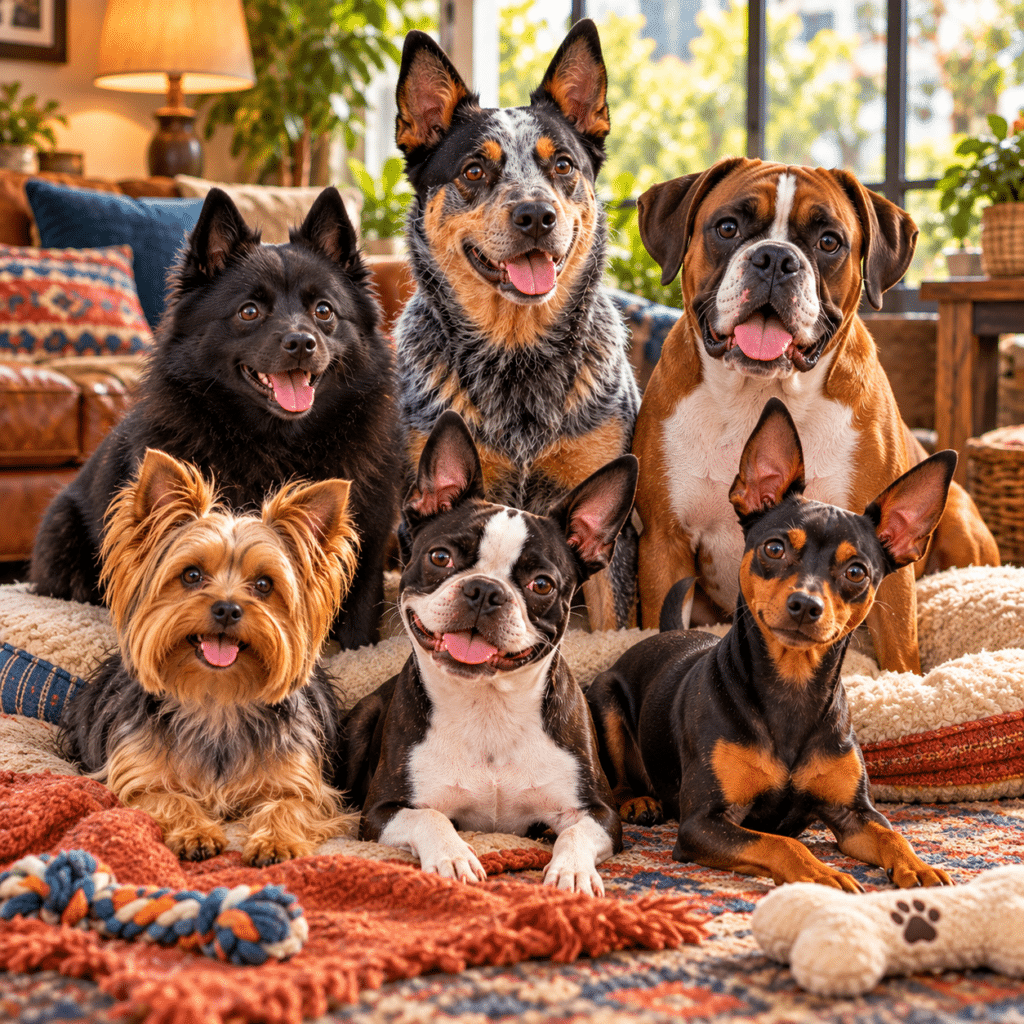
A good family watchdog doesn’t need to be aggressive.
In fact, a dog who can notice something unusual, alert its family and then settle down is often much easier to live with than one who reacts intensely to every visitor.
Temperament, socialization, training and the individual dog’s personality all matter.
Breed tendencies can offer useful clues, but they never guarantee how a particular dog will behave.
A confident, well-adjusted dog who understands everyday household routines may be a far better companion than one who constantly feels threatened.
One of the funniest things about watchdogs is that size doesn’t always seem to matter.
A German Shepherd might quietly observe someone approaching the house, while a six-pound Chihuahua announces the visitor to the entire neighborhood.
Both dogs have noticed the same thing. They simply have very different ways of sharing the news.
Whether your dog is a tiny alarm system or a large, watchful companion, that familiar bark at the front door is one more reminder of just how closely dogs pay attention to the world around us.
And sometimes, they’re paying attention to things we’d never have noticed ourselves. 🐾❤️