Newsletter Subscribe
Enter your email address below and subscribe to our newsletter

 ByDiana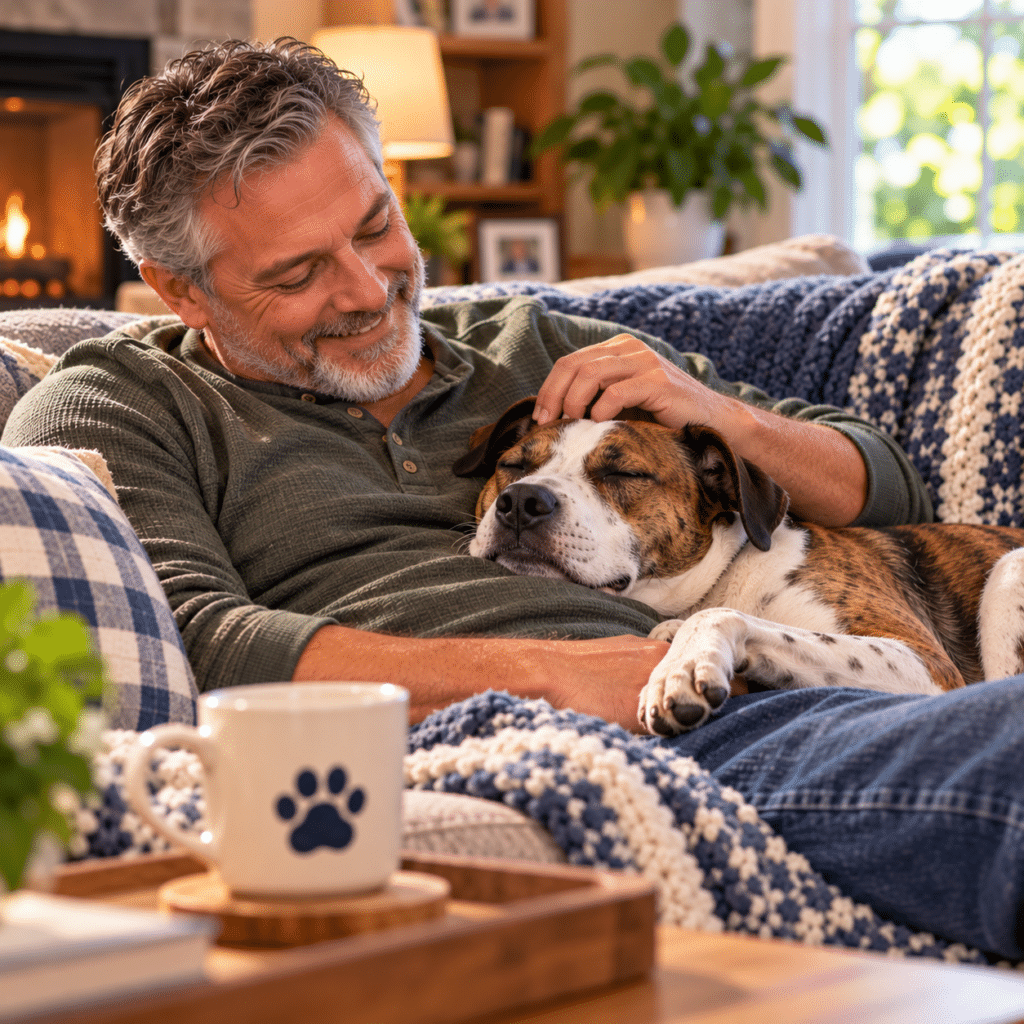
We spend a lot of time wondering whether we’re giving our dogs enough.
Enough walks. Enough attention. Enough playtime. Enough interesting things to do.
Meanwhile, your dog may be stretched out on the couch thinking life is pretty wonderful.
Dogs don’t need every day to be exciting. In fact, many of the best signs of a happy dog are surprisingly quiet ones.
A content dog often looks relaxed, feels secure in the household routine and is comfortable simply being near the people they trust. Veterinarians and canine behavior experts commonly point to loose body posture, soft eyes, playfulness, normal appetite and comfortable sleep as signs that a dog is feeling good.
Of course, every dog is different. A senior dog won’t necessarily show happiness the same way a two-year-old dog does, and naturally reserved dogs may never greet you like you’ve returned from a five-year voyage.
Instead of looking for one particular behavior, look at the whole dog and what’s normal for them.
Here are 12 little signs that your dog may be much happier than you realize.
One of the nicest signs of a content dog isn’t something they do. It’s the absence of tension.
A relaxed dog may have soft eyes, naturally positioned ears, a loose mouth and a body that looks almost floppy.
There’s no stiffness or worried expression. They’re simply comfortable.
You might notice it when your dog is lying near you in the evening or wandering around the house without a care in the world.
A wagging tail by itself doesn’t necessarily mean a dog is happy, so look at the entire body rather than focusing on the tail alone.
Sometimes happiness looks less like excitement and more like a dog who knows everything is okay.
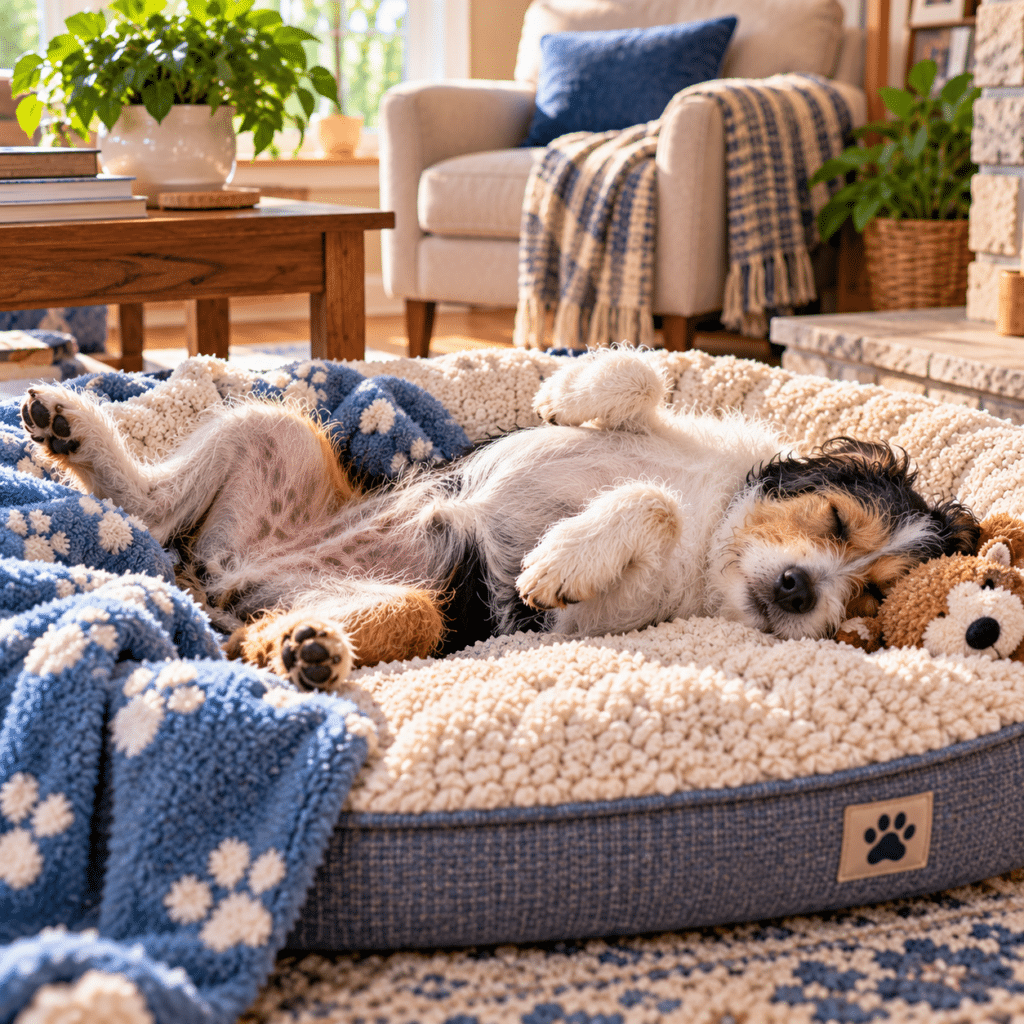
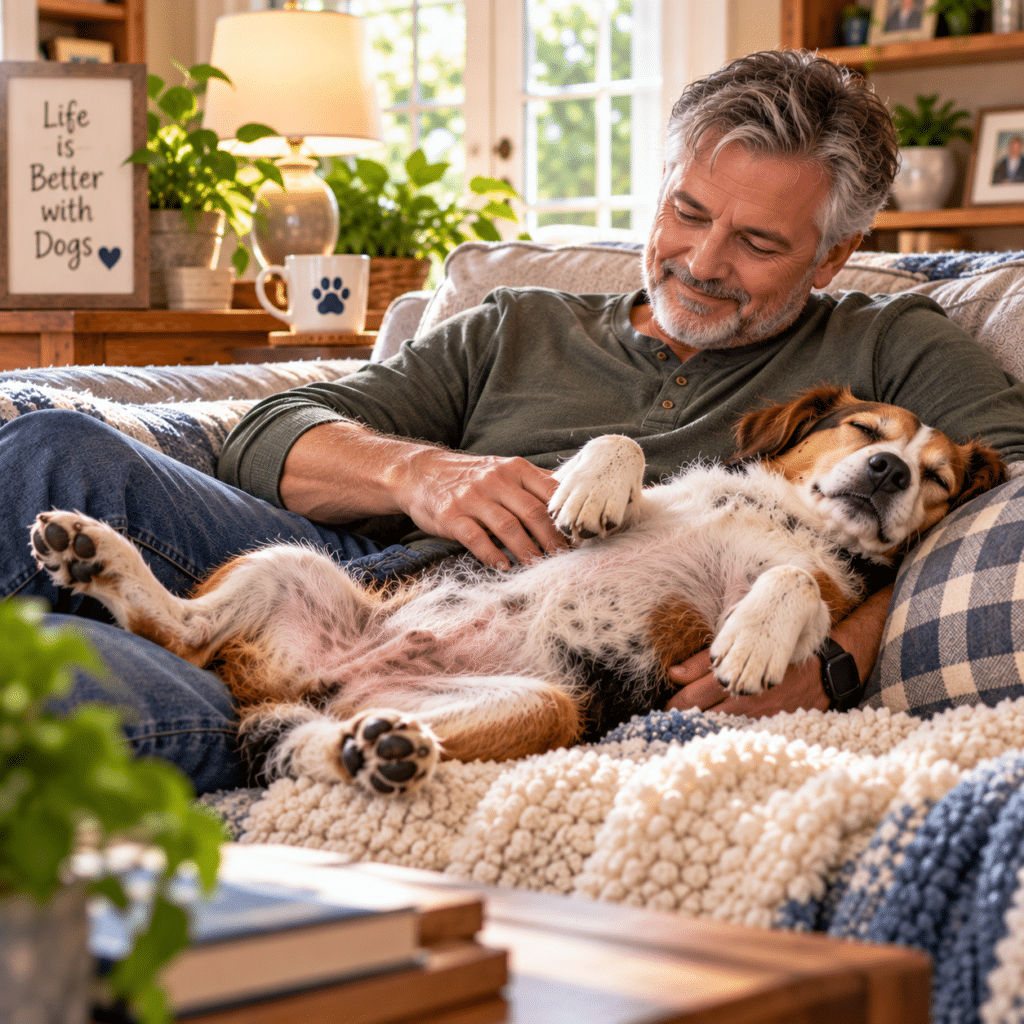
A dog who feels secure enough to completely relax can sleep in some wonderfully strange positions.
Upside down.
Legs pointing in four different directions.
Head hanging halfway off the dog bed.
Or stretched across the couch as though they personally paid for it.
Dogs need plenty of sleep, and comfortable, restful sleep is one of the things veterinarians consider when looking at a dog’s general well-being.
Your dog doesn’t have to sleep belly-up to be happy. Some dogs simply don’t like that position.
But when your dog can settle deeply and peacefully in your home, that’s something worth appreciating.
Maybe your dog doesn’t play for an hour anymore.
They might chase a toy twice and decide that’s enough.
But those little moments count.
A playful bounce, a play bow, a sudden game with a favorite toy or even five minutes of silliness can be a lovely sign that your dog is enjoying life.
Playfulness is commonly associated with a relaxed, happy dog.
Senior dogs may show it in quieter ways.
Your older dog may not race around the backyard anymore, but if those eyes still light up when you pick up a favorite toy, there’s plenty of joy left in there.
Sometimes your dog follows you because dinner is approaching.
Sometimes you have a snack.
And sometimes they simply want to be where you are.
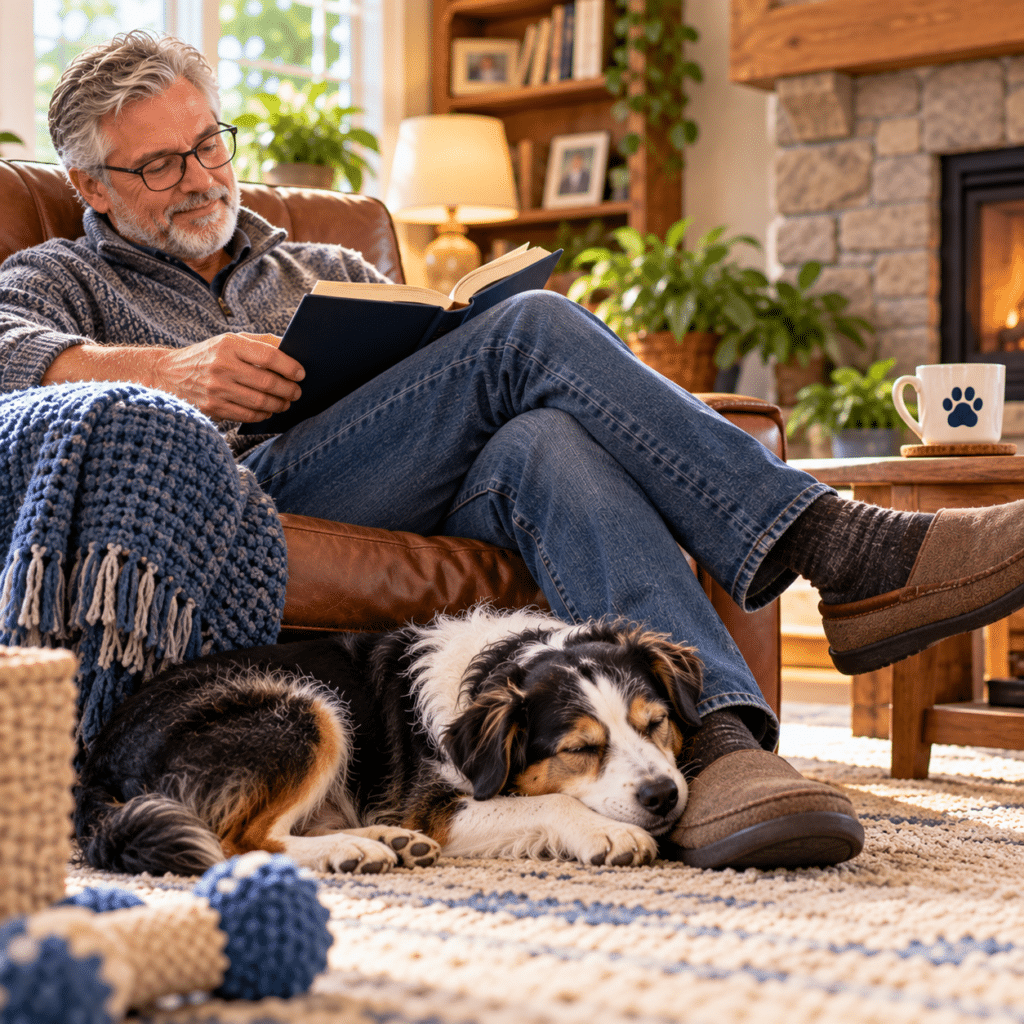
A dog who settles near your chair while you read, naps in the kitchen while you cook or follows you into another room and immediately lies down isn’t necessarily asking for entertainment.
They may just enjoy your company.
Dogs who feel comfortable with their people may seek physical closeness or simply choose to remain nearby.
They don’t always need you to do something.
Being together can be enough.
You probably know this look.
Your dog is resting nearby and glances over at you with soft eyes and a peaceful expression.
There’s no intense stare. No tension.
Just that quiet look that makes you want to stop whatever you’re doing and pet them.
Relaxed eyes and facial muscles are among the body-language clues associated with a comfortable dog.
It’s subtle, but once you start noticing that expression, you’ll recognize it often.
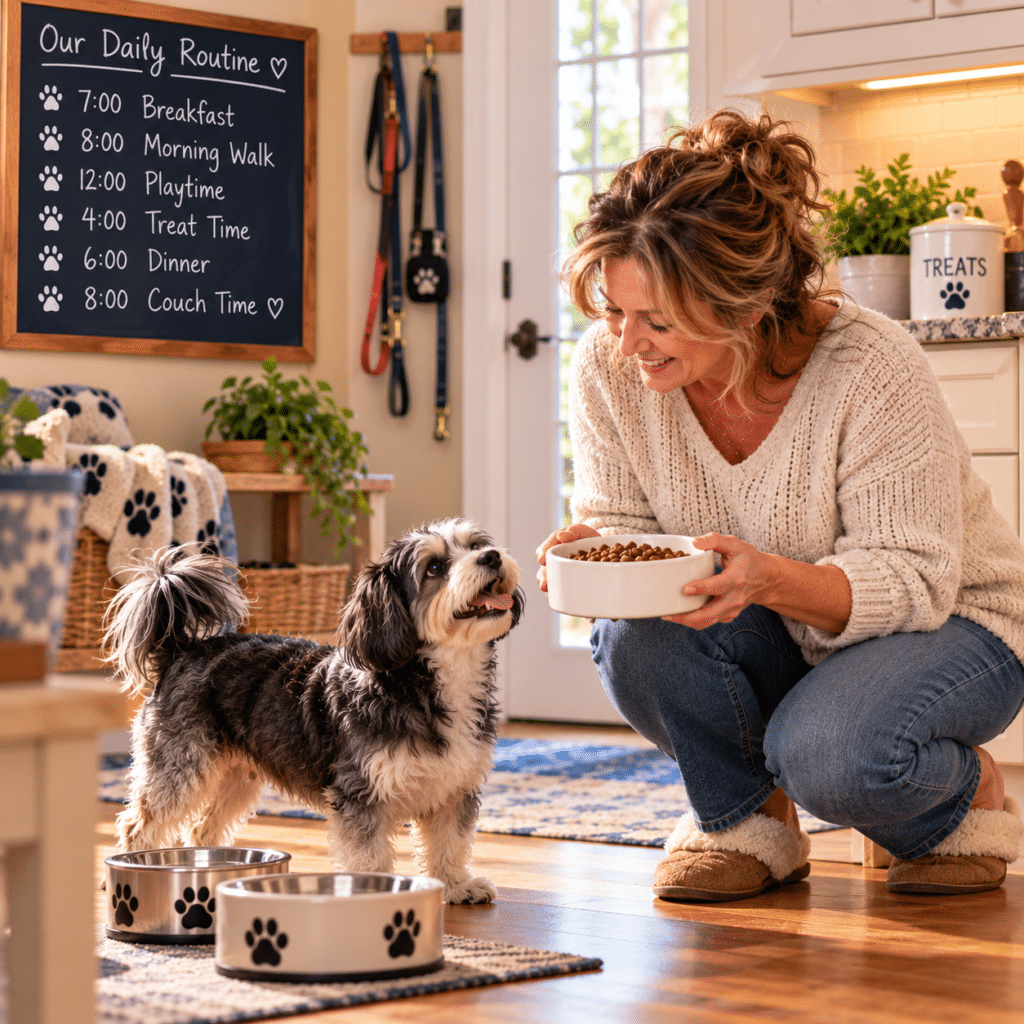
Dogs can become remarkably good at keeping track of the household schedule.
Breakfast happens around this time.
Then someone makes coffee.
Later comes the walk.
At a certain hour, everyone settles down for the evening.
Your dog may even remind you when you’ve fallen behind schedule.
A predictable routine can give dogs a sense of security, and a content dog often moves comfortably through familiar parts of the day.
You may notice your dog heading toward the bedroom at bedtime or appearing in the kitchen just before dinner.
They know how life works around your house.
And apparently, they’re in charge of making sure you stick to the schedule.
Every dog has something.
Maybe it’s a walk.
Maybe it’s a particular toy.
Maybe it’s going for a car ride.
Or perhaps it’s hearing the refrigerator door open from three rooms away.
A dog who still shows interest in favorite activities is giving you useful information about how they’re feeling. Enjoyment of walks, play and familiar activities can be a positive sign of well-being.
The amount of excitement varies tremendously.
One dog may leap in circles.
Another may simply perk up their ears and head toward the door.
Both can be perfectly happy.
This one is easy to overlook.
We sometimes assume a happy dog should constantly be doing something.
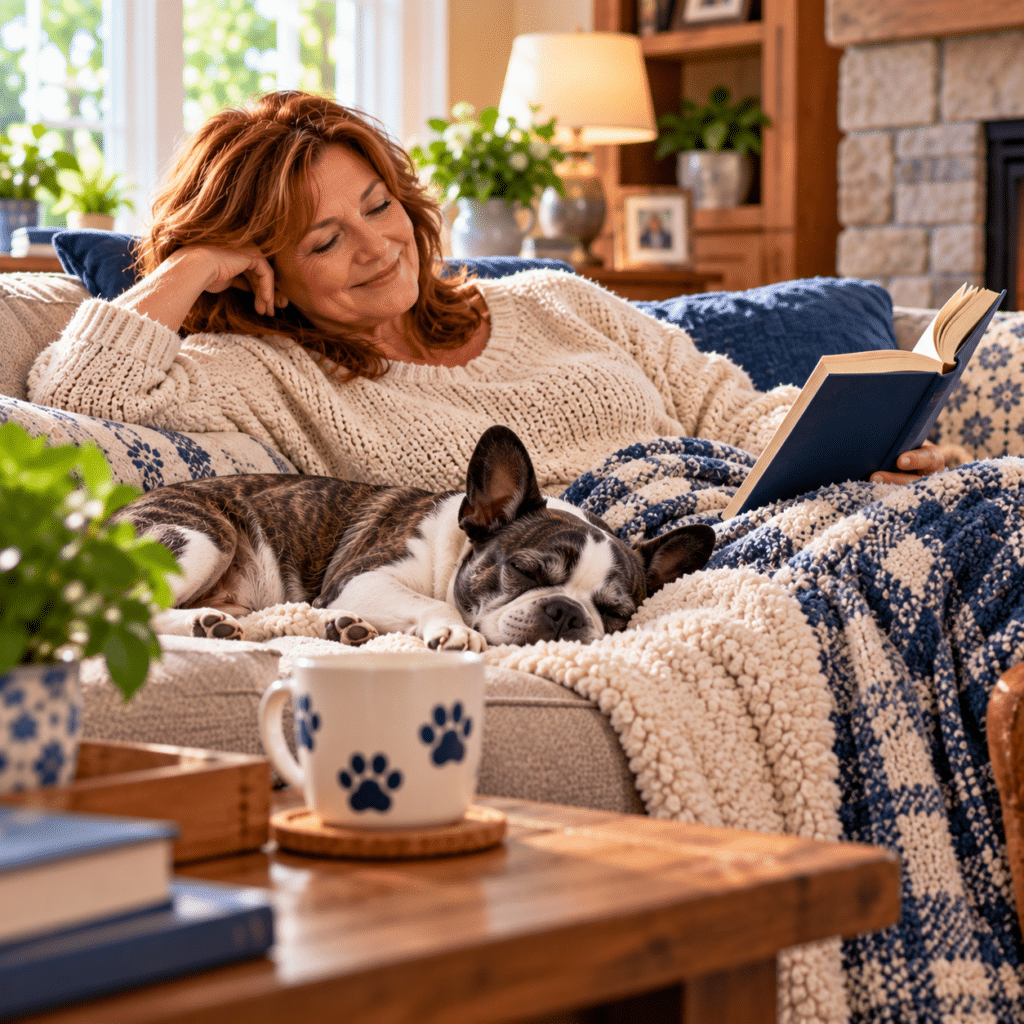
But a dog who can settle down while you watch television, work at the computer or fold laundry may be showing you something important.
They feel safe enough that they don’t need to constantly monitor the environment.
They aren’t demanding entertainment every minute.
They’re comfortable simply existing in the household.
That’s a pretty good life.
And frankly, many of us could learn something from them.
Some dogs climb directly into your lap.
Others lean against your leg.
Some place a paw on you or gently nudge your hand with their nose.
And then there are the dogs who sit six inches away and stare until you finally understand that petting is required.
When a relaxed dog seeks out physical contact and leans into affection, that’s generally a good indication that they’re enjoying the interaction.
The important part is that they’re choosing it.
And when they decide they’ve had enough, letting them walk away is just as important.
For some dogs, this may be the easiest sign on the entire list.
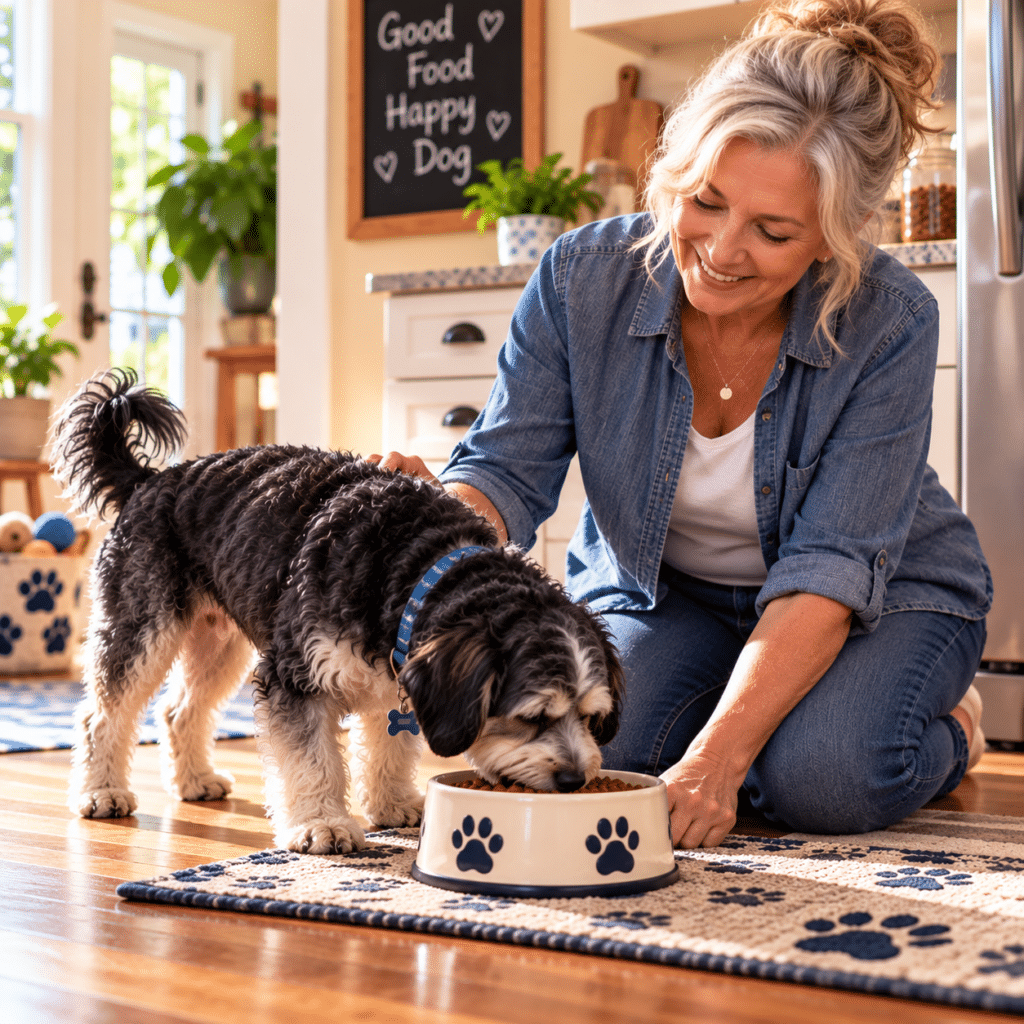
Dinner arrives.
Dog appears.
Bowl becomes mysteriously empty.
A normal appetite is one piece of the bigger picture when evaluating a dog’s health and general well-being.
Not every happy dog is obsessed with food, of course. Some have always been finicky eaters.
That’s why what’s normal for your dog matters most.
A sudden loss of appetite, particularly when combined with lethargy or other behavior changes, deserves attention and may warrant a call to your veterinarian.
You’re sitting on the porch.
Your dog is investigating something in the yard.
They look back at you for a moment.
Then they return to sniffing.
These little check-ins can be easy to miss.
Your dog doesn’t necessarily need anything. They’re simply keeping track of where you are while continuing to explore their world.
The same thing may happen during walks or around the house.
It’s a nice balance: interested in what’s happening around them but comfortable knowing you’re nearby.
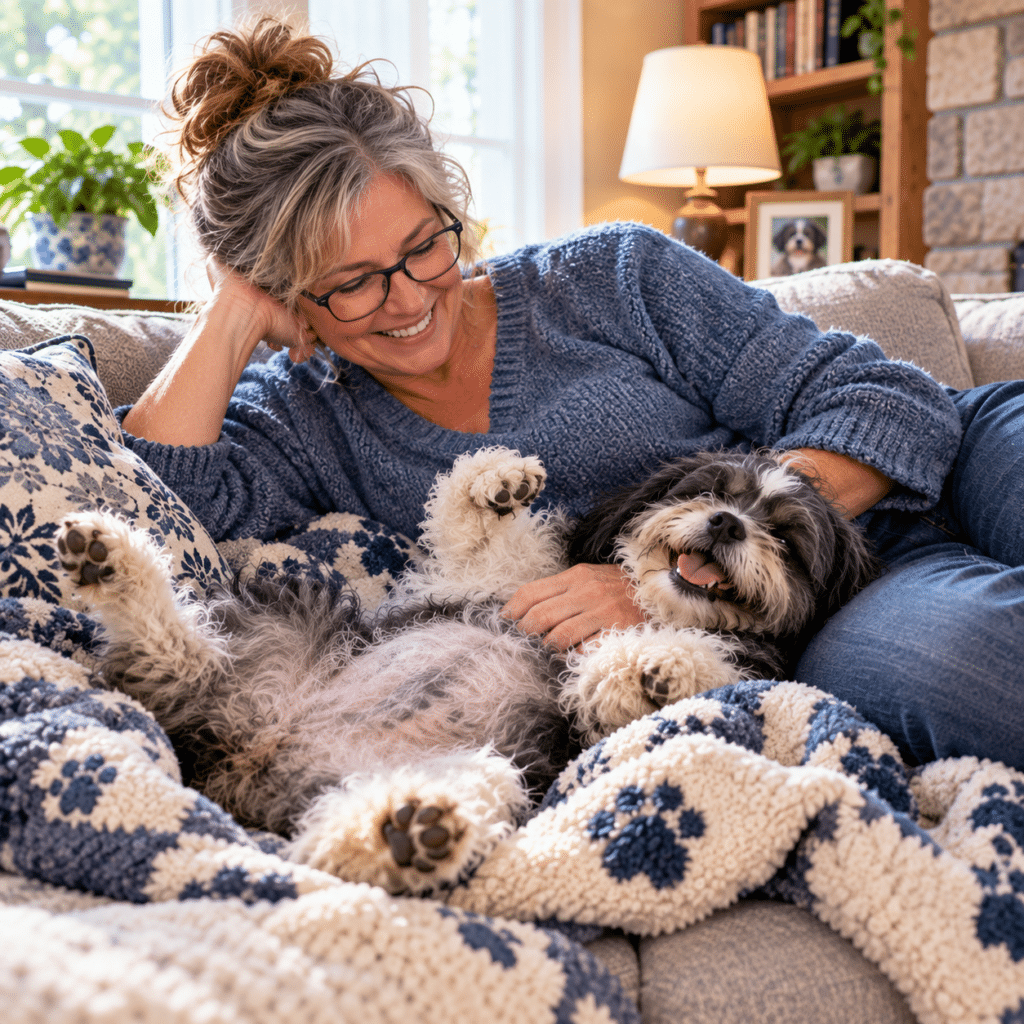
This may be my favorite sign.
A happy, secure dog doesn’t have to put on a show.
They can snore.
They can roll onto their back.
They can bring you the same battered toy for the hundredth time.
They can sigh dramatically because you haven’t shared your sandwich.
They can wander off to another room for a nap and come back later.
They can simply be a dog.
When you start looking at happiness this way, you realize it doesn’t always look like a wagging tail and wild excitement.
Sometimes it looks like trust.
Sometimes it looks like play.
And sometimes it looks like a dog sound asleep beside you while absolutely nothing interesting is happening.
No single behavior proves that a dog is happy.
A wagging tail can occur when a dog is alert or nervous, and individual breeds naturally carry their ears and tails differently. That’s why veterinary behavior guidance recommends looking at the dog’s entire body, the situation and what’s normal for that individual dog.
You’re looking for a pattern.
A relaxed body.
Normal eating and sleeping.
Interest in favorite activities.
Comfort around the people they trust.
Little moments of playfulness.
And the ability to settle peacefully.
If your dog’s normal personality suddenly changes—especially if they withdraw, lose interest in food or favorite activities, become unusually lethargic or seem uncomfortable—it’s worth talking with your veterinarian.
It’s easy to wonder whether we should be doing more for our dogs.
Maybe they need another toy.
Another adventure.
Another special treat.
And there’s certainly nothing wrong with giving them those things.
But take a look at your dog tonight.
If they’re snoozing comfortably nearby, eating normally, enjoying their favorite little routines and still finding reasons to play, they may already be giving you the answer.
They have a safe place to sleep.
Food in their bowl.
Someone they trust.
And a home where they belong.
To a dog, that’s a pretty wonderful life.