
Newsletter Subscribe
Enter your email address below and subscribe to our newsletter

 ByDiana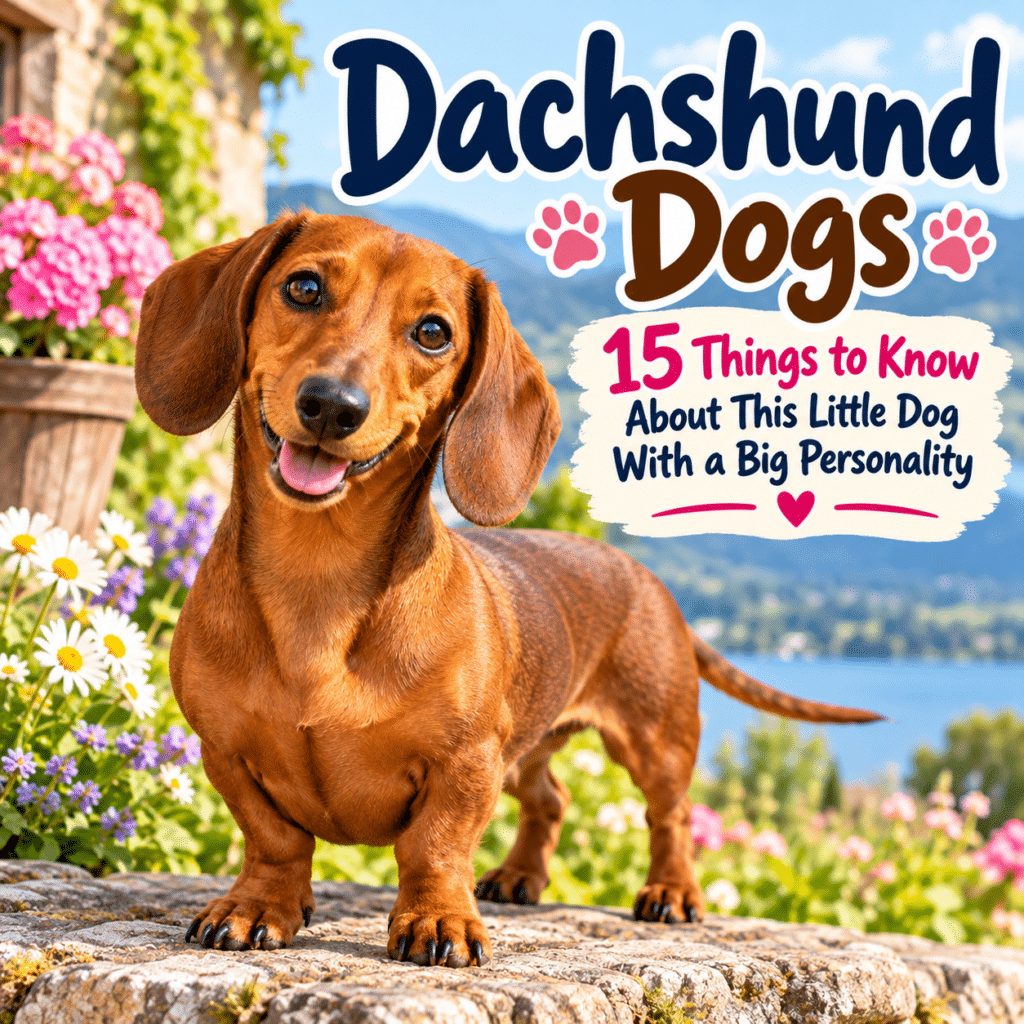
There’s something wonderfully entertaining about a Dachshund.
Maybe it’s those short little legs, the long body, or the way they march through life as though they’re ten times their actual size. Whatever it is, Dachshunds have a way of making people smile before they’ve even done anything.
Often affectionately called weenie dogs or sausage dogs, these small but determined companions are known for their courage, curiosity, loyalty, and occasionally impressive stubbornness.
They may look like adorable little lapdogs, but there’s a fearless hunting dog underneath that charming exterior.
Whether you’ve loved Dachshunds for years or you’re considering bringing one home, here are 15 things that make this unforgettable breed so special.
It’s hard to look at a little Dachshund curled up under a blanket and imagine it facing a badger underground.
But that’s exactly the kind of work the breed was developed to do.
Dachshunds originated in Germany, where their long bodies, short legs, strong paws, and determined personalities helped them pursue badgers into underground burrows.
In fact, the German word Dachshund translates roughly to “badger dog.”
Their loud voices helped hunters locate them, while their courage and persistence made them effective working dogs.
Today, most Dachshunds are beloved family companions rather than hunting dogs, but many still carry that adventurous spirit.
And if you’ve ever watched a Dachshund enthusiastically dig into a blanket or investigate a mysterious hole in the yard, you may have seen a little of that history in action.
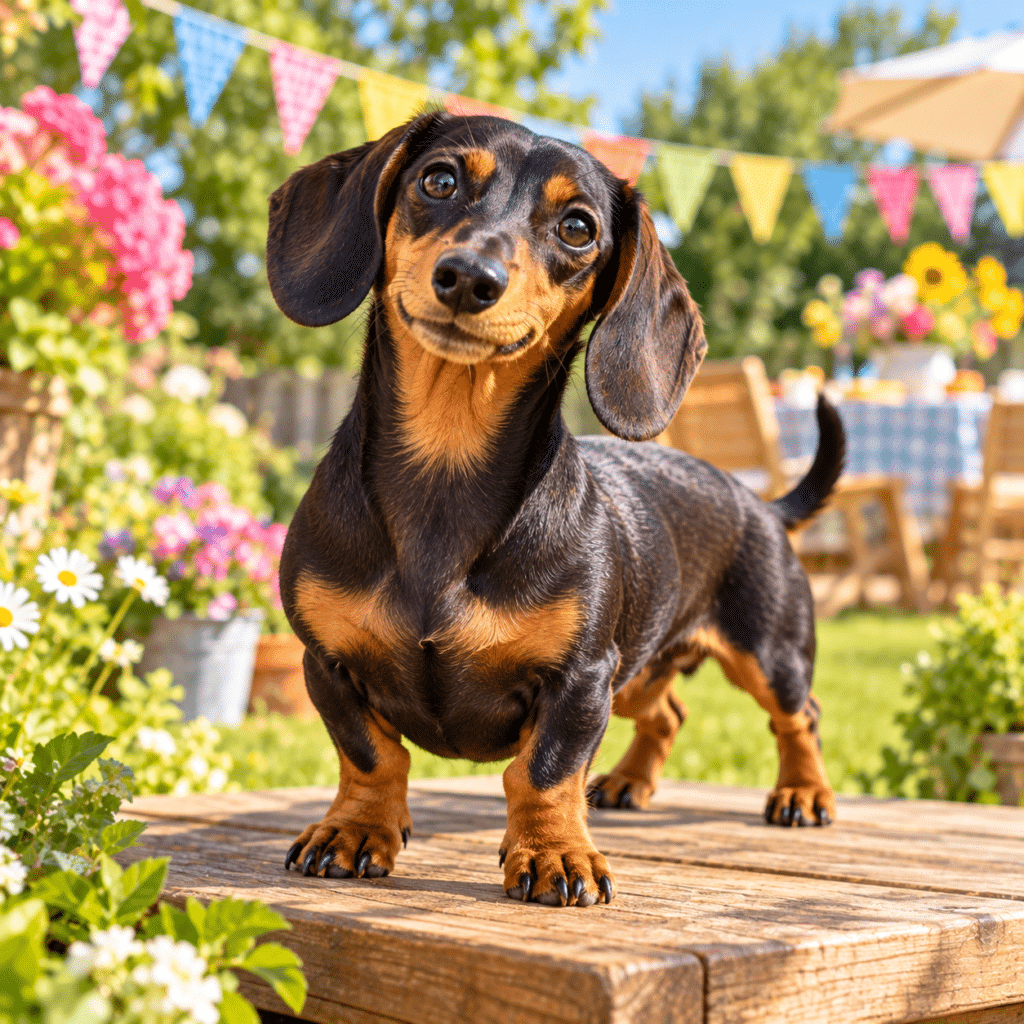
Dachshunds aren’t usually shy about expressing themselves.
They can be bold, curious, playful, and surprisingly confident around dogs much larger than themselves.
Some seem convinced they’re in charge of the entire household.
A Dachshund may confidently claim the best chair, supervise every visitor, and announce when something unusual happens outside.
Of course, individual personalities vary. Some are outgoing little comedians, while others are more reserved or cautious.
But one thing many Dachshund owners agree on is that life with this breed is rarely boring.
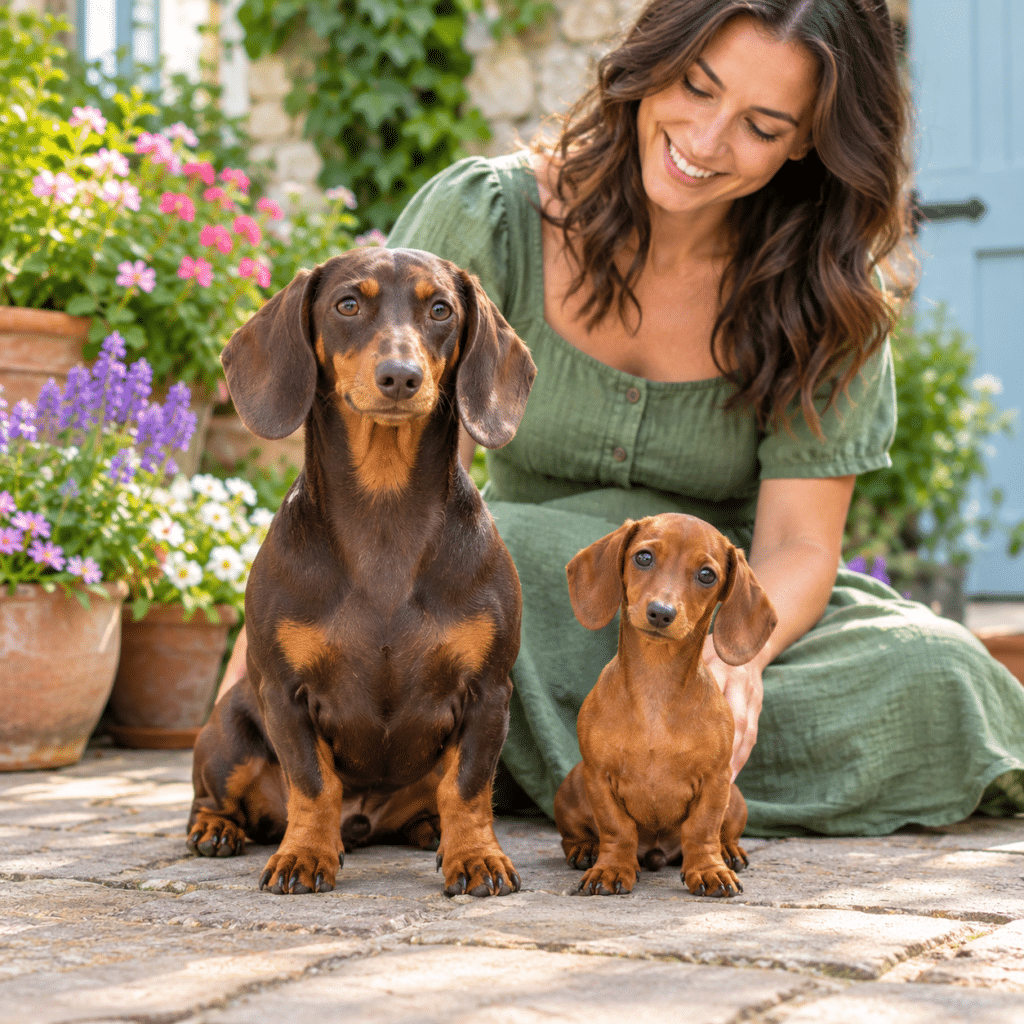
In the United States, Dachshunds are recognized in two sizes: standard and miniature.
Standard Dachshunds typically weigh between 16 and 32 pounds, while miniature Dachshunds weigh 11 pounds or less at 12 months of age and older.
You may also hear people describe a Dachshund as a “tweenie.”
That’s an informal nickname sometimes used for dogs whose weight falls between the usual miniature and standard ranges. It isn’t a separate officially recognized size.
Whether miniature or standard, both share the same distinctive body shape and many of the same lovable breed characteristics.
And don’t be surprised if a miniature Dachshund acts as though it’s the biggest dog in the neighborhood.
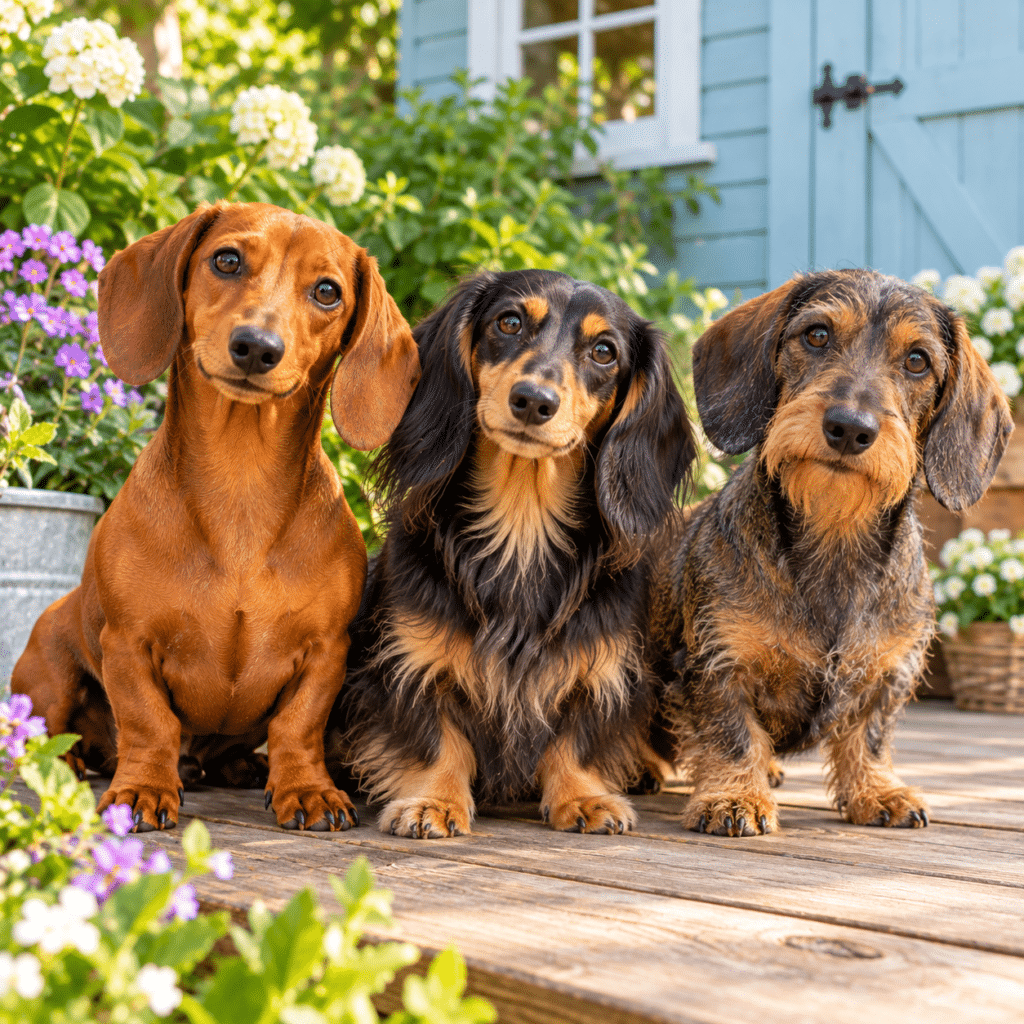
Not all Dachshunds have the same sleek, short coat.
The breed actually comes in three coat varieties, each with its own distinctive appearance.
Smooth-haired Dachshunds have short, shiny coats that generally require relatively little brushing.
Long-haired Dachshunds have soft, flowing hair, especially around their ears, chest, legs, and tail. Their coats need more frequent attention to prevent tangles.
Wire-haired Dachshunds have a rougher outer coat and often sport adorable eyebrows and a beard that give them a wonderfully expressive face.
All three varieties are unmistakably Dachshunds, but their different coats can make them look surprisingly different from one another.
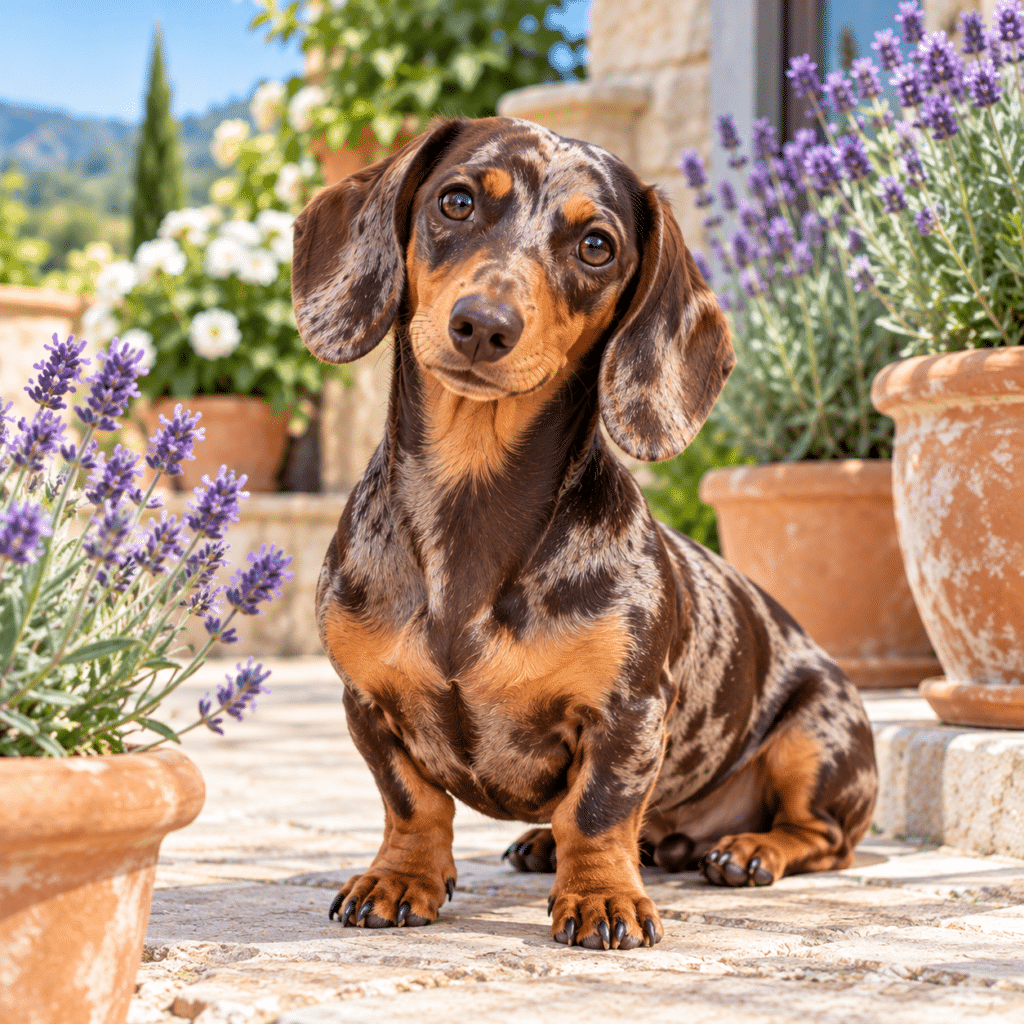
While many people picture a reddish-brown Dachshund, the breed comes in a wide range of colors and patterns.
Common colors include red, black and tan, chocolate and tan, and cream.
You may also see patterns such as dapple, brindle, sable, and piebald.
Dapple Dachshunds are especially eye-catching because their coats have lighter patches mixed with darker coloring.
However, coat color isn’t just about appearance.
Breeding two dapple Dachshunds together can increase the risk of serious eye and hearing abnormalities in puppies. Responsible breeders take these genetic risks seriously.
Whether your favorite is a smooth red Dachshund or a fluffy long-haired cream-colored one, there’s plenty of variety within this little breed.
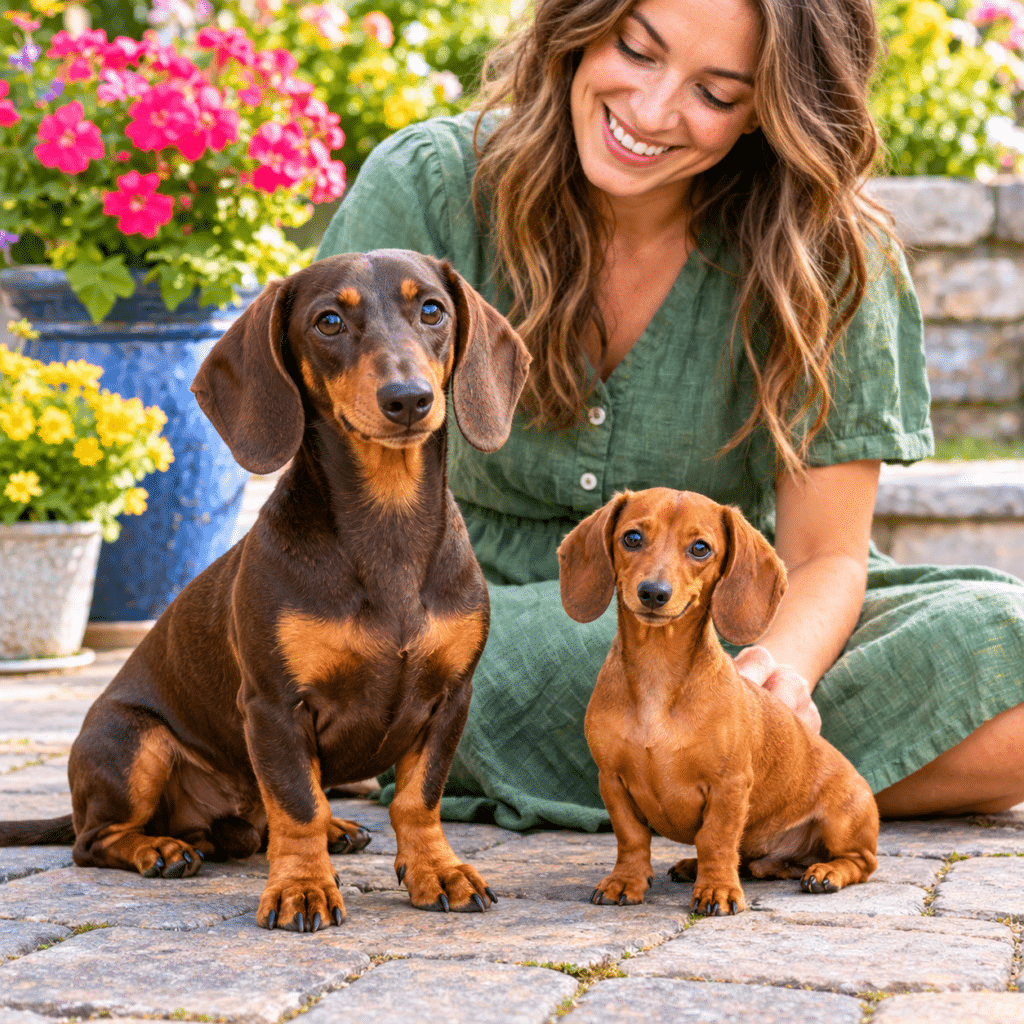
Dachshunds may have independent personalities, but many form remarkably strong bonds with their families.
Some develop a particular attachment to one person and seem determined to be wherever that person goes.
Cooking dinner? Your Dachshund may be supervising from the kitchen floor.
Watching television? Don’t be surprised if a little dog is already curled up beside you.
Heading to bed? Somebody may have arrived there first.
Many Dachshunds enjoy physical closeness, although not every dog wants constant cuddling.
Their loyalty is one of the qualities that makes them such treasured companions.

Just make sure your dog can get out easily and isn’t becoming overheated.
For many Dachshund owners, checking a blanket before sitting down becomes second nature.
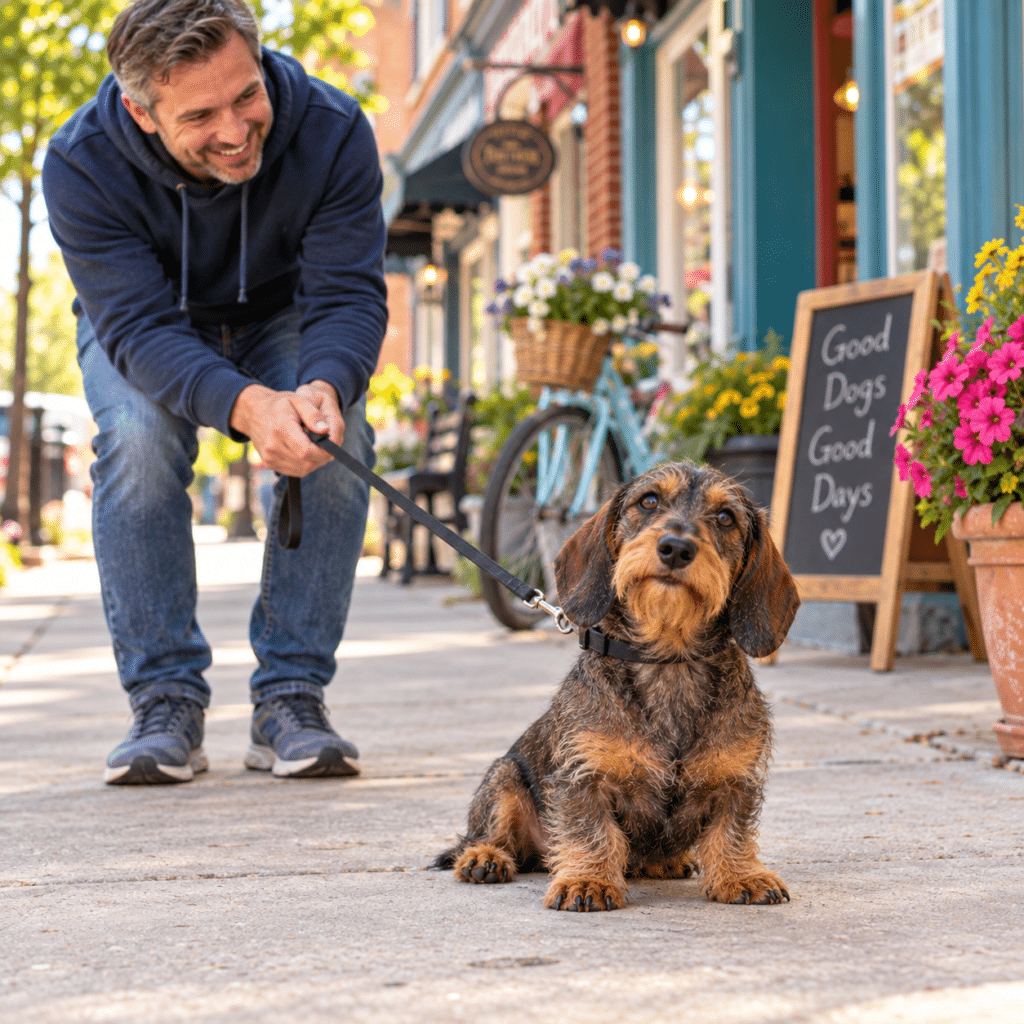
Dachshunds are intelligent dogs, but intelligence doesn’t always translate into immediate obedience.
They were developed to work independently, making decisions while pursuing animals underground.
That independent nature can still show up during training.
You might ask your Dachshund to come inside, only to receive a long, thoughtful stare.
Positive reinforcement, patience, and consistency are especially important with this breed.
Short training sessions with treats, praise, and games often work better than lengthy lessons.
House-training can sometimes require extra patience, particularly during bad weather when a Dachshund would rather remain warm and dry.
With the right approach, these clever little dogs can learn plenty.
They just might prefer to think the whole thing was their idea.
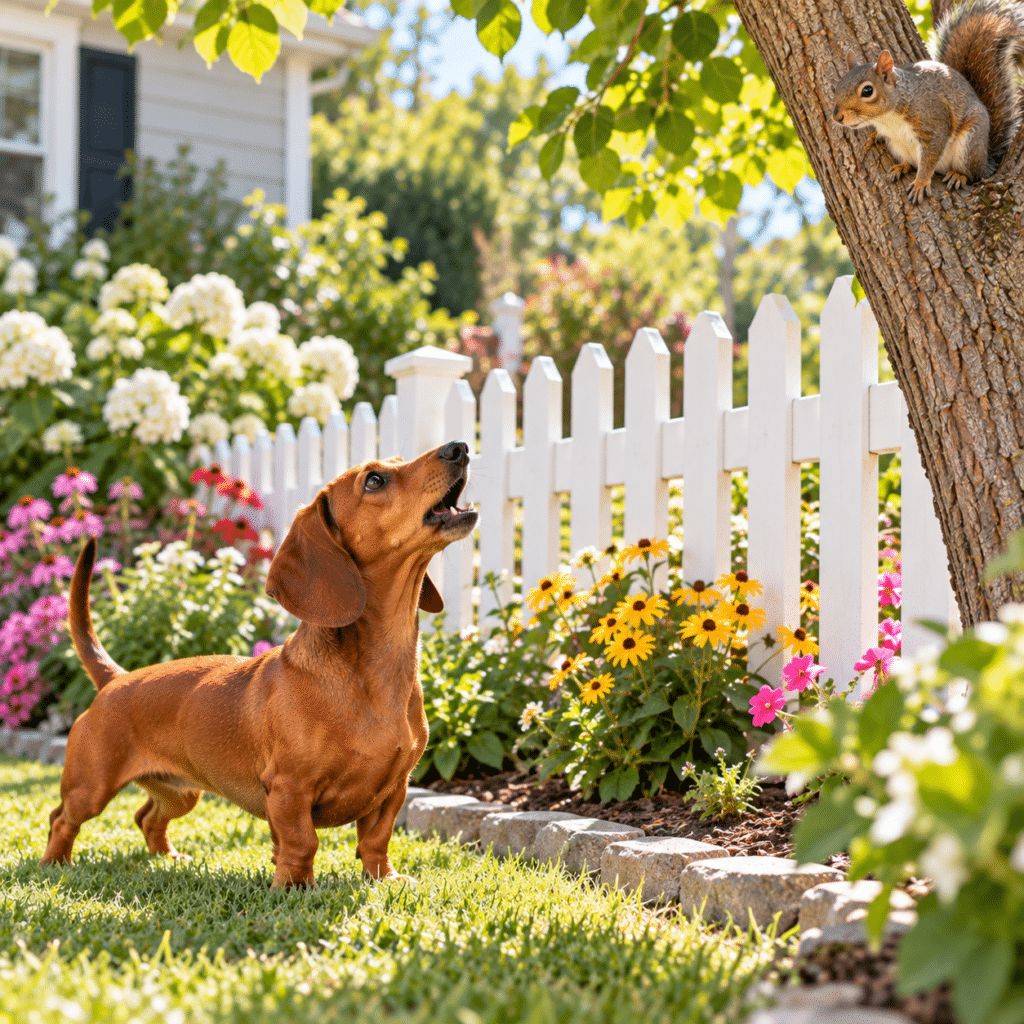
For such small dogs, Dachshunds can have impressively loud barks.
Their voices originally served a practical purpose, helping hunters locate them while they worked.
Today, that enthusiasm may be directed toward doorbells, delivery trucks, squirrels, or unfamiliar noises.
Some Dachshunds are naturally more vocal than others.
Early socialization, appropriate exercise, mental enrichment, and reward-based training can help manage excessive barking.
It’s also important to avoid accidentally rewarding unwanted barking with attention.
A Dachshund may not be much of a guard dog in the traditional sense, but many are enthusiastic about letting you know when something is happening.
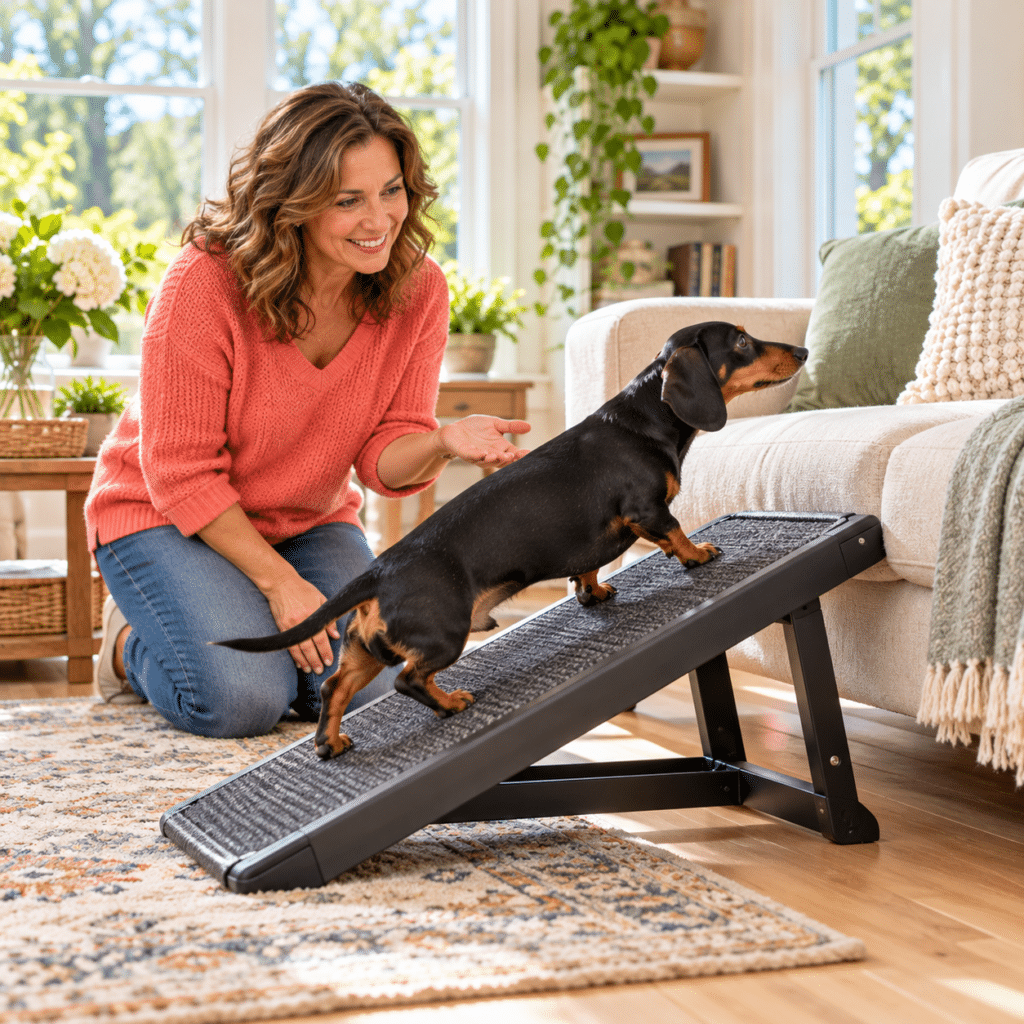
One of the most important things every Dachshund owner should understand is the breed’s increased risk of intervertebral disc disease (IVDD).
Because of their distinctive body structure and inherited characteristics, Dachshunds are particularly vulnerable to problems involving the discs between the bones of the spine.
IVDD can cause pain, weakness, difficulty walking, and sometimes paralysis.
Keeping your Dachshund at a healthy weight, providing appropriate exercise, and reducing unnecessary high-impact activities are sensible precautions.
Some owners use ramps or steps to help their dogs reach furniture, although no single preventive measure can eliminate IVDD risk.
It’s also important to support both the chest and rear when lifting a Dachshund.
Watch for warning signs such as sudden back pain, reluctance to move, trembling, a hunched posture, dragging the legs, or difficulty walking.
Sudden weakness, loss of coordination, or inability to walk requires emergency veterinary attention.
Back health is something to take seriously throughout a Dachshund’s life.
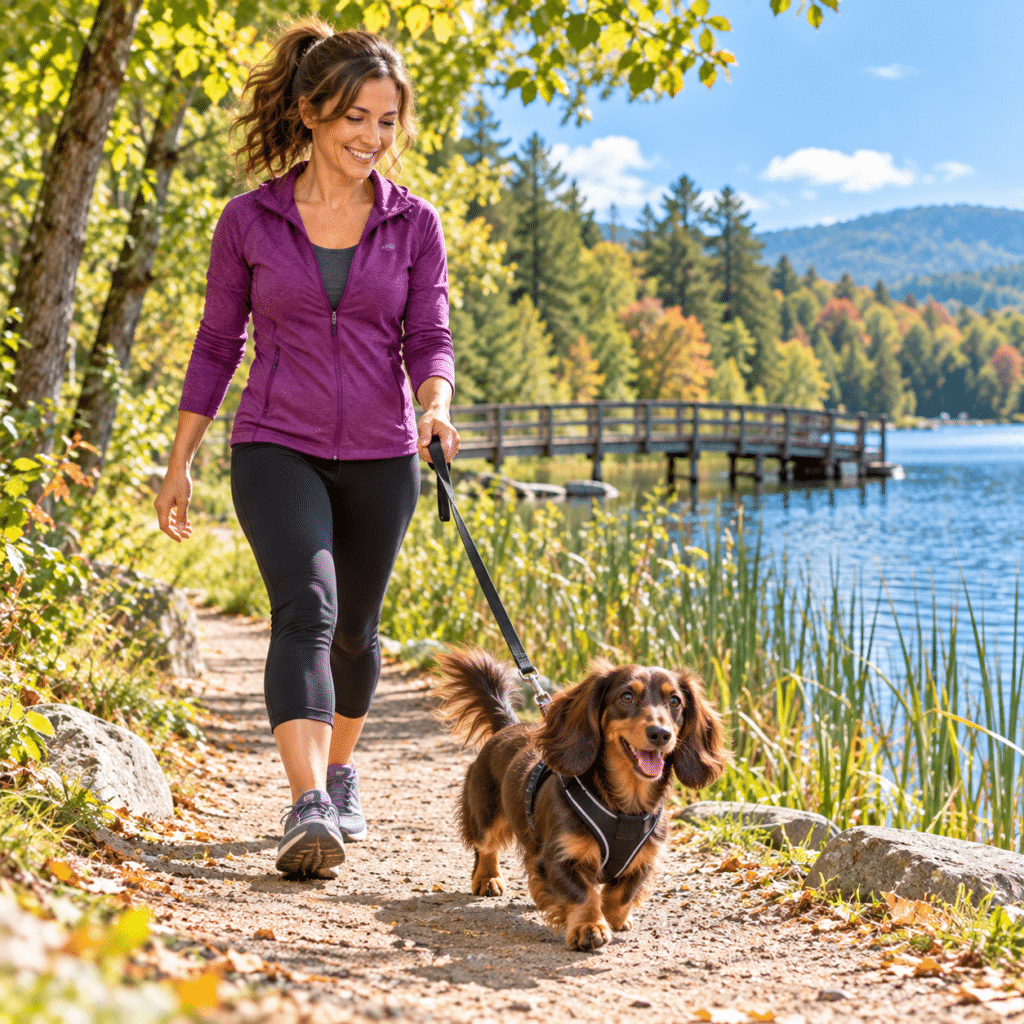
It’s easy to assume that a dog with such short legs doesn’t need much activity.
But Dachshunds are energetic little dogs with working-dog ancestry.
Many healthy adults enjoy regular walks, games, sniffing adventures, and opportunities to explore.
The appropriate amount of exercise depends on age, fitness, health, and whether the dog has a history of spinal problems.
For a healthy adult, regular moderate activity can help maintain muscle strength and prevent excess weight.
If your Dachshund has back pain or has been diagnosed with IVDD, follow your veterinarian’s specific activity recommendations.
And remember that mental exercise matters too.
Puzzle toys, scent games, and short training sessions can keep a curious Dachshund happily occupied.
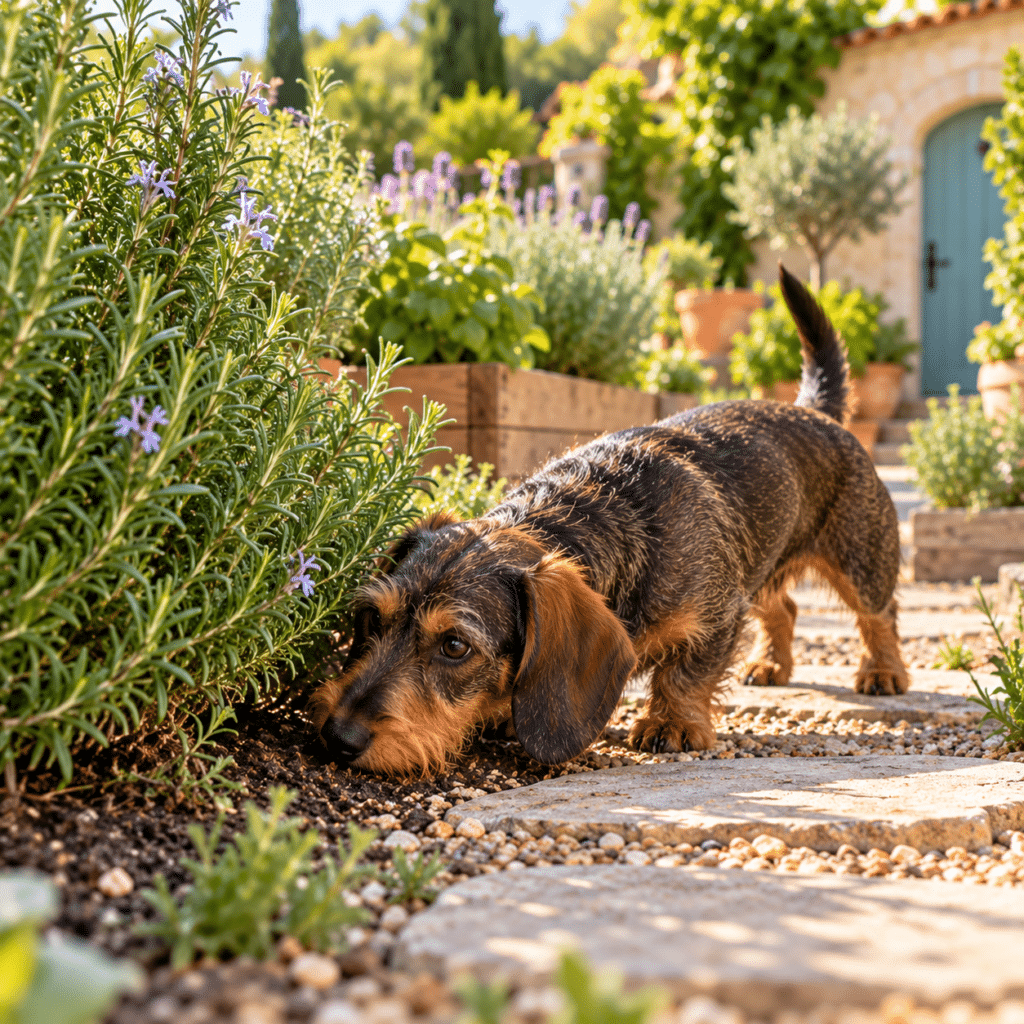
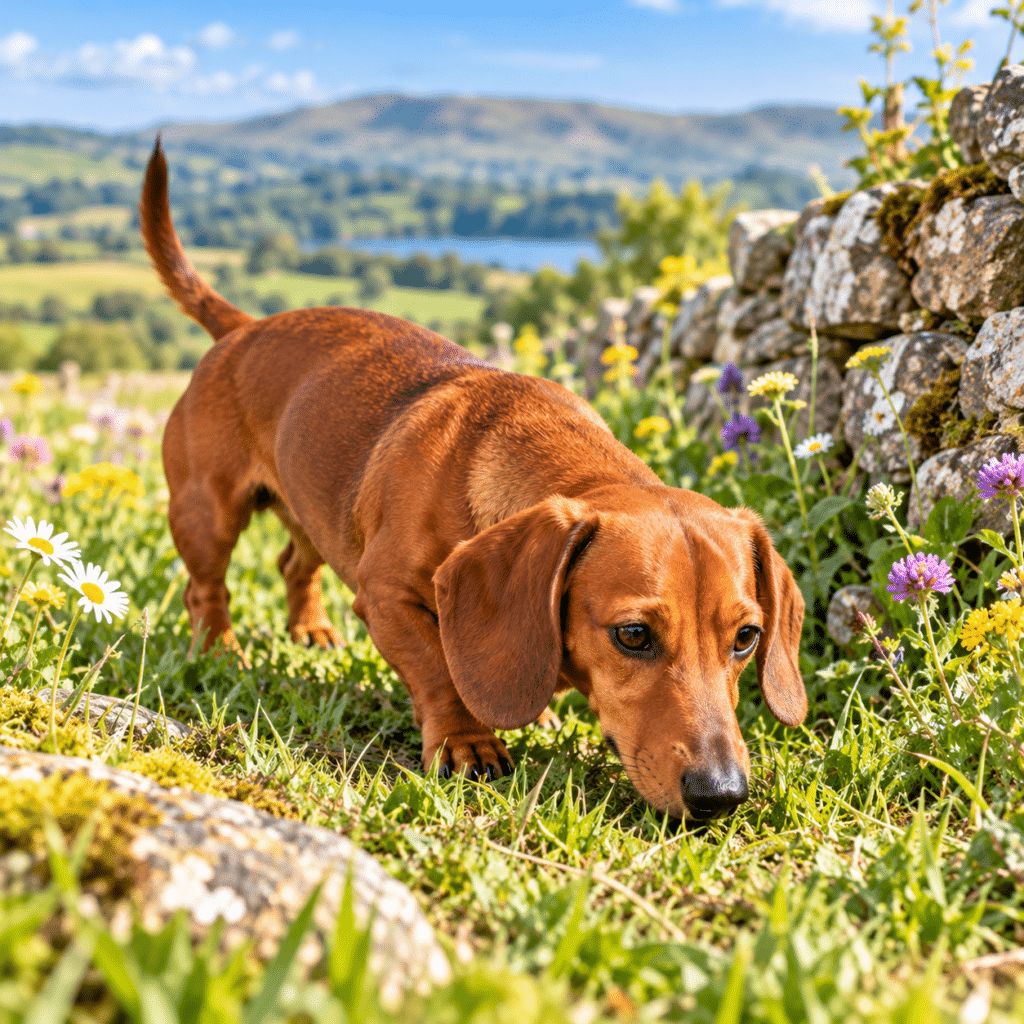
Dachshunds were bred to follow scents, and many still love investigating interesting smells.
A Dachshund on a walk may suddenly become fascinated by one particular patch of grass.
You may be ready to continue, but your dog has apparently discovered something of tremendous importance.
Scent games can be a wonderful way to entertain these curious companions.
Try hiding a few treats around a room or letting your Dachshund search for a favorite toy.
Because their hunting instincts can be strong, it’s wise to keep them leashed or in securely fenced areas when outdoors.
A squirrel, rabbit, or irresistible scent may be enough to send a determined Dachshund off on an unexpected adventure.
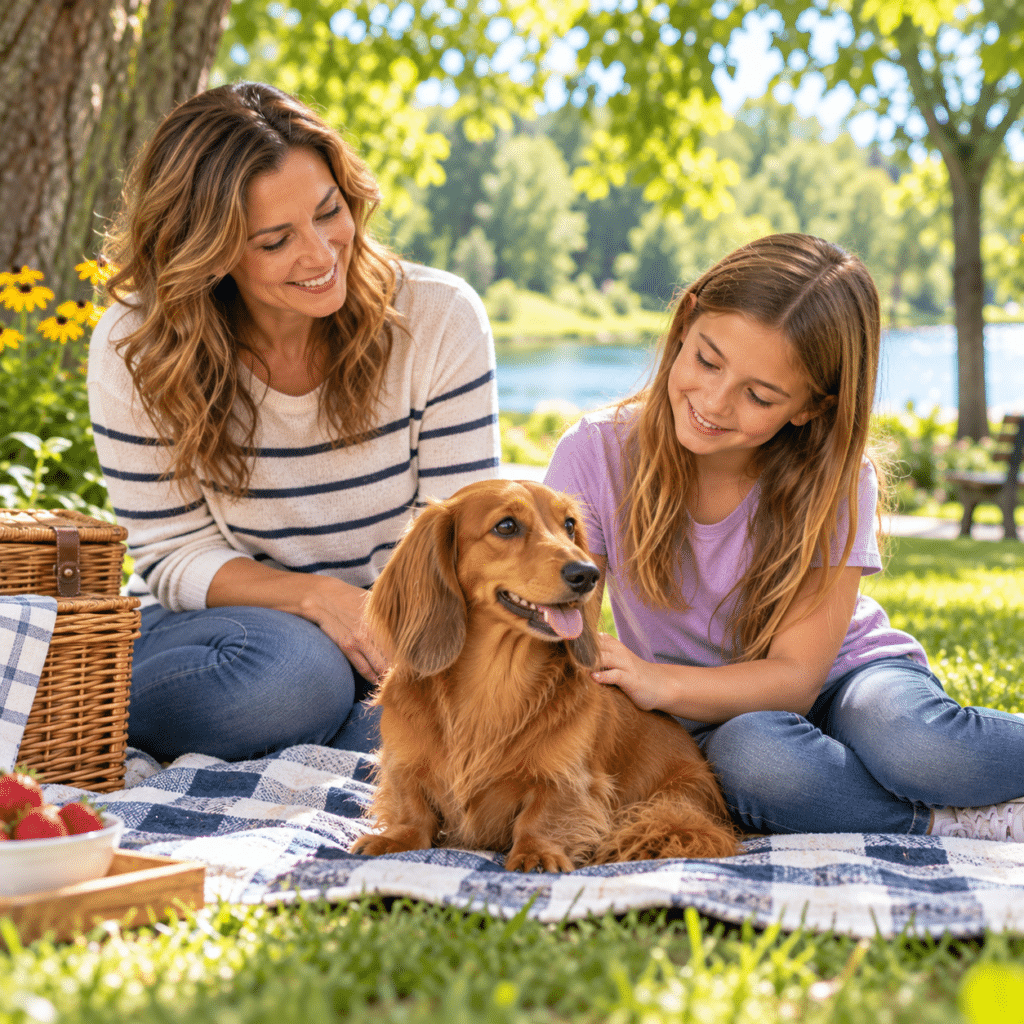
Dachshunds can be affectionate, playful family companions.
However, their small size doesn’t mean they’re automatically comfortable with every kind of handling.
Some may dislike being picked up unexpectedly, squeezed tightly, or disturbed while resting.
Children should learn to interact gently and respectfully with dogs, and young children should always be supervised around them.
It’s especially important to protect a Dachshund’s back during play.
Proper socialization can also help them feel more comfortable around unfamiliar people, dogs, and everyday experiences.
With thoughtful guidance and realistic expectations, many Dachshunds become cherished members of the family.
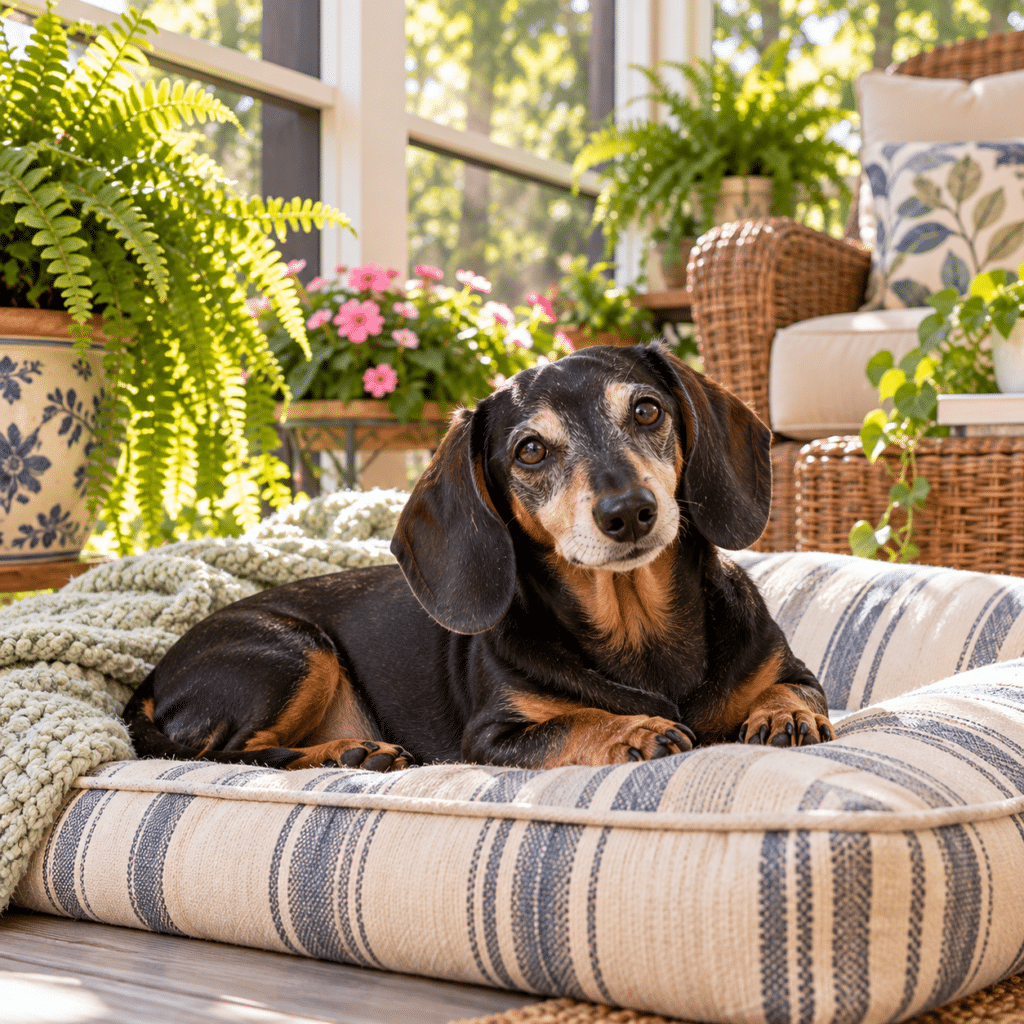
Dachshunds are generally considered a relatively long-lived breed.
Many live approximately 12 to 16 years, and some reach their late teens.
Of course, lifespan varies depending on genetics, health, lifestyle, and veterinary care.
Maintaining a healthy weight is particularly important because excess pounds place additional strain on their backs and joints.
Regular veterinary checkups, dental care, appropriate exercise, and a balanced diet can all support their well-being.
As Dachshunds grow older, they may need adjustments to their routines, bedding, exercise, and home environment.
A comfortable senior Dachshund can still have plenty of curiosity, affection, and personality to share.
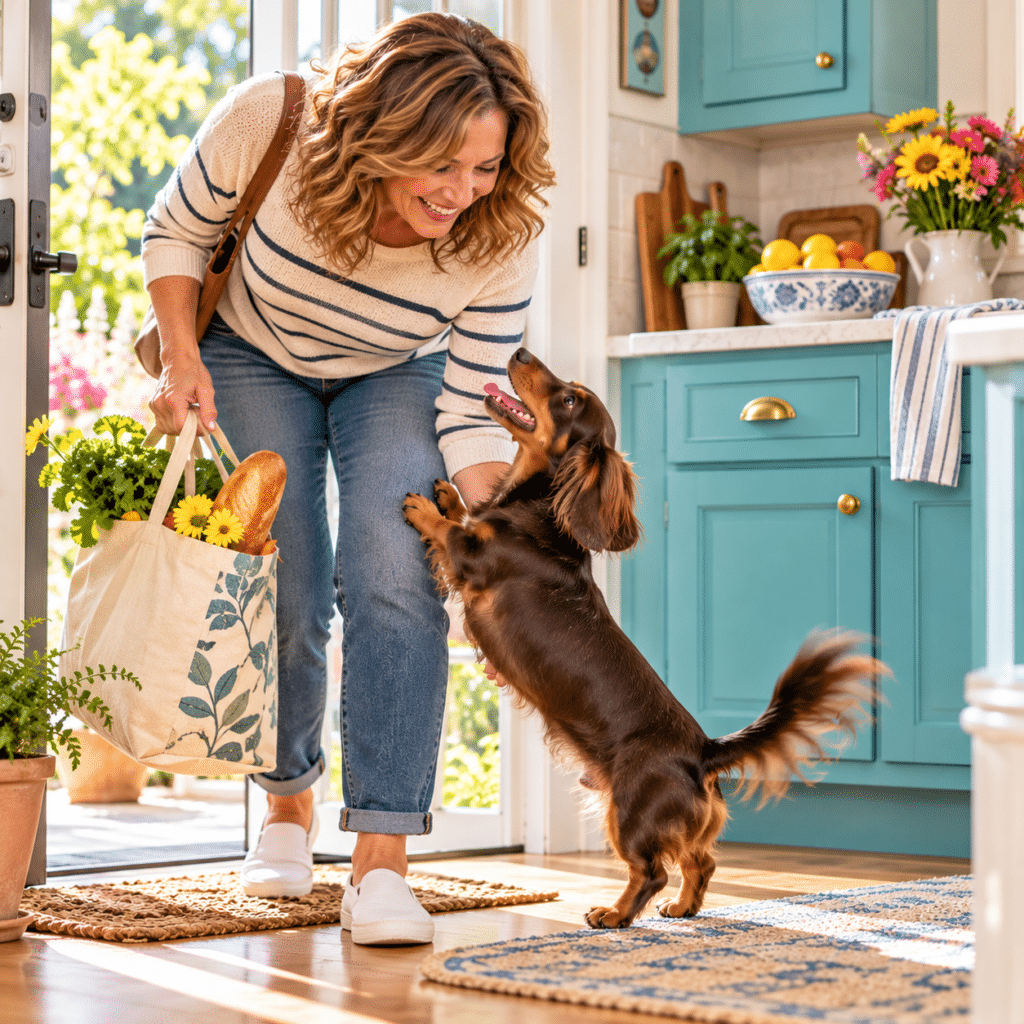
Ask a Dachshund owner what makes these little dogs special, and you’re likely to hear a story.
Maybe it’s about the dog who insists on sleeping beneath the blankets every night.
Or the one who barks at the mail carrier as though defending an entire kingdom.
Perhaps it’s the Dachshund who follows their favorite person everywhere but suddenly develops selective hearing when it’s time to come inside.
They can be stubborn, hilarious, affectionate, courageous, and occasionally a little dramatic.
But beneath all that personality is a loyal companion who often becomes deeply woven into everyday family life.
And once you’ve shared your home with a Dachshund, it’s easy to understand why so many people fall completely in love with these unforgettable little dogs.
Dachshunds can be wonderful companions for people who appreciate a small dog with plenty of character.
They’re often affectionate, entertaining, and devoted to their families.
But they also need patient training, regular exercise, appropriate socialization, and special attention to back health.
Their barking, digging instincts, and independent personalities may not suit every household.
Before choosing a Dachshund, consider whether your lifestyle and home environment can accommodate their needs.
For the right family, though, life with a Dachshund can bring years of laughter, companionship, and unforgettable memories.
Do you have a Dachshund in your life? We’d love to hear about your little sausage dog’s funniest habits, favorite hiding places, and biggest personality quirks!




