Newsletter Subscribe
Enter your email address below and subscribe to our newsletter

 ByDiana
Taking good care of a dog isn’t always about doing something big.
More often, it’s the little things we do every day that make the biggest difference.
Fresh water. A comfortable place to sleep. Time outside to sniff around. A few minutes of undivided attention. These things aren’t particularly exciting, but together they help create a life where a dog feels safe, comfortable, and included.
With five dogs in our house, I’ve also learned that happiness doesn’t look exactly the same for every dog. One may want to be right beside you while another is perfectly content relaxing in a favorite bed—as long as they know where everyone is.
Good dog care means paying attention to the individual dog in front of you.
Here are 10 simple things that can help make your dog’s everyday life a little better.
Affiliate Disclosure: This article contains affiliate links. If you make a purchase through one of these links, Dogs Make Days Better may earn a small commission at no additional cost to you. We only feature products we believe may be useful to dog owners.
A walk doesn’t have to be a race from your front door and back.
Dogs experience much of their world through their noses. That patch of grass you walk past every day may contain all sorts of interesting information for your dog.
Allowing your dog some time to stop and sniff can make an ordinary outing more interesting.
This doesn’t mean your dog has to control the entire walk. You can still keep things moving when necessary.
But sometimes it’s worth remembering that the walk is their outing too.
A little extra sniffing time costs us almost nothing, and many dogs seem to thoroughly enjoy it.
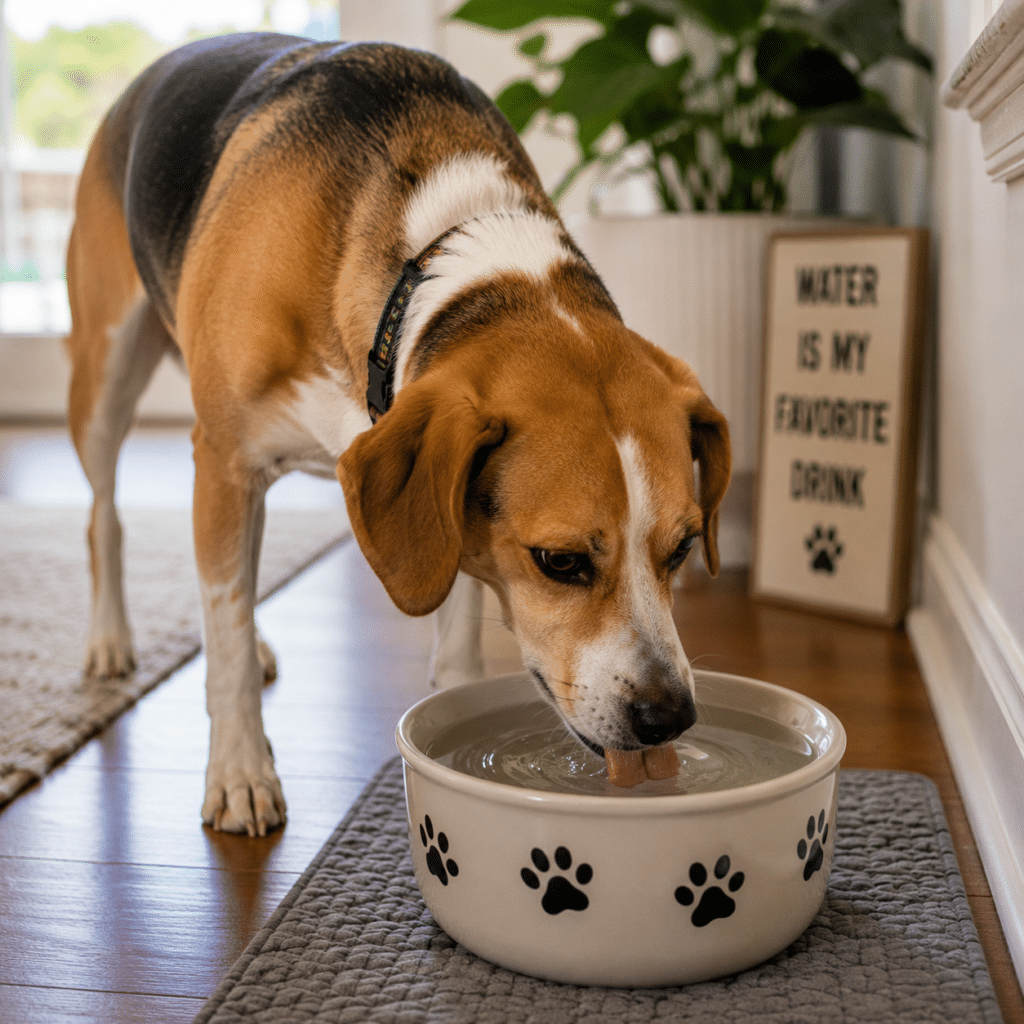
This is one of the simplest parts of dog care, but it’s worth mentioning because water bowls can become dirty surprisingly quickly.
Give your dog regular access to clean, fresh water unless your veterinarian has instructed otherwise for a specific reason.
Wash water bowls routinely rather than simply topping them off indefinitely.
If you have several dogs, pay attention to how quickly bowls empty.
In our house, five dogs can make what looks like plenty of water disappear faster than you’d expect.
It’s one of those small household tasks that becomes automatic when dogs are part of the family.
A sturdy, easy-to-clean water bowl or pet fountain can make it easier to keep fresh water available throughout the day, especially for dogs who prefer moving water.
Dogs sleep and rest quite a bit, so a comfortable resting place matters.
Some dogs love thick beds. Others prefer blankets, couches, cool floors, or a sunny patch near a window.
Older dogs or dogs with mobility limitations may especially appreciate easily accessible resting areas and surfaces that provide good support.
And then there are dogs who have several perfectly good beds but still decide that your spot is clearly superior.
The important thing is that your dog has somewhere safe and comfortable to relax without constantly being disturbed.
A supportive dog bed can make a favorite resting spot even more comfortable, especially for older dogs who may appreciate a little extra cushioning for tired joints.
We can be physically near our dogs for hours without really interacting with them.
We’re watching television, checking our phones, working, cooking, cleaning, or doing a dozen other things.
Try giving your dog a few minutes of your complete attention.
Play with a favorite toy.
Practice a couple of simple cues.
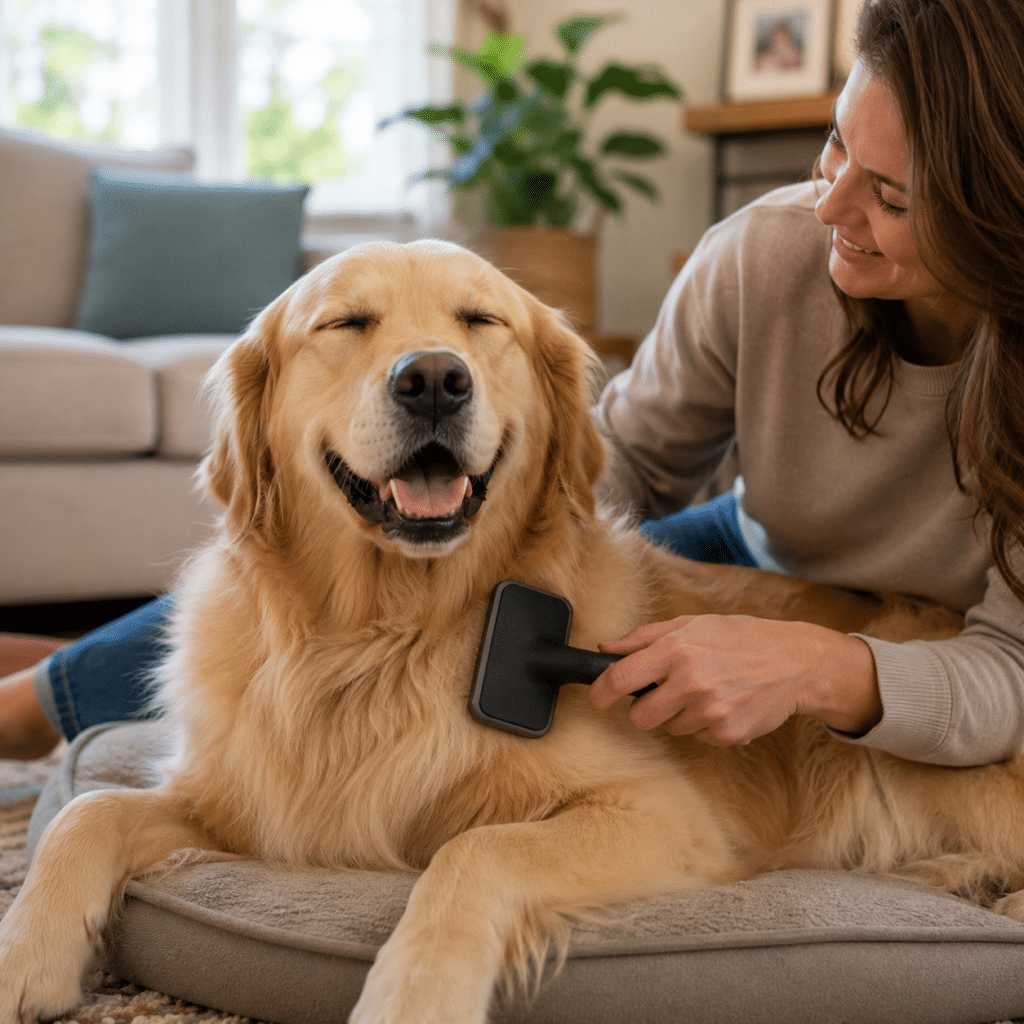
Give them a gentle brushing if they enjoy it.
Sit down and give them affection.
It doesn’t have to be a scheduled hour-long activity.
Sometimes a few minutes when your dog has your undivided attention can be a meaningful part of the day.
Dogs need more than physical activity.
Mental enrichment can make everyday life more interesting.
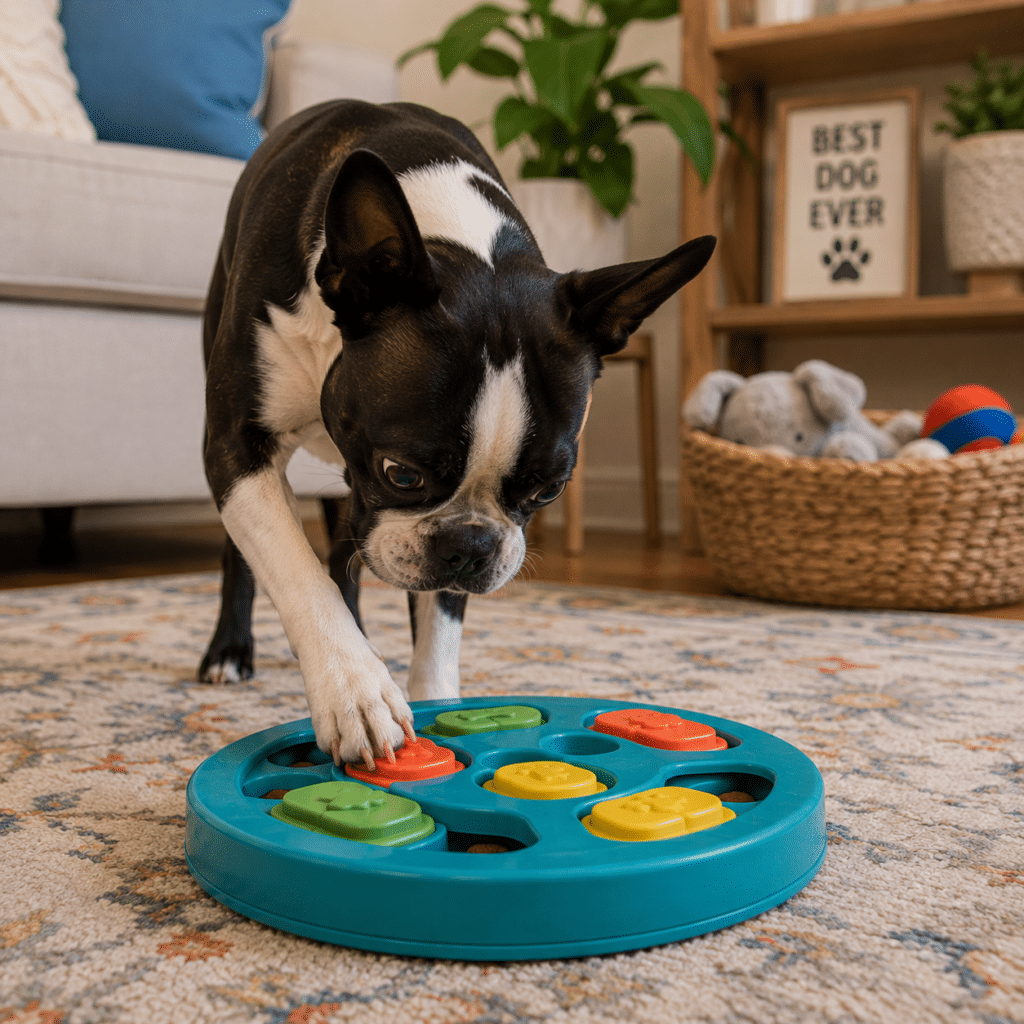
That might mean a food puzzle, a sniffing game, short training session, appropriate chew, or simply hiding a few treats and letting your dog search for them.
You don’t necessarily need expensive dog toys.
Even changing your walking route occasionally can give your dog new things to investigate.
Choose activities appropriate for your dog’s age, health, size, and personality, and supervise toys or chews when needed.
The goal isn’t to keep your dog entertained every waking minute.
It’s simply to provide opportunities to think, explore, and engage with the world.
Keeping a few interactive or treat-dispensing toys in the rotation can give your dog something interesting to figure out, especially on days when outdoor activity is limited.
Dogs communicate with us constantly.
The problem is that we don’t always notice.
Body posture, facial expressions, movement, vocalizations, and changes in behavior can all give us information about how a dog may be feeling.
Pay attention to your own dog’s normal behavior.
You’ll start recognizing when they’re excited, relaxed, uncertain, tired, interested, or ready for some space.
This is particularly helpful in a multi-dog household.
Each dog has an individual personality. What one dog enjoys may make another uncomfortable.
The better we become at noticing those differences, the easier it is to respond appropriately.
Dogs don’t need every minute of every day to follow a rigid schedule.
But many dogs seem to appreciate knowing roughly what to expect.
Meals happen around familiar times.
There are opportunities to go outside.
The household settles down in the evening.
People leave and come home.
Predictable routines can make everyday life easier to understand.
Our dogs certainly know when something usually happens. You can forget what time it is, but somehow the dogs rarely forget when dinner should be approaching.
Consistency can be particularly helpful during periods when other things in the household are changing.
Grooming isn’t only about making a dog look nice.
Depending on the dog, routine care may include brushing, nail maintenance, dental care, bathing, ear care, and coat maintenance.
The exact needs vary tremendously.
A short-coated dog and a long-coated dog aren’t going to have identical grooming routines.
Make grooming as positive and comfortable as possible, and introduce handling gradually when needed.
If you’re unsure how to safely perform a grooming task, ask your veterinarian or a qualified professional groomer rather than guessing.
Regular grooming also gives you an opportunity to notice changes such as lumps, irritated skin, sore areas, or other concerns that might otherwise be easy to miss.
Dogs need appropriate physical activity, but more isn’t automatically better.
A young, energetic dog may enjoy considerably more activity than an older dog.
Breed, health, weather, conditioning, mobility, and individual personality all matter.
Exercise can include walks, games, swimming where appropriate, training activities, or other forms of movement your dog enjoys.
Pay attention to your dog’s abilities rather than comparing them with somebody else’s dog.
And remember that needs can change over time.
The activity that was perfect several years ago may need to be adjusted as your dog ages.
If you’re unsure what level of exercise is appropriate because of a health condition or mobility issue, talk with your veterinarian.
One of the most important parts of caring for a dog is simply knowing what’s normal for your dog.
You know how enthusiastically they usually eat.
You know how they walk.
You know where they sleep.
You know how much they normally drink and how excited they usually get about favorite activities.
That makes you more likely to notice when something changes.
A sudden difference in appetite, thirst, bathroom habits, mobility, breathing, energy, sleep, weight, or behavior shouldn’t automatically be dismissed.
Sometimes the explanation is harmless.
Other times, a change is the first sign that your dog needs veterinary attention.
When you’re concerned, it’s better to contact your veterinarian than try to diagnose the problem yourself.
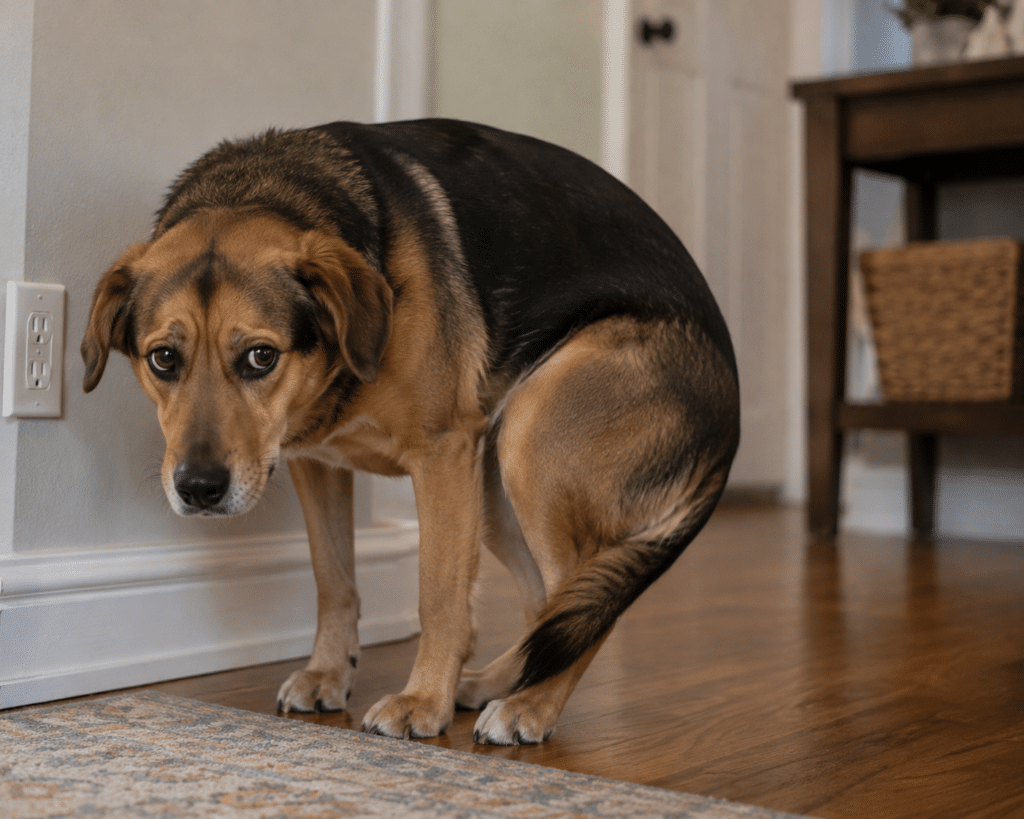
We naturally want to give our dogs the best life possible.
Fortunately, that doesn’t require making every day extraordinary.
Dogs live much of their lives in the ordinary moments right alongside us.
It’s filling the water bowl.
Taking the walk.
Making room on the couch.
Noticing when something seems different.
Laughing when they do something ridiculous.
And occasionally abandoning whatever you planned to do because a dog has fallen asleep on your lap and moving suddenly seems completely unreasonable.
With five dogs, there are certainly days when caring for everyone feels like a lot of work. But those routines also become such a normal part of life that it’s difficult to imagine the house without them.
Good dog care isn’t about being a perfect dog owner. It’s about paying attention, being consistent, and giving the dog in front of you what they need to feel safe, comfortable, healthy, and loved.