Newsletter Subscribe
Enter your email address below and subscribe to our newsletter

 ByDiana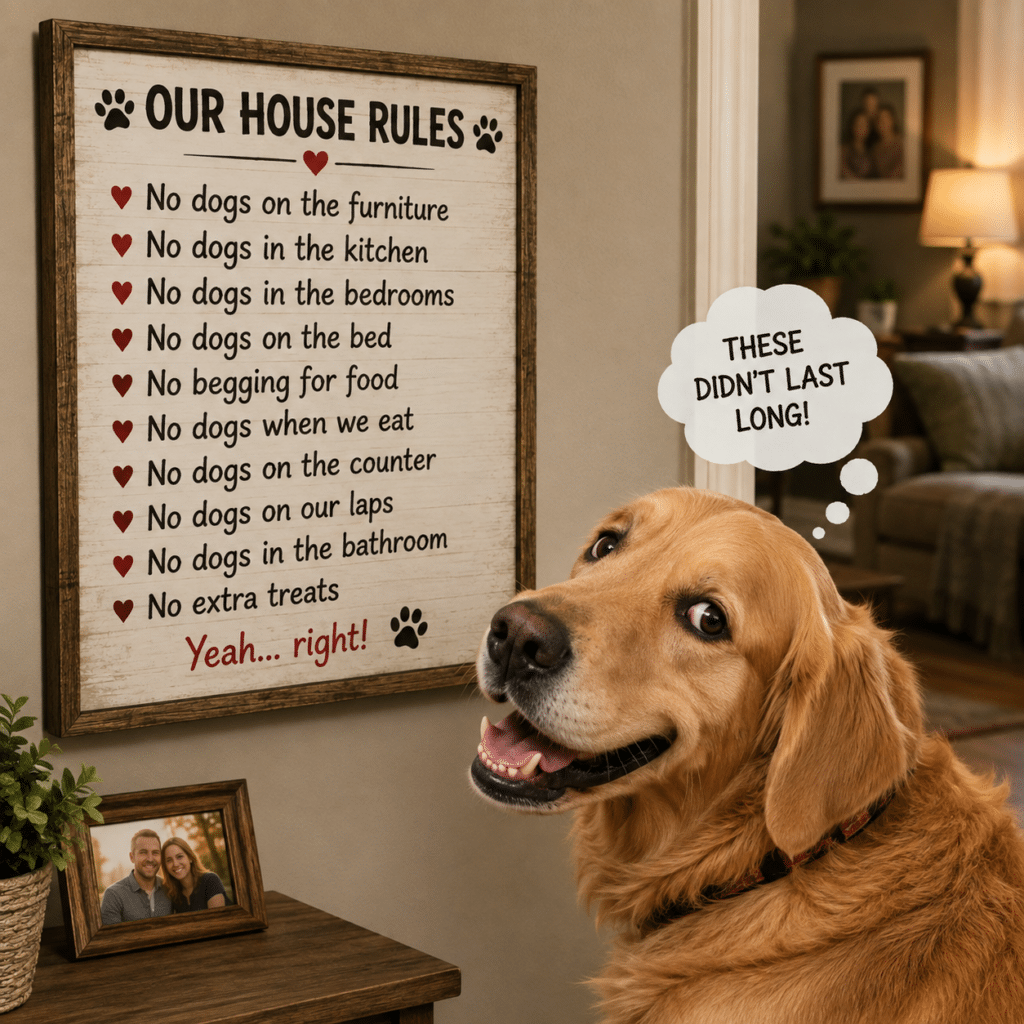
Before you bring a dog home, you have rules.
Good rules. Sensible rules.
The dog won’t be allowed on the furniture. There will be no begging at the table. Dog toys will stay neatly in one place, and under absolutely no circumstances will the dog sleep in your bed.
Then the dog arrives.
A few weeks—or possibly a few hours—later, you’re squeezed into the corner of your own couch while the dog sleeps comfortably across three cushions.
Somewhere along the way, the rules changed.
That’s one of the funny things about living with dogs. They don’t necessarily break our house rules. They simply convince us that the rules weren’t very important in the first place.
Here are 15 house rules that have a funny way of disappearing once a dog becomes part of the family.
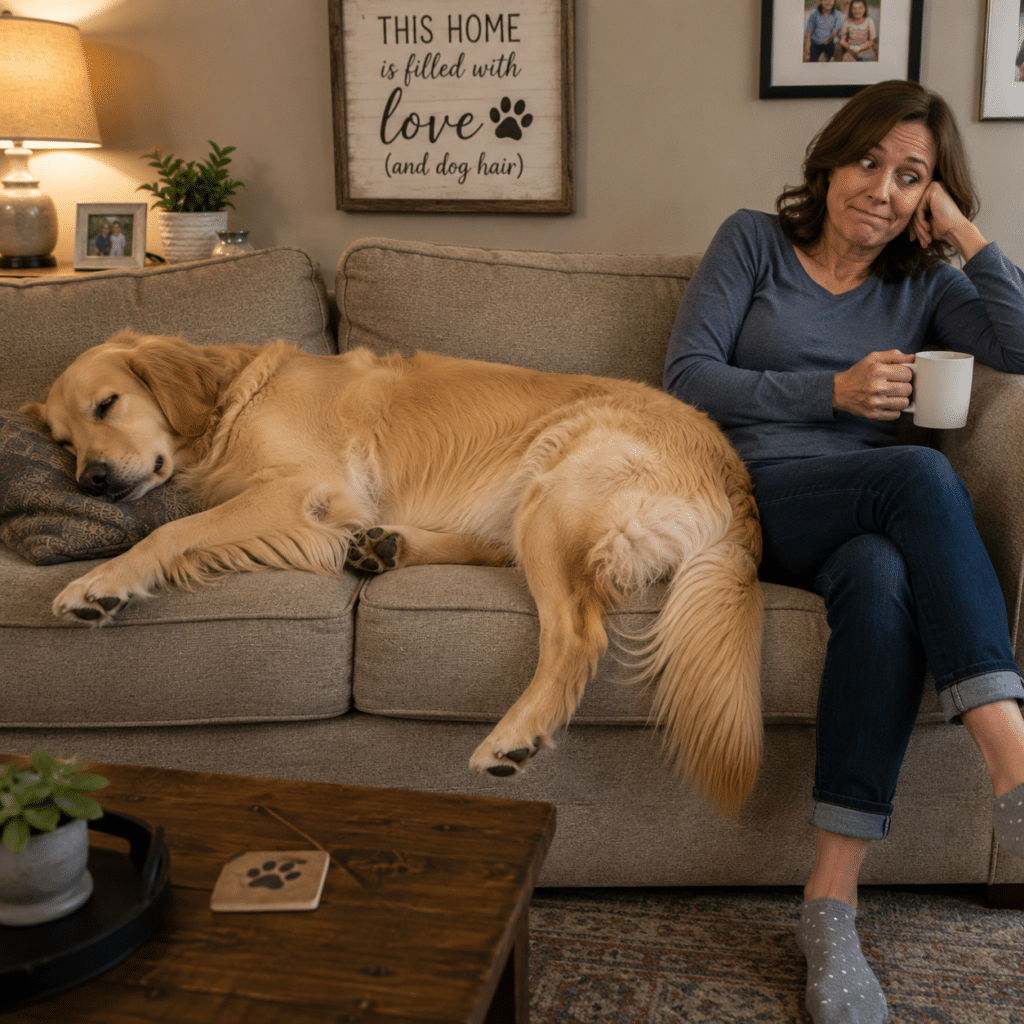
This may be the most famous pre-dog rule of all.
You imagine muddy paws, dog hair, and scratched furniture, so the decision seems perfectly reasonable.
Then one evening, your dog looks up at you from the floor.
You make an exception.
“Just this once.”
Before long, the dog has a favorite cushion, a favorite blanket, and possibly a preferred side of the couch.
Meanwhile, you’re asking the dog to scoot over so you can sit down.
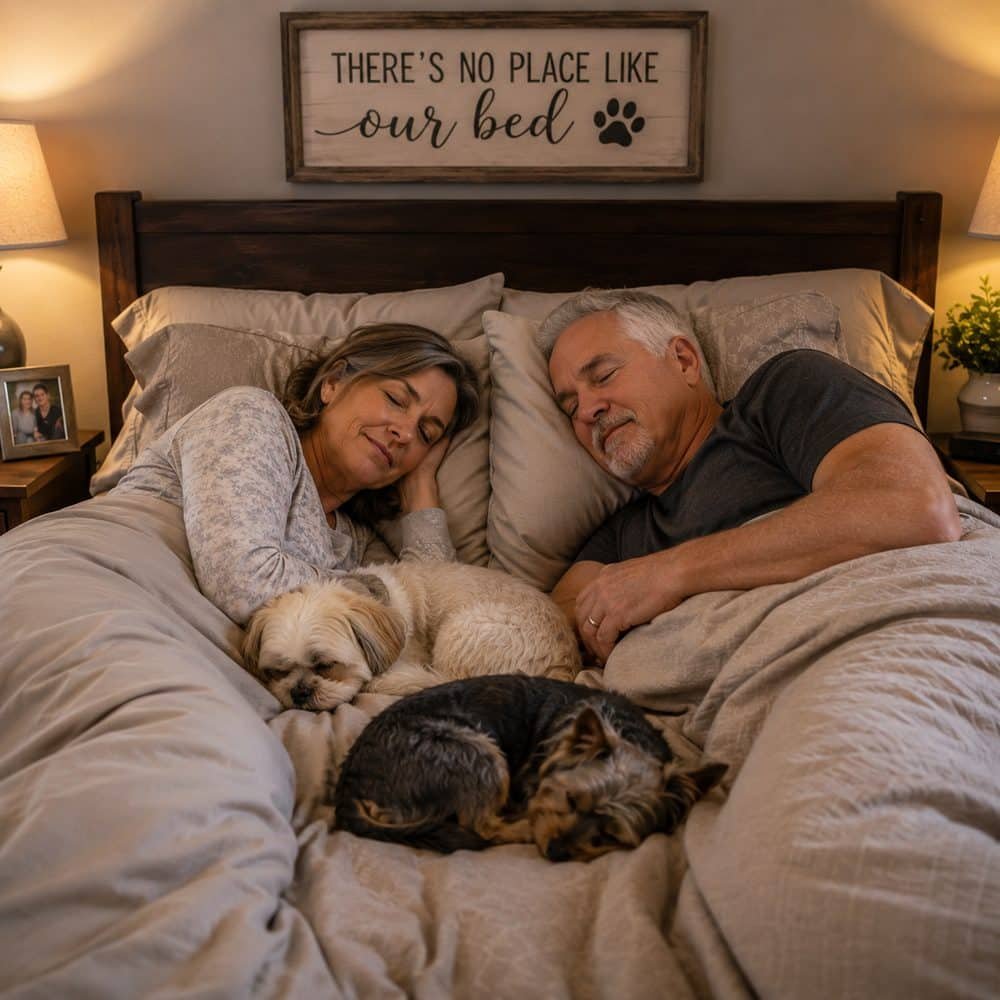
This rule often begins with great confidence.
The dog has a perfectly nice bed on the floor. Why would they need yours?
Then comes a thunderstorm. Or a cold night. Or one particularly convincing pair of puppy-dog eyes.
Soon you’re sleeping sideways while your 15-pound dog somehow occupies the space of a full-grown person.
Eventually, you stop asking why the dog is in your bed and start wondering why you’re allowed in theirs.
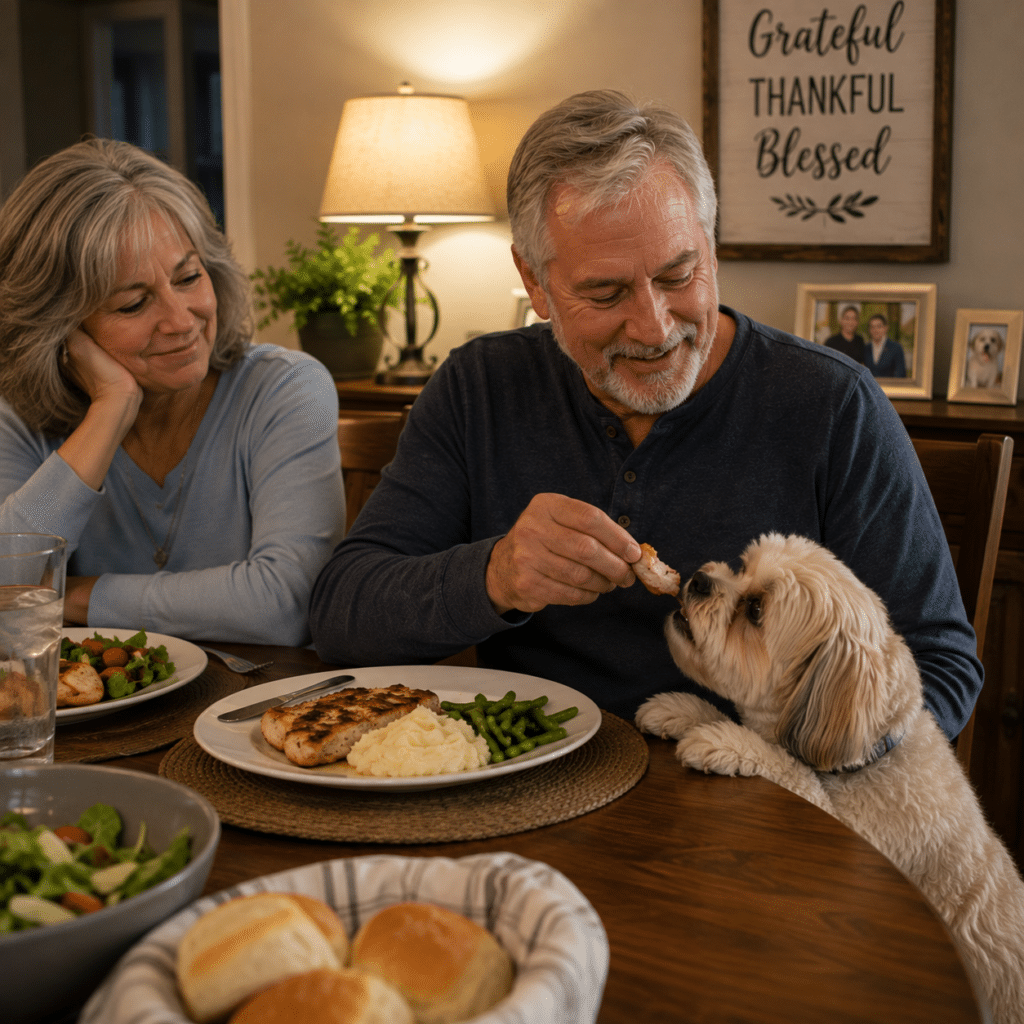
At first, everyone agrees.
Human food is human food. Dog food is dog food.
Simple.
Then a tiny piece of chicken accidentally finds its way under the table.
Your dog remembers this event forever.
Now every family meal includes an audience staring at you with the concentration of someone watching the final seconds of a championship game.
And there’s usually at least one person whispering, “Don’t tell anybody I gave you this.”
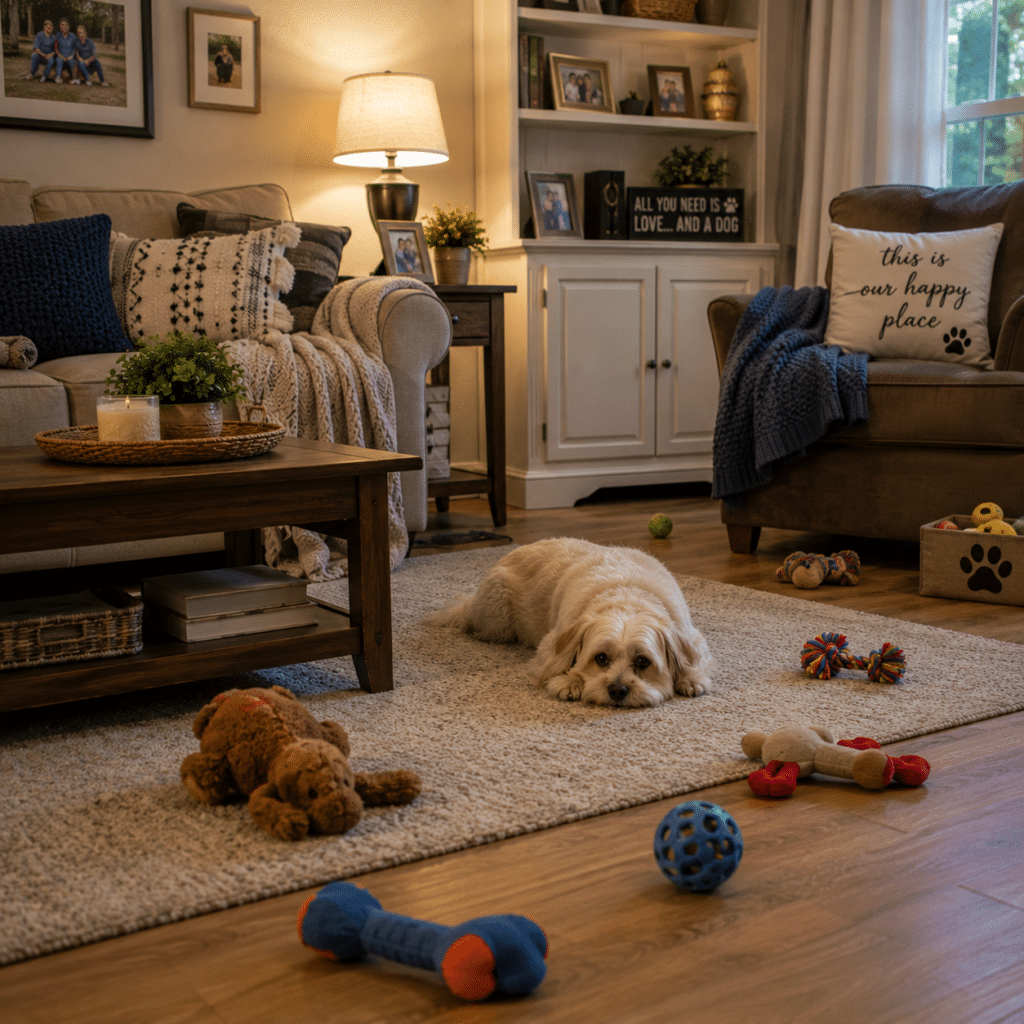
You buy a cute basket for the toys.
For approximately five minutes, everything looks organized.
Then your dog begins decorating.
A squeaky toy appears in the hallway. A ball rolls under the couch. A stuffed animal lands beside your bed. Something you haven’t seen in three months suddenly appears in the middle of the kitchen.
Eventually, the entire house becomes the toy box.
Your dog needs food, bowls, a leash, and a bed.
That’s it.
At least that’s what you tell yourself.
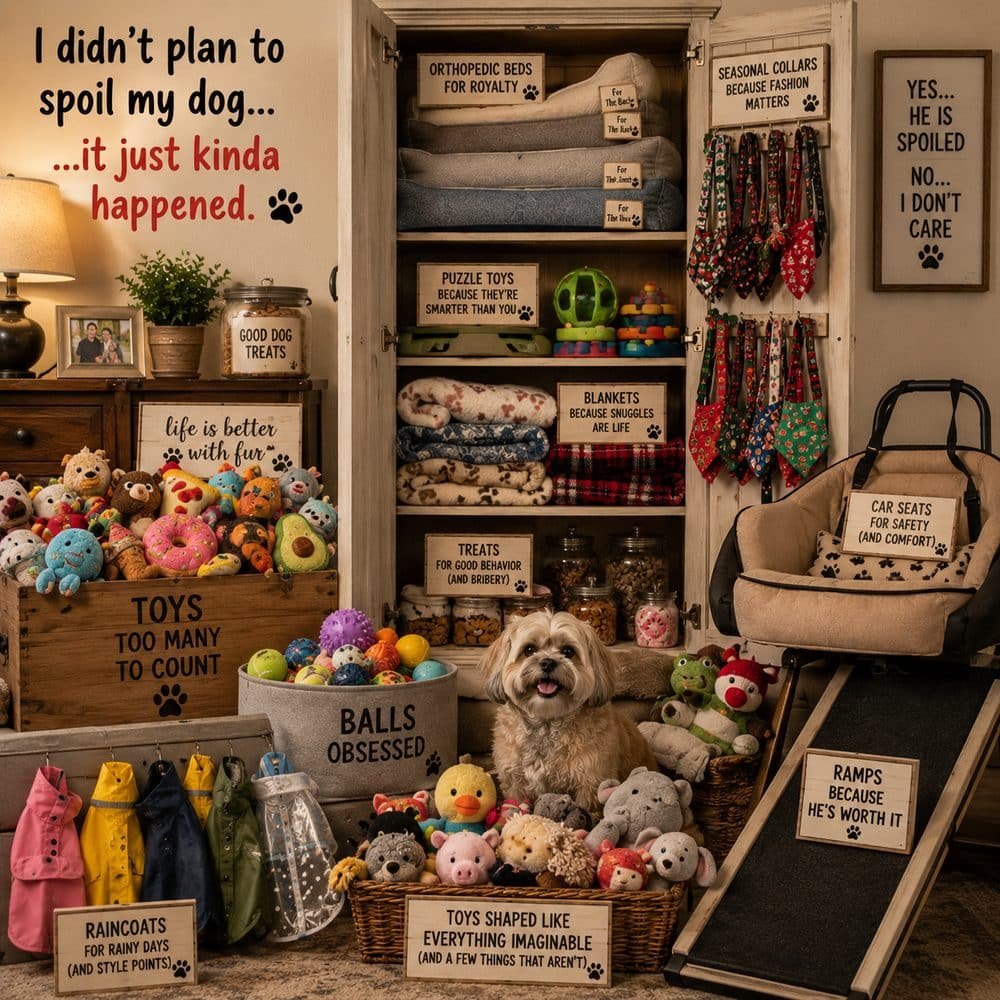
Then you discover orthopedic beds, puzzle toys, adorable blankets, seasonal collars, treat jars, car seats, ramps, raincoats, and toys shaped like everything imaginable.
One day you open a cabinet and realize your dog has more belongings than some houseguests.
Maybe you planned to keep the bedroom dog-free.
Or the kitchen.
Or perhaps there was one chair, rug, or room that would remain untouched by paws.
Dogs are remarkably good at negotiating these boundaries without saying a word.
First they stand at the doorway.
Then one paw crosses the line.
Eventually they’re asleep in the middle of the supposedly forbidden room.
Rule forgotten.
Then you start noticing things.
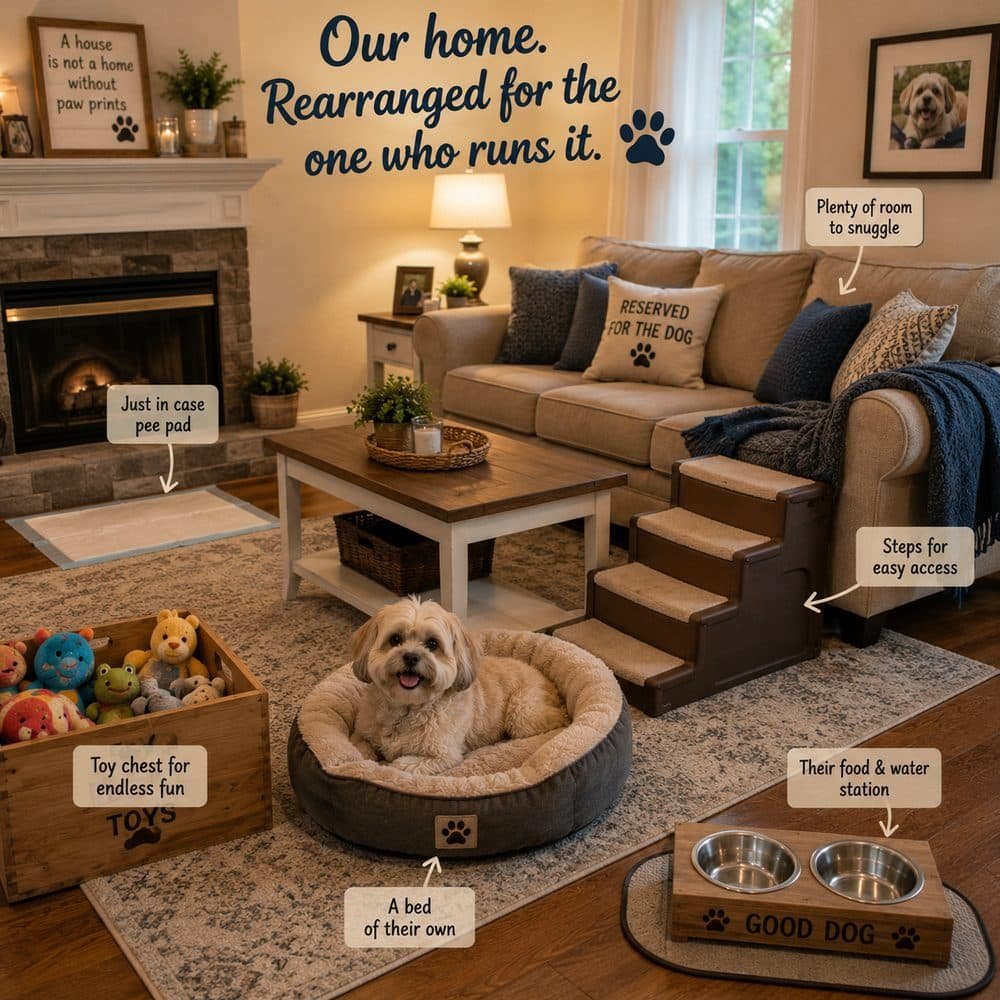
The dog bed fits better near the window.
The water bowl needs to move because everyone keeps kicking it.
The senior dog could use a rug on the slippery floor.
A little set of steps would make getting onto the couch easier.
Before long, you’ve become your dog’s interior decorator.
And strangely enough, you’re happy about it.
This one sounds especially reasonable.
Then your dog appoints themselves head of home security.
Delivery truck? Alert.
Neighbor closing a car door? Alert.
Squirrel behaving suspiciously? Major alert.
Plastic bag blowing down the street?
Apparently an emergency requiring immediate attention.
You still tell them to stop barking, of course. But part of you has accepted that you’ll never again receive a package quietly.
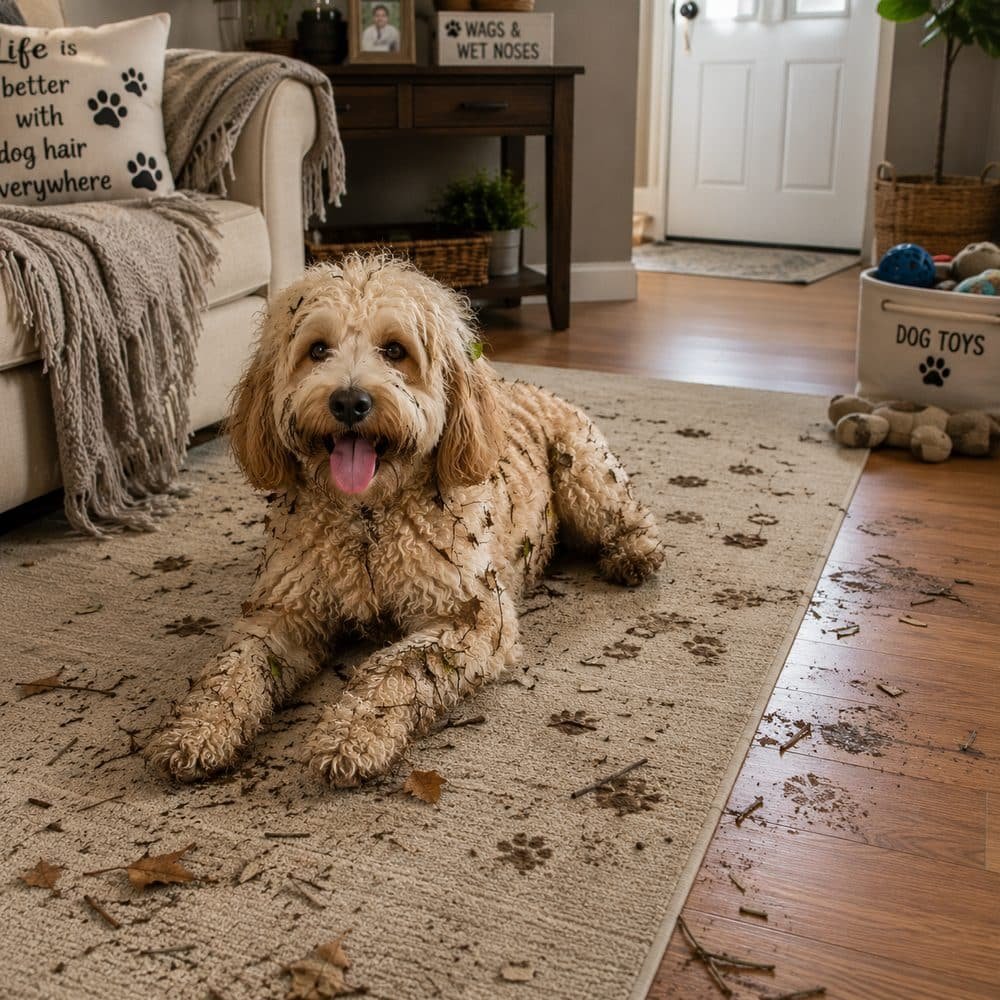
Dog owners still clean their floors.
We simply develop more realistic expectations.
There will be paw prints.
There will be dog hair.
There will occasionally be tiny pieces of leaves carried inside for reasons known only to the dog.
You sweep. You vacuum. You mop.
Then the dog comes inside.
And you start over.
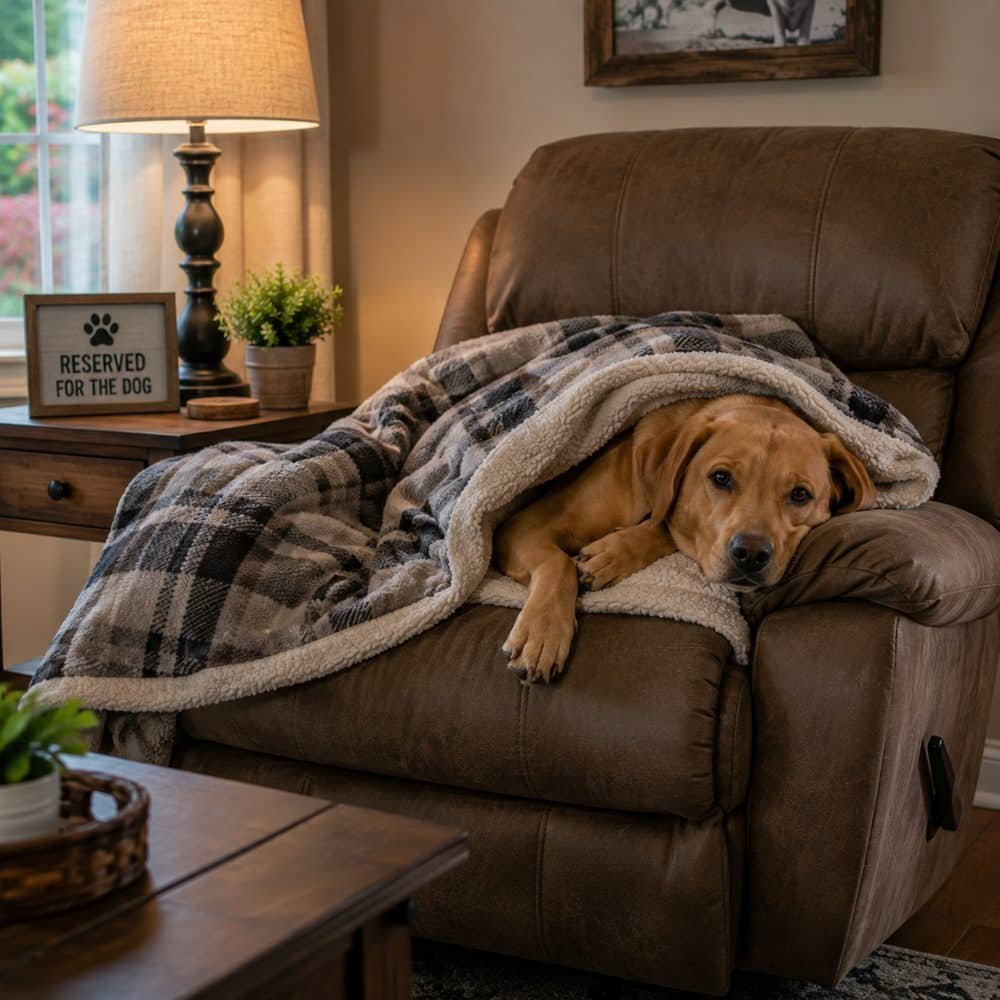
This usually changes the first time you see your dog curled into a tiny ball on a chilly evening.
You give them an old blanket.
Then a softer one.
Eventually, the dog has several.
There’s a couch blanket, a bed blanket, a car blanket, and possibly one you’re technically still calling “your” blanket even though everyone knows who owns it.
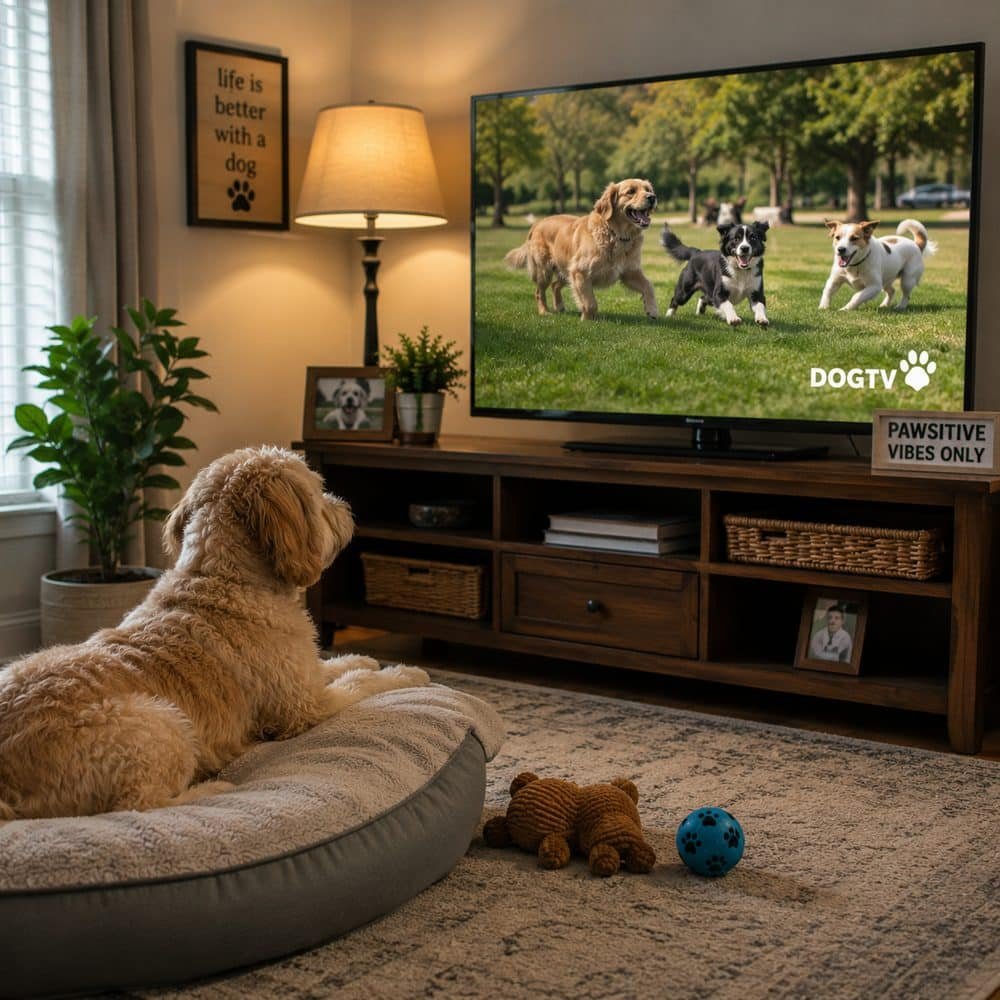
It sounds ridiculous until you do it.
You’re leaving the house and suddenly wonder whether your dog will feel lonely.
So you turn on the television or radio “just for some background noise.”
Then you carefully choose something that seems dog-appropriate.
Nothing too loud.
Nothing with doorbells.
Definitely nothing with dogs barking every five minutes.
At this point, you’re programming television for someone who can’t operate the remote.
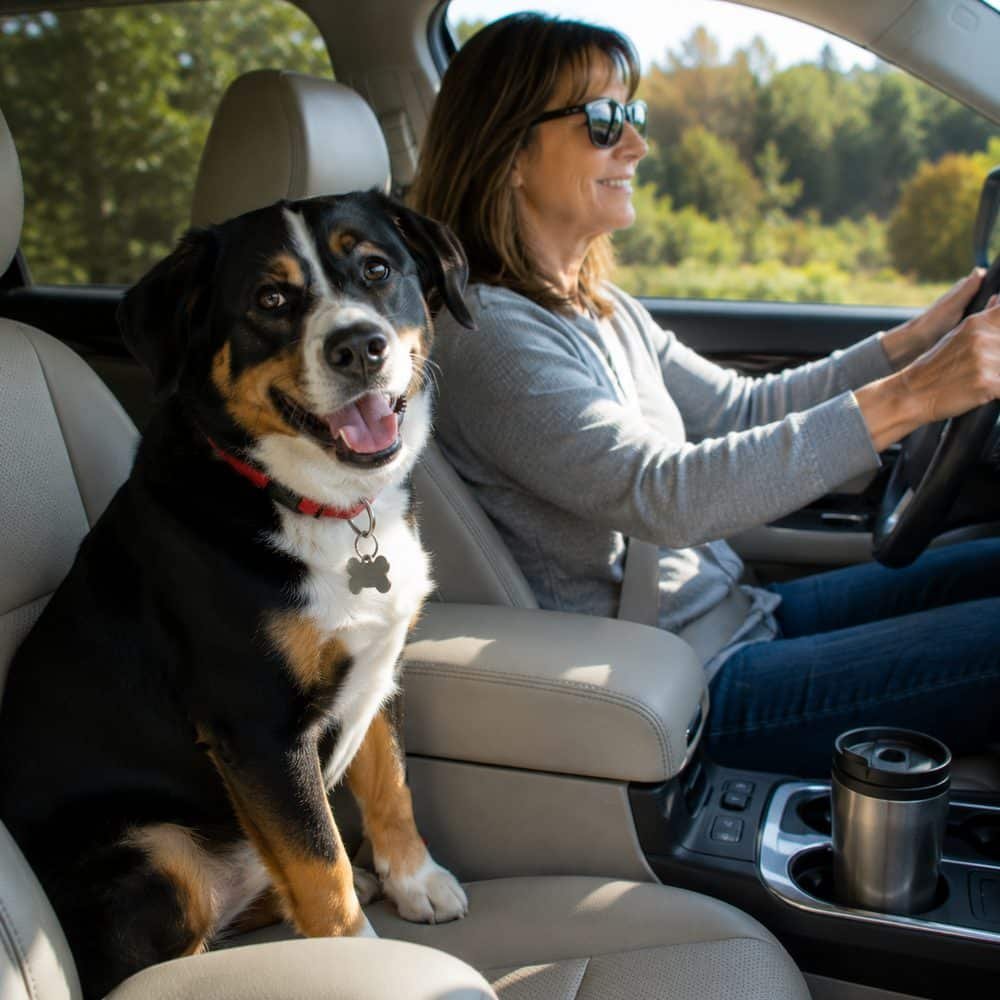
At first, the car is yours.
Then you add a dog blanket.
Then a seat protector.
Then a water bowl, spare leash, waste bags, towels, and treats.
Dog hair becomes a permanent part of the upholstery.
You may still technically own the vehicle, but it has clearly been converted into a dog transportation system.
Then you start saying things like:
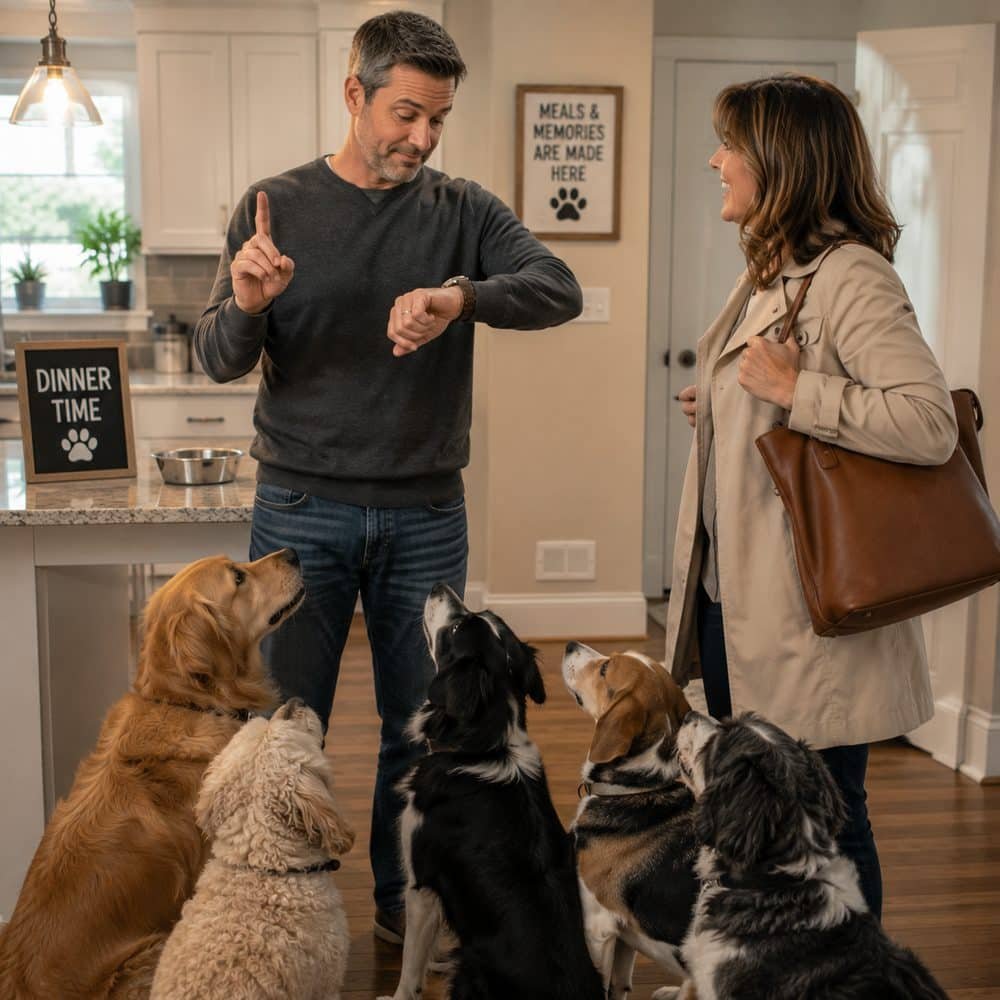
“We need to get home. The dogs need to go out.”
“We can’t leave that early. They haven’t eaten yet.”
“Let’s go after their walk.”
And somehow everyone understands exactly what you mean.
Dogs have an amazing ability to turn their routines into our routines.
Eventually, you don’t even notice you’re doing it.
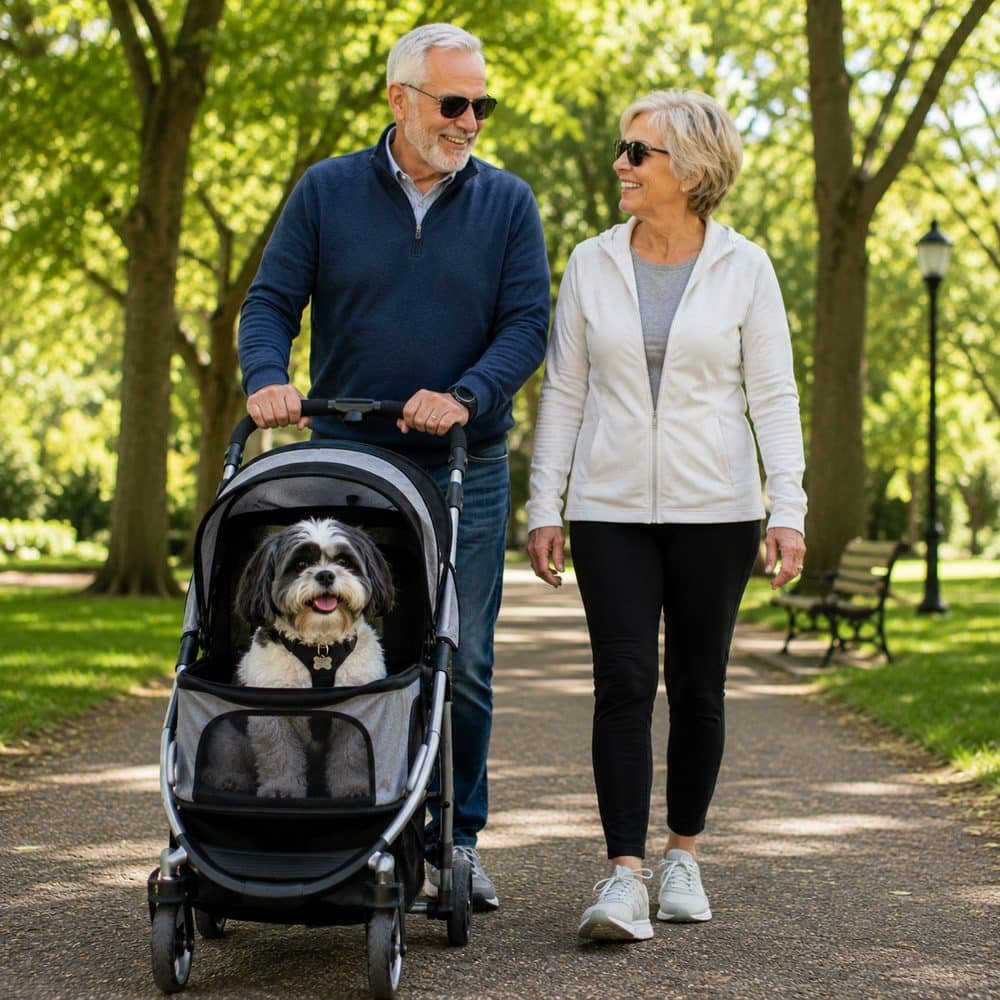
This one rarely survives.
You buy the good treats because they’re your dog’s favorite.
You let them have the comfortable spot.
You bring home a new toy for absolutely no reason.
You celebrate birthdays they don’t understand and wrap presents they can’t unwrap without eating some of the paper.
And when someone says, “That dog is spoiled,” you don’t even bother denying it.
You simply say, “Yes, but look at that face.”
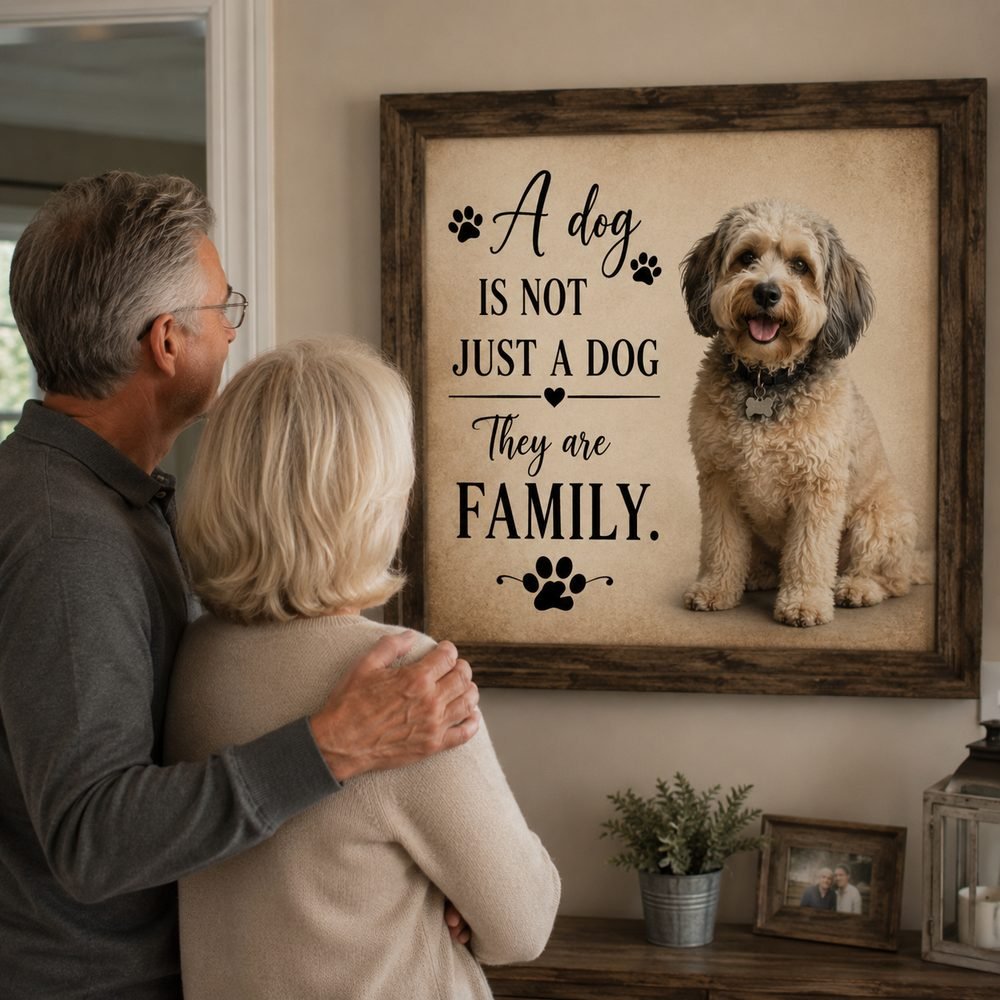
Maybe this isn’t exactly a house rule, but it’s often something people believe before a dog becomes part of their life.
Then something changes.
The dog waiting at the door becomes part of coming home.
The sound of paws following you through the house becomes part of your day.
Their favorite spot becomes part of the room.
Their routines become your routines, and their happiness starts to matter far more than you ever expected.
Eventually, you realize why all those other rules disappeared so easily.
The furniture can be cleaned. The floors can be swept. The blankets can be washed.
But the years we get with our dogs never seem quite long enough.
So yes, the dog may be on the couch.
They may be sleeping in your bed.
There may be toys scattered across the floor and dog hair on the blanket.
And somehow, the house feels better because of it.
Maybe those rules weren’t broken after all.
Maybe we simply figured out what mattered more.