Newsletter Subscribe
Enter your email address below and subscribe to our newsletter

 ByDiana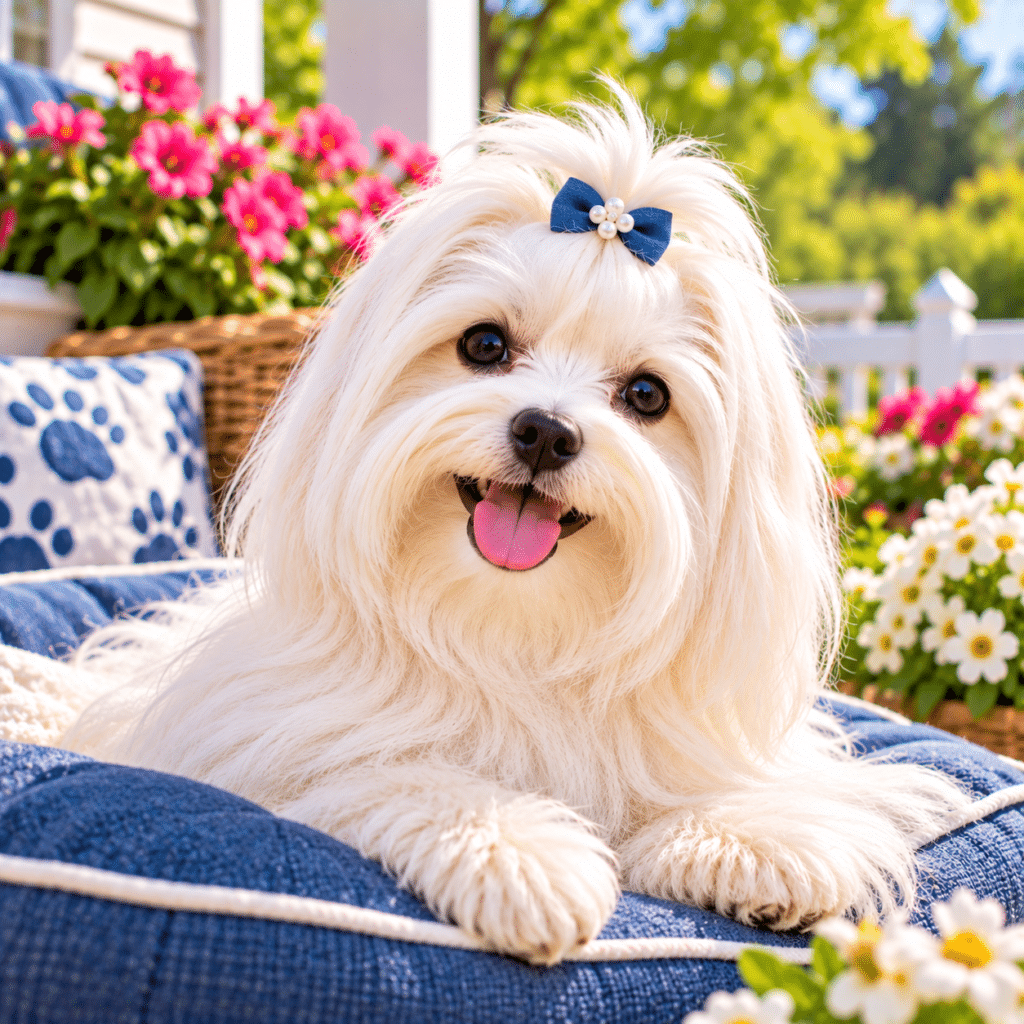
It’s easy to see why Maltese dogs attract so much attention. With their silky white coats, dark button eyes and tiny bodies, they can look almost too elegant to be real.
But underneath all that flowing white hair is a surprisingly lively little dog.
The Maltese has been a companion breed for centuries, and that’s still where these dogs tend to shine. They usually want to be close to their people, involved in whatever is happening and preferably occupying one of the best seats in the house.
If you’re considering a Maltese—or simply love learning about small dog breeds—here are 15 things worth knowing about this charming little dog.
A full-grown Maltese typically weighs under 7 pounds, making this one of the smallest recognized dog breeds.
Don’t confuse small with fragile personality, though.
Many Maltese seem blissfully unaware of their size. They can be confident, curious and surprisingly willing to investigate whatever is going on around them.
Their tiny size does make them convenient for smaller homes and apartments, but it also means you need to watch your step. A Maltese can appear beside your feet remarkably quickly.
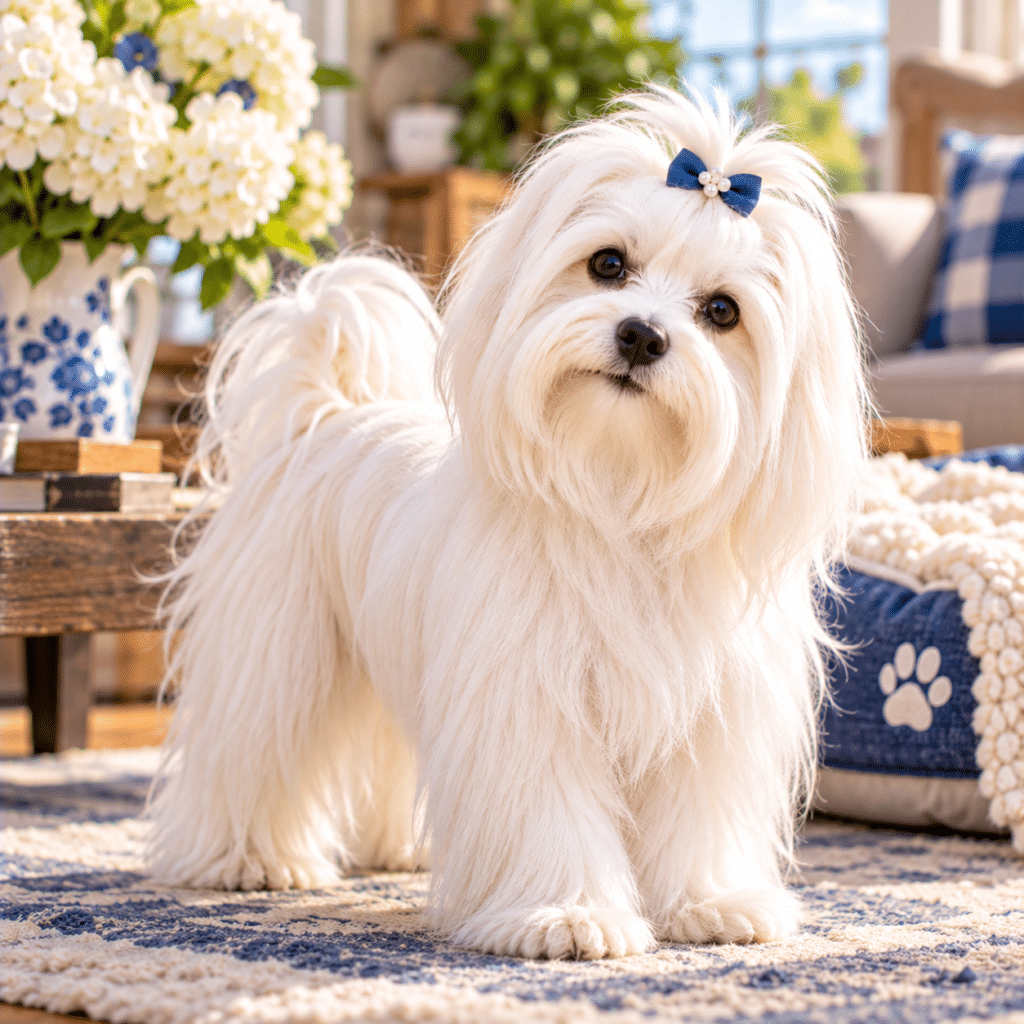
When most people picture a Maltese, they imagine that gorgeous snow-white coat.
A Maltese in a traditional show coat can have long, silky hair that nearly reaches the floor. It’s beautiful—but maintaining it takes considerable work.
Fortunately, a Maltese doesn’t need a floor-length coat to be adorable.
Many family pets wear a shorter “puppy cut,” which gives them a fluffy, youthful appearance and can make everyday grooming considerably easier.
One reason Maltese dogs are so popular is their low-shedding coat.
Instead of having the typical fur coat of many breeds, the Maltese has hair that continues growing and needs regular grooming.
That can mean less loose hair around your house, but it doesn’t mean no maintenance.
Long Maltese hair can tangle and mat without frequent brushing. Even shorter cuts need regular grooming and trimming.
And while Maltese are sometimes described as hypoallergenic, no dog is guaranteed to be completely allergy-free.
The Maltese wasn’t developed to herd sheep, retrieve birds or guard livestock.
Their main job has traditionally been much simpler:
Be with people.
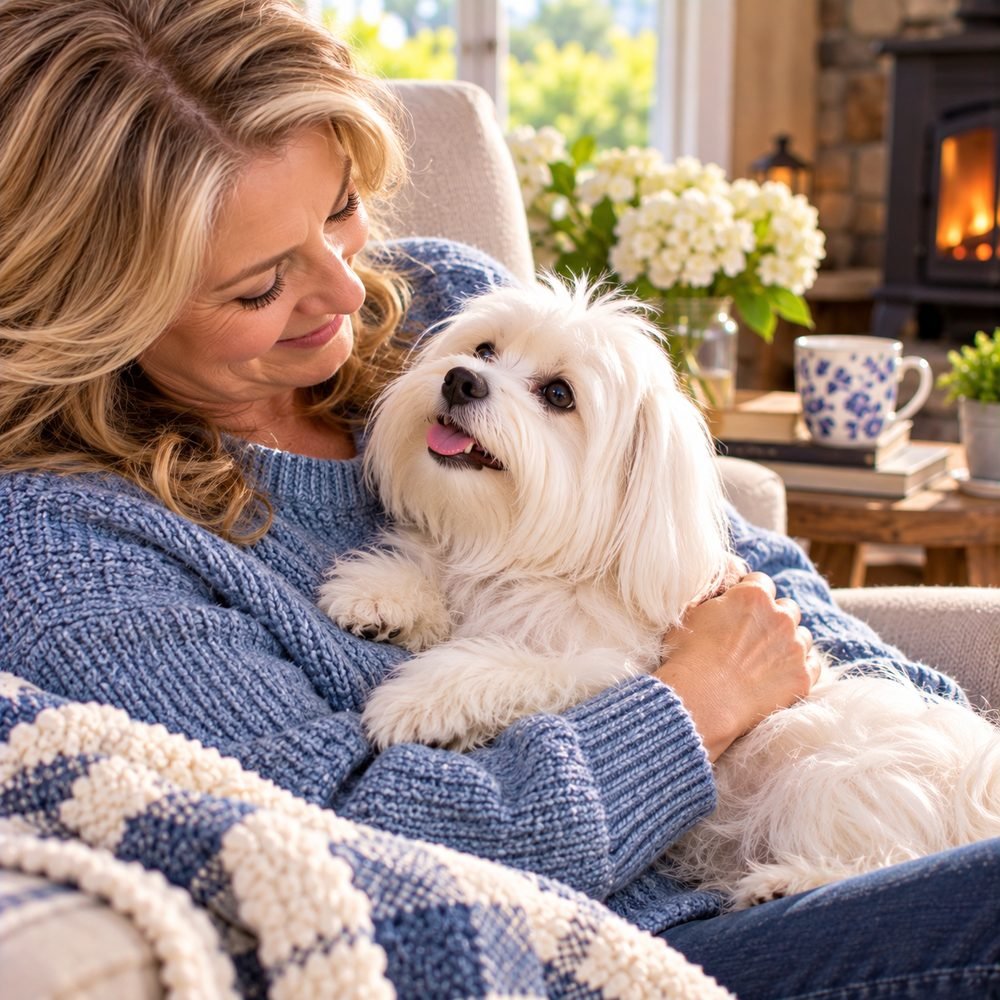
That history helps explain why many Maltese form such strong attachments to their families.
They may follow you from room to room, curl up beside you while you watch television and happily supervise ordinary household chores.
For someone who wants a fairly independent dog, that closeness might feel like a lot. For someone who loves having a little shadow, it can be one of the breed’s best qualities.
Elegant appearance aside, Maltese can be downright silly.
Many enjoy toys, short games of fetch, little bursts of running through the house and any activity that gets their person’s attention.
Their playful nature can continue well beyond puppyhood.
That’s part of their appeal. You get a tiny companion dog that enjoys cuddling but isn’t necessarily content to spend every waking hour sitting perfectly still on a pillow.
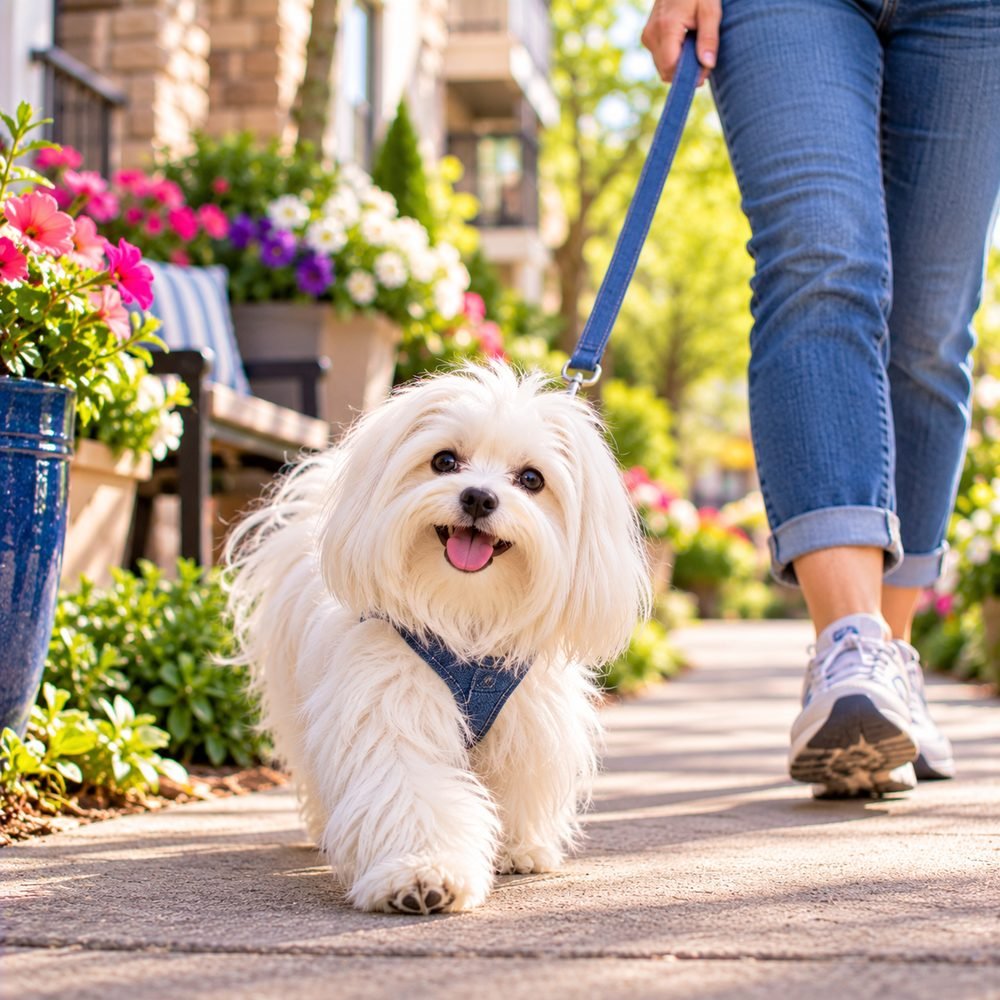
You don’t need acres of property to keep a Maltese happy.
Their small bodies mean they can get useful activity from walks, indoor play and everyday exploration.
That makes Maltese dogs appealing for apartments, condos and smaller homes.
But small dogs still need exercise.
A Maltese benefits from regular walks and opportunities to sniff, explore and experience the world beyond the living room.
A backyard is nice. It isn’t a requirement.
It’s tempting to overlook certain behaviors when a dog weighs six pounds.
Jumping, barking, demanding attention or ignoring instructions may seem less serious when the offender can be picked up with one hand.
But little dogs benefit from training just as much as large ones do.
Teaching basics such as come, stay, leave it and polite leash walking can make everyday life easier and safer.
Maltese are intelligent dogs and can learn very well, especially when training is positive, patient and rewarding.
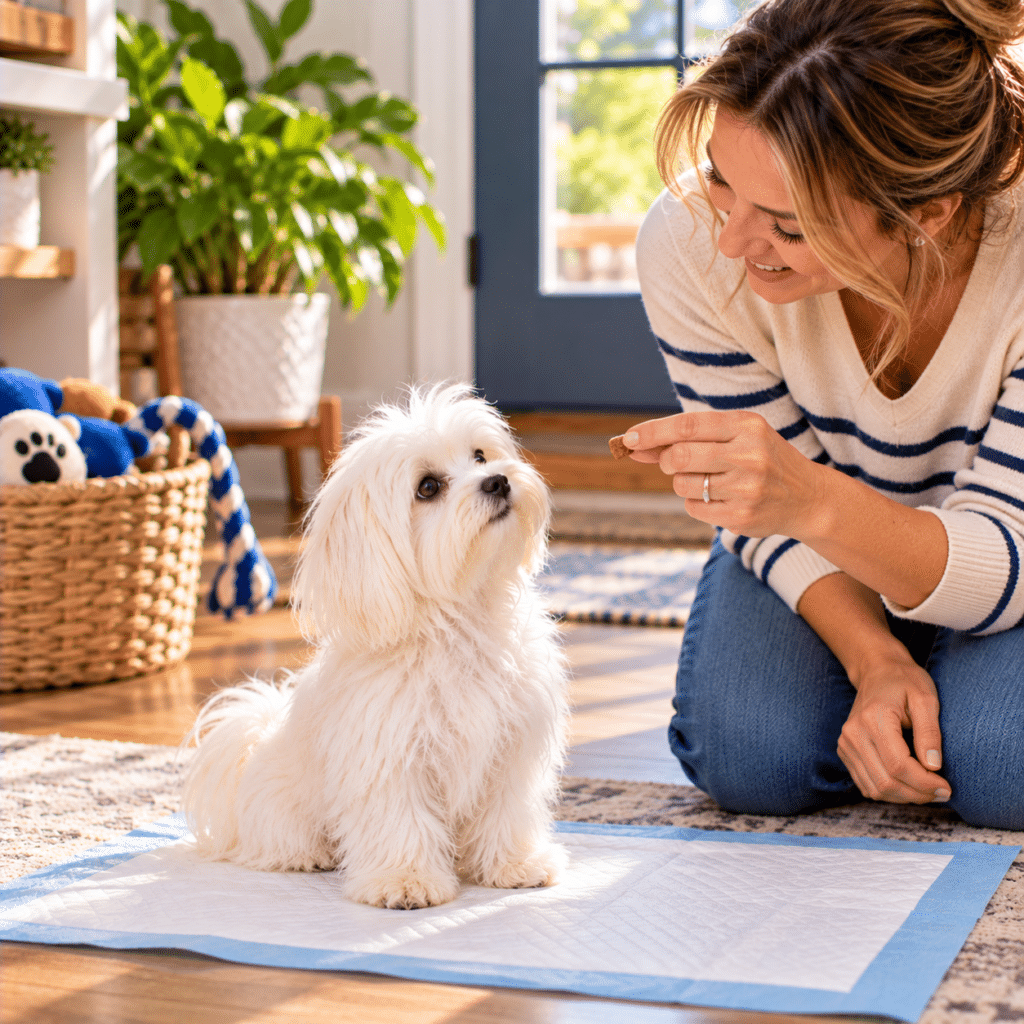
This is one area prospective Maltese owners should know about beforehand.
Very small dogs can sometimes be challenging to housetrain. Their small bladders mean they may need more frequent opportunities to go outside, particularly when they’re young.
Consistency helps enormously.
A regular schedule, close supervision and rewarding successful outdoor bathroom trips generally work better than punishment after an accident.
It may take patience, but tiny doesn’t mean untrainable.
You’ve probably seen a white dog with reddish-brown staining beneath the eyes.
Because the Maltese coat is so white, tear staining can be particularly noticeable.
There are several possible reasons for excessive tearing, so persistent or suddenly worsening staining is worth discussing with a veterinarian rather than simply trying to cover it up cosmetically.
Routine face cleaning can also be part of normal Maltese grooming.
Those beautiful dark eyes are one of the breed’s most endearing features, so it’s worth keeping the area around them clean and comfortable.
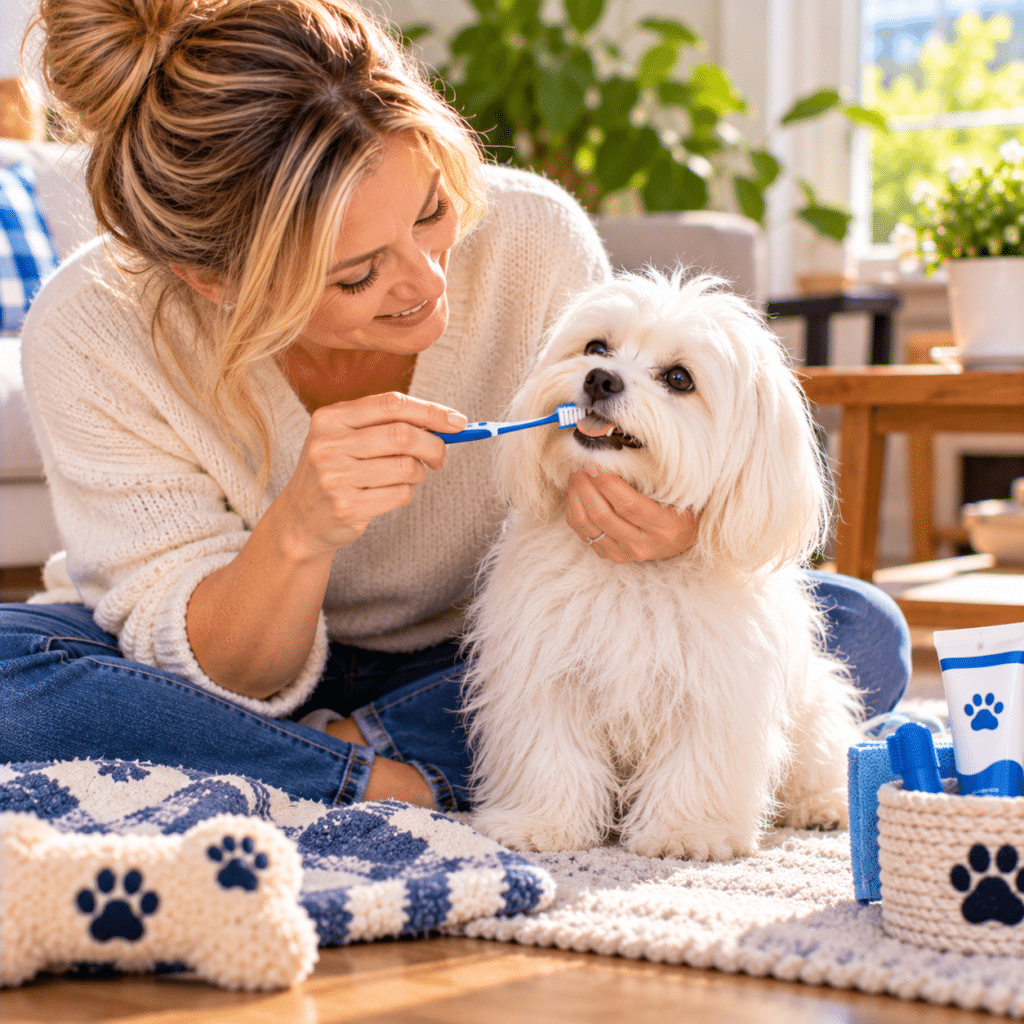
Dental care matters for every dog, but it deserves particular attention with many toy breeds.
Small mouths can become crowded, and plaque and tartar can build up over time.
Regular tooth brushing with dog-safe toothpaste, veterinary dental checks and professional cleanings when recommended can help protect those tiny teeth.
It’s an easy part of dog care to overlook until there’s a problem.
Starting a dental routine while a Maltese is young can make the process much easier later.
A seven-pound dog lives in a world designed for much larger creatures.
Jumping from high furniture, being accidentally stepped on or playing too roughly with a much larger dog can cause injuries.
That doesn’t mean Maltese dogs need to live wrapped in bubble wrap.
It simply means owners should remember how small they really are.
Young children should be taught to handle them gently, and interactions with larger dogs should be carefully supervised.
Pet stairs or ramps can also be helpful in homes where a Maltese regularly gets on and off higher furniture.
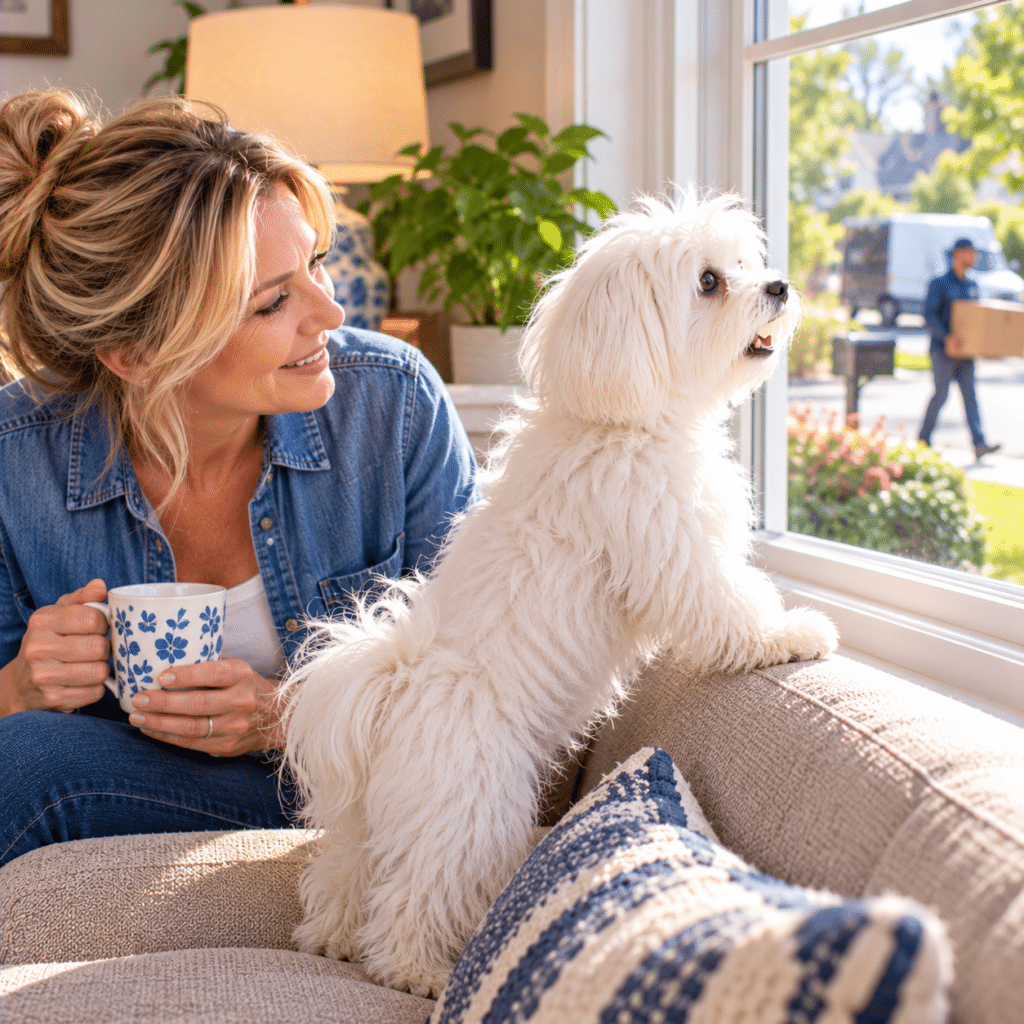
Nobody is likely to mistake a Maltese for a guard dog.
But watchdog?
That’s another story.
Many Maltese are alert to unfamiliar sounds and aren’t shy about announcing that someone has approached the house.
Their hearing seems to work particularly well when a delivery person is trying to quietly leave a package at the door.
Frequent barking can become a habit, though, so teaching calm responses early is worthwhile—especially for apartment living.
The Maltese has several characteristics that may appeal to older dog lovers.
They’re small enough for many people to handle comfortably, don’t require marathon exercise sessions and tend to enjoy close companionship.
Their size also makes them easier to transport than a 70-pound dog.
There are tradeoffs, however.
Regular grooming costs money, dental care matters, and a tiny dog underfoot can create a tripping risk for someone with mobility or balance concerns.
The right match depends on the person, not simply their age.
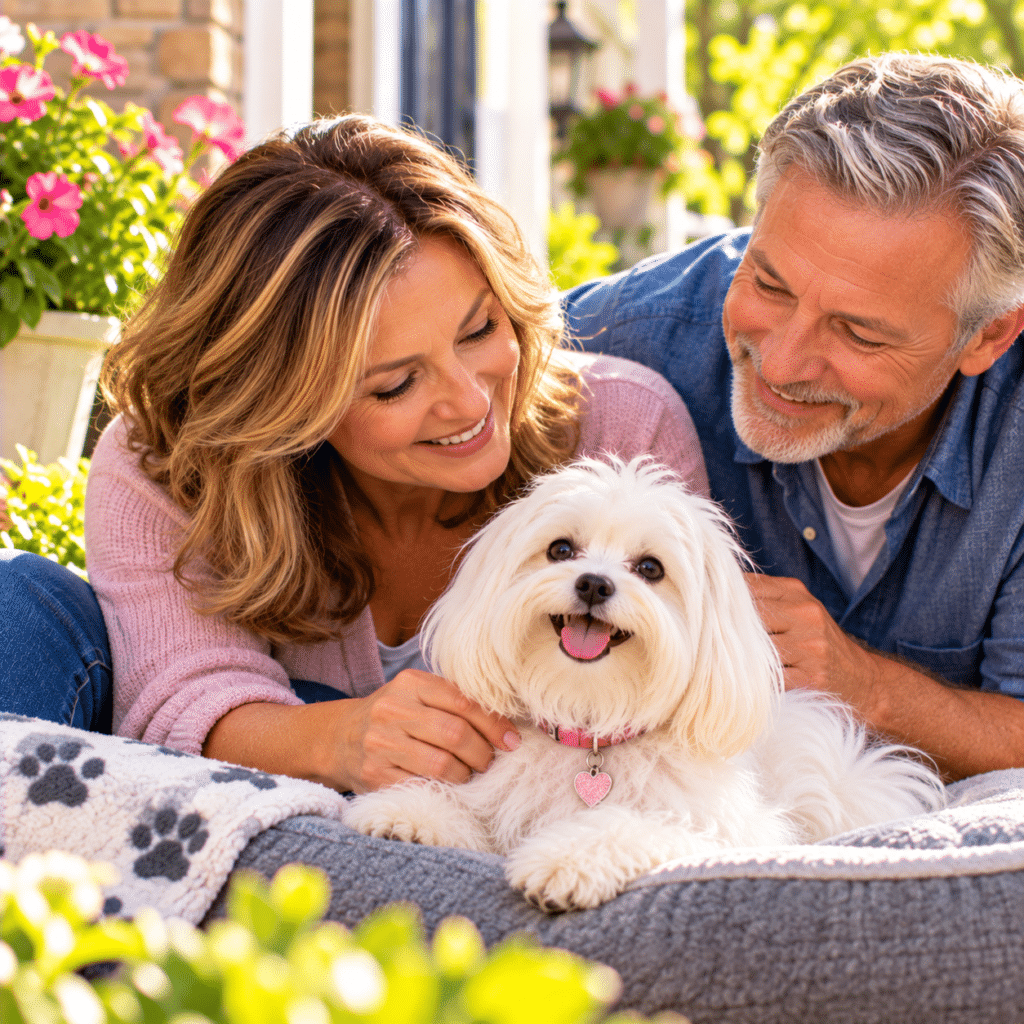
One of the wonderful things about many small dog breeds is the possibility of sharing a lot of years together.
Maltese commonly live well into their teens, although no individual dog’s lifespan can be predicted.
That makes choosing one a long-term commitment.
Food, grooming, veterinary care, dental care and everyday companionship may be part of your life for 12, 14 or even more years.
That’s worth thinking about before bringing home any puppy—no matter how irresistible that little white face might be.
Perhaps the most important thing to know about the Maltese is that you’re getting more than a pretty white lap dog.
These little dogs can be affectionate, funny, opinionated, curious and surprisingly bold.
One moment your Maltese may be peacefully asleep beside you.
Five minutes later, they may be racing down the hallway with a toy, barking at something nobody else heard or following you into the bathroom because apparently you shouldn’t be allowed to go anywhere alone.
That’s part of the fun.

A Maltese may be a great fit if you’re looking for a small, affectionate companion and don’t mind putting some effort into grooming.
They can work particularly well for people who spend plenty of time at home and genuinely enjoy having a dog nearby.
On the other hand, think carefully if you want a highly independent dog, dislike regular grooming or expect your dog to spend long stretches alone every day.
It’s also important to look beyond appearance when choosing a puppy or rescue dog.
Temperament, health, socialization and responsible breeding matter far more than getting the tiniest or fluffiest Maltese you can find.
If you’re buying a puppy, look for a responsible breeder who prioritizes health and temperament rather than unusually tiny size or marketing terms such as “teacup.”
If you’re open to adoption, Maltese and Maltese mixes also turn up in shelters and breed-specific rescues.
Whichever route you choose, take your time.
Meet the dog when possible, ask questions and think about whether the dog’s needs genuinely fit your daily life.
There’s a reason Maltese dogs have remained beloved companions for generations.
They’re beautiful, certainly. But the white coat is only part of their appeal.
For the right person, a Maltese can be a playful little sidekick, a warm lap companion, an enthusiastic household supervisor and a remarkably devoted friend—all packed into a body that may weigh less than a bag of groceries.
And once one decides you’re their person, don’t be surprised if privacy becomes a thing of the past. 🐾