Newsletter Subscribe
Enter your email address below and subscribe to our newsletter

 ByDiana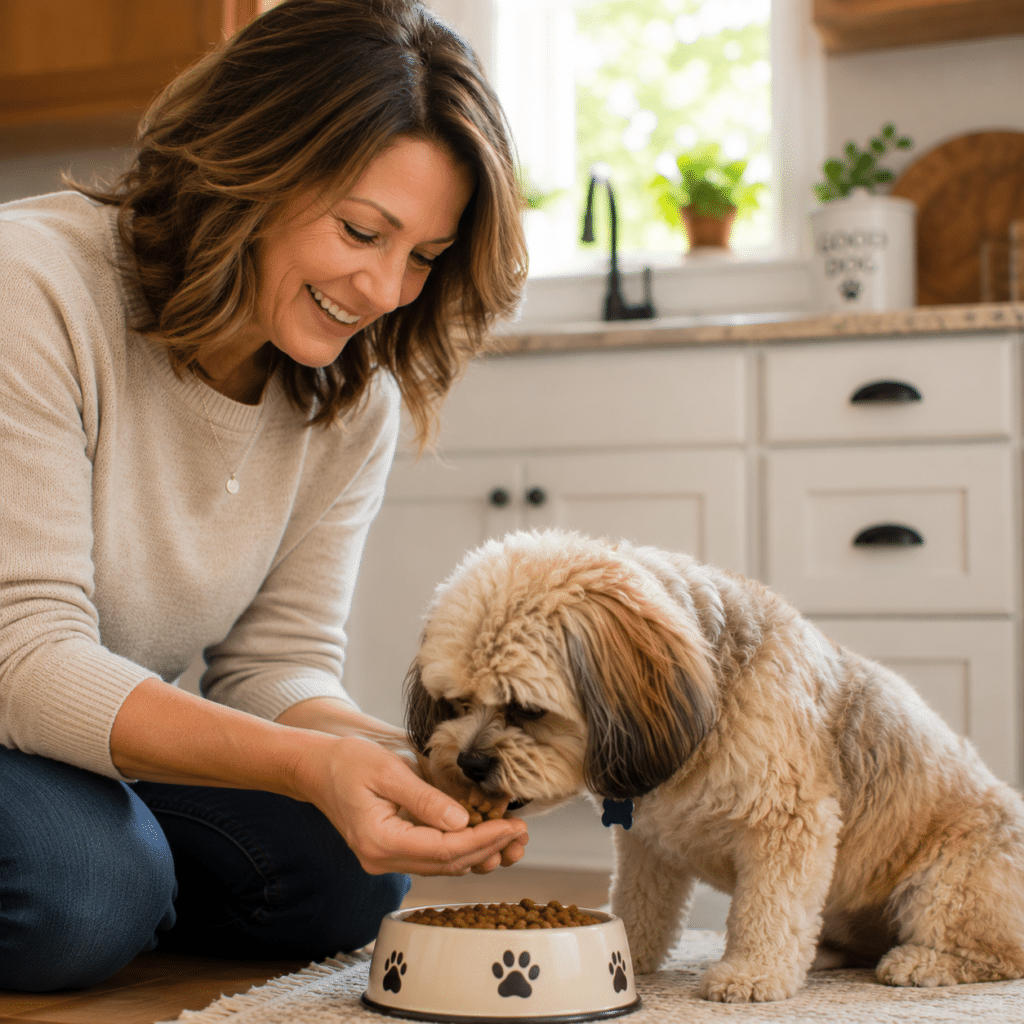
Most dog care mistakes don’t happen because someone doesn’t care about their dog.
Quite often, it’s the opposite.
We love our dogs so much that certain habits slowly become part of everyday life. An extra treat here. Skipping a walk because there’s a fenced yard. Putting off nail trimming for another week because nobody enjoys it.
None of these things feels particularly important at the time.
But some of the smallest parts of caring for a dog can make a surprisingly big difference over the years.
Living with dogs also teaches you that there’s always something new to learn. What worked for one dog may not work for another, and their needs can change as they get older.
Here are 12 common dog care mistakes that even loving, attentive owners can make without realizing it.
Affiliate Disclosure: This article contains affiliate links. If you make a purchase through one of these links, Dogs Make Days Better may earn a small commission at no additional cost to you. We only feature products we believe may be useful to dog owners.
It’s incredibly easy to pour some kibble into a bowl and think, “That looks about right.”
The problem is that “about right” can gradually become too much.
Treats, table scraps, chews, and little bites throughout the day count too. When several people in the household are handing out extras, a dog may be eating considerably more than anyone realizes.
Using a measuring cup or kitchen scale can help you keep portions consistent.
The feeding guidelines on the package are a starting point, not a perfect amount for every dog. Age, activity, body condition, health, and the food itself all matter.
If you’re unsure about your dog’s ideal weight or portions, your veterinarian can help.
Having a fenced yard is wonderful.
Your dog can go outside, use the bathroom, stretch their legs, and enjoy some fresh air.
But standing in the backyard isn’t always the same as going for a walk.
Walks give dogs something else they desperately enjoy: new smells.
That fire hydrant, tree, mailbox, and patch of grass may seem completely ordinary to us. To a dog, they’re full of information.
You don’t necessarily need to cover miles.
Even a slower “sniff walk,” where your dog has time to investigate the neighborhood, can provide valuable physical activity and mental stimulation.
Of course, every dog’s exercise needs are different. Age, breed, health, weather, and mobility should determine what’s appropriate.
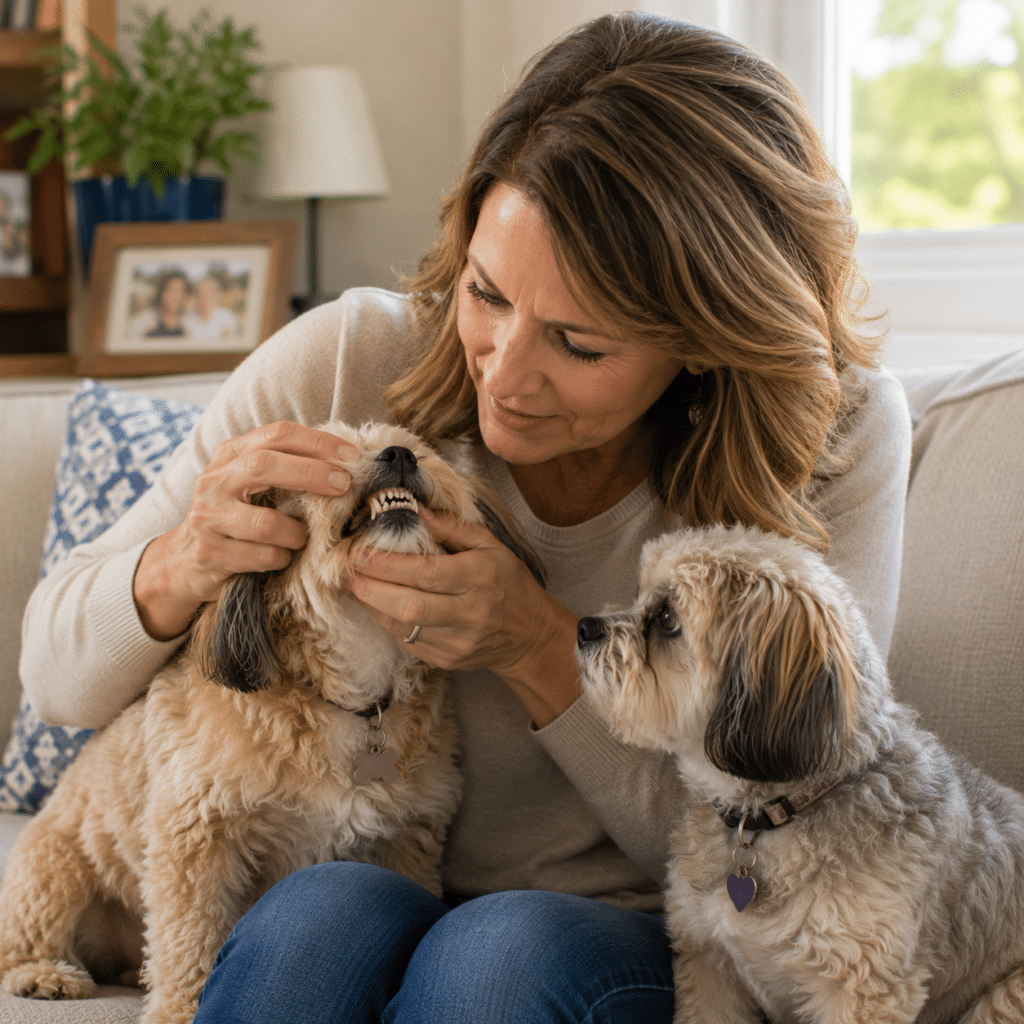
We see our dogs’ teeth every day, but dental care can still be surprisingly easy to overlook.
Plaque and tartar don’t disappear on their own, and dental problems can become painful.
Regularly brushing your dog’s teeth with toothpaste made specifically for dogs is one of the most useful habits you can establish.
Human toothpaste shouldn’t be used for dogs.
Dental chews and other products may also be helpful, but not every product marketed for dental health provides the same benefit.
Your veterinarian can recommend an appropriate home dental routine and tell you when professional dental care may be necessary.
And don’t wait for terrible breath before paying attention.
For dogs who need a little help with their dental routine, dog dental chews can be an easy addition to regular at-home dental care—just choose a product that’s appropriate for your dog’s size and chewing habits.
Some dogs seem to know the nail clippers have entered the room before you even pick them up.
It’s tempting to postpone the entire experience.
Unfortunately, nails keep growing whether anyone wants to deal with them or not.
Overgrown nails can affect how a dog stands and walks. They may also snag, split, or become uncomfortable.
How frequently nails need trimming varies considerably. Dogs who walk regularly on harder surfaces may naturally wear their nails down more than dogs who spend most of their time on grass or indoors.
If trimming makes you nervous, there’s no shame in letting a groomer or veterinary professional handle it.
The important thing is checking those paws regularly.
For dogs who tolerate nail care at home, having a good pair of dog nail clippers or a nail grinder on hand can make regular nail maintenance easier.
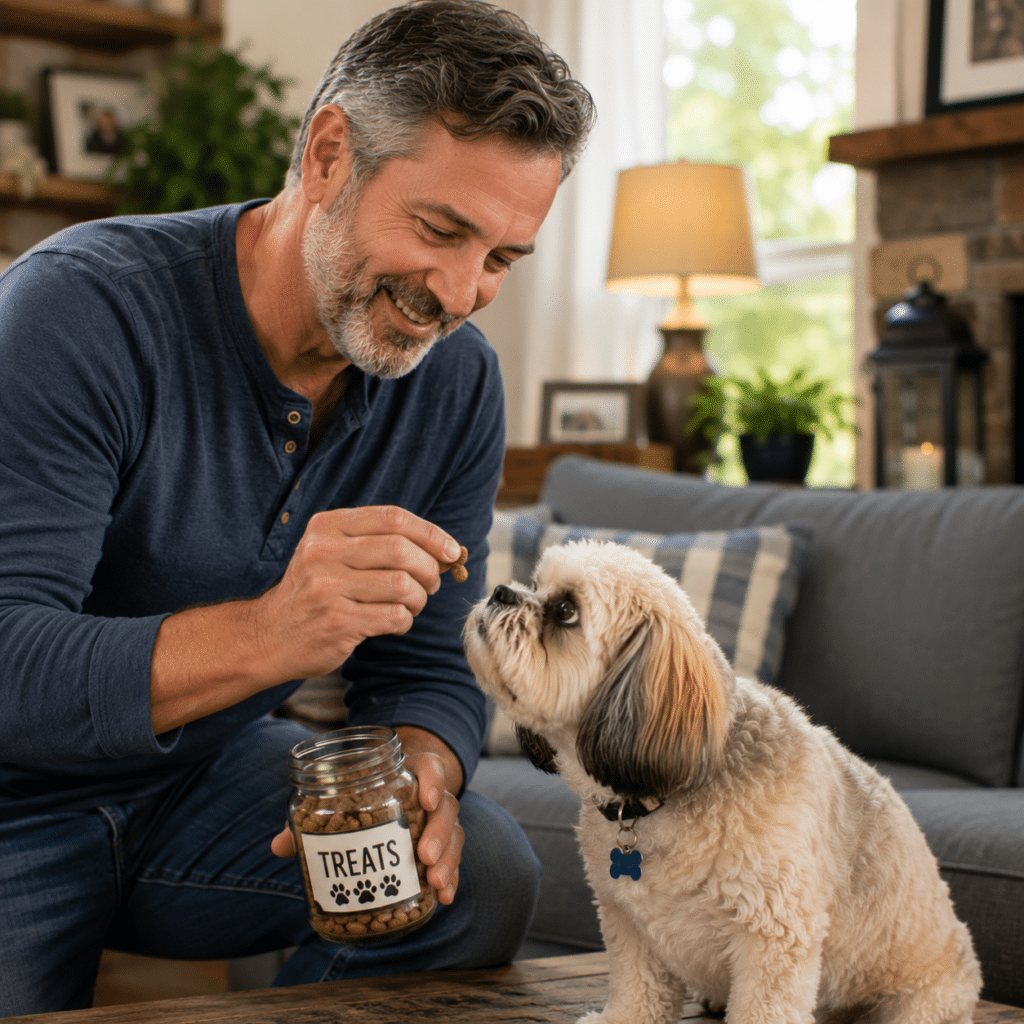
Your dog hears a bag open.
Suddenly, there they are.
Those eyes.
That face.
Maybe a tiny head tilt for good measure.
You give them a treat.
Then perhaps another person in the house gives them one later.
A few extras don’t seem like much, but treats can add a surprising number of calories to a dog’s daily diet.
Try breaking larger treats into smaller pieces. Your dog still gets the excitement of receiving something without necessarily getting a full-size treat every time.
You can also reserve part of your dog’s regular food to use as rewards.
Dogs don’t measure love by treat size.
Although they may try very hard to convince us otherwise.
When you see your dog every day, gradual changes can be difficult to notice.
Maybe they’re gaining a little weight.
Perhaps they’re taking longer to stand up.
They’re drinking more water than they used to.
They hesitate before jumping onto the couch.
Or they’re suddenly sleeping somewhere different.
One small change doesn’t automatically mean something is wrong.
But knowing what’s normal for your dog makes it easier to recognize when something has changed.
Pay attention to appetite, drinking, bathroom habits, mobility, breathing, sleep, weight, and behavior.
If something seems unusual, persistent, or concerning, contact your veterinarian rather than assuming it’s simply part of getting older.
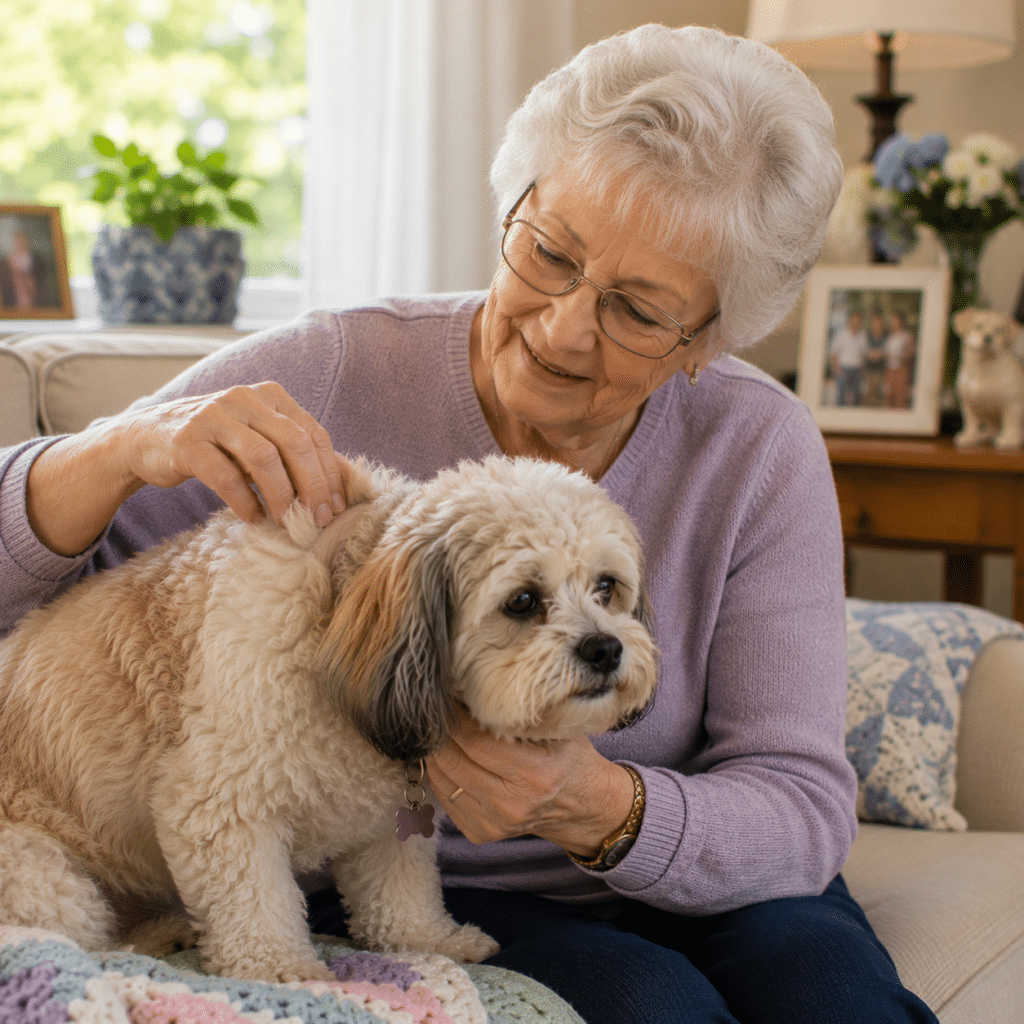
A fluffy dog can hide quite a lot beneath their coat.
Small lumps, irritated skin, ticks, mats, sore spots, and other changes aren’t always obvious from across the room.
Make a habit of gently running your hands over your dog.
Check around the ears, neck, legs, belly, paws, and tail.
This doesn’t need to feel like a medical examination.
It can simply become part of petting or grooming time.
You’re learning what your dog’s body normally feels like. That can make it much easier to notice something new.
Any new or changing lump, unexplained sore, skin problem, or other concern should be discussed with your veterinarian.
A good dog brush suited to your dog’s coat can make regular grooming easier while also giving you a chance to notice changes in their skin, coat, or any new lumps and bumps.
When was the last time you washed your dog’s bed?
What about the blanket they sleep on?
Their food bowl?
Water bowl?
Favorite washable toys?
These everyday items can collect hair, saliva, dirt, food residue, and odors surprisingly quickly.
Food and water bowls should be cleaned regularly, and fresh water should always be available.
Beds and blankets can usually be washed according to their care instructions.
While you’re cleaning, inspect toys too.
Anything badly damaged, torn, or breaking into pieces may need to be replaced.
It’s a simple routine that can make your dog’s little corner of the house much nicer.
Dogs don’t always announce discomfort dramatically.
Sometimes the signs are much quieter.
A dog may become less interested in playing.
They may stop jumping onto furniture.
They might move more slowly, avoid stairs, lick one area repeatedly, become unusually withdrawn, or even seem irritable when touched.
Because these changes can be subtle, they’re easy to dismiss.
You know your dog’s normal personality better than anyone.
When that personality or routine changes noticeably, pay attention.
Dogs can’t tell us exactly what hurts, so changes in behavior can sometimes be an important clue that something deserves a closer look.
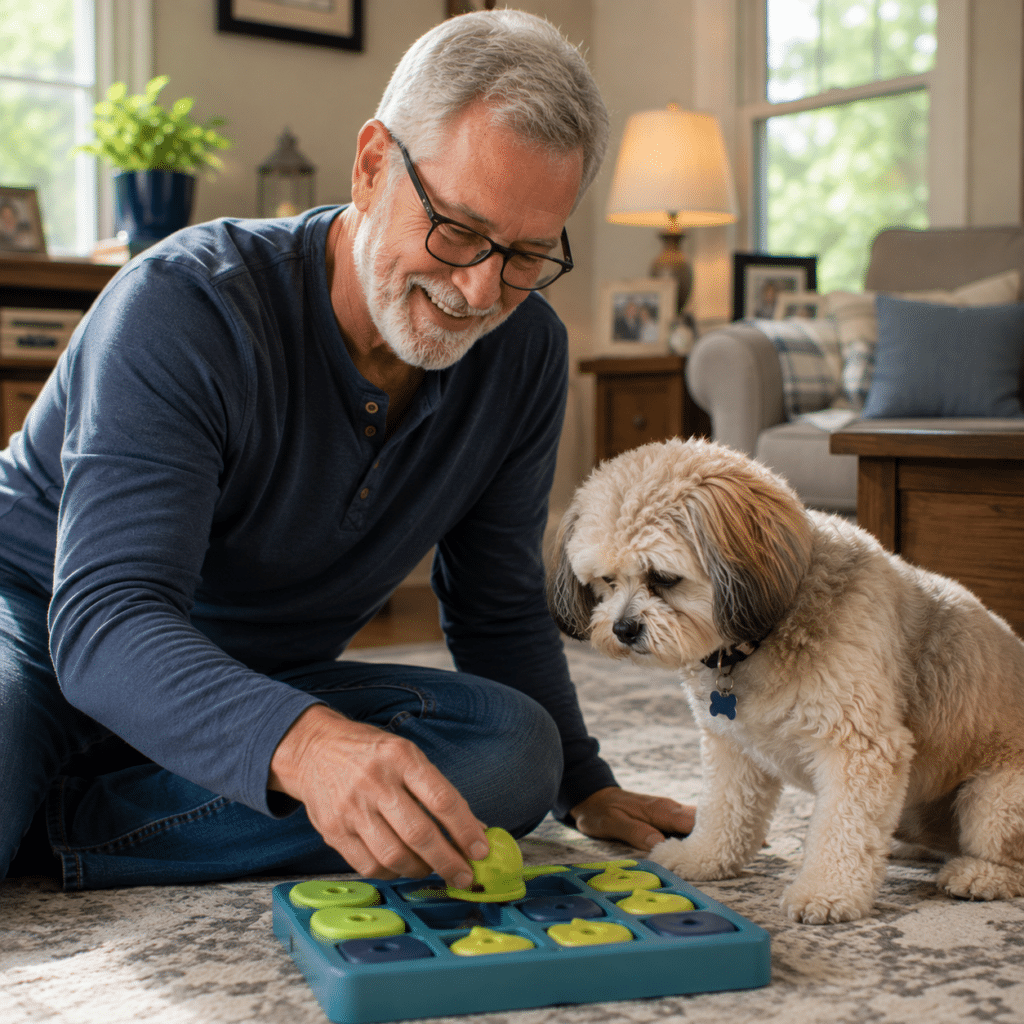
A dog can have a perfectly healthy body and still be bored.
Dogs need opportunities to think, investigate, sniff, and interact with their environment.
Fortunately, mental enrichment doesn’t have to be complicated.
You might scatter some kibble for your dog to find, practice a few simple cues, rotate toys, use an appropriate food puzzle, or let your dog spend extra time sniffing during a walk.
Even changing your normal walking route occasionally can provide new smells and experiences.
Mental activity can be particularly useful when weather or mobility limits physical exercise.
Puzzle toys, treat-dispensing toys, and interactive games can be an easy way to add a little extra mental stimulation to your dog’s day.
Sometimes ten minutes of using the brain can be surprisingly satisfying.
The routine that worked when your dog was three may not be right when they’re ten.
Dogs change.
Their metabolism can change.
Their activity level can change.
Their tolerance for heat or cold may change.
Older dogs may need shorter walks, easier access to favorite places, more comfortable sleeping areas, or more frequent bathroom opportunities.
Younger dogs may need significantly more activity and training.
That’s why good dog care isn’t about finding one routine and following it forever.
It’s about noticing the dog standing in front of you today.
Adjusting things as your dog’s needs change is one of the most important ways we can care for them throughout their lives.
We spend plenty of time thinking about what dogs physically need.
Food.
Water.
Exercise.
Veterinary care.
A safe place to sleep.
But there’s another part of dog care that’s incredibly easy to underestimate.
You.
Dogs are social animals, and many build strong relationships with the people they live with.
Sometimes what your dog wants isn’t another toy or treat.
They want you to sit beside them.
Scratch that favorite spot.
Throw the ball a few times.
Take them outside.
Talk to them while you’re making dinner.
Or simply let them curl up nearby while you watch television.
You don’t need to entertain your dog every minute of the day. Dogs need downtime too.
But regular positive attention and companionship are important parts of their lives.
It’s easy to read a list like this and suddenly start thinking about everything you should have done differently.
That’s not the point.
Nobody gets every part of dog ownership right every single day.
You might occasionally forget to brush their teeth.
A nail-trimming appointment may happen later than planned.
Some days the weather ruins the walk.
And yes, sometimes the dog gets an extra treat simply because that little face is impossible to resist.
What matters is the overall pattern.
Pay attention to your dog.
Learn what’s normal for them.
Keep up with routine veterinary care.
Give them appropriate food, exercise, mental stimulation, grooming, rest, and affection.
And be willing to change your routine when their needs change.
Dogs don’t need us to be perfect.
They need us to keep paying attention.
Because many of the things that make the biggest difference in a dog’s life aren’t dramatic at all.
They’re the small things we do, day after day, simply because they’re ours and we love them.