Newsletter Subscribe
Enter your email address below and subscribe to our newsletter

 ByDiana
Most of us would do just about anything to help our dogs stay happy and healthy for as long as possible.
The good news is that caring for them doesn’t always require making huge changes.
In fact, some of the best things we can do for our dogs are surprisingly ordinary: filling the water bowl, taking a walk, paying attention to their weight and spending a few extra minutes checking how they’re doing.
It’s the little things we repeat every day that really add up.
Here are 12 simple ways to give your dog’s everyday routine a healthy upgrade without turning your entire life upside down.
It’s easy to glance at a half-full water bowl and think, There’s still plenty in there.
But instead of simply topping it off, make a habit of emptying the bowl, giving it a quick rinse and filling it with fresh water.
While you’re at it, pay attention to how much your dog seems to be drinking.
A noticeable increase or decrease in thirst can sometimes be one of the first clues that something has changed.
And if you have several dogs like we do, you already know one water bowl somehow becomes everybody’s favorite water bowl.
Having more than one around the house can help make fresh water easy to reach.
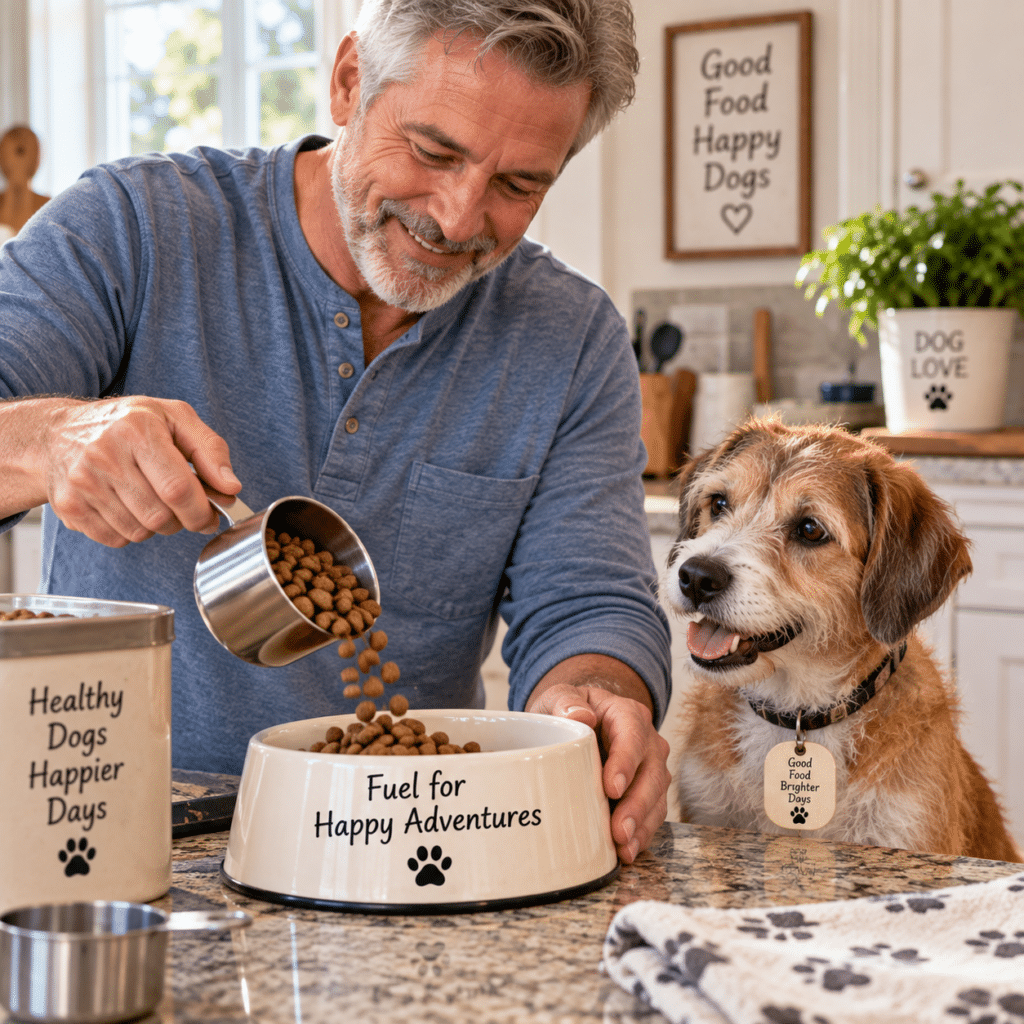
After feeding a dog for years, it’s tempting to think we know exactly what a cup of food looks like.
Unfortunately, our “cup” sometimes gets a little bigger over time.
Those extra handfuls can add up.
Using an actual measuring cup or scoop makes it much easier to know how much your dog is eating.
Check the feeding recommendations on the food as a starting point, but remember that your dog’s age, activity level, body condition and health also matter.
If you’re unsure how much your dog should eat, your veterinarian can help you determine an appropriate amount.
Nobody is suggesting that we stop giving our dogs treats.
That would probably cause a household rebellion.
But treats don’t have to be enormous to make a dog happy.
Breaking larger treats into smaller pieces lets your dog enjoy several rewards without getting quite as many extra calories.
You can also use a portion of their regular food for training or enrichment.
Your dog usually cares much more about the fact that a treat happened than whether it was the size of a quarter or a dinner plate.
Depending on your dog’s diet and health needs, small amounts of certain dog-safe foods can occasionally add a little variety to the bowl.
Plain pumpkin, blueberries, carrots, green beans and small pieces of apple without the seeds are a few familiar examples.
The key words are small amounts.
Extras shouldn’t crowd out the balanced food that provides the majority of your dog’s nutrition.
And always check before sharing unfamiliar foods. Some perfectly ordinary human foods—including grapes, raisins, onions, garlic, chocolate and anything containing xylitol—can be dangerous for dogs.
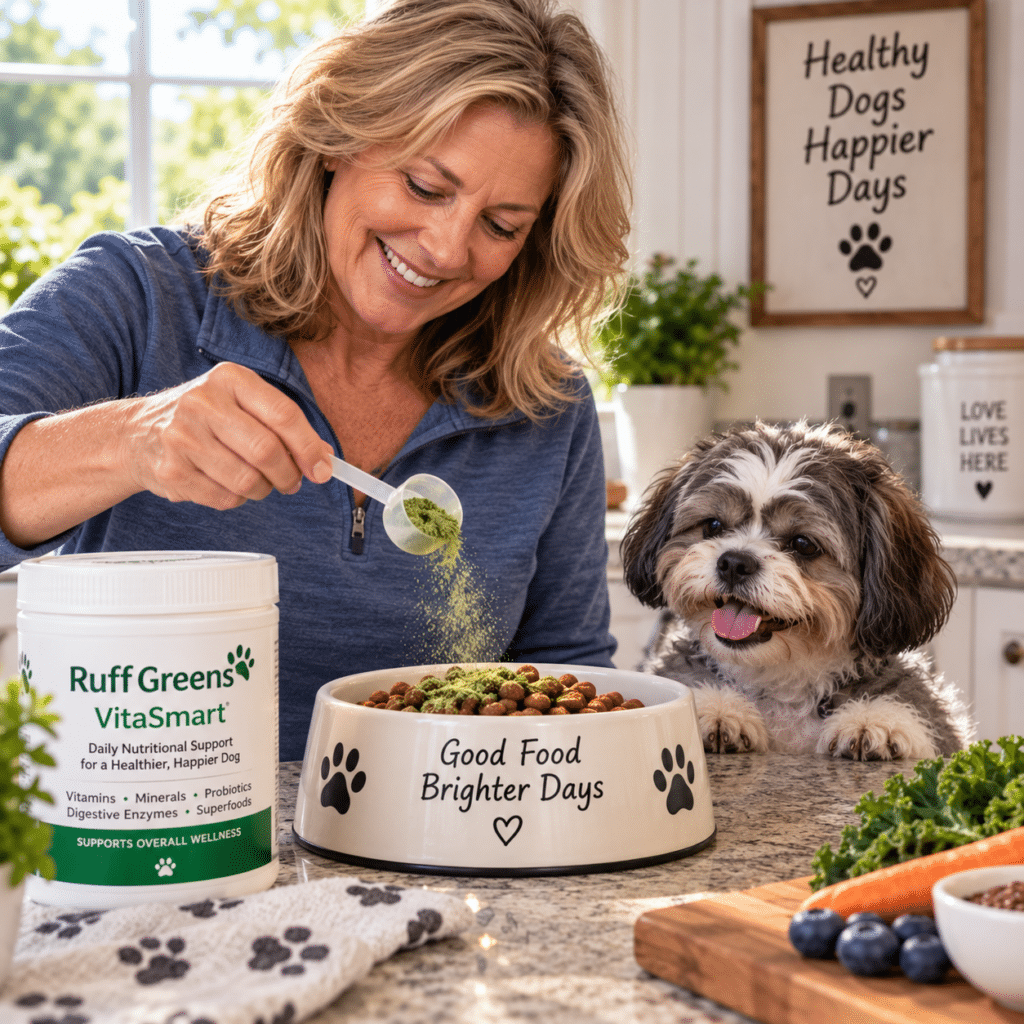
This is one option I’ve become particularly interested in because it doesn’t require replacing the food your dog already eats.
A nutritional topper is added to a dog’s regular meal to provide additional nutrients.
One example is Ruff Greens VitaSmart.
Affiliate disclosure: This section may contain an affiliate link. If you purchase through our link, Dogs Make Days Better may earn a commission at no additional cost to you.
Ruff Greens VitaSmart is a powdered nutritional supplement designed to be added to a dog’s existing food rather than used as a replacement for it.
According to Ruff Greens’ current ingredient and product information, VitaSmart contains a combination of vitamins and minerals, probiotics, digestive enzymes and ingredients such as flaxseed, wheat grass, barley grass, blueberries, pumpkin seed, broccoli, kale, kelp, sweet potato and spinach.
I like the idea behind this type of product because it’s simple: you’re not changing your dog’s entire diet. You’re adding the recommended amount to something they’re already eating.
But it’s important to keep expectations realistic.
A supplement isn’t a magic powder, and it shouldn’t replace a complete diet, exercise or veterinary care. Ruff Greens itself labels VitaSmart as being intended for intermittent or supplemental feeding rather than as a complete dog food.
If your dog takes medication, has a medical condition or is on a therapeutic diet, talk with your veterinarian before adding any nutritional supplement.
For an otherwise healthy dog, it’s simply one option worth investigating if you’re interested in adding a nutritional topper to the daily routine.
We sometimes judge a successful dog walk by distance.
Our dogs may judge it completely differently.
To them, stopping for three minutes to investigate one particularly fascinating patch of grass may be the highlight of the entire outing.
Try occasionally letting your dog set the pace.
Instead of constantly encouraging them to keep moving, give them time to sniff.
Using their nose provides mental stimulation, and a slower sniffing walk can be especially enjoyable for older dogs that may no longer want long or strenuous outings.
You might not cover as much ground.
Your dog probably won’t complain.
Dogs need something to think about too.
Fortunately, enrichment doesn’t require buying an entire collection of complicated puzzle toys.
Hide a few treats around a room and let your dog search for them.
Practice “sit,” “stay” or “come” for five minutes.
Put kibble in a puzzle feeder.
Teach them the name of a favorite toy.
Even letting your dog choose between two toys can make an ordinary afternoon a little more interesting.
Mental exercise can be surprisingly tiring—and sometimes that’s exactly what a restless dog needs.
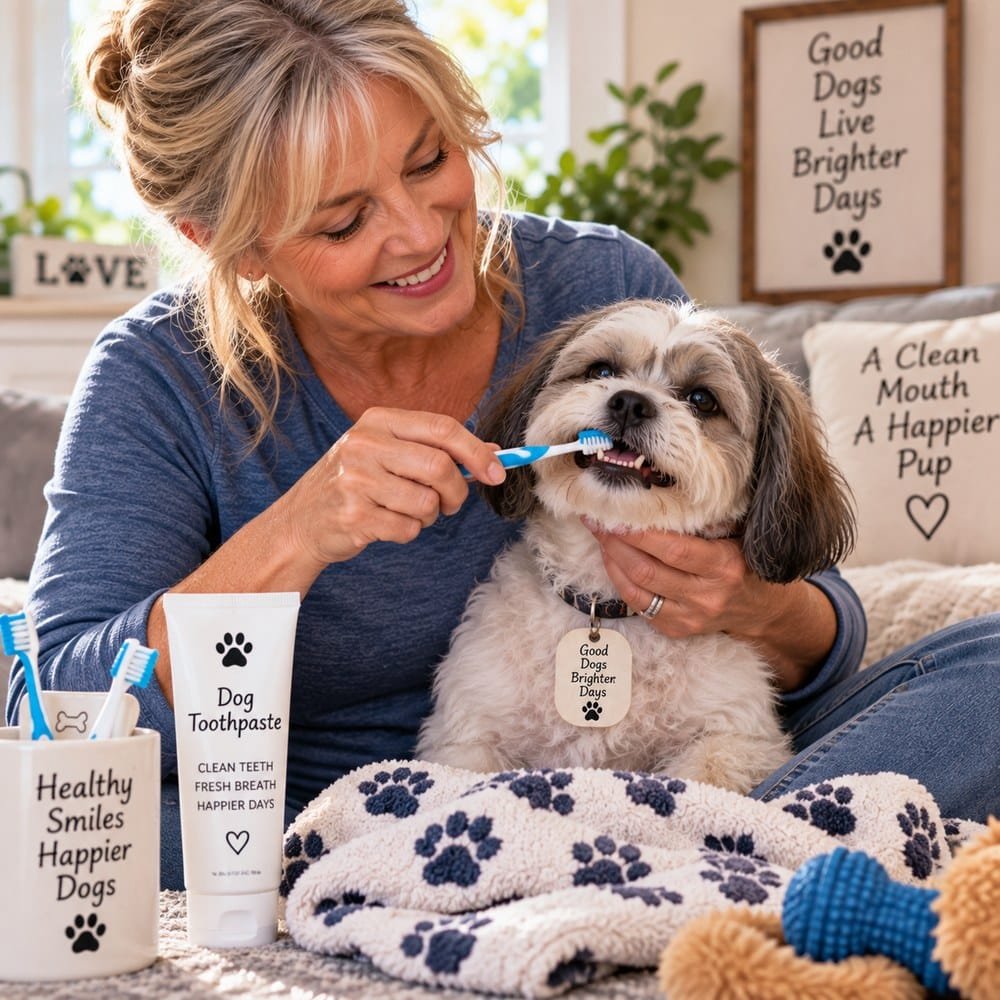
Dental care is one of those jobs that’s very easy to postpone until tomorrow.
Then tomorrow becomes next month.
If your dog tolerates toothbrushing, regular brushing with toothpaste made specifically for dogs is one of the best habits you can establish.
If brushing is difficult, ask your veterinarian about other dental-care options appropriate for your dog.
Also pay attention to bad breath, red or bleeding gums, loose teeth, difficulty chewing or suddenly dropping food.
Those aren’t things we should automatically dismiss as normal parts of having a dog.
Petting your dog can double as a simple health check.
Every so often, slowly run your hands over their body.
Feel for new lumps or bumps.
Look at their ears.
Check their paws and nails.
Notice the condition of their skin and coat.
Take a quick look at their eyes.
You’re not trying to diagnose anything.
You’re simply learning what’s normal for your dog.
When you know how your dog usually looks and feels, you’re more likely to notice when something changes.
And from your dog’s point of view, you’re probably just giving them an unusually thorough belly rub.
Everybody wins.
Weight can creep up so gradually that it’s difficult to notice when we see our dogs every day.
That’s especially true as dogs get older and become less active.
Rather than relying only on the number on the scale, ask your veterinarian about your dog’s body condition.
If your dog needs to lose a little weight, the answer usually isn’t a crash diet.
Small adjustments to portions, treats and appropriate activity can make a meaningful difference over time.
Keeping a dog at a healthy weight is one of those simple everyday habits that can support their overall comfort and mobility.
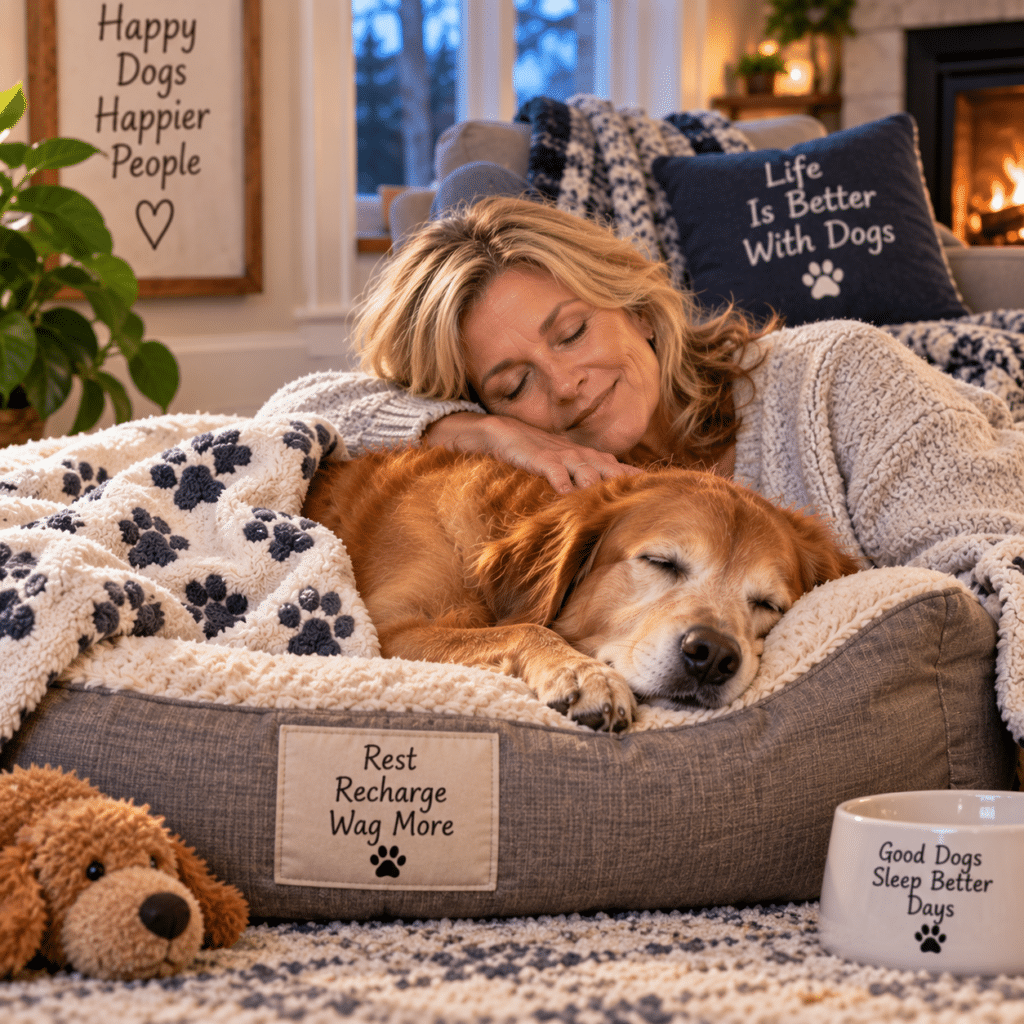
Dogs sleep a lot, but that doesn’t necessarily mean every sleeping spot is equally comfortable.
As dogs age, a good bed becomes even more important.
Watch where your dog naturally chooses to sleep.
Do they seek warmth?
Do they stretch completely out?
Do they curl into a tiny ball?
Do they prefer being near you?
An older dog may appreciate extra cushioning, a bed that’s easy to step into and a location away from cold drafts.
And yes, some dogs will ignore the expensive orthopedic bed you carefully selected and sleep on the laundry.
Dogs like to keep us humble.
This may be the most important habit on the entire list.
You know your dog better than anyone.
You know how quickly they normally eat.
You know how excited they get when you pick up the leash.
You know how they climb the stairs, jump onto the couch, greet you in the morning and settle down at night.
So when something seems different, pay attention.
Maybe they’re sleeping more.
Maybe they’re hesitating before jumping.
Maybe they suddenly don’t want breakfast.
Maybe they’re drinking much more water.
Maybe they just seem a little “off.”
One unusual day doesn’t always mean something is wrong, but persistent or significant changes are worth discussing with your veterinarian.
We can make caring for dogs sound awfully complicated.
Buy this.
Do that.
Follow twelve different routines before breakfast.
But most dogs don’t need us to turn their lives into a wellness program.
They need good food, fresh water, appropriate exercise, veterinary care, mental stimulation, comfortable rest and people who pay attention to them.
Some owners may decide to add something extra, such as a nutritional topper like Ruff Greens. Others may simply start measuring meals more carefully or turn the afternoon walk into a slower sniffing adventure.
That’s okay.
You don’t have to change everything at once.
Pick one small thing that makes sense for your dog and make it part of the routine.
Then maybe add another.
Because the little things we do for our dogs every single day aren’t really little things to them.
They’re their life.
And we’re lucky enough to be a very big part of it.