Newsletter Subscribe
Enter your email address below and subscribe to our newsletter

 ByDiana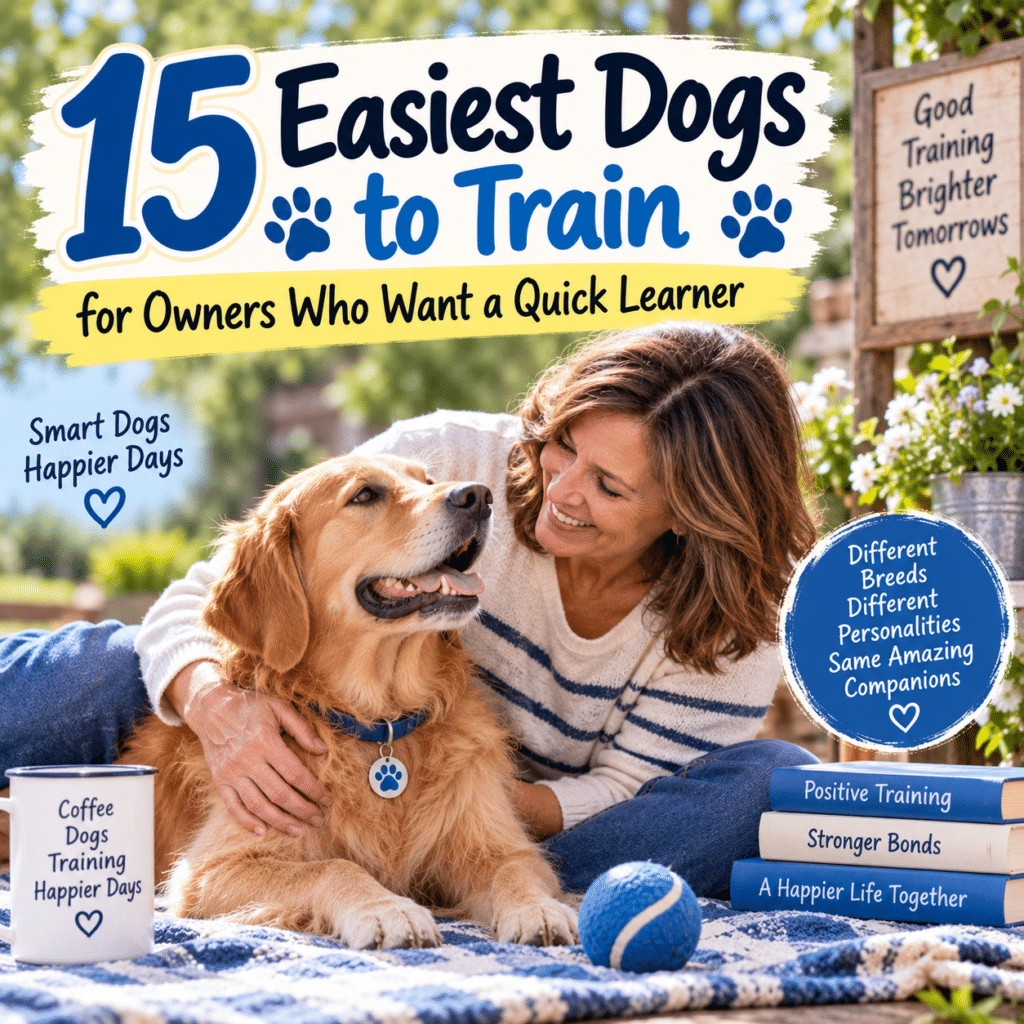
Some dogs seem to understand what you want before you’ve finished saying it.
Others look directly at you, consider your request and apparently decide they’d like to hear what else you have to offer.
That’s part of what makes dogs so much fun.
But if you’re choosing a new dog and easy training is high on your wish list, breed tendencies can give you a helpful place to start.
Dogs that are considered easier to train often have a combination of intelligence, eagerness to work with people, good focus and a willingness to repeat behaviors for rewards.
That doesn’t mean every dog of a particular breed will be easy to train. Personality, age, socialization, previous experiences and your own consistency all matter.
And there’s another important distinction:
Easy to train doesn’t always mean easy to own.
Some of the quickest learners on this list also need considerable exercise and mental stimulation. Others are more content with a quieter lifestyle.
With that in mind, here are 15 breeds worth considering when you want a dog who’s usually ready to learn.
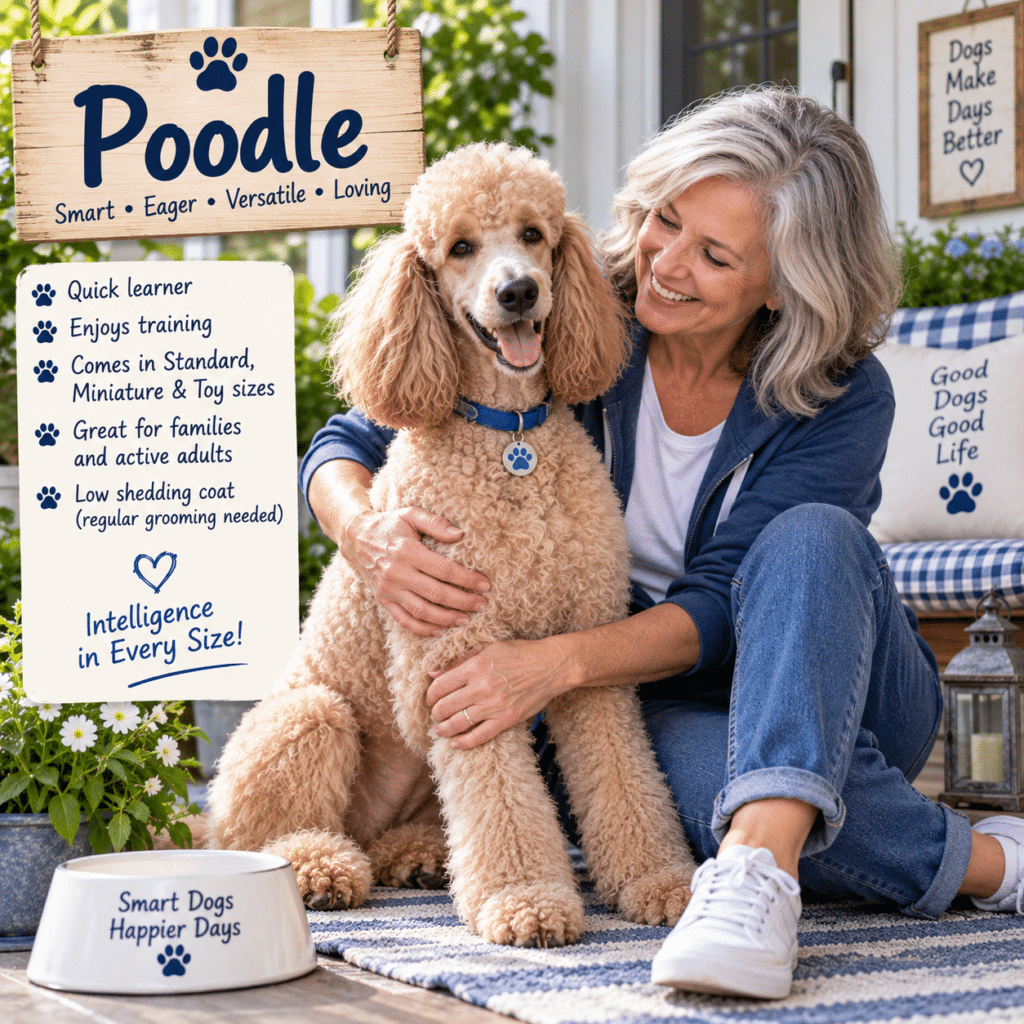
Poodles have much more going for them than their fancy haircuts.
They’re exceptionally bright dogs that tend to learn new behaviors quickly and enjoy interacting with their people.
One of their biggest advantages is that Poodles come in different sizes. Standard Poodles work well for people who prefer a larger, athletic companion, while Miniature and Toy Poodles offer much of that intelligence in smaller packages.
Poodles generally respond well to positive, reward-based training and can learn everything from basic household manners to complicated tricks.
Their coats also shed relatively little, although regular grooming is a must.
Best for: People wanting a highly trainable dog with several size options.
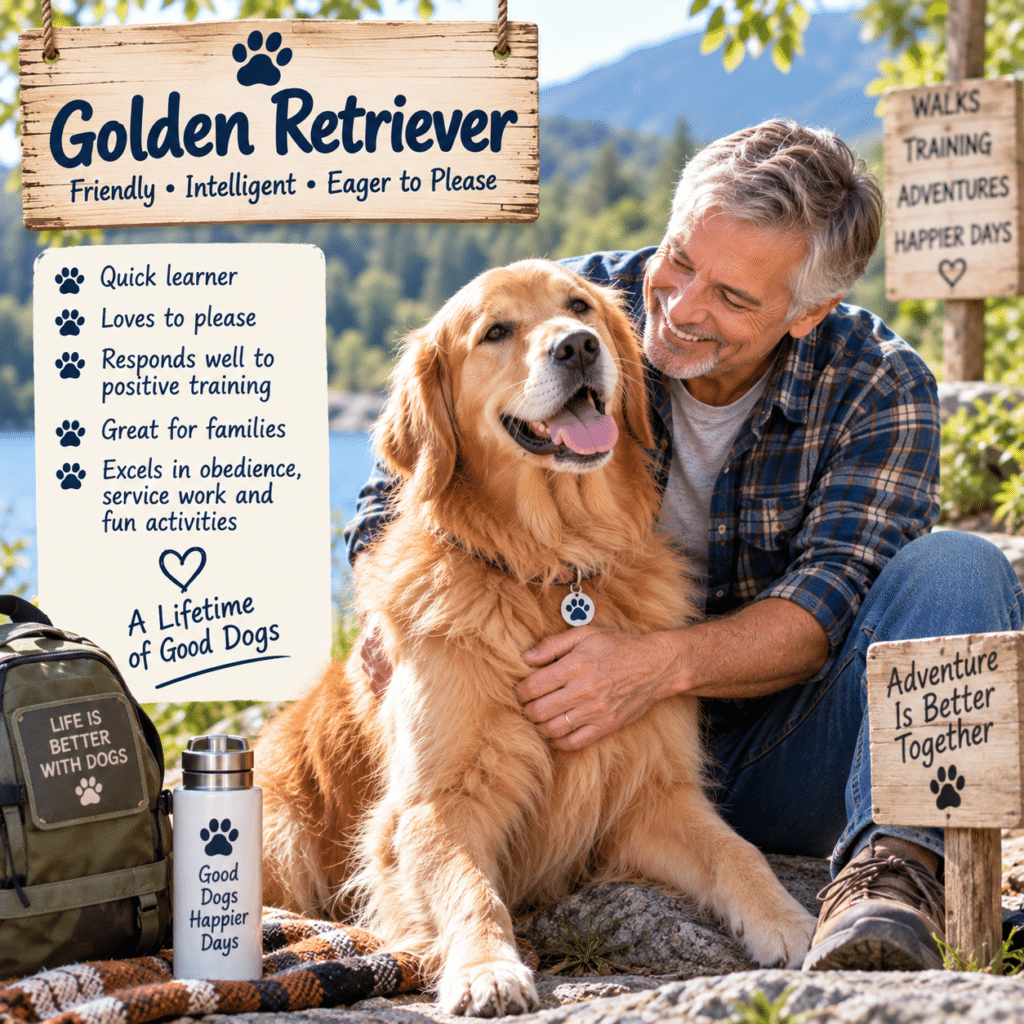
There’s a reason Golden Retrievers are so often seen working as service and therapy dogs.
They’re intelligent, people-oriented and generally eager to cooperate.
Goldens tend to respond enthusiastically to praise, treats and games, which gives owners plenty of ways to make training rewarding.
They’re also usually forgiving when a new owner doesn’t get every training technique exactly right.
The tradeoff is energy.
Young Golden Retrievers can be enthusiastic, bouncy and surprisingly mischievous. Training may come easily, but they still need regular exercise and interaction.
Best for: Active owners wanting an affectionate, cooperative larger dog.
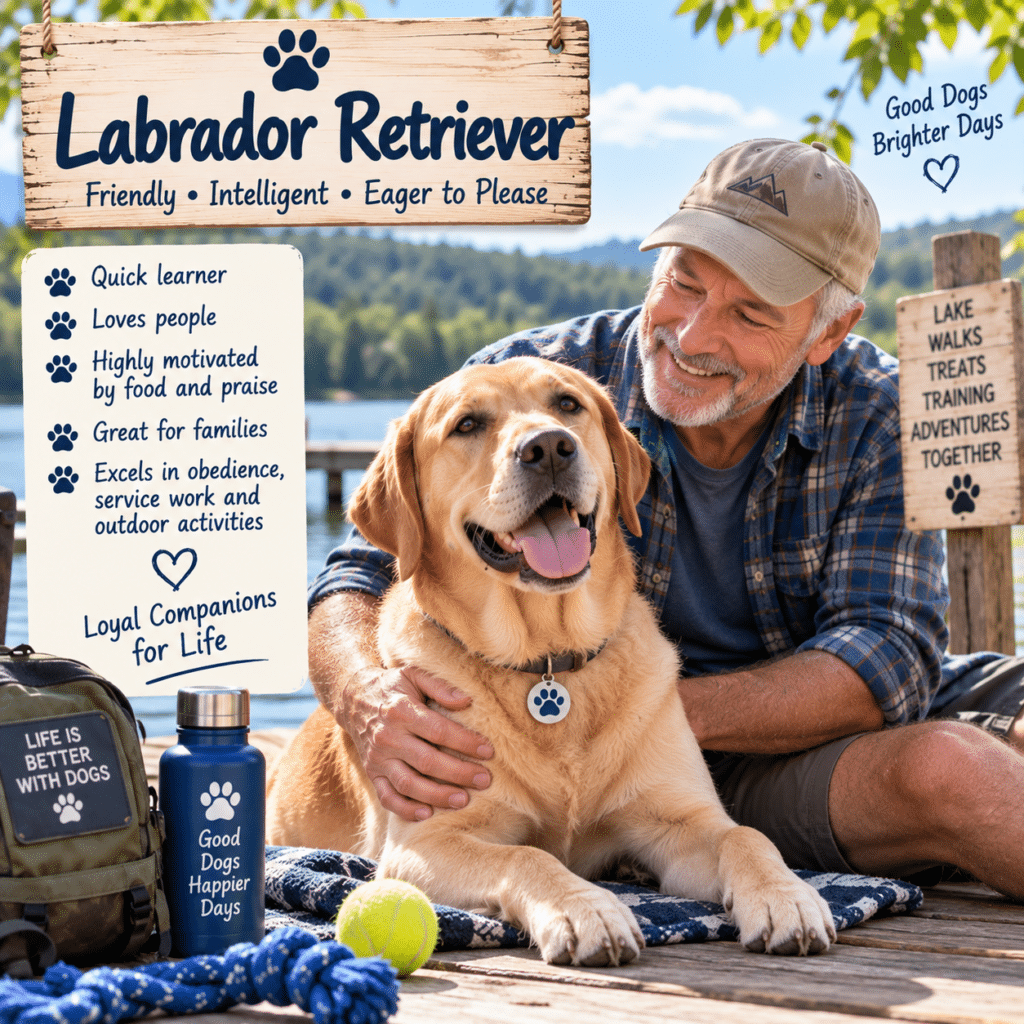
Labradors combine intelligence with one of the greatest training advantages imaginable:
Many of them are extremely motivated by food.
That can make teaching basic commands, recall and household manners considerably easier.
Labs are also highly people-oriented and have a long history of working alongside humans.
They’re often playful well into adulthood, so early training is particularly helpful for teaching a young Lab that not every visitor needs to be greeted at full speed.
Give them enough activity and consistent guidance, and Labs can be wonderful students.
Best for: Families and active adults wanting a friendly, trainable companion.
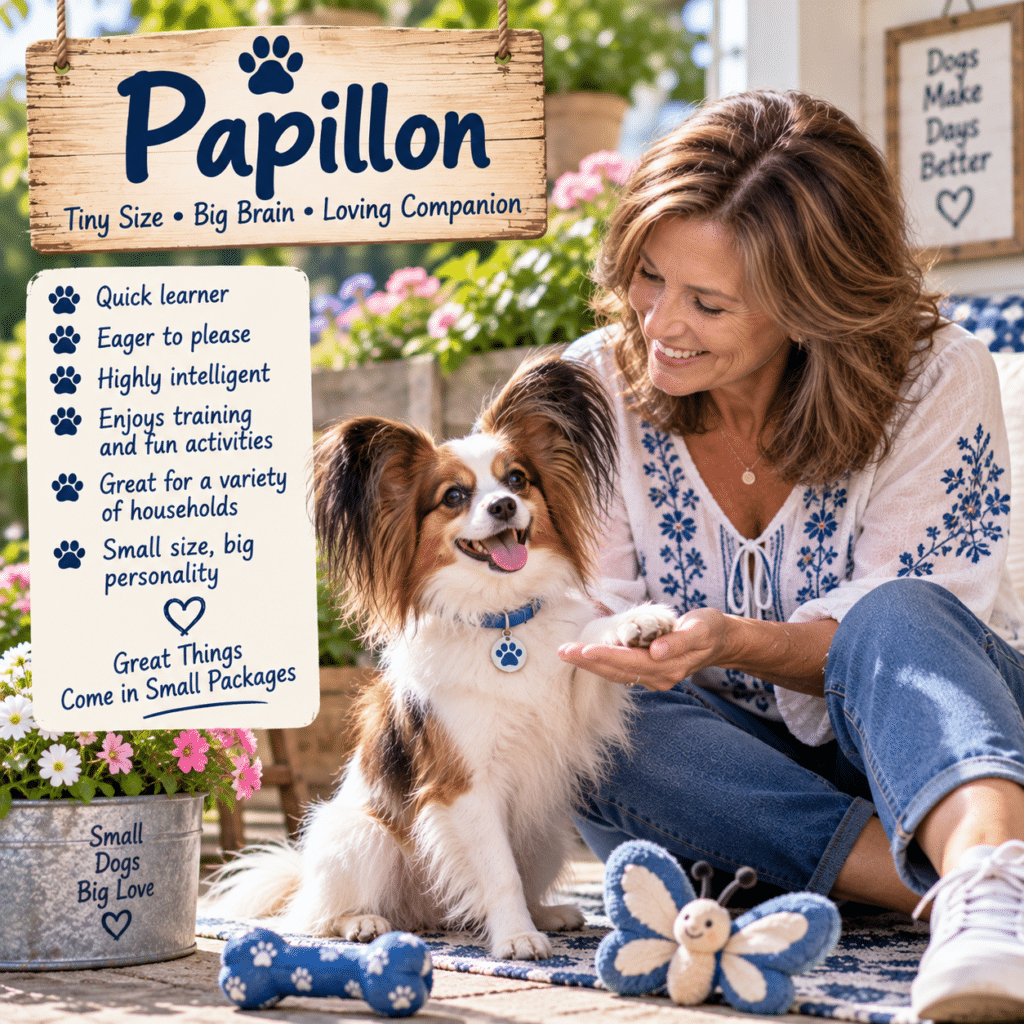
Don’t let those tiny paws fool you.
Papillons are remarkably clever little dogs.
They’re quick learners, attentive to their owners and often excel at activities people normally associate with much larger breeds.
Their small size can also make them appealing to older adults or anyone who wants an intelligent companion without managing a 60-pound dog.
One common mistake is letting little dogs skip training because undesirable behavior seems less serious when the dog weighs ten pounds.
Papillons benefit from rules and mental stimulation just as much as bigger dogs do.
Best for: Someone wanting a very small dog with a surprisingly big brain.
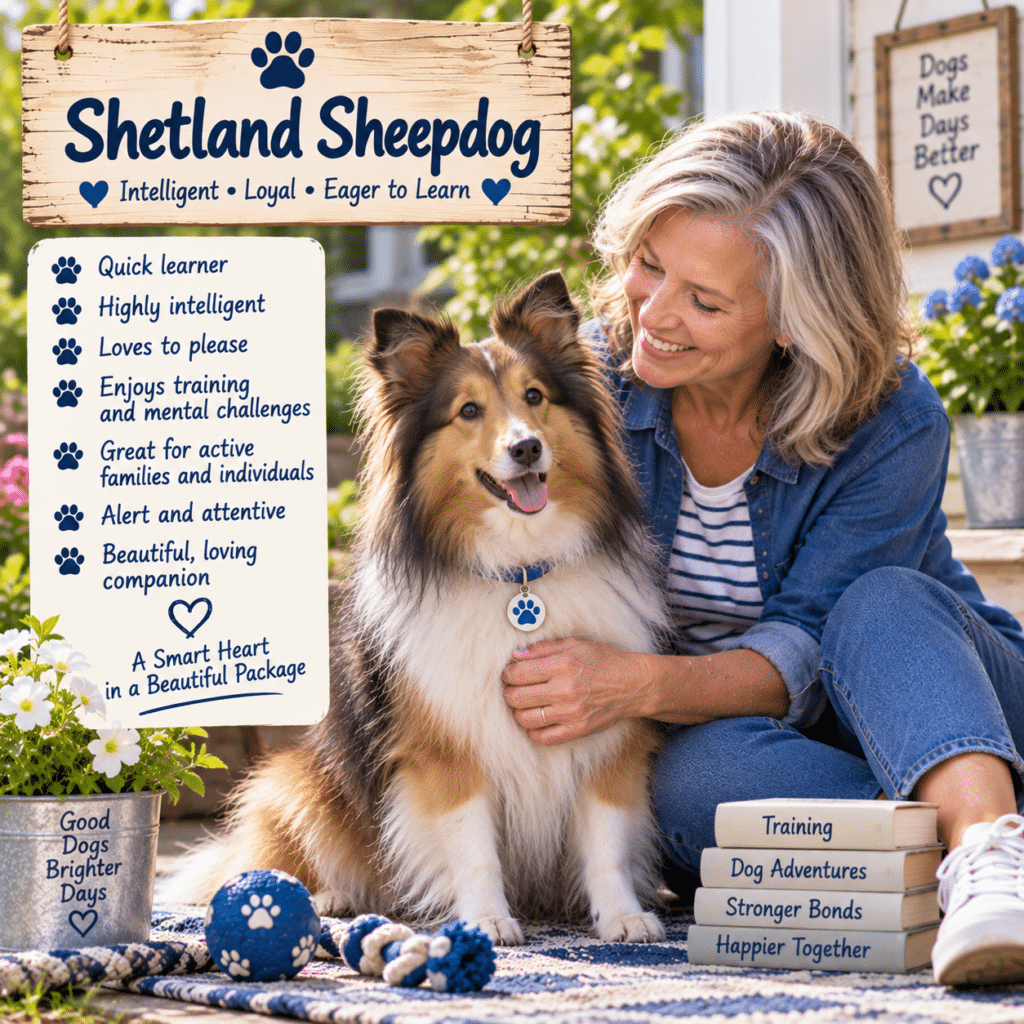
Shetland Sheepdogs—or Shelties—were bred to work closely with people, and that heritage still shows.
They’re attentive, intelligent and often extremely responsive to training.
Many seem to watch their owners constantly for clues about what comes next.
Shelties can learn an impressive vocabulary and often enjoy obedience, tricks and dog sports.
They can also be vocal, and their beautiful coats require regular grooming.
For someone who enjoys actually working with their dog rather than simply teaching a few commands and calling it finished, a Sheltie can be a delightful partner.
Best for: Owners who enjoy ongoing training and mental games.
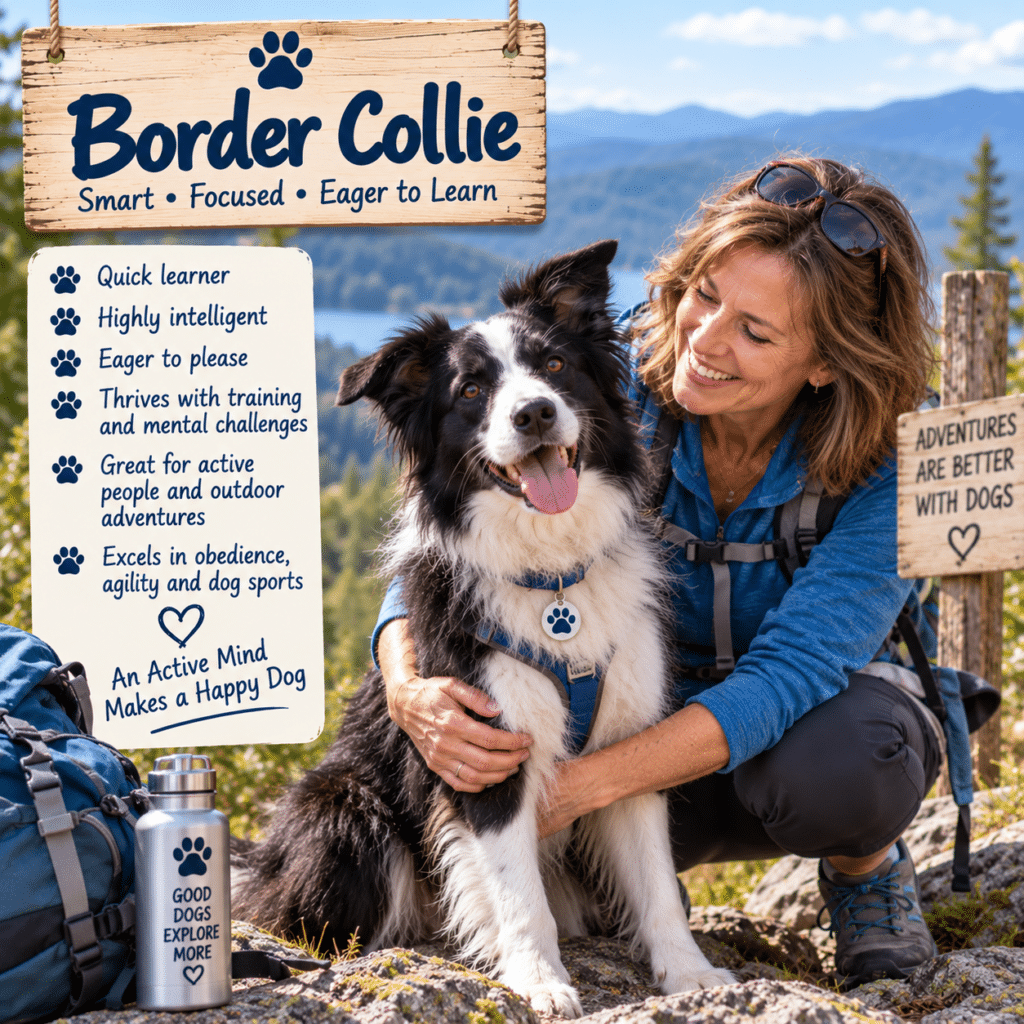
If this were simply a list of dogs famous for intelligence, the Border Collie would be difficult to overlook.
These dogs can learn astonishingly quickly.
But here’s where our earlier warning becomes important.
Easy to train does not necessarily mean easy to live with.
Border Collies were developed to work. Many need substantial physical exercise, mental challenges and something meaningful to do.
Without enough stimulation, all that intelligence may be redirected toward activities you didn’t request.
They’re extraordinary dogs for the right household, but someone wanting a relaxed companion for a quiet lifestyle may be happier with another breed on this list.
Best for: Very active owners who genuinely enjoy training.
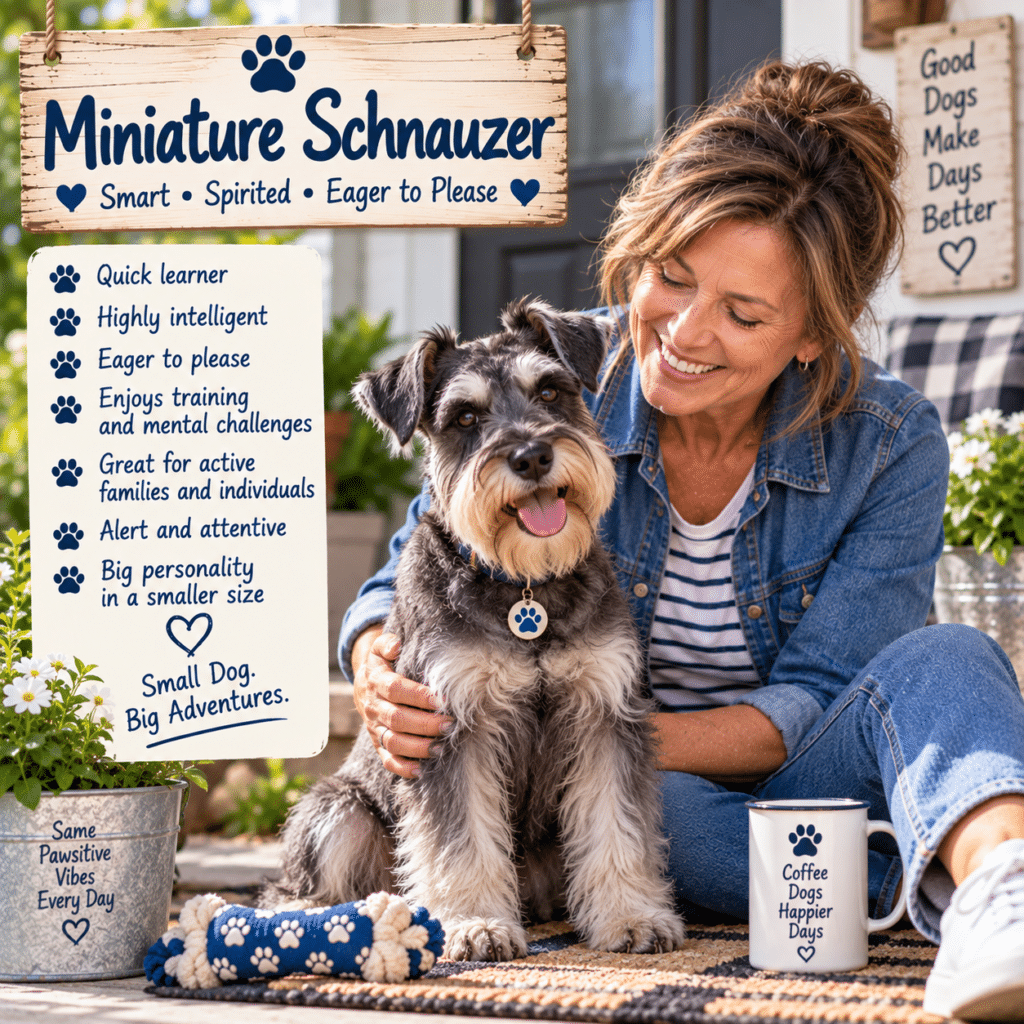
The Miniature Schnauzer offers an appealing combination of manageable size, intelligence and personality.
They’re alert little dogs that usually enjoy being involved in whatever their people are doing.
They tend to learn quickly, especially when training is upbeat and rewarding.
Miniature Schnauzers can have an independent streak, though, so consistency matters.
They may also believe part of their job description involves announcing everything happening within approximately three counties.
Early work on barking and calm behavior can be particularly worthwhile.
Best for: People wanting a smart, sturdy smaller companion.
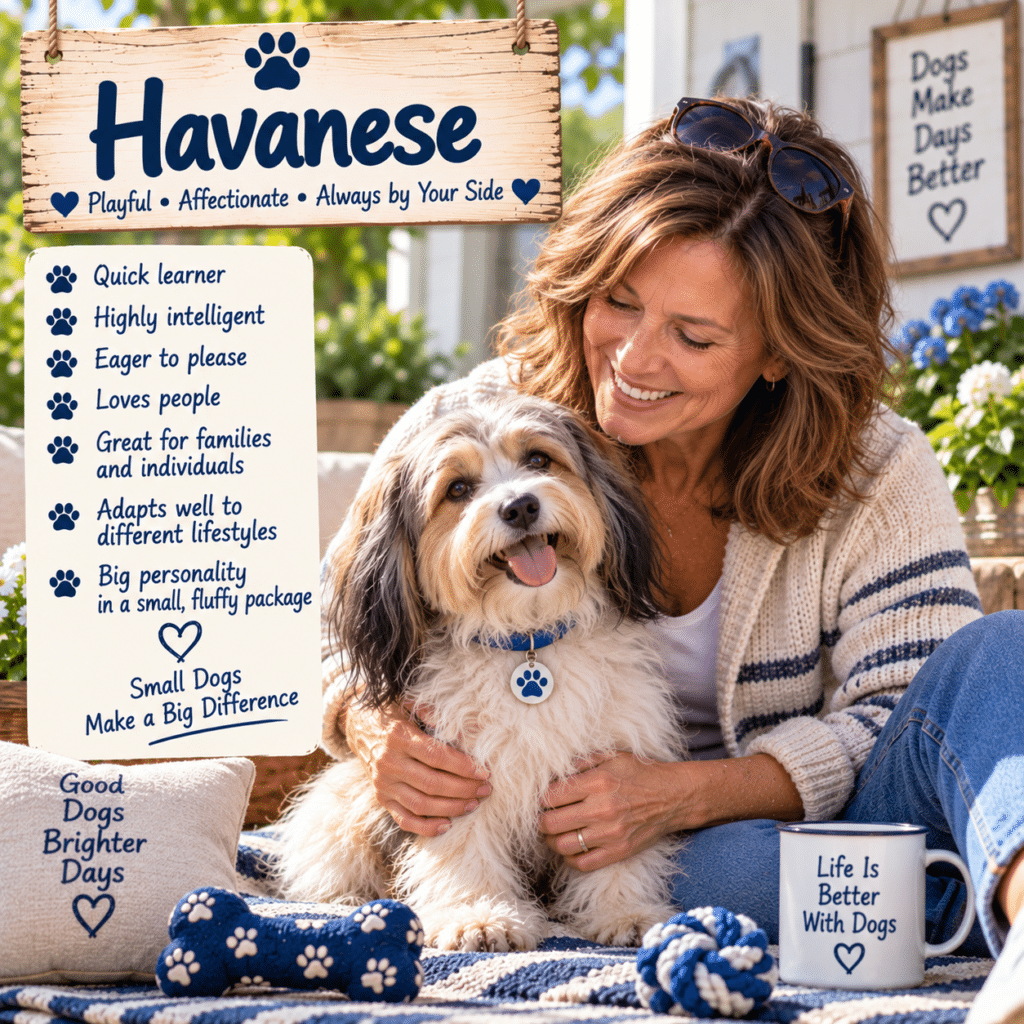
For someone looking for a small companion dog that’s both affectionate and trainable, the Havanese deserves attention.
These dogs tend to form strong bonds with their families and generally enjoy pleasing their people.
Their cheerful personalities often make short training sessions feel more like play.
Havanese don’t usually require the intense exercise schedule of a Border Collie or Australian Shepherd, making them potentially better suited to a somewhat quieter household.
They do require regular coat care, however.
Best for: People wanting an affectionate, trainable small companion.
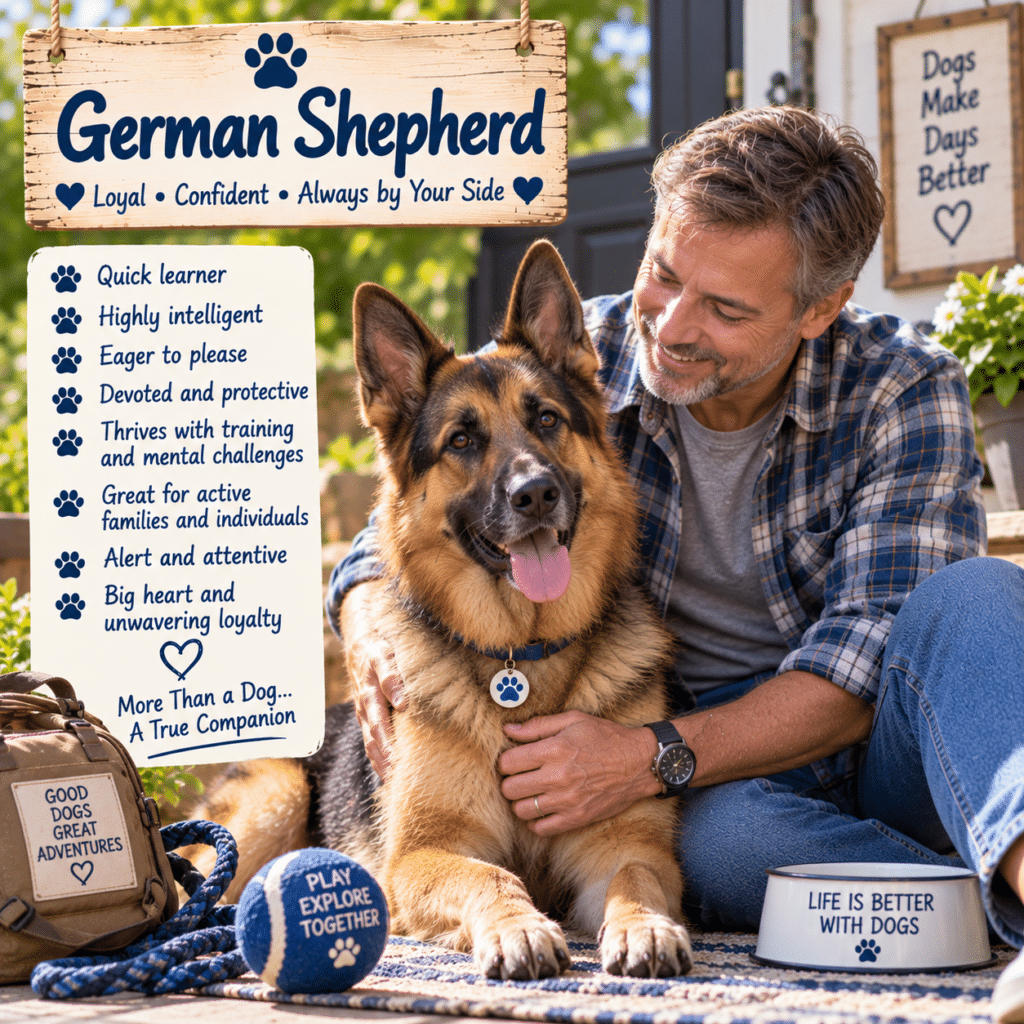
German Shepherds have spent generations performing demanding jobs alongside people.
That combination of intelligence, focus and versatility makes them highly trainable.
They can learn household manners, advanced obedience and complex working tasks.
But they’re also powerful dogs that benefit enormously from early socialization and consistent training.
A well-trained German Shepherd can be an incredible companion. An under-stimulated one with little guidance can be much harder to manage.
This is another breed where the owner’s commitment matters just as much as the dog’s ability to learn.
Best for: Experienced or committed owners wanting a highly capable large dog.
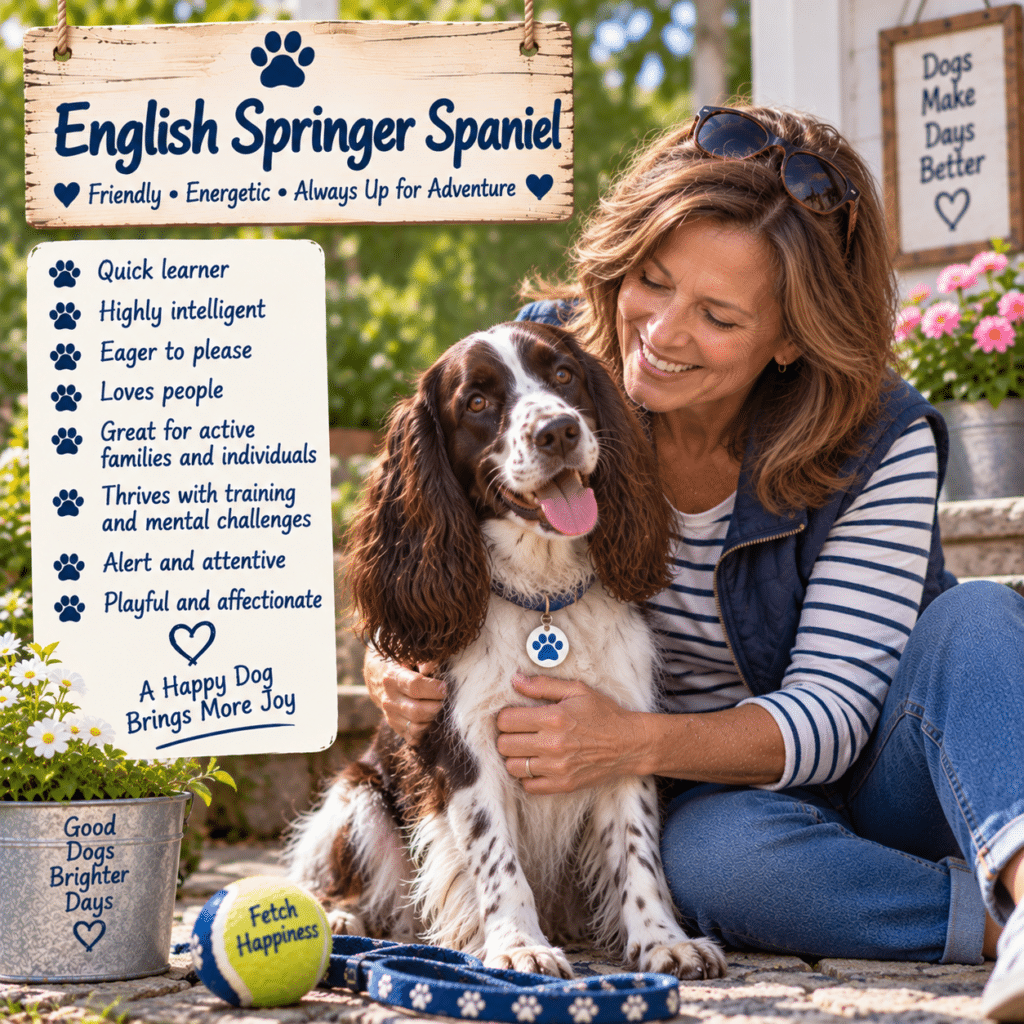
English Springer Spaniels are enthusiastic dogs that tend to enjoy working with their people.
Originally bred as hunting companions, they’re generally responsive, energetic and eager to participate.
That willingness to engage can make training easier because you aren’t constantly trying to convince the dog that paying attention to you is worthwhile.
Springers typically need regular exercise and opportunities to use their brains and noses.
For active households, though, their combination of affection and trainability can be hard to beat.
Best for: Active people wanting a cheerful, medium-sized companion.
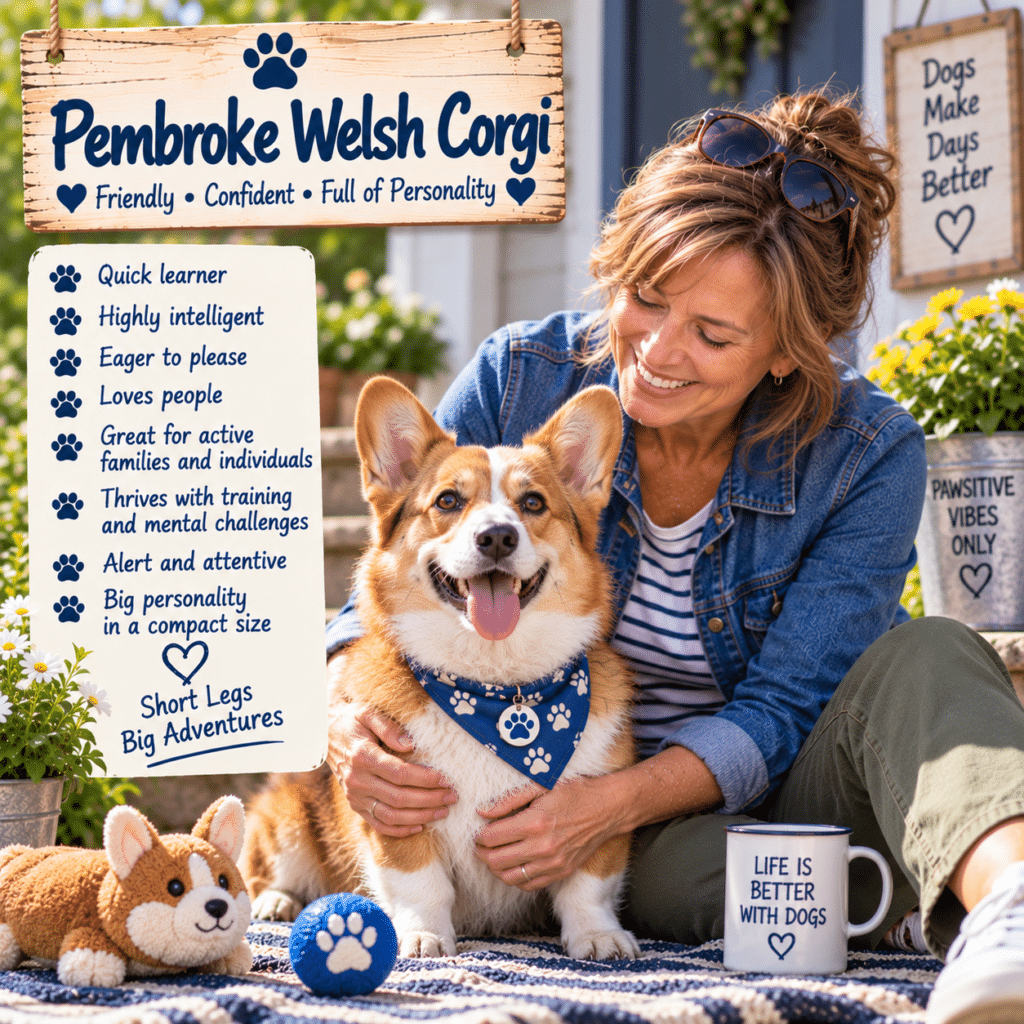
Those short legs come with a surprisingly capable dog attached.
Pembroke Welsh Corgis were bred for herding and tend to be intelligent, alert and quick to figure things out.
They often enjoy training, particularly when rewards are involved.
Corgis can also have opinions.
That intelligence sometimes means they’ll test whether the rules you established yesterday are still in effect today.
Consistent training, appropriate exercise and watching their weight are particularly important.
Best for: Owners wanting a smart, sturdy dog in a relatively compact package.
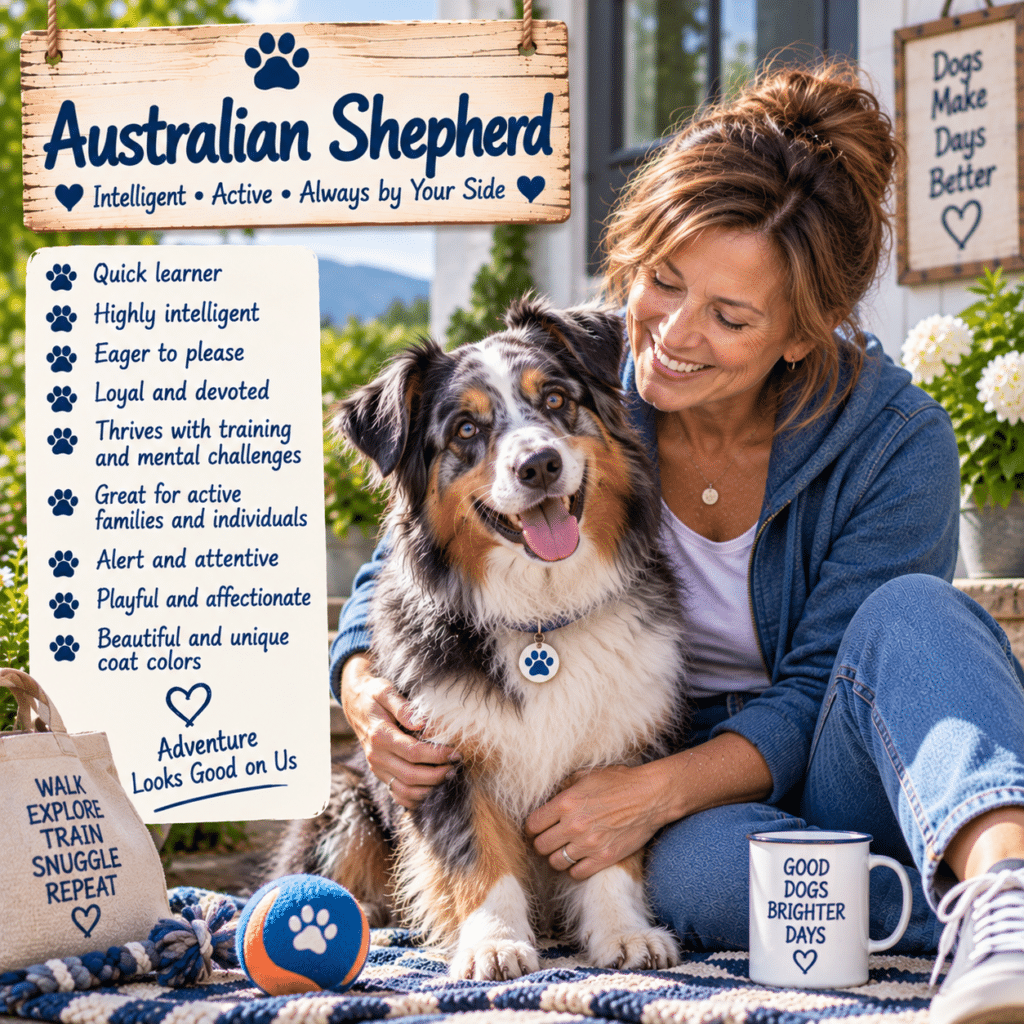
Australian Shepherds often seem happiest when their brains have something to do.
They’re intelligent, responsive and capable of learning complicated behaviors very quickly.
Training an Aussie usually isn’t difficult because of a lack of ability.
The bigger challenge can be keeping up with them.
These athletic dogs typically need substantial exercise, interaction and mental stimulation. They may also try to herd people, children or other animals if those instincts aren’t given more appropriate outlets.
For an active person who wants training to become a hobby, however, an Aussie can be an outstanding partner.
Best for: Active households that want an energetic training companion.
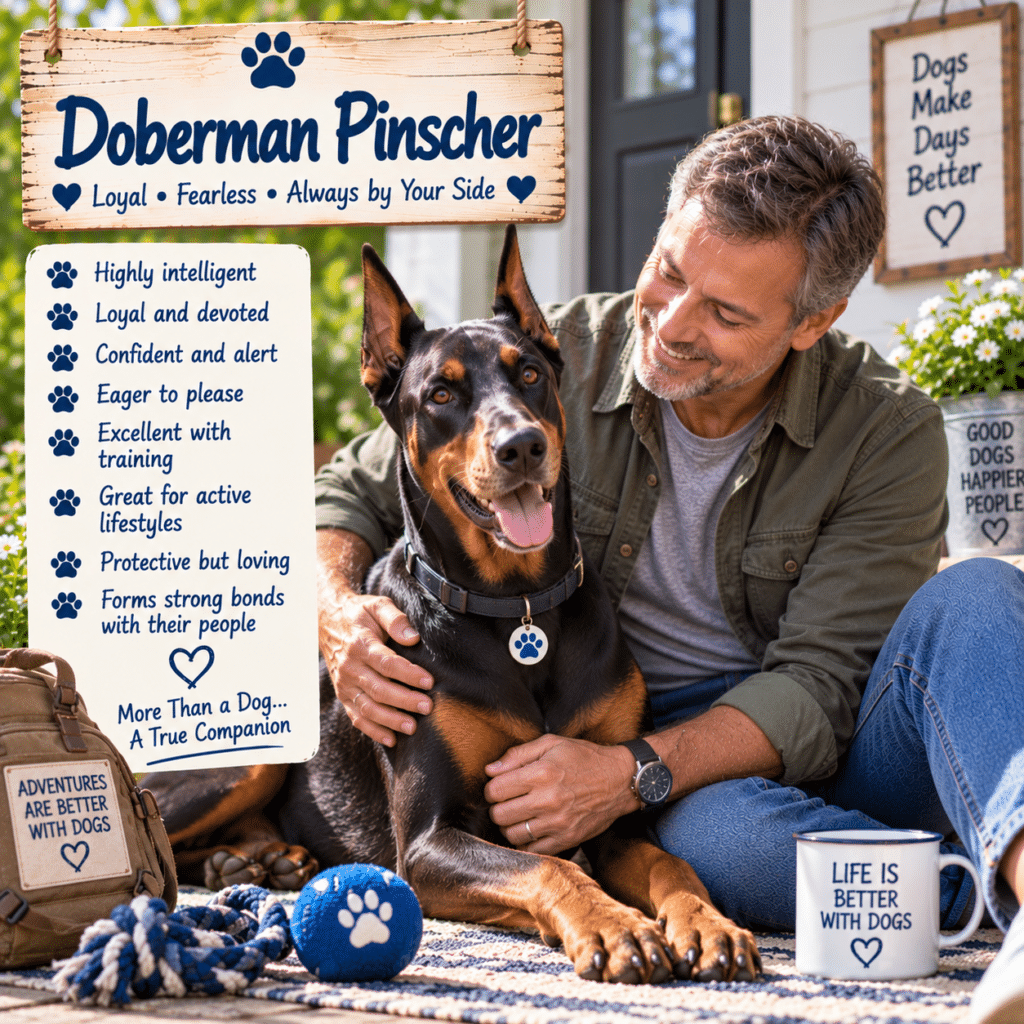
Dobermans are sometimes judged primarily by their imposing appearance, but they’re remarkably intelligent dogs that tend to form close relationships with their people.
They usually learn quickly and thrive when training is consistent, positive and clear.
Because they’re large, athletic and powerful, early manners are especially important.
Teaching calm greetings, leash skills, recall and appropriate behavior while they’re young makes life much easier once they’re fully grown.
They also tend to want to be close to their families rather than spending their lives alone in the backyard.
Best for: Committed owners wanting a smart, loyal, athletic companion.
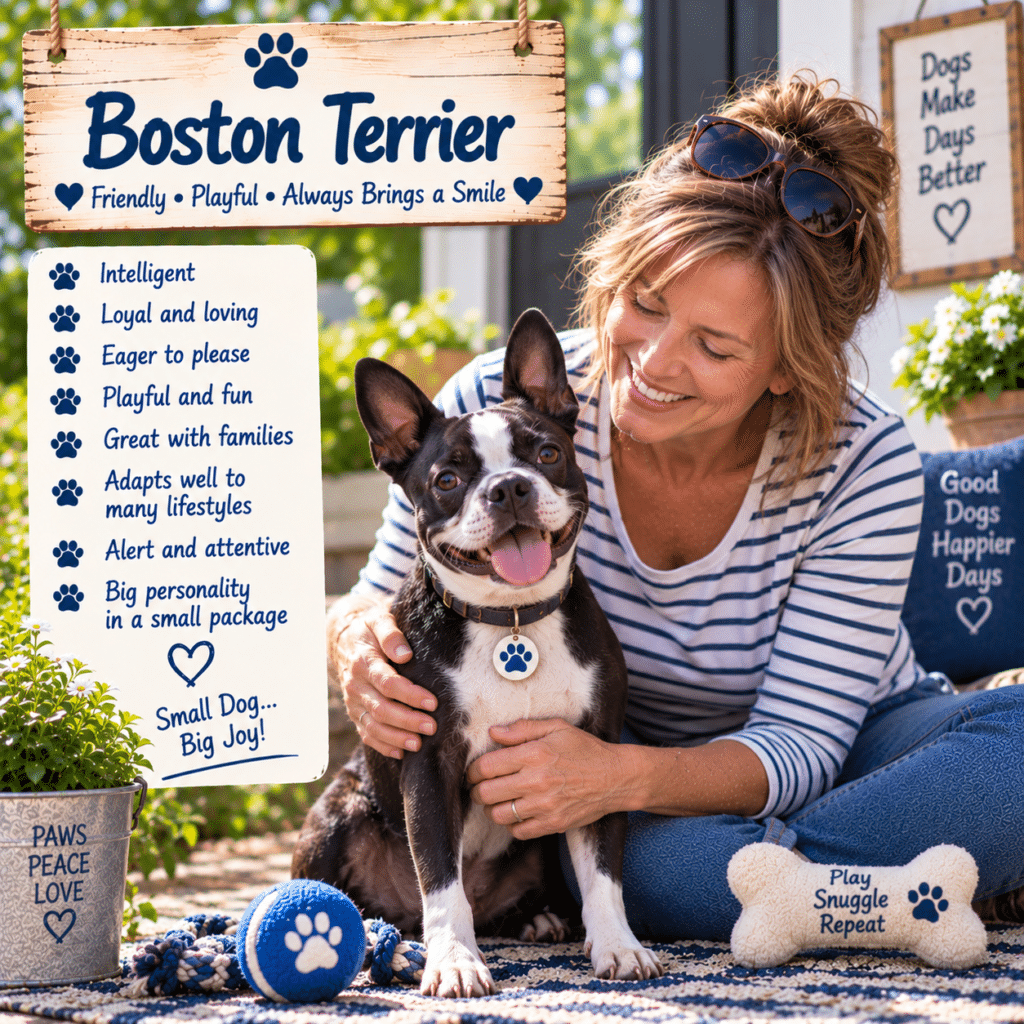
The Boston Terrier gives us another smaller option for people who aren’t looking for a high-powered working breed.
They’re typically friendly, people-oriented dogs that respond well to positive training.
Their playful nature can make training entertaining, although some Boston Terriers occasionally add their own interpretation to the lesson.
Short, upbeat sessions usually work better than repetitive drilling.
Because they’re a flat-faced breed, exercise and heat tolerance also deserve special consideration.
Best for: People wanting a friendly smaller companion with a playful personality.
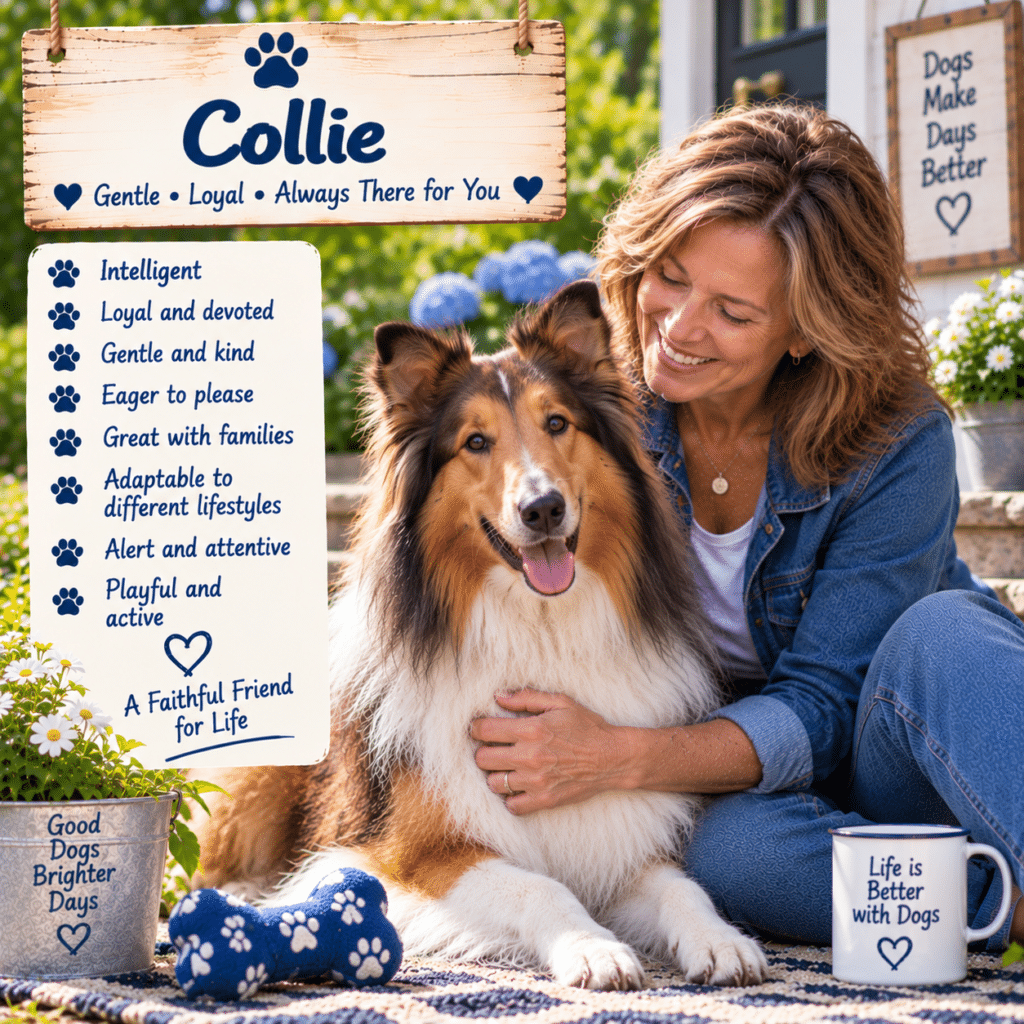
The Collie has been associated with intelligent, devoted dogs for generations—and not only because of Lassie.
Collies tend to be sensitive, attentive to their families and responsive to gentle training.
They often want to cooperate rather than challenge every request.
Harsh training methods are unnecessary and can be particularly counterproductive with sensitive dogs like these.
Both Rough and Smooth Collies share many of the same appealing personality traits, although their grooming requirements differ considerably.
Best for: Someone wanting a gentle, trainable family companion.
Choosing the smartest dog on a list isn’t necessarily the best way to choose your next companion.
Instead, look at the entire dog.
Ask yourself:
For a quieter household, a Havanese, Papillon or Miniature Schnauzer may make more sense than an Australian Shepherd.
For someone who loves hiking, training and outdoor activities, that answer could be completely different.
And don’t overlook mixed-breed and rescue dogs.
Plenty of wonderful shelter dogs are quick learners, eager to please and already past some of the puppy challenges that come with bringing home a young purebred dog.

Intelligence certainly helps.
But the relationship between you and your dog matters even more.
A dog learns best when training is clear, consistent and rewarding. Five enjoyable minutes practiced regularly can accomplish far more than one frustrating hour once every few weeks.
Use treats.
Use praise.
Celebrate the little victories.
And remember that training isn’t only about teaching “sit,” “stay” and “come.”
It’s one of the ways you and your dog learn how to understand each other.
The right dog won’t necessarily be the breed that learns a command in the fewest repetitions.
It’ll be the one whose personality, energy level and needs fit comfortably into your life.
Because when you enjoy being together, training stops feeling quite so much like training.
It simply becomes another thing you do together.