Newsletter Subscribe
Enter your email address below and subscribe to our newsletter

 ByDiana
If you love dogs but start sneezing, itching or reaching for the tissues whenever one comes near, you’ve probably heard about hypoallergenic dogs.
The good news is that some breeds shed very little and may be easier for some people with dog allergies to live with.
The important part is that no dog is completely hypoallergenic. People with dog allergies react to proteins found in dander, saliva and urine. Even a dog that barely sheds can still trigger symptoms. Some people simply tolerate certain dogs better than others.
That’s why it’s a good idea to spend time with the individual dog you’re considering before bringing one home—especially if your allergies are significant.
With that in mind, here are 19 breeds commonly considered better possibilities for allergy sufferers.
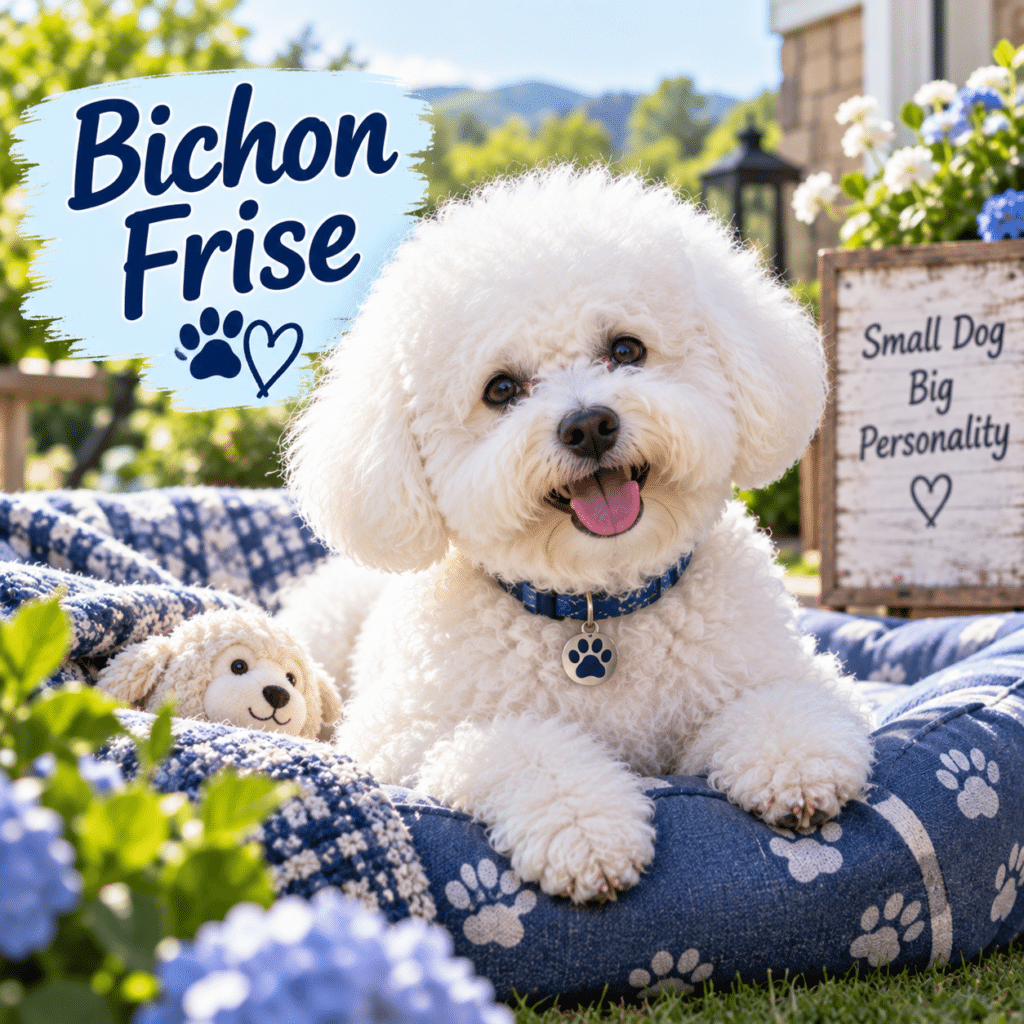
The cheerful little Bichon Frise is almost tailor-made for people who want a small companion dog with a low-shedding coat.
Instead of shedding heavily, the Bichon’s soft white hair continues growing. That means less loose hair floating around the house, but it also means regular brushing and professional grooming are part of the deal. The AKC includes the Bichon among breeds commonly considered by allergy sufferers.
I have a Bichon myself (JuJu), so this is one breed I know beyond what you’ll find in a breed description. They’re wonderful little companion dogs, but that beautiful fluffy coat definitely doesn’t maintain itself.
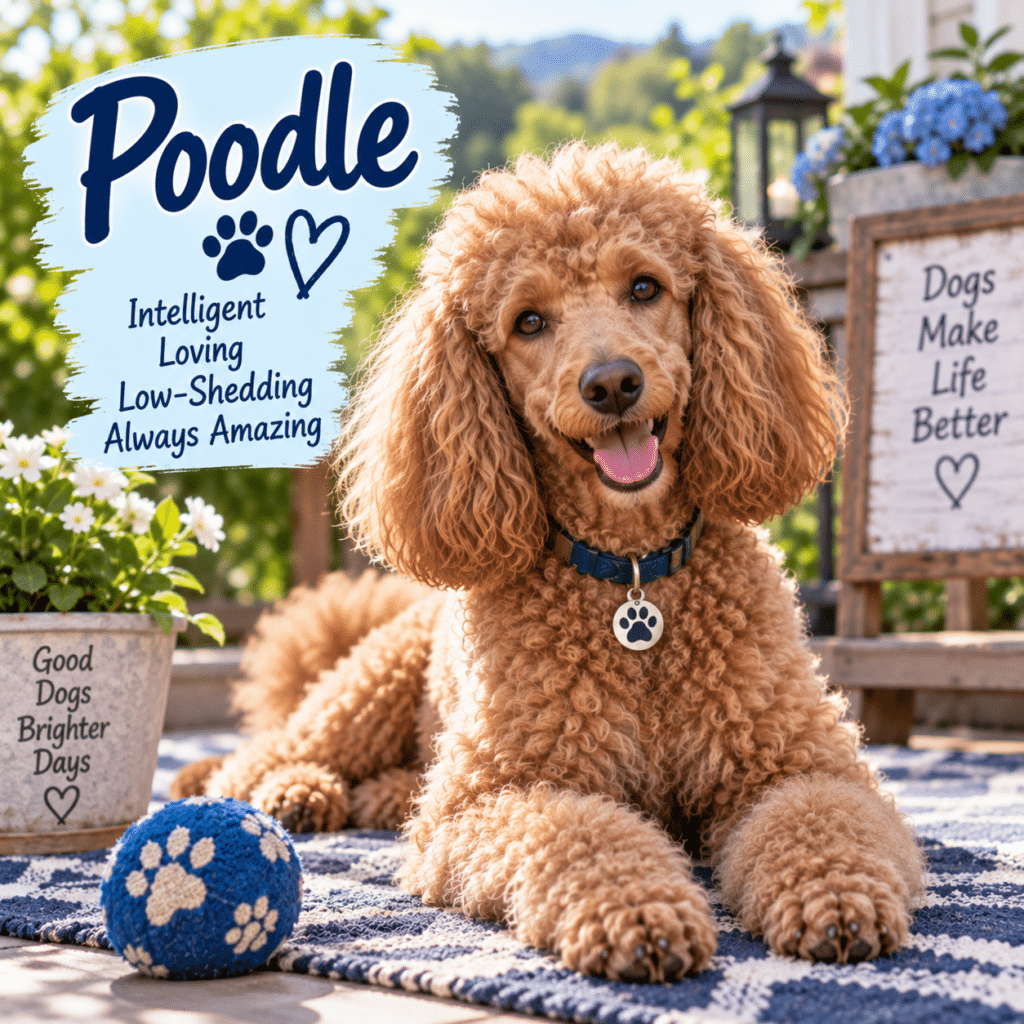
Whether you prefer a Toy, Miniature or Standard, the Poodle has one of the best-known low-shedding coats in the dog world.
Their curly hair tends to hold onto loose hair rather than dropping it all over your furniture and clothing. The tradeoff is grooming—Poodles need regular brushing and clipping.
They’re also highly intelligent and generally need mental stimulation along with physical exercise.
Rather than treating the three sizes as separate breeds on this list, we’re counting the Poodle once. You can then choose a size that better fits your home and lifestyle.
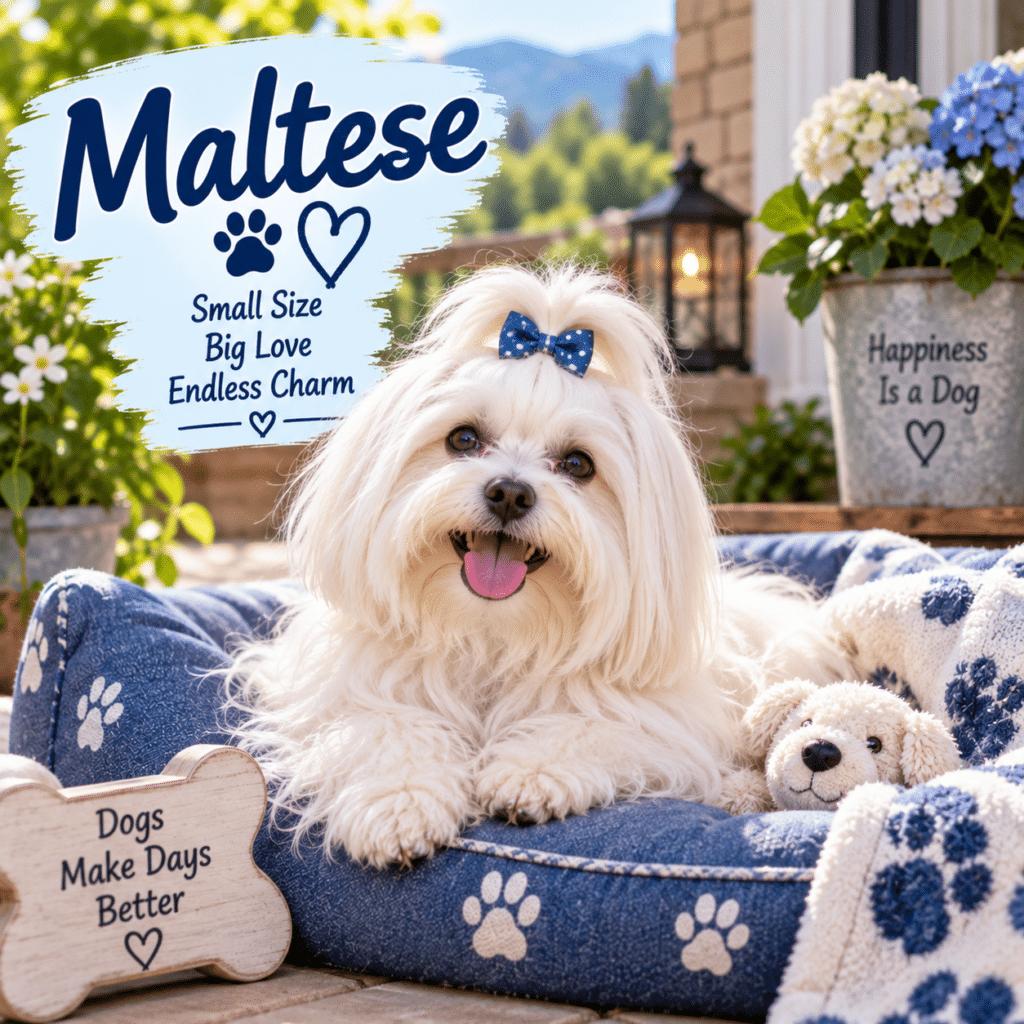
Under all that flowing white hair is a very small dog.
The Maltese is popular with people who want a little companion that doesn’t shed heavily. Their long coat does require consistent care, although many pet owners choose a shorter “puppy cut” because it’s easier to maintain.
Maltese are affectionate companion dogs and can be particularly appealing to people who don’t want a large, highly active breed.
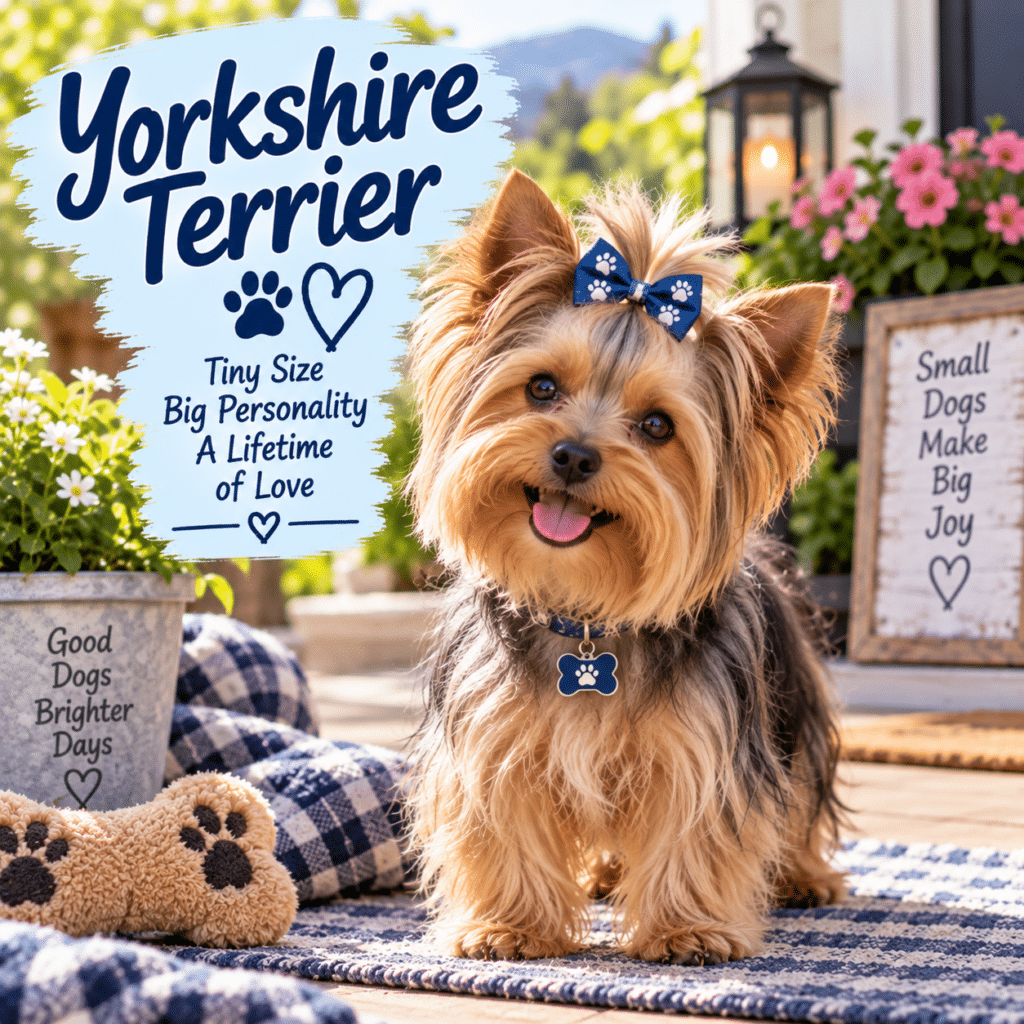
Yorkies have hair that’s often compared more to human hair than typical dog fur.
They’re tiny, portable and full of personality. They also shed relatively little, although their silky coat needs regular grooming.
Don’t let their size fool you, though. A Yorkshire Terrier is still very much a terrier and can pack an impressive amount of confidence into a very small body.
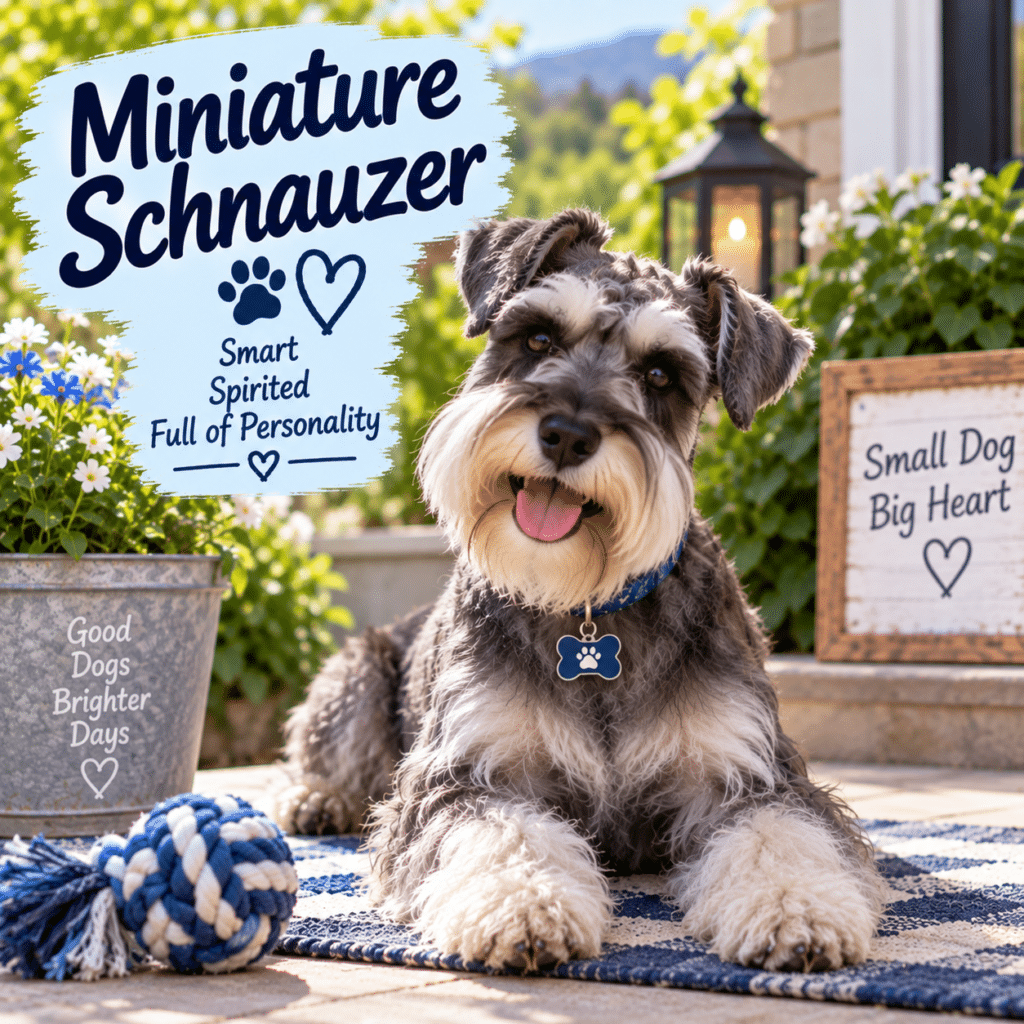
The Miniature Schnauzer gives you a completely different look from the fluffy white dogs that dominate many hypoallergenic lists.
Their wiry double coat sheds relatively little when properly maintained. Regular clipping or hand-stripping and brushing help keep that unmistakable Schnauzer appearance.
They’re lively, intelligent little dogs with plenty of personality.
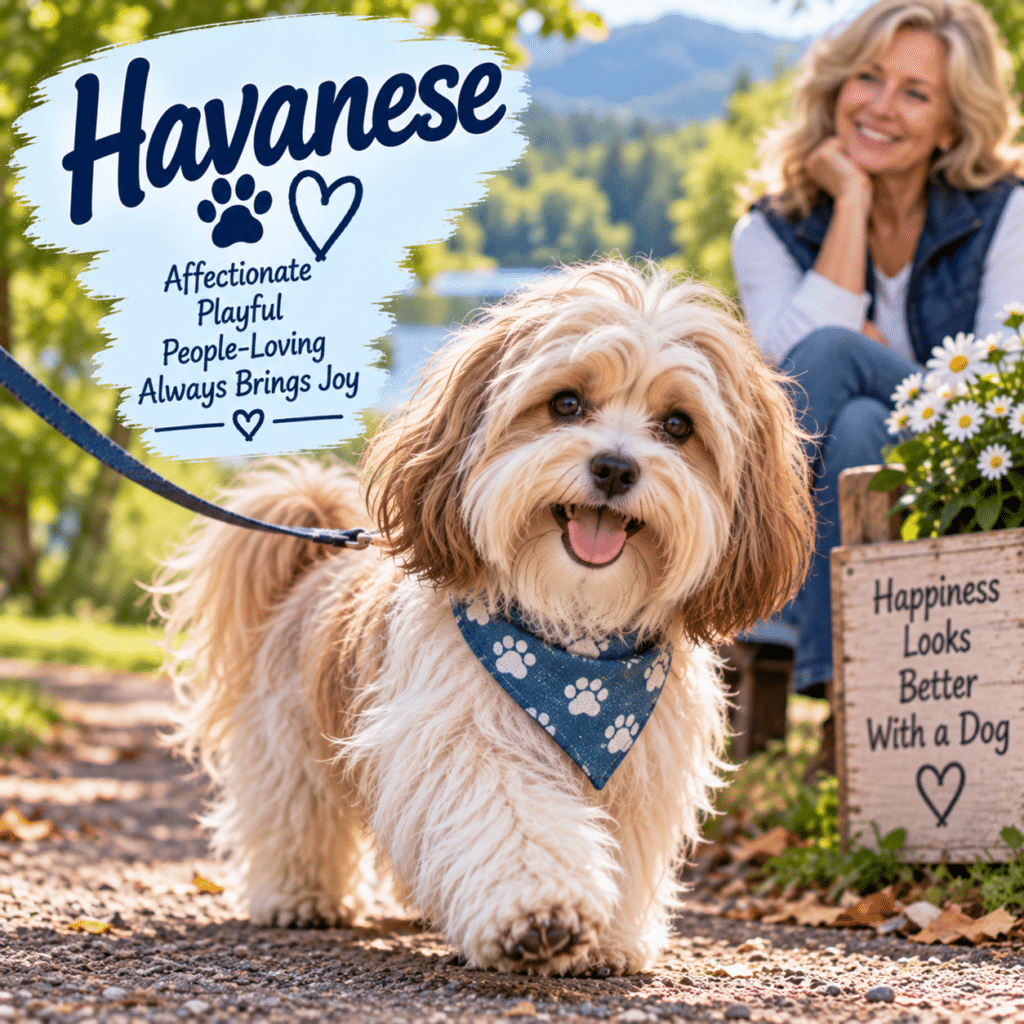
The Havanese combines a small size with a long, silky coat that doesn’t shed heavily.
They’re known for being social companion dogs and generally enjoy being involved in whatever their people are doing.
That coat requires brushing to prevent tangles and mats, but owners who prefer easier maintenance can keep it trimmed shorter.
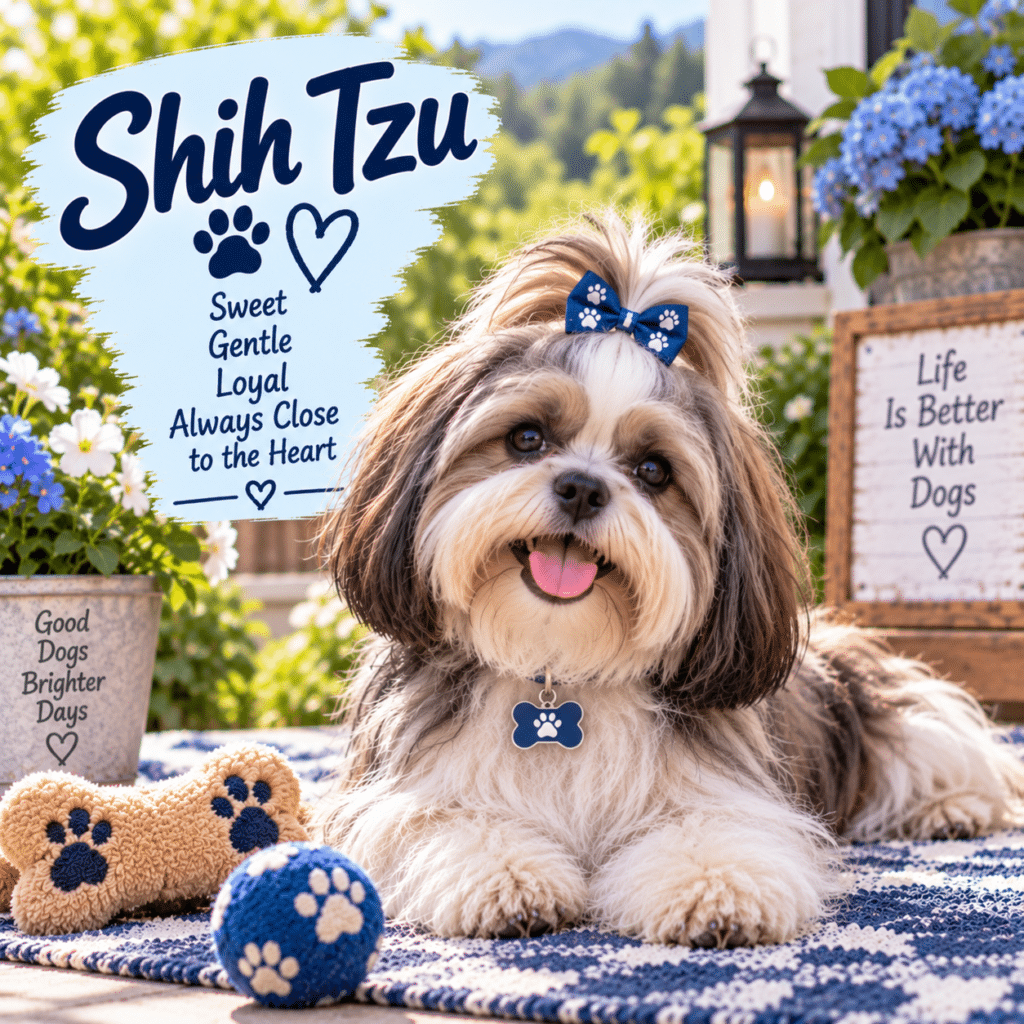
Here’s another one I know personally.
Shih Tzus have long hair rather than the type of coat that sheds heavily throughout the house. That makes them a breed some allergy sufferers consider, although they certainly aren’t allergen-free. Current AKC guidance includes Shih Tzus among breeds often considered by people with allergies.
I also own a Shih Tzu (Itzy), and one thing I particularly appreciate about the breed is how well they fit into everyday home life. They’re little companion dogs through and through.
Their coat does need regular attention. Many family Shih Tzus wear a shorter cut because it’s much easier to brush and maintain.
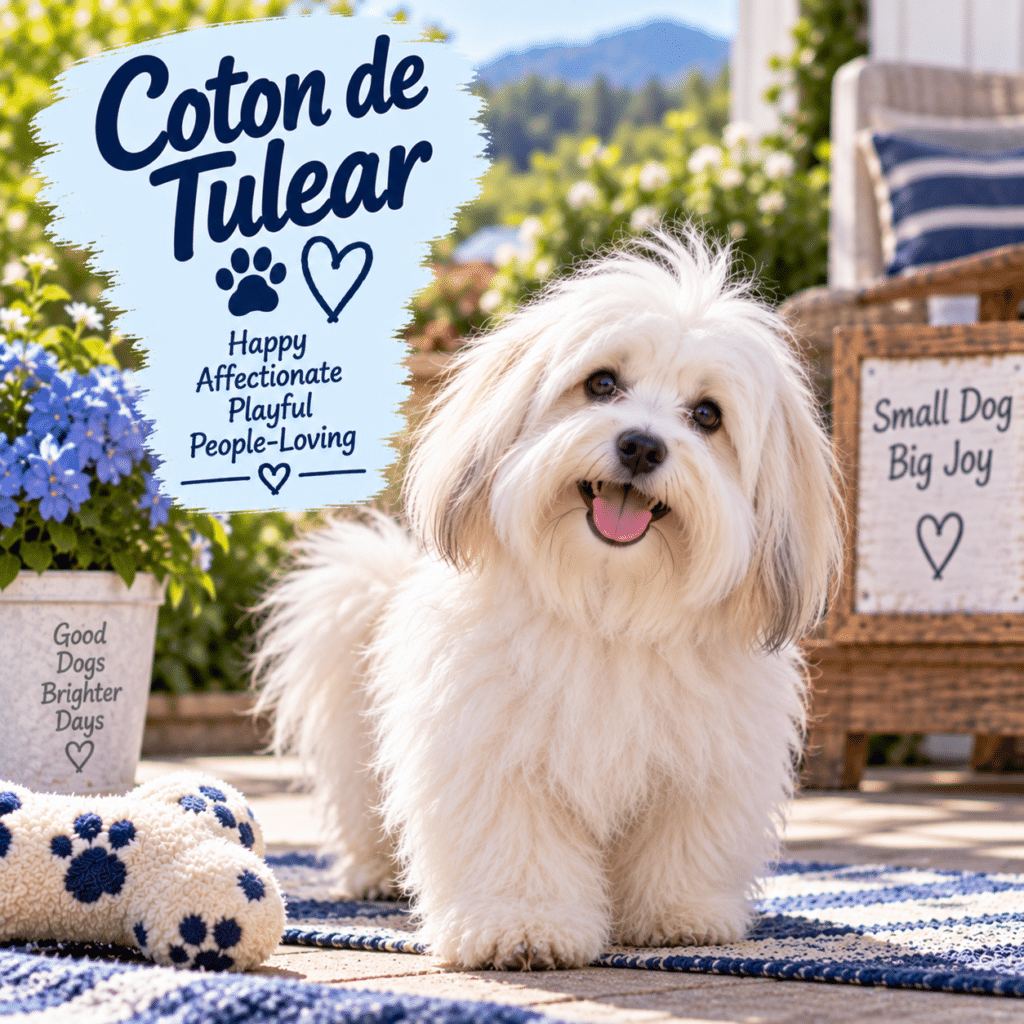
If you like small fluffy dogs, the Coton de Tulear deserves a look.
The breed gets its name from its distinctive soft, cotton-like coat. Cotons shed relatively little but require frequent grooming because that fluffy hair can tangle.
They’re generally cheerful, affectionate companion dogs and tend to enjoy being close to their families. The breed appears on the AKC’s current hypoallergenic-dog listings.
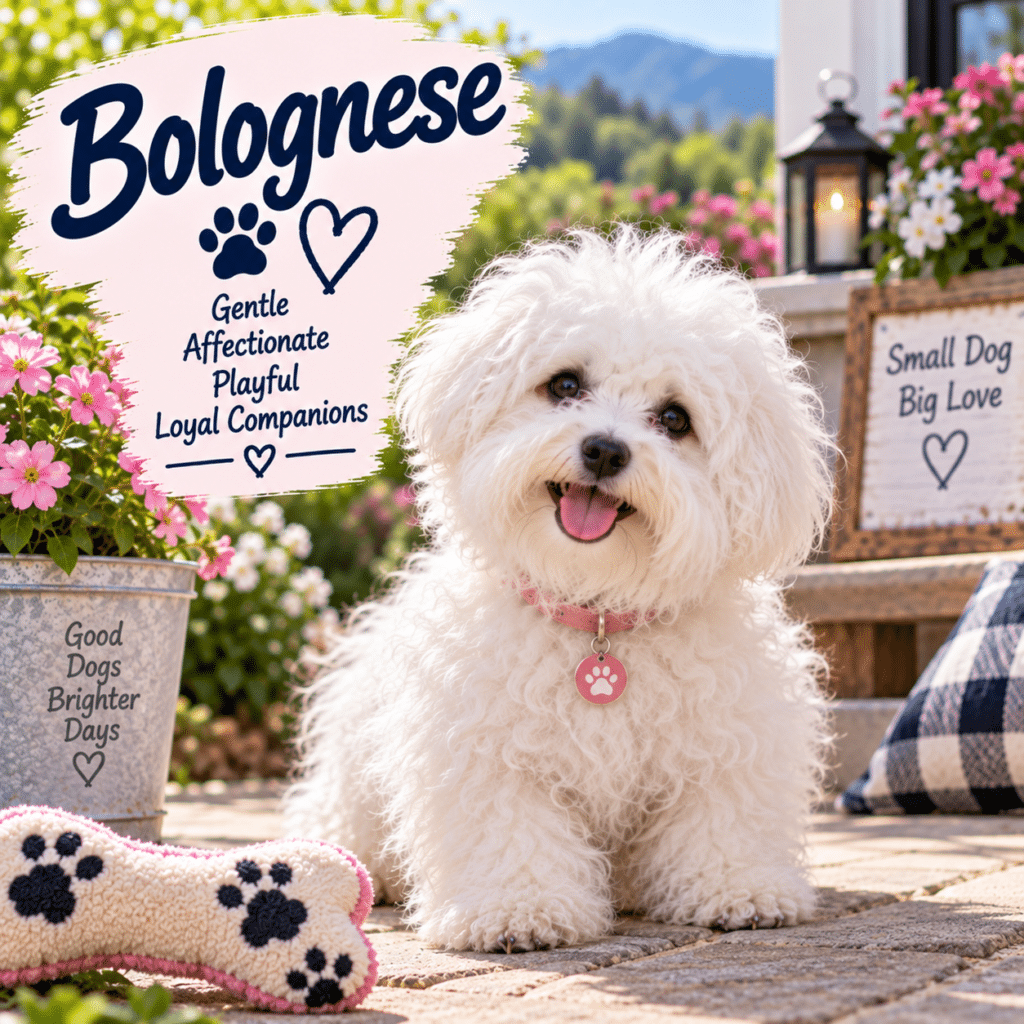
The Bolognese isn’t as familiar to many Americans as the Bichon Frise, but the two have something of a family resemblance.
This small white companion dog has a fluffy coat that sheds very little. Like most low-shedding long-coated breeds, however, “less shedding” definitely doesn’t mean “less grooming.”
Regular brushing is necessary to keep the coat comfortable and free of mats.
The AKC currently includes the Bolognese in its hypoallergenic breed listings.
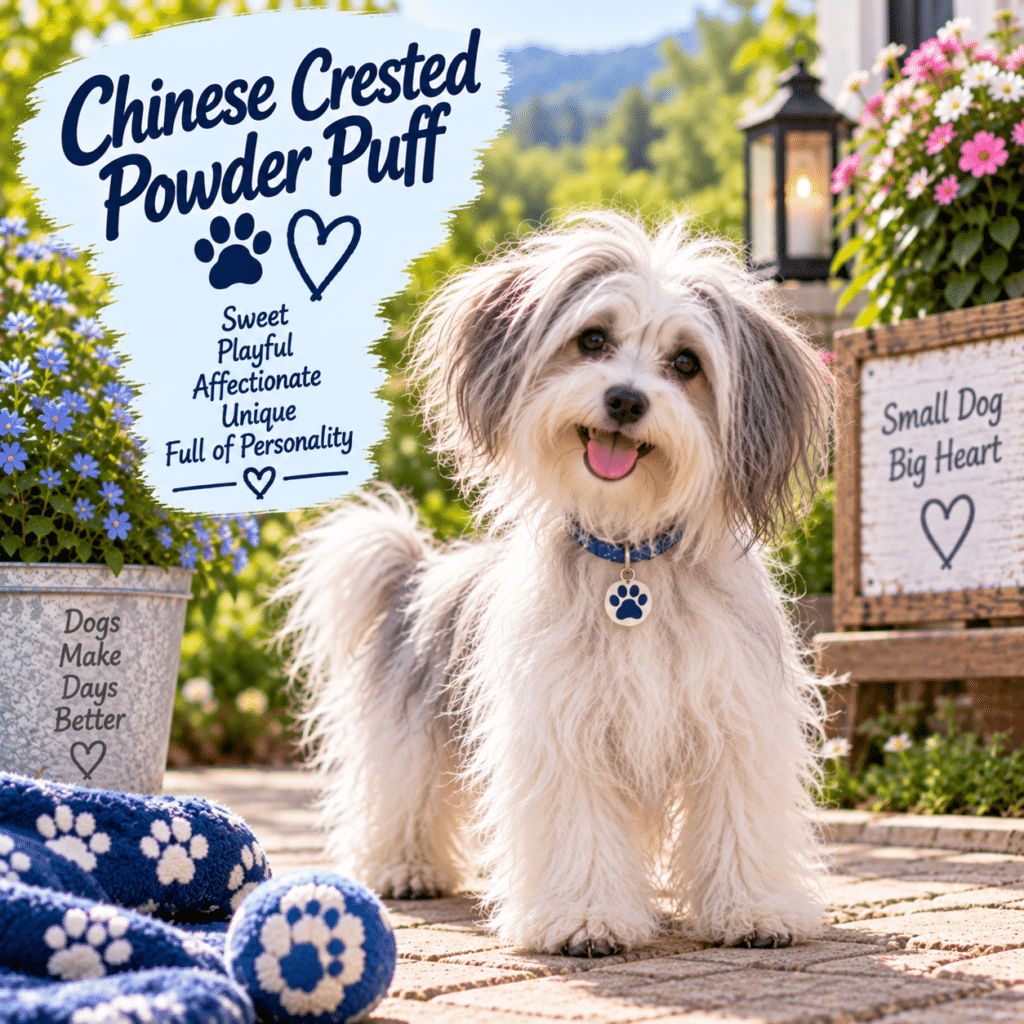
Most people hear “Chinese Crested” and immediately picture the mostly hairless variety.
But there’s another version: the Powder Puff.
Powder Puffs have a full coat of fine, silky hair and look dramatically different from their hairless relatives. Despite all that hair, the Powder Puff coat sheds minimally.
This one is especially close to my heart because I have a Chinese Crested Powder Puff myself. My Hachi is proof that when people first see a Powder Puff, they often don’t realize they’re looking at a Chinese Crested at all.
That soft coat does require regular brushing, especially in areas prone to tangling.
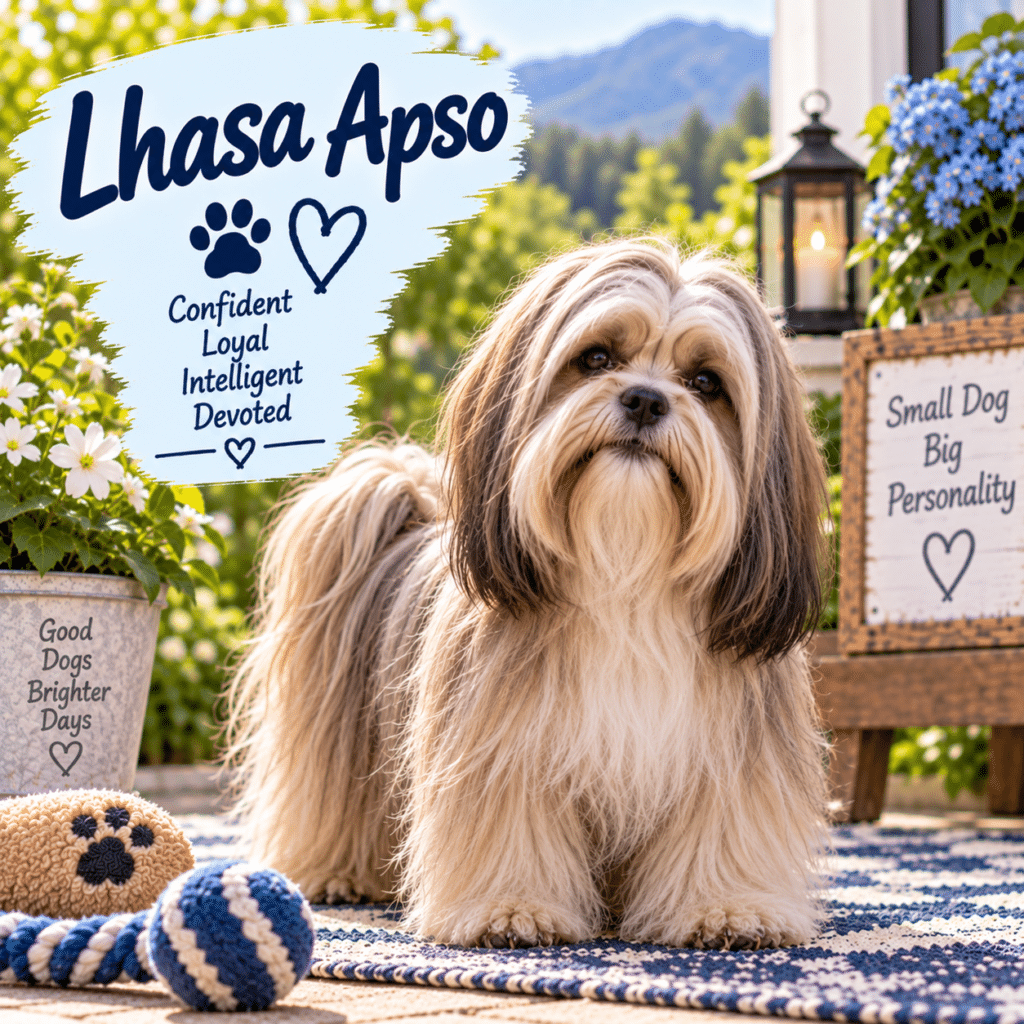
The Lhasa Apso has a long, flowing coat but isn’t a heavy shedder.
Originally developed in Tibet, these small dogs tend to be confident and somewhat independent. They’re affectionate with their families but aren’t necessarily the type of dog who assumes every stranger is their new best friend.
Owners can maintain the traditional long coat or choose a shorter pet trim that makes everyday grooming easier.
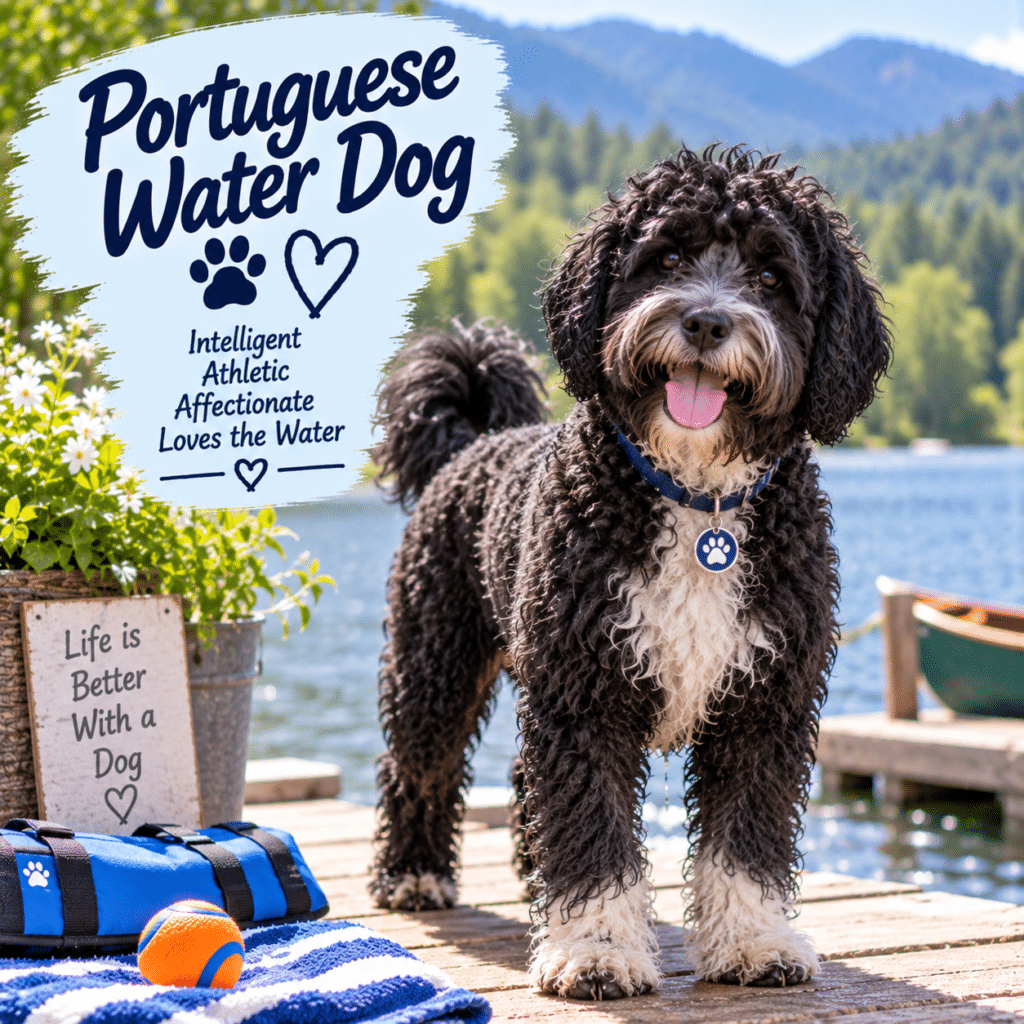
Now we’re moving into a larger, more active option.
Portuguese Water Dogs have dense, curly or wavy coats and shed relatively little. They’re athletic dogs that generally need considerably more exercise than the small companion breeds earlier on our list.
For an active household looking for a medium-sized low-shedding dog, though, they can be worth considering.
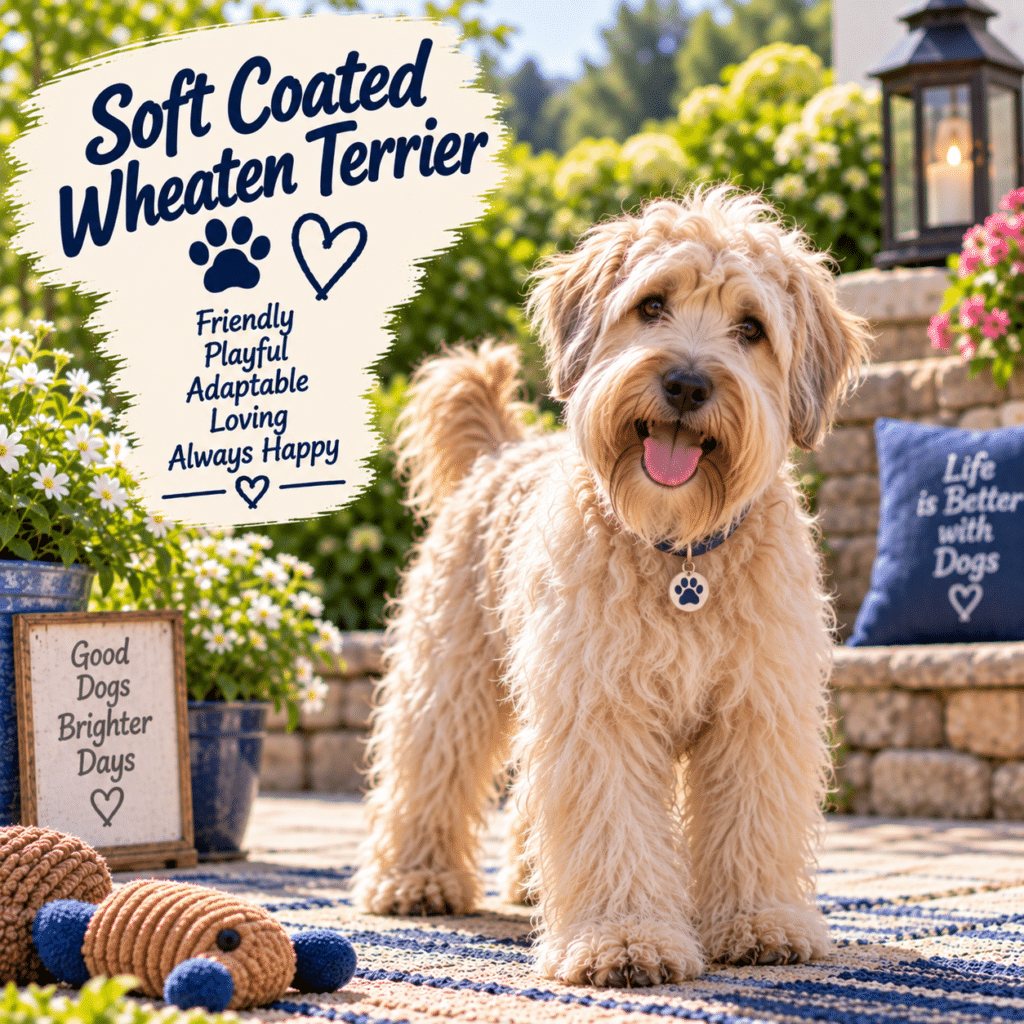
The Soft Coated Wheaten Terrier is named for its soft, wheat-colored coat.
That silky coat sheds relatively little, but it needs regular brushing and grooming to prevent tangles.
Wheatens are energetic terriers and typically need more activity than a lapdog. They’re a better choice for someone who wants an active companion rather than a dog who’s content with a couple of short trips around the yard.
The breed is among those the AKC has long suggested allergy sufferers may want to consider.
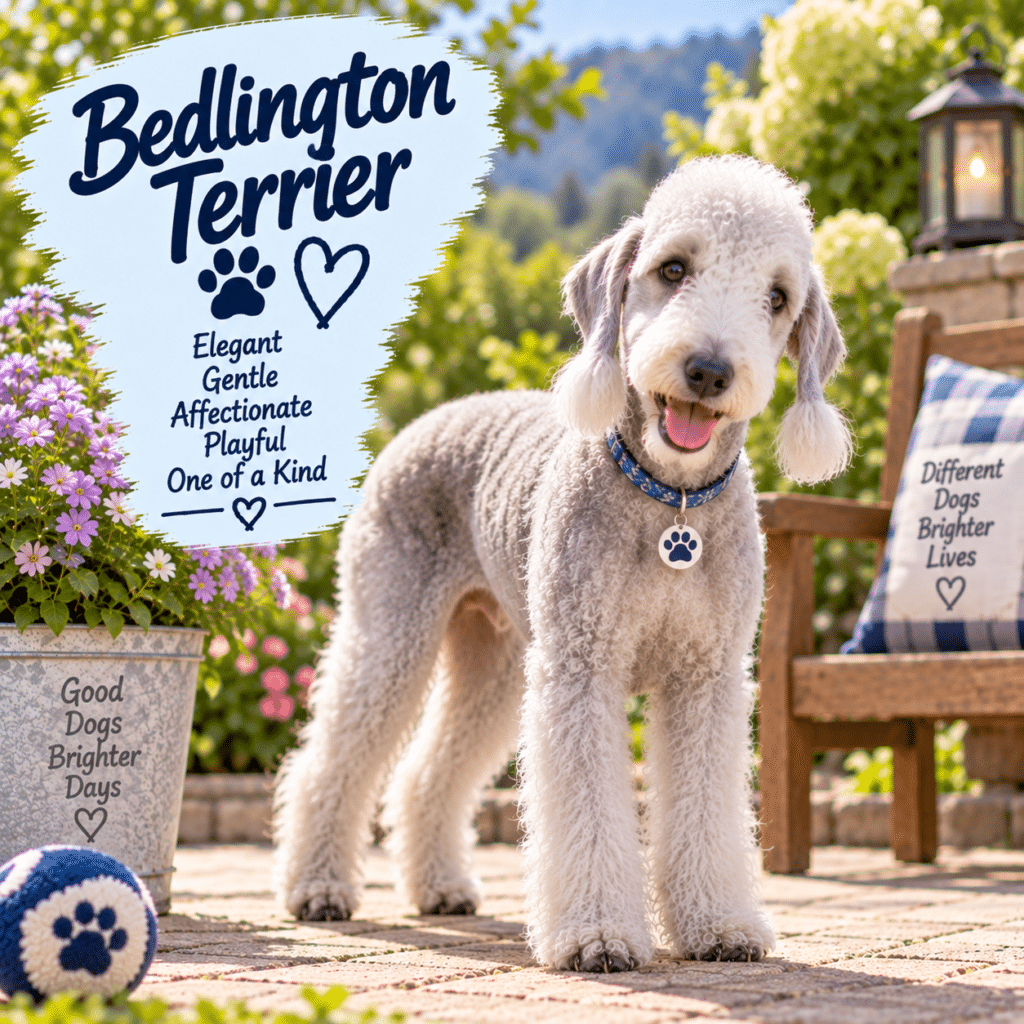
At first glance, you might wonder whether you’re looking at a dog or a little lamb.
The Bedlington Terrier’s distinctive curly coat and unusual head shape make it one of the most recognizable dogs on this list.
Their woolly coat sheds very little but requires regular grooming. Bedlingtons generally don’t require extreme amounts of exercise; regular walks and play can suit many of them well.
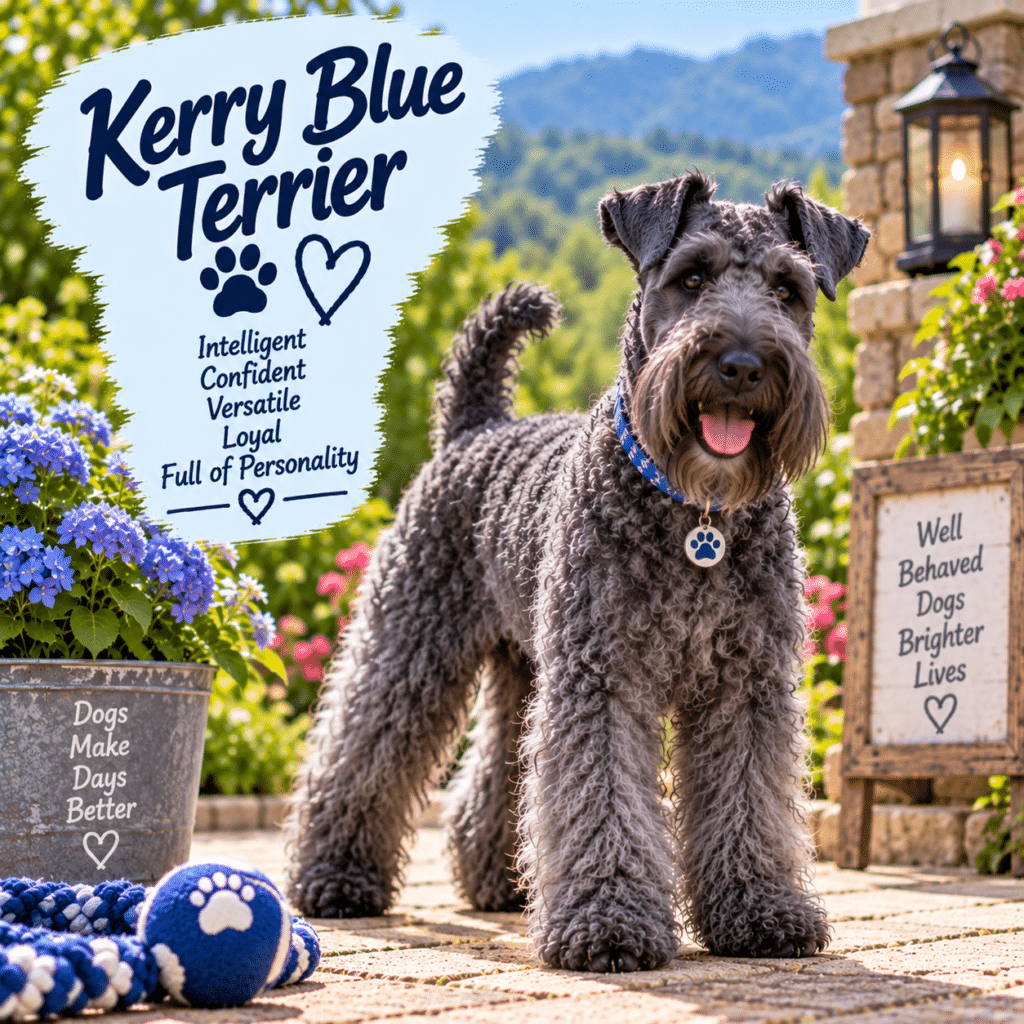
The Kerry Blue Terrier brings another completely different appearance to our list.
These medium-sized terriers have a soft, wavy coat that requires regular brushing and trimming but doesn’t shed heavily.
They’re energetic dogs, so coat type shouldn’t be the only consideration. A Kerry Blue needs a household prepared for an intelligent, active terrier as well as the grooming that comes with that distinctive coat.
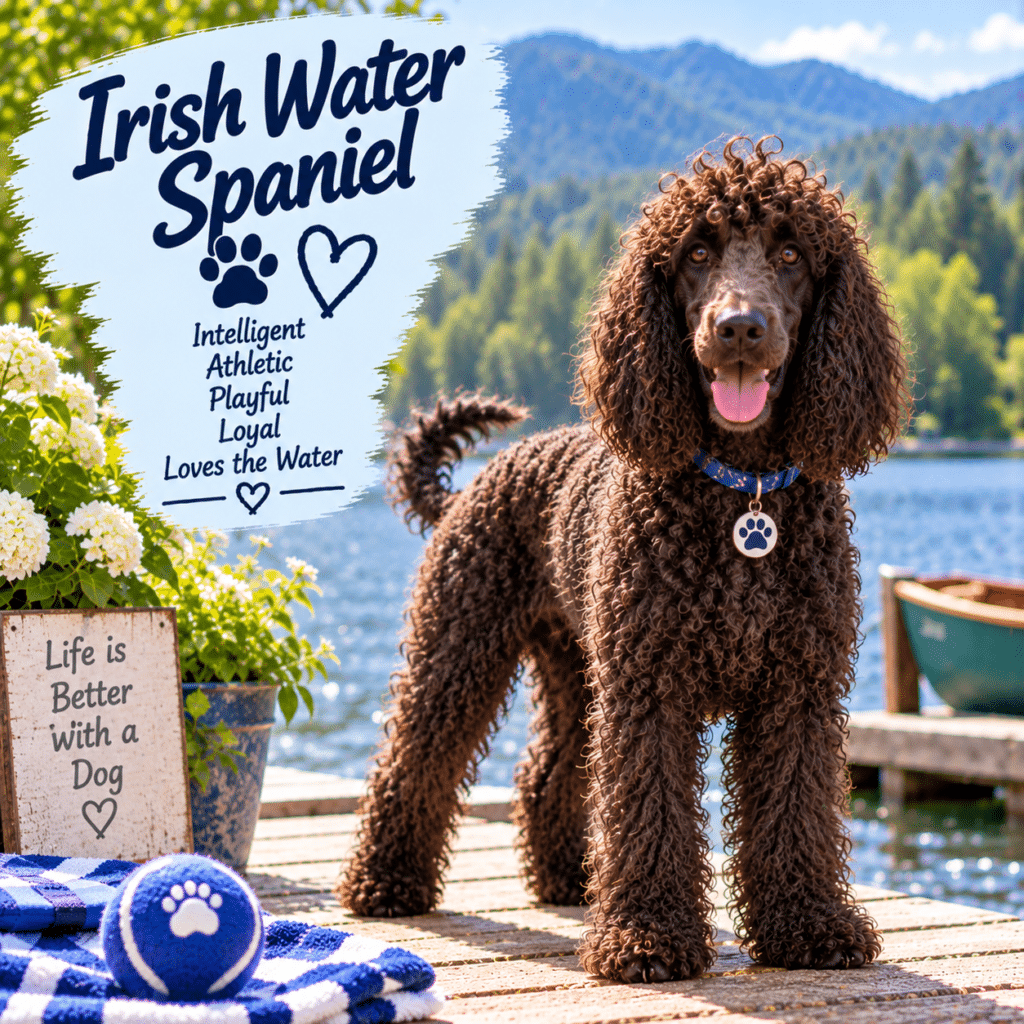
You won’t mistake an Irish Water Spaniel for many other dogs.
Its tightly curled coat and distinctive tail give the breed an unmistakable appearance. It’s also the tallest of the AKC spaniels.
Irish Water Spaniels are athletic, energetic dogs that need daily exercise. Their coats require care, but they shed relatively little compared with many other sporting breeds.
This is a better fit for someone looking for an active companion than someone primarily seeking a quiet lapdog.
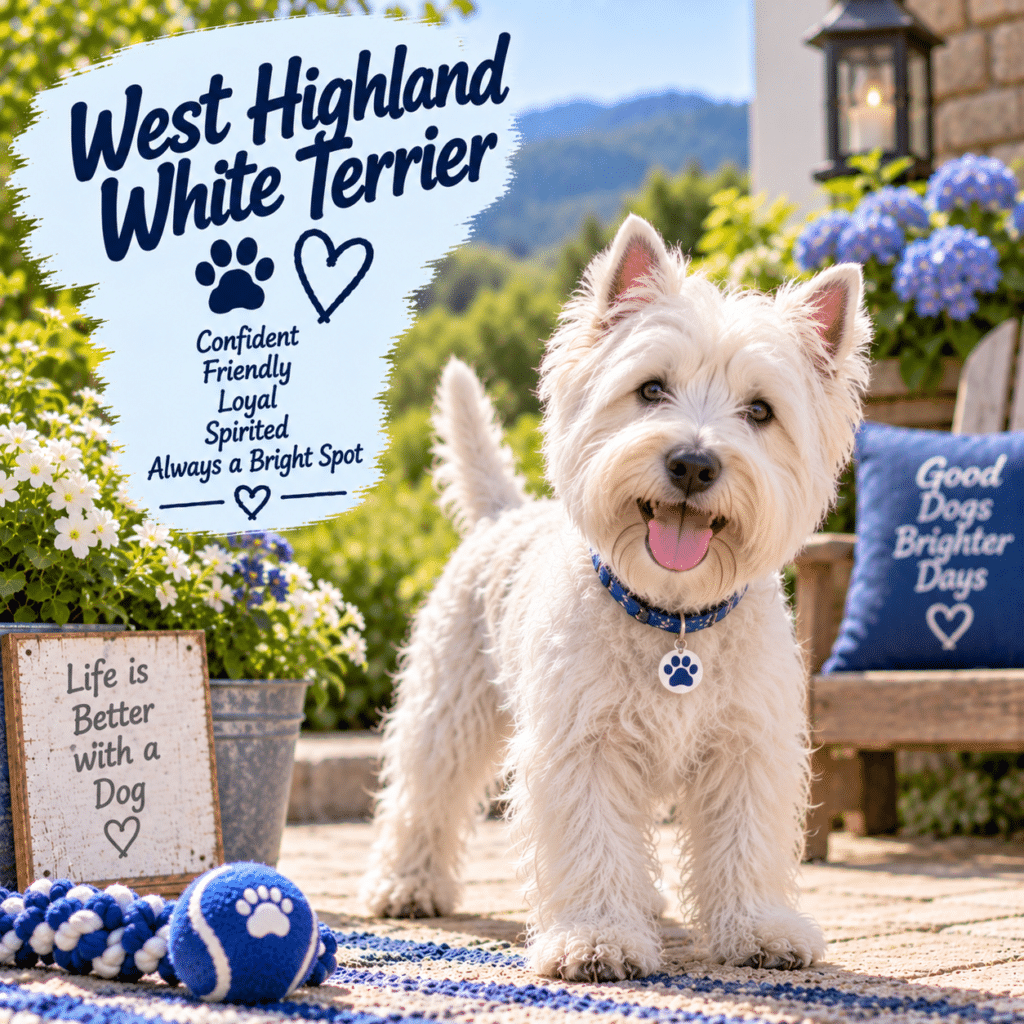
The West Highland White Terrier—or simply Westie—is one of those dogs almost everyone recognizes.
They’re small, sturdy and packed with terrier personality.
Their double coat is relatively low shedding when maintained properly, although grooming is still important. Westies tend to be livelier and more independent than many of the little companion breeds on this list.
For someone who wants a small dog with a little more terrier attitude, that may be part of the appeal.
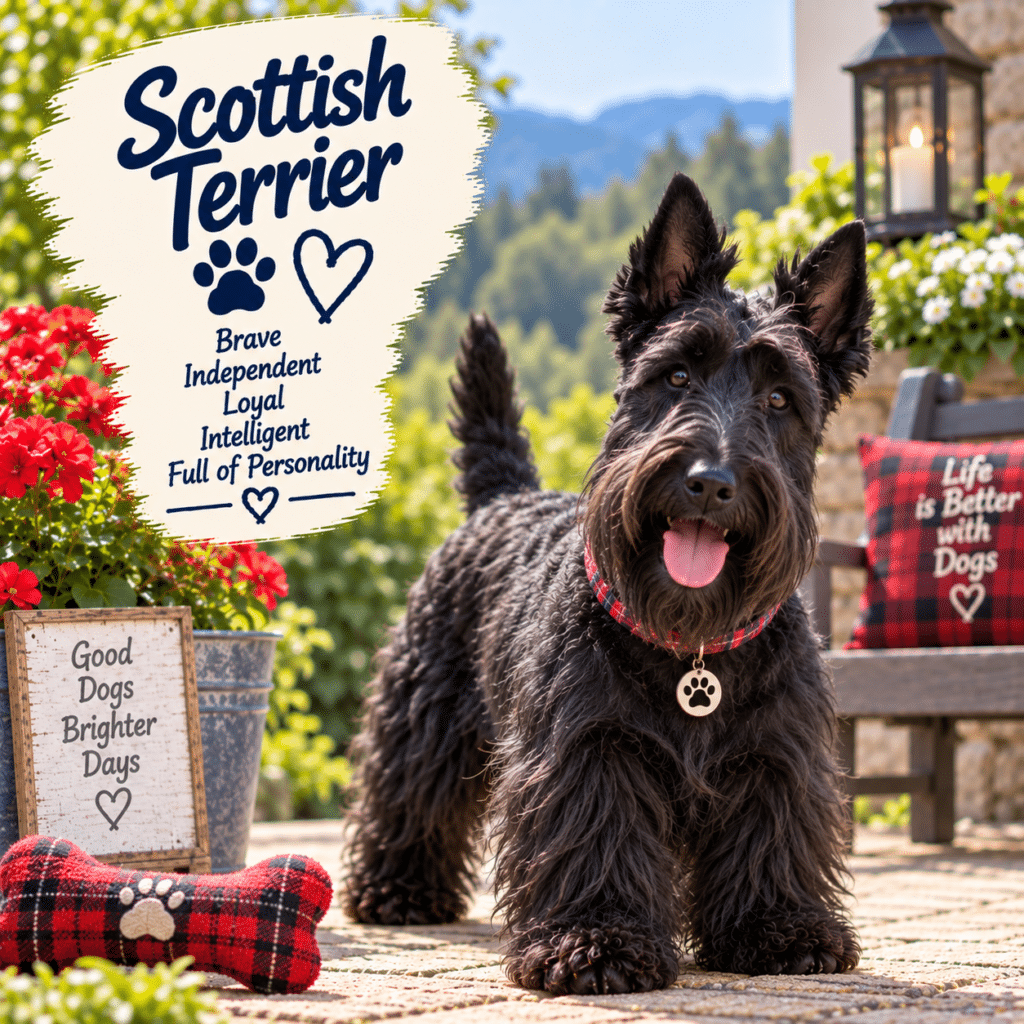
The Scottie is another familiar little dog with a distinctive silhouette.
Scottish Terriers have a wiry outer coat with a softer undercoat. With proper grooming, they tend to shed relatively little.
They’re generally more independent in personality than breeds such as the Bichon or Havanese, so choosing between them shouldn’t come down to coat alone.
Personality matters just as much.
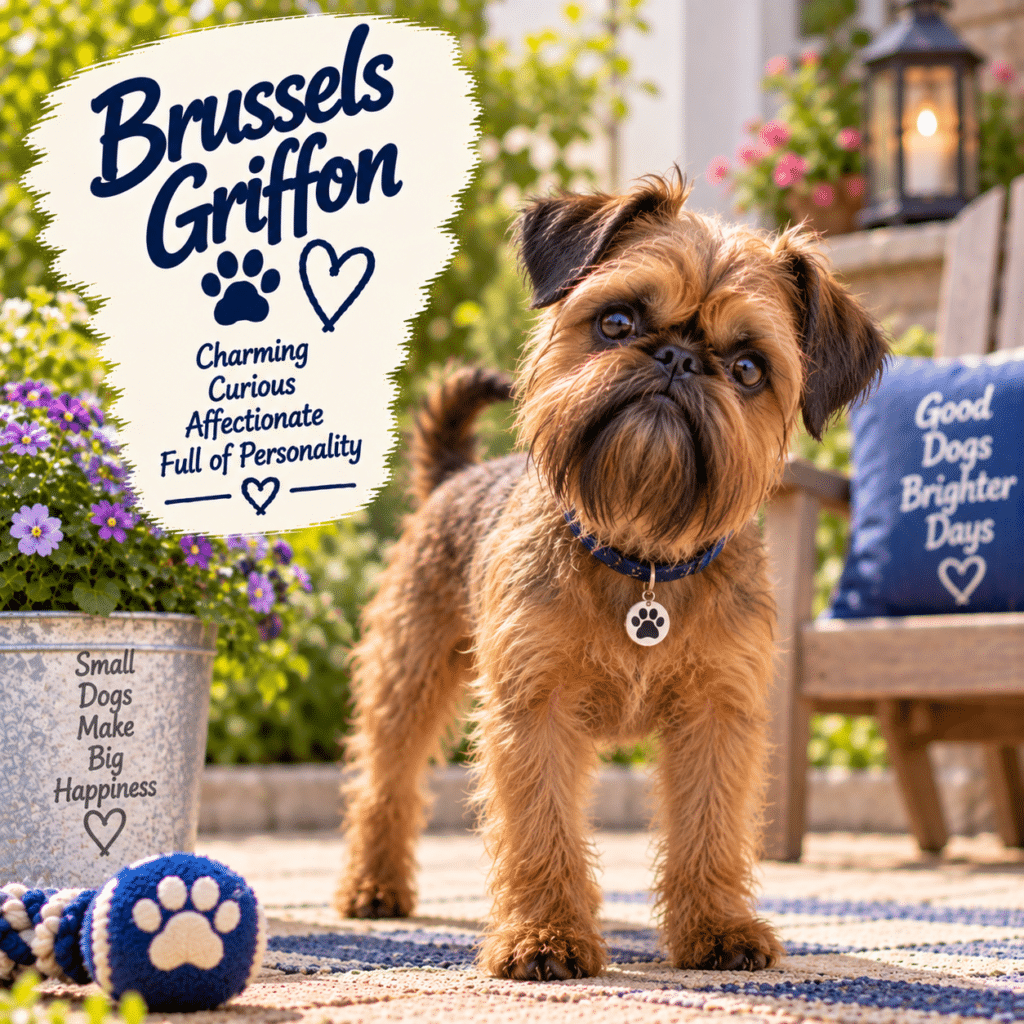
That expressive little face is difficult to forget.
Brussels Griffons are small companion dogs known for their almost human-looking expressions and strong attachment to their people.
There’s an important distinction here, though: Brussels Griffons come in rough and smooth coats. The rough-coated variety is the one of greater interest when minimizing shedding; the smooth coat sheds more. The AKC describes rough-coated Brussels Griffons as minimal shedders.
They’re another reminder that you need to look beyond a breed name and understand the particular coat—and dog—you’re considering.
This is probably the most important part of the entire list.
A low-shedding dog is not the same thing as an allergy-free dog.
Dog allergies aren’t simply an allergy to dog hair. People can react to proteins found in a dog’s dander, saliva and urine. Fur can then carry those allergens around the home.
That’s why one person might live comfortably with a Bichon while another still experiences symptoms around one.
It’s also possible for someone to react differently to individual dogs.
So think of “hypoallergenic” as a convenient way of describing breeds that are commonly considered by allergy sufferers—not a promise that a particular dog won’t cause a reaction.
If allergies are part of your decision, don’t choose a dog solely from a list on the internet—including this one.
Try to spend several hours around the actual breed and preferably the individual dog you’re considering.
The AKC specifically recommends spending time with the breed before making the commitment, while the Asthma and Allergy Foundation of America notes that some people may tolerate certain dogs better than others even though no truly non-allergenic dog exists.
If your allergies are significant or involve asthma, discussing dog ownership with your allergist before bringing a dog home is a particularly sensible step.
Choosing a lower-shedding dog is only one piece of the puzzle.
Regularly washing dog bedding, vacuuming, cleaning surfaces and reducing the amount of dander that accumulates on fabrics can help reduce allergen exposure. Keeping the dog out of the allergic person’s bedroom can also reduce exposure in the room where they spend many hours each night.
Regular grooming matters as well, although bathing a dog excessively isn’t necessarily better and can create skin and coat problems.

It’s easy to start your search thinking, I need a hypoallergenic dog.
But that’s only the beginning.
You also need a dog whose size, energy level, grooming needs and personality fit your life.
Someone who wants a quiet little companion may be much happier with a Bichon, Maltese or Shih Tzu than an energetic Irish Water Spaniel. An active household might feel exactly the opposite.
And after living with a Bichon Frise, a Shih Tzu and a Chinese Crested Powder Puff myself, I can tell you that even dogs grouped together because of their coats can be wonderfully different from one another.
That’s part of the fun of finding the right dog.
The goal isn’t simply to find the dog that sheds the least.
It’s to find the dog you can comfortably live with—and can’t imagine your days without.